

If you want your lawn roller to work smoothly and last for years, taking care of it is a must. You might not realize it, but simple maintenance steps can save you time, money, and frustration down the road.
Imagine a perfectly even lawn without the hassle of a broken or rusty roller. You’ll discover easy, effective tips to keep your lawn roller in top shape. Keep reading to unlock the secrets that will help you get the best results every time you use your roller.
Credit: www.lovethegarden.com
Choosing The Right Lawn Roller
Picking the right lawn roller helps keep your lawn smooth and even. It also makes lawn care easier and more effective.
Consider the type, material, size, and weight of the roller before buying. These factors affect how well it works for your lawn.
Types Of Lawn Rollers
Lawn rollers come in different types for various needs. Each type works best for certain lawn conditions and tasks.
- Water-filled rollers are light when empty and heavy when filled. They are easy to move.
- Steel rollers are heavy and strong. They are good for firm soil and removing bumps.
- Plastic rollers are lightweight and simple. They work well for small gardens.
Material Considerations
The material affects the roller’s weight and durability. Choose a material that fits your lawn size and soil type.
- Steel rollers last long but can be hard to move when full.
- Plastic rollers are easy to carry but may wear out faster.
- Rubber-coated rollers protect grass and reduce damage.
Size And Weight Factors
Size and weight affect how well the roller flattens the lawn. Larger rollers cover more area but can be heavy.
Choose a size and weight you can handle safely. The right weight helps press soil without harming plants.
- Light rollers suit small lawns and soft soil.
- Heavy rollers work better on large lawns and firm soil.
- Consider your strength and equipment for handling the roller.
Credit: www.homedepot.com
Cleaning After Use
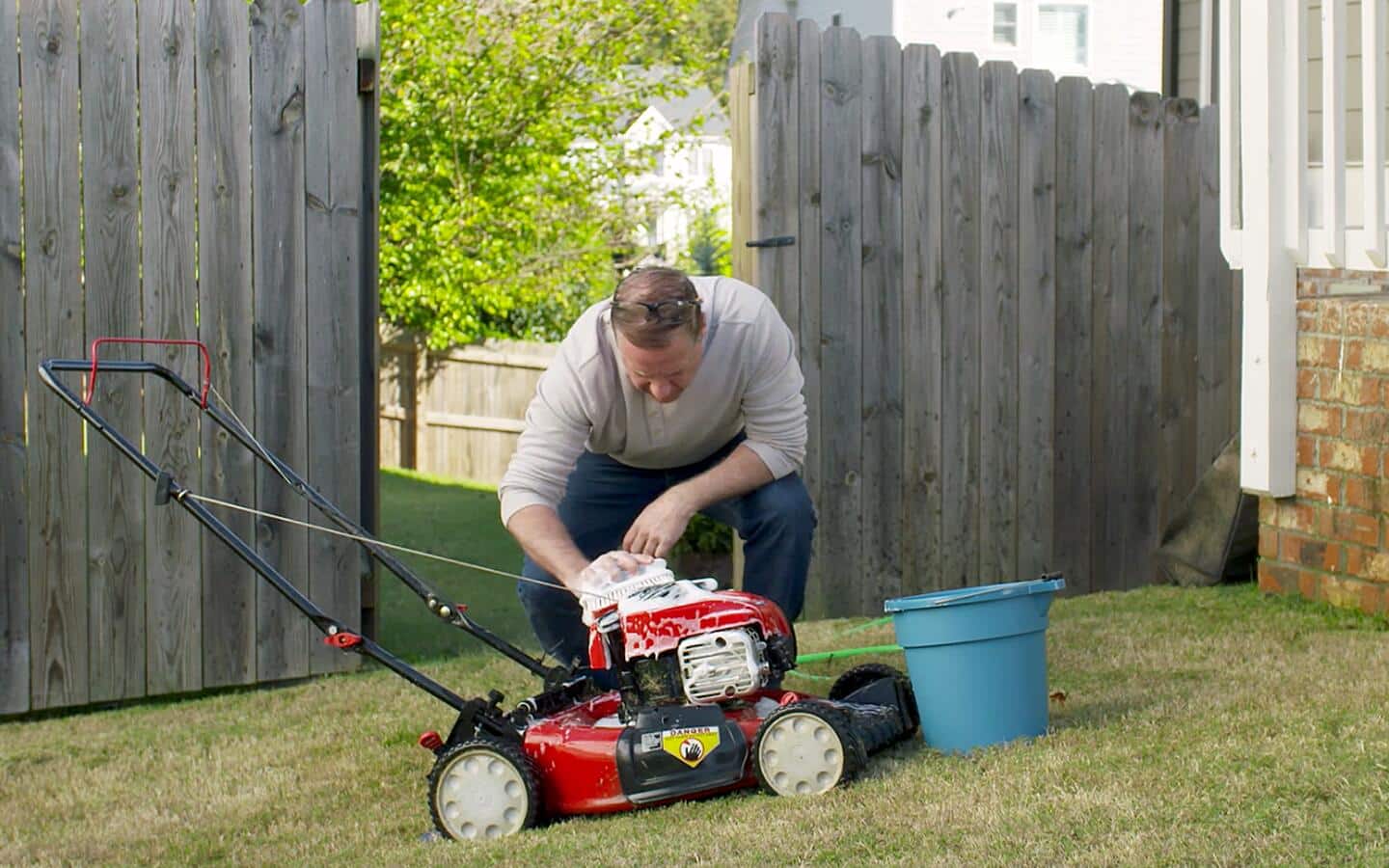
Cleaning your lawn roller after use keeps it in good shape. Dirt and debris can build up and cause problems.
Proper cleaning helps the roller last longer and work better each time you use it.
Removing Dirt And Debris
Remove all dirt and grass clippings from the roller. This stops buildup that can damage the surface.
- Use a stiff brush to scrub off stuck dirt.
- Wash the roller with water to clear loose debris.
- Dry the roller completely to avoid moisture damage.
- Check the edges and corners for trapped grass.
Preventing Rust And Corrosion
Rust can damage your roller and make it less effective. Prevent it with simple care steps.
| Prevention Tip | How to Do It |
| Dry the roller | Use a clean cloth to wipe water after cleaning. |
| Apply oil | Lightly coat metal parts with machine oil. |
| Store properly | Keep the roller in a dry, covered area. |
| Check regularly | Inspect for rust spots and treat early. |
Lubrication Essentials
Lawn rollers need regular lubrication to keep running smoothly. Proper oiling stops parts from wearing out too fast.
Knowing which parts to oil and what lubricants to use saves time and money. It also helps your lawn roller last longer.
Key Moving Parts To Oil
Focus on these parts for lubrication: the axle, bearings, and pivot points. These parts move often and face the most friction.
- Axle – keeps the roller rolling smoothly
- Bearings – reduce friction between moving parts
- Pivot points – allow parts to move without stiffness
Recommended Lubricants
| Part | Best Lubricant | Notes |
| Axle | Light machine oil | Apply regularly for smooth rotation |
| Bearings | Grease | Use waterproof grease for outdoor use |
| Pivot Points | Penetrating oil | Use to loosen stiff joints and reduce noise |
Storage Best Practices
Proper storage keeps your lawn roller in good shape. It helps avoid rust and damage.
Following simple tips can extend your roller’s life and keep it ready to use.
Protecting From Weather
Rain, snow, and sun can harm your lawn roller. Water causes rust and sun fades paint.
Keep your roller dry and covered to stop weather damage.
- Use a waterproof cover to protect from rain and snow
- Store in a shaded area to prevent sun damage
- Wipe off dirt and moisture before storing
- Check for signs of rust and treat them quickly
Safe Indoor Storage Tips
Indoor storage keeps your lawn roller safe from weather and theft. Choose a dry spot.
Organize space well to avoid damage to the roller and other items.
- Clean the roller before storing it indoors
- Place it on a flat surface to prevent rolling
- Use blocks or stands to keep it off the floor
- Keep the storage area dry and ventilated
- Cover the roller with a cloth or tarp for extra protection
Regular Inspection
Regular inspection is important to keep your lawn roller working well. It helps find problems early before they get worse.
Checking your lawn roller often saves time and money. It also keeps your lawn smooth and healthy.
Checking For Wear And Tear
Look at the surface of the roller for scratches or dents. These can affect how well it rolls on the grass.
Check the handles and frame for rust or cracks. Worn parts can break and cause accidents.
- Examine the roller drum for dents or flat spots
- Look for rust or peeling paint on metal parts
- Test the handle for looseness or cracks
- Make sure all bolts and screws are tight
Identifying Leaks And Damage
Check the roller for any signs of leaks. Oil or water leaks can cause damage inside the roller.
Look closely at seals and joints for cracks or breaks. These areas often leak first.
- Inspect around the fill cap for cracks
- Look under the roller for wet spots or drips
- Check seals and welds for signs of damage
- Listen for unusual sounds when rolling
Troubleshooting Common Issues
Maintaining your lawn roller is important for a smooth lawn. Regular checks prevent common problems.
Here are some tips on fixing uneven rolling and handling rust spots.
Fixing Uneven Rolling
Uneven rolling can create bumps on your lawn. This happens when the roller’s weight is not balanced.
Check if the roller is filled evenly with water or sand. Adjust the filling to balance the weight.
- Inspect for dents or damage on the roller surface.
- Ensure the handle is securely attached and straight.
- Check tire pressure if your roller has wheels.
Handling Rust Spots
Rust spots can weaken the roller over time. They often appear after exposure to moisture.
Clean the roller after use and store it in a dry place. This helps prevent rust.
| Step | Action |
| 1 | Sand off rust with fine sandpaper. |
| 2 | Apply rust-proof paint to protect the surface. |
| 3 | Let the paint dry completely before use. |
Seasonal Maintenance Tasks
Lawn rollers need care throughout the year to work well. Seasonal tasks help keep them in good condition.
Regular maintenance prevents rust and damage. It also ensures smooth operation when you need it.
Preparing For Winter
Winter can be tough on lawn rollers. Proper preparation keeps them safe during cold months.
Clean the roller to remove dirt and grass. Dry it completely to prevent rust.
- Store in a dry place
- Apply a light coat of oil to metal parts
- Check for any loose bolts and tighten them
Spring Startup Checks
Spring is the time to get your lawn roller ready for use. Check it carefully before starting work.
Inspect the roller for any signs of damage. Make sure all parts are in good condition.
- Inflate the roller if it is water-filled
- Lubricate moving parts
- Test the handle and adjust if needed
Credit: www.homedepot.com
Frequently Asked Questions
How Often Should I Maintain My Lawn Roller?
Maintain your lawn roller after every use. Clean off dirt and debris, check for rust, and lubricate moving parts to ensure smooth operation and longevity.
What Is The Best Way To Clean A Lawn Roller?
Use a garden hose to wash off soil and grass. For stubborn dirt, scrub gently with a brush and mild soap, then dry thoroughly to prevent rust.
How Do I Prevent Rust On My Lawn Roller?
Store your lawn roller in a dry, covered area. Apply a light coat of oil on metal parts regularly to protect against moisture and rust.
When Should I Lubricate My Lawn Roller?
Lubricate the roller’s moving parts before and after each use. This prevents wear, ensures smooth movement, and extends the roller’s lifespan.
Conclusion
Taking care of your lawn roller helps it last longer and work better. Clean it after each use to avoid rust and dirt build-up. Check for damages often and fix them quickly to keep it safe. Store it in a dry place to protect it from weather.
Regular maintenance saves time and money on repairs. Keep your lawn smooth and healthy with these simple steps. Your lawn roller will stay ready for any job. Easy care makes a big difference.

