
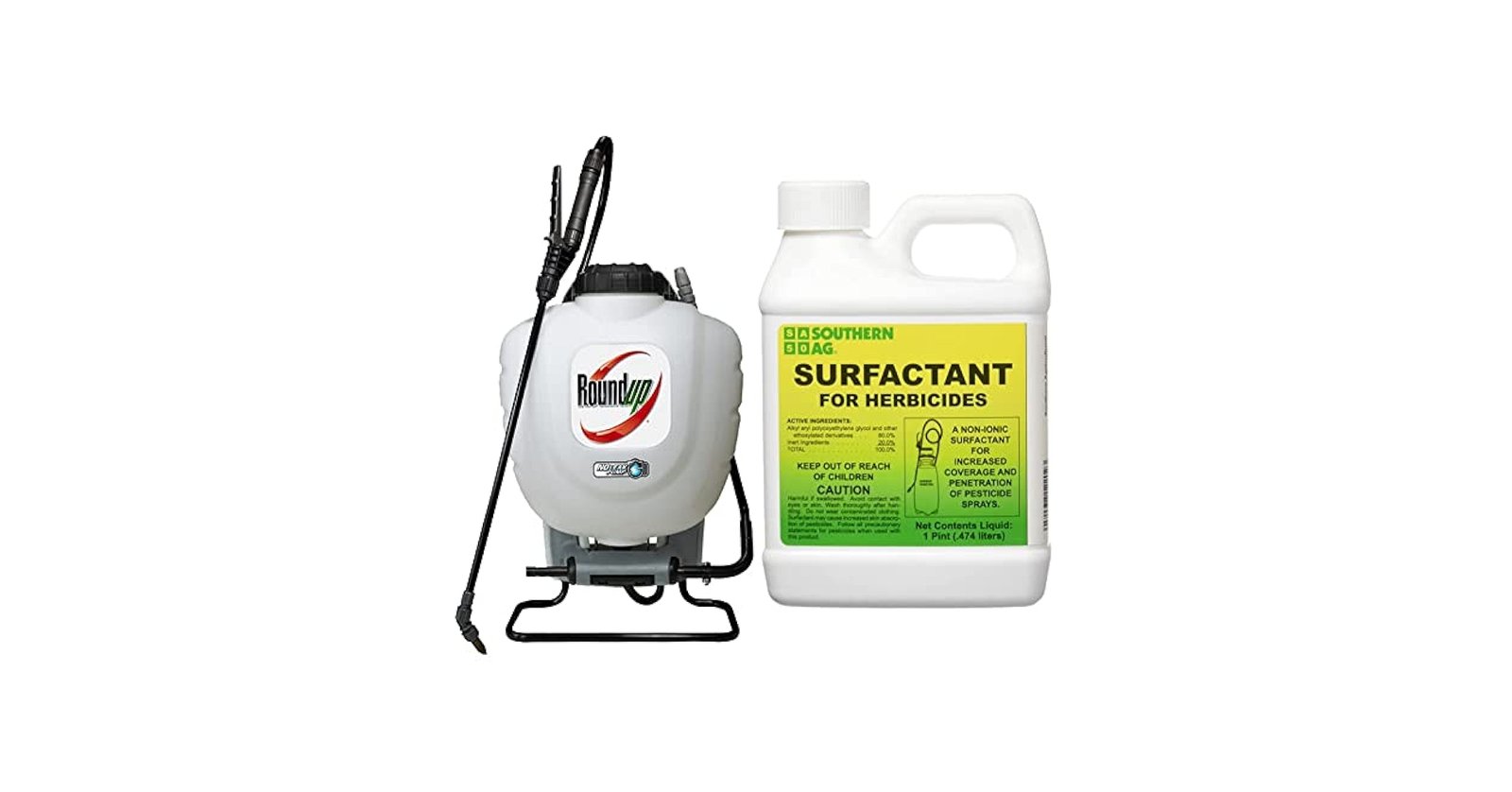
Are you looking for an easy and effective way to apply herbicides in your garden or yard? A backpack sprayer might be just what you need.
But can a backpack sprayer really handle herbicides safely and efficiently? If you want to protect your plants and get the best results, it’s important to know how to use this tool the right way. Keep reading to discover how a backpack sprayer can work for your herbicide needs and what you should keep in mind to get the job done right.
Types Of Backpack Sprayers
Backpack sprayers are useful tools for applying herbicides in gardens and fields. They come in different types that suit various needs and preferences.
Choosing the right sprayer helps ensure effective herbicide application and ease of use. Two key types are manual and battery-powered sprayers.
Manual Vs. Battery-powered Sprayers
Manual sprayers require you to pump the handle to build pressure. They are simple, lightweight, and do not need batteries.
Battery-powered sprayers use a motor to create pressure. They reduce physical effort and provide a steady spray for longer periods.
- Manual sprayers cost less and have fewer parts to maintain.
- Battery-powered sprayers offer more consistent pressure and spray patterns.
- Manual sprayers are better for small jobs or light use.
- Battery-powered sprayers suit larger areas and frequent use.
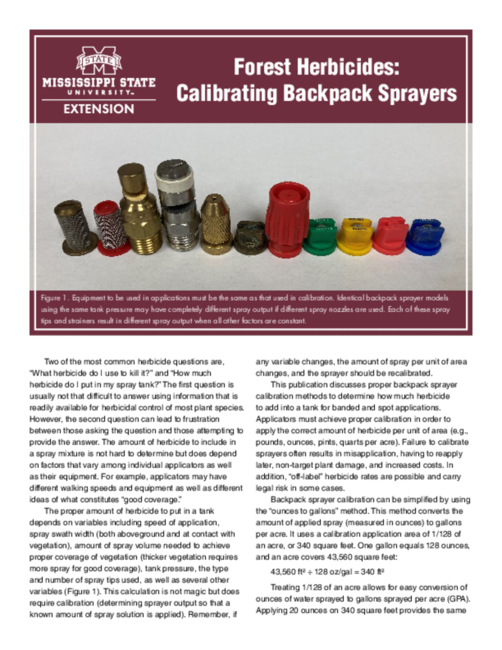
Nozzle Variations And Their Uses
Nozzles control how the herbicide sprays from the backpack sprayer. Different nozzles suit different tasks and plants.
| Nozzle Type | Spray Pattern | Best For |
| Flat Fan | Wide, even spray | Covering large areas evenly |
| Cone | Circular spray | Targeting specific weeds or plants |
| Jet | Strong, narrow stream | Reaching tall or hard-to-reach weeds |
| Misting | Fine droplets | Delicate plants and low-volume application |
Credit: extension.msstate.edu
Choosing The Right Herbicide
Choosing the right herbicide helps protect your plants and control weeds. Using the correct type ensures safety and effectiveness.
Backpack sprayers can apply many herbicides, but selecting the right one is important for good results.
Selective Vs. Non-selective Herbicides
Selective herbicides target specific weeds without harming other plants. Non-selective herbicides kill most plants they touch.
- Selective herbicidesare good for lawns and gardens.
- Non-selective herbicideswork well for clearing driveways or unwanted areas.
- Choose based on the plants you want to protect or remove.
Herbicide Compatibility With Sprayers
Not all herbicides work well with every backpack sprayer. Some need special parts or filters to spray safely.
| Herbicide Type | Sprayer Type | Notes |
|---|---|---|
| Liquid | Standard Backpack Sprayer | Works well with most sprayers |
| Granular | Not suitable | Cannot be sprayed; needs spreader |
| Foam | Special Foam Sprayer | Needs sprayer with foam nozzle |
| Concentrate | Requires dilution and proper nozzle | Check sprayer manual for compatibility |
Preparation Before Spraying
Using a backpack sprayer for herbicides requires careful preparation. Proper steps help ensure safety and effectiveness. You must handle herbicides and equipment correctly before spraying.
This guide covers important preparation tasks. It explains how to mix herbicides safely and how to calibrate the sprayer for accuracy.
Mixing Herbicides Safely
Always wear protective clothing before mixing herbicides. Use gloves, goggles, and a mask. Read the label on the herbicide container carefully. Follow the exact mixing instructions to avoid harm.
- Use clean water in the sprayer tank.
- Measure the herbicide precisely with a calibrated cup.
- Pour herbicide into the tank slowly to avoid splashing.
- Stir or shake the mixture well to blend evenly.
- Never mix herbicides in a confined space without ventilation.
Calibrating The Sprayer For Accuracy
Calibration helps apply the right amount of herbicide. It saves product and protects plants and soil. Use this table to check sprayer output and coverage.
| Sprayer Output (Liters) | Area Covered (Square Meters) | Herbicide Amount (ml) |
|---|---|---|
| 1.0 | 100 | 50 |
| 1.5 | 150 | 75 |
| 2.0 | 200 | 100 |
Application Techniques
Using a backpack sprayer for herbicides needs careful technique. Applying herbicides properly helps control weeds effectively.
Good application prevents damage to nearby plants and reduces waste. Learn key methods for best results.
Spraying Patterns For Effective Coverage
Use spraying patterns that cover all target plants without overlap. This keeps herbicide use efficient and safe.
- Spray in a steady, side-to-side motion
- Keep the nozzle close to the ground but not touching plants
- Overlap each pass slightly to avoid gaps
- Avoid spraying in windy conditions to reduce drift
- Adjust walking speed to maintain even coverage
Adjusting Pressure And Nozzle Settings
Correct pressure and nozzle settings control spray droplet size and flow rate. This affects herbicide coverage and safety.
| Setting | Effect | Recommendation |
| Low Pressure | Large droplets, less drift | Use for calm days |
| High Pressure | Fine droplets, better coverage | Avoid on windy days |
| Wide Nozzle | Covers more area | Use for broadleaf weeds |
| Narrow Nozzle | Focused spray | Use for spot treatment |
Safety Precautions
Using a backpack sprayer for herbicides requires caution to protect yourself. Safety precautions help prevent harm from chemicals.
Understanding the right gear and proper handling reduces risks during spraying tasks.
Protective Gear Recommendations
Wear protective clothing to avoid skin and eye contact with herbicides. Proper gear limits exposure to harmful chemicals.
- Use chemical-resistant gloves to protect your hands.
- Wear long sleeves and long pants to cover your skin.
- Put on safety goggles or a face shield to protect your eyes.
- Use a respirator mask if spraying in windy conditions or enclosed spaces.
- Wear sturdy boots to keep your feet safe from spills.
Handling And Storage Tips
Proper handling and storage of herbicides keep you and others safe. Store chemicals away from children and pets.
| Tip | Description |
| Keep original containers | Always store herbicides in their original labeled containers. |
| Store in cool, dry place | Avoid heat or moisture to maintain chemical stability. |
| Seal tightly | Close containers firmly to prevent leaks or spills. |
| Clean equipment | Rinse backpack sprayer after use to avoid contamination. |
| Disposal | Dispose of unused herbicides according to local regulations. |

Credit: www.researchgate.net
Maintenance After Use
After using a backpack sprayer for herbicides, it’s essential to follow proper maintenance procedures to ensure the sprayer remains in good condition and continues to function effectively.
This includes cleaning and storing the sprayer properly to prevent damage and extend its lifespan.
Cleaning Procedures To Prevent Damage
Cleaning the backpack sprayer after each use is crucial to prevent clogging and damage to the internal components.
- Rinse the sprayer with water to remove any remaining herbicide residue
- Use a soft-bristled brush to scrub away any stubborn debris
- Mix a solution of warm water and mild detergent to soak the sprayer
- Rinse the sprayer thoroughly to remove any soap residue
Storing The Sprayer Properly
Proper storage of the backpack sprayer is essential to prevent damage and extend its lifespan.
Store the sprayer in a dry, well-ventilated area, away from direct sunlight and extreme temperatures.
- Hang the sprayer from a hook or store it on a shelf
- Avoid storing the sprayer in a humid or dusty environment
- Keep the sprayer away from children and pets
Common Mistakes To Avoid
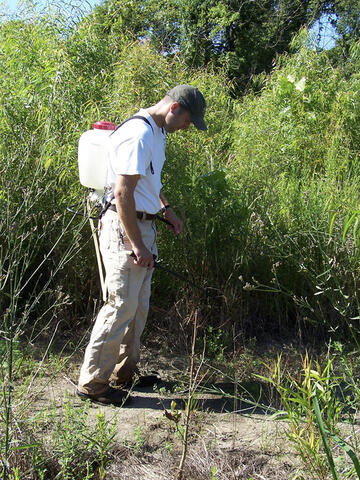
Using a backpack sprayer for herbicides requires careful attention to detail to avoid common mistakes that can lead to over-application risks and equipment damage.
Over-application Risks
Over-application of herbicides can have devastating effects on the environment, including water pollution and harm to beneficial insects and wildlife.
- Failure to read and follow the label instructions for the recommended application rate and timing
- Insufficient training on the use of backpack sprayers and herbicides
- Not wearing personal protective equipment (PPE) when handling herbicides
Ignoring Equipment Wear And Tear
Failing to maintain and inspect your backpack sprayer regularly can lead to equipment failure, reduced performance, and increased risk of accidents.
| Common Issues | Consequences |
|---|---|
| Worn or damaged seals and gaskets | Leakage and loss of herbicide |
| Clogged nozzles and filters | Reduced spray performance and increased drift |
| Cracked or broken hoses and tubes | Equipment failure and reduced pressure |
Regular maintenance and inspections can help prevent these issues and ensure safe and effective use of your backpack sprayer.
Credit: extension.msstate.edu
Frequently Asked Questions
Can A Backpack Sprayer Safely Apply Herbicides?
Yes, backpack sprayers can safely apply herbicides when used correctly. Always wear protective gear and follow the herbicide label instructions for safe application.
What Types Of Herbicides Work With Backpack Sprayers?
Both liquid and soluble powder herbicides work well with backpack sprayers. Ensure the herbicide is properly diluted and mixed before spraying for effective results.
How To Prevent Herbicide Drift With A Backpack Sprayer?
To prevent drift, spray on calm days with low wind. Use low pressure and appropriate nozzle tips to control spray pattern and droplet size.
Can Backpack Sprayers Cover Large Areas With Herbicides?
Backpack sprayers are best for small to medium areas. For large fields, consider motorized or tractor-mounted sprayers for efficient herbicide application.
Conclusion
A backpack sprayer works well for applying herbicides. It offers control and easy movement in tight spaces. Always follow safety steps to protect yourself and plants. Clean the sprayer after each use to avoid damage. Use the right nozzle for even spraying.
This tool helps keep weeds under control in small areas. Choose the right herbicide and sprayer settings for best results. Simple, careful use makes a backpack sprayer a good choice for herbicide tasks.

