
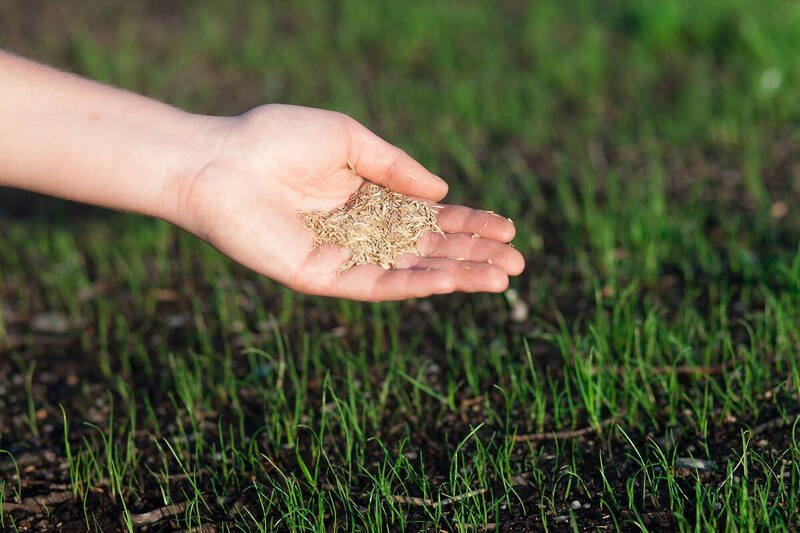
Are you wondering if you can overseed and fertilize your lawn at the same time? You want a thick, healthy lawn without spending extra time or effort.
The good news is, combining these two steps might save you both time and money. But is it the right move for your grass? Keep reading to discover the best way to give your lawn a fresh start and ensure it thrives all season long.
You’ll learn what works, what doesn’t, and how to get the most out of your lawn care routine.
Benefits Of Overseeding
Overseeding means planting new grass seed over your existing lawn. This helps improve the lawn’s look and health.
Many homeowners wonder if overseeding and fertilizing can be done at the same time. Understanding the benefits of overseeding can help answer this.
Improving Lawn Density
Overseeding adds more grass plants to your lawn. This makes the grass thicker and fuller. A dense lawn looks better and feels softer to walk on.
- Fills in bare or thin spots
- Creates a uniform green color
- Improves lawn’s ability to handle foot traffic
- Reduces soil erosion by covering exposed areas
Enhancing Turf Health
New grass from overseeding can grow strong roots. This helps the lawn absorb water and nutrients better. It also recovers quickly from damage.
| Benefit | Explanation |
| Stronger Roots | Deeper roots help grass survive drought |
| Better Nutrient Use | Healthy grass takes up fertilizer more efficiently |
| Improved Recovery | New grass grows fast after damage |
Reducing Weed Growth
A thick lawn leaves less space for weeds to grow. Overseeding crowds out weeds by filling gaps. This lowers weed problems over time.
Tips to reduce weeds with overseeding:
- Choose grass seed that matches your lawn type
- Keep soil moist to help new grass grow fast
- Apply fertilizer to support strong grass growth
- Remove weeds before overseeding
Role Of Fertilizing
Fertilizing plays a key role in overseeding. It helps new grass seeds grow strong and healthy. Fertilizers supply nutrients that the soil may lack.
Combining overseeding with fertilizing can improve lawn health. It supports seed growth and strengthens roots for long-lasting grass.
Boosting Seed Germination
Fertilizers provide essential nutrients to help grass seeds sprout faster. Nitrogen, phosphorus, and potassium are key for seed germination.
- Nitrogen encourages leaf growth and color.
- Phosphorus supports root and shoot development.
- Potassium increases stress tolerance for young plants.
Strengthening Root Development
Fertilizing helps new roots grow deep and strong. Strong roots absorb water and nutrients better. This improves the grass’s ability to survive dry spells.
| Fertilizer Nutrient | Role in Root Growth |
|---|---|
| Phosphorus | Encourages strong root formation |
| Calcium | Improves root cell strength |
| Magnesium | Supports enzyme activity in roots |
Balancing Soil Nutrients
Fertilizers help balance nutrients in the soil. This balance is important for healthy grass growth. Too much or too little of one nutrient can harm the lawn.
- Test soil before applying fertilizer.
- Use fertilizer formulas suited for your soil needs.
- Avoid over-fertilizing to prevent nutrient burn.
- Apply fertilizer evenly across the lawn.
Timing For Overseeding And Fertilizing
Overseeding and fertilizing help keep lawns green and healthy. Knowing when to do both saves time and effort.
Timing affects how well seeds grow and how nutrients help the grass. Careful planning leads to better results.
Ideal Seasons To Perform Both
The best seasons to overseed and fertilize are spring and fall. Grass grows well in these cooler times.
Spring helps grass recover from winter. Fall strengthens grass before winter arrives.
- Spring: Early to mid-spring after frost
- Fall: Late summer to early fall
Weather Considerations
Choose days with mild weather to overseed and fertilize. Avoid very hot or dry days.
Rain after fertilizing helps nutrients soak into soil. Too much rain can wash away seeds and fertilizer.
- Pick calm, overcast, or light rain days
- Avoid windy or very sunny days
- Water lawn lightly if no rain comes soon
Soil Temperature Impact
Soil temperature affects seed germination and fertilizer uptake. Seeds need warm soil to grow well.
Fertilizer works best when soil is between 50°F and 70°F. Too cold or hot soil slows growth.
- Check soil temperature before overseeding
- Use a soil thermometer for accuracy
- Apply fertilizer when soil is warm but not hot
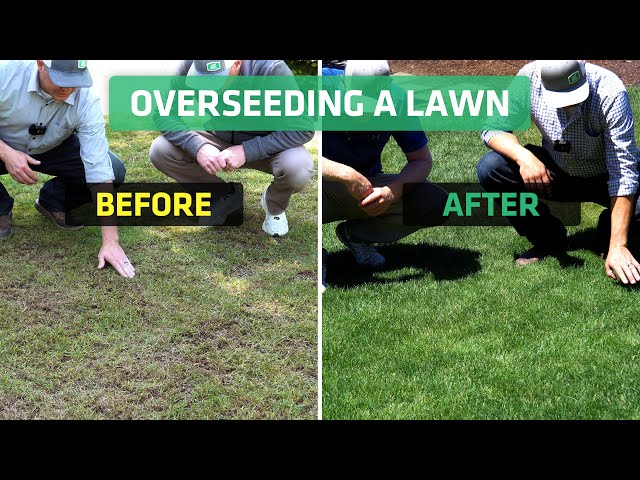
Credit: www.youtube.com
Can You Do Both At Once?
Many lawn owners wonder if they can overseed and fertilize at the same time. Overseeding means spreading grass seed over an existing lawn. Fertilizing adds nutrients to help grass grow strong.
Doing both tasks together can save time. But it is important to know if this is good for your lawn or not.
Pros Of Simultaneous Application
Applying seed and fertilizer at once can help new grass grow faster. Fertilizer gives seeds the nutrients they need to start strong. It also saves you time by doing two jobs in one.
- Speeds up grass growth
- Saves time and effort
- Improves seed germination with nutrients
- Helps lawn recover quickly
Potential Drawbacks
Using fertilizer and seed together can cause some problems. Too much fertilizer may burn new grass seeds. Some fertilizers have salts that harm seeds. Wet weather can wash fertilizer away before seeds grow.
- Risk of seed burn from strong fertilizer
- Fertilizer salts may damage seeds
- Uneven growth if nutrients wash away
- Harder to control timing of each step
Expert Recommendations
Experts suggest using a starter fertilizer made for new grass. This fertilizer is gentle on seeds. Apply it lightly with the seed for best results. Water the lawn well after spreading seed and fertilizer.
Some experts prefer to fertilize first and overseed a few weeks later. This way, the fertilizer helps the existing grass and the new seed gets a better start.
- Use starter fertilizer with low salt content
- Spread seed and fertilizer evenly
- Water lawn right after application
- Consider fertilizing before overseeding
Step-by-step Guide
Many gardeners wonder if they can overseed and fertilize at the same time. Doing both together can save time and effort. This guide shows you how to do it properly for a healthy lawn.
Follow these easy steps to prepare your lawn, choose the right fertilizer, apply seed and fertilizer, and care for your lawn after.
Preparing The Lawn
Start by mowing your lawn short to help seeds reach the soil. Remove any debris like leaves, sticks, or dead grass. This lets the new seeds grow better.
Rake the lawn gently to loosen the soil surface. This helps the seeds make good contact with the ground. Water the lawn lightly to prepare it for overseeding.
- Mow grass to about 1.5 to 2 inches
- Clear away debris and dead grass
- Rake lightly to loosen soil surface
- Water lawn lightly before seeding
Choosing The Right Fertilizer
Select a fertilizer that supports new grass growth. Look for a starter fertilizer with more phosphorus. Phosphorus helps seeds develop strong roots faster.
Check the fertilizer label for numbers like 10-20-10 or 12-24-12. These show nitrogen, phosphorus, and potassium amounts. The middle number should be higher for overseeding.
- Use starter fertilizer with higher phosphorus
- Check label numbers for nutrient balance
- Avoid fertilizers with weed killers or herbicides
- Buy enough fertilizer to cover your lawn area
Applying Seed And Fertilizer Together
Spread the grass seed evenly across your lawn. Use a seed spreader for best results. After that, apply the starter fertilizer evenly over the same area.
Make sure not to apply too much fertilizer. Too much can burn new seeds. Follow the instructions on the fertilizer package carefully.
- Use a seed spreader for even seed distribution
- Apply starter fertilizer over the seeded area
- Follow fertilizer package instructions
- Avoid over-fertilizing to protect new seeds
Post-application Care
Water the lawn gently but deeply after seeding and fertilizing. Keep the soil moist to help seeds sprout. Water daily until grass grows well.
Avoid heavy foot traffic on the lawn. Once grass reaches about 3 inches, mow it carefully. Continue watering and avoid using strong fertilizers too soon.
- Water lawn lightly but regularly to keep soil moist
- Limit foot traffic on seeded areas
- Mow grass when it reaches 3 inches tall
- Wait before applying strong fertilizers again

Credit: lawnlove.com
Common Mistakes To Avoid
Overseeding and fertilizing your lawn can boost its health and appearance. But doing them wrong can lead to issues. Learn the common mistakes to avoid for a thriving lawn.
Overfertilizing
Too much fertilizer can burn grass and harm soil. It’s important to apply the right amount. Always follow the instructions on the fertilizer package.
Improper Seed Selection
Choosing the wrong seed type for your climate can lead to poor growth. Make sure to select seeds suitable for your region and lawn conditions.
- Identify your climate zone
- Research grass types that thrive locally
- Consider sun and shade in your lawn
Ignoring Soil Testing
Skipping soil testing can lead to nutrient imbalances. Soil tests provide vital information about pH levels and nutrient content. This helps in making informed decisions about fertilization.
| Soil Component | Importance |
| pH Level | Affects nutrient absorption |
| Nitrogen | Boosts growth |
| Phosphorus | Strengthens roots |
Tools And Products To Use
Overseeding and fertilizing can improve your lawn’s health. Using the right tools and products is key for success.
Learn about seed spreaders, fertilizer types, and soil amendments for effective lawn care.
Seed Spreaders
Seed spreaders distribute seeds evenly across your lawn. They save time and effort compared to manual methods.
- Handheld spreaders for small areas
- Broadcast spreaders for large lawns
- Drop spreaders for precision application
Fertilizer Types
Fertilizers provide nutrients that help grass grow. Different types suit different needs.
| Fertilizer Type | Use |
| Granular | Slow release of nutrients |
| Liquid | Quick absorption by grass |
| Organic | Environmentally friendly option |
Soil Amendments
Soil amendments improve soil quality, helping seeds and fertilizer work better. Choose the right amendment for your soil type.
Common soil amendments include:
- Compost for enhancing organic matter
- Sand for improving drainage
- Peat moss for increasing moisture retention

Credit: getlawnbright.com
Troubleshooting Problems
Overseeding and fertilizing at the same time can sometimes cause issues. Knowing how to spot and fix these problems helps keep your lawn healthy. This guide covers common troubles and their solutions.
Check your lawn carefully after overseeding and fertilizing. Early detection of problems can prevent bigger damage. Use the tips below to understand what might go wrong.
Poor Germination Issues
Poor seed germination happens if seeds do not sprout well. This can result from improper soil conditions or timing. Too much fertilizer can also harm young seeds.
- Check soil moisture; keep it evenly damp but not soaked.
- Use a starter fertilizer with low nitrogen and higher phosphorus.
- Avoid heavy fertilizer application at the time of seeding.
- Ensure good seed-to-soil contact by lightly raking the area.
- Plant seeds in the right season for your grass type.
Lawn Burn Signs
Lawn burn occurs when fertilizer damages grass blades or roots. It looks like brown or yellow patches. Overfertilizing or applying fertilizer in hot weather raises this risk.
| Symptom | Cause | Solution |
| Brown or yellow grass patches | Too much fertilizer | Water lawn deeply to dilute fertilizer |
| Grass blades curl or wilt | Fertilizer salt burn | Avoid fertilizing on hot, dry days |
| Slow growth after feeding | Root damage | Use balanced fertilizer with slow release |
Pest And Disease Control
Pests and diseases can increase if overseeding and fertilizing are not done carefully. Weak grass is more vulnerable to insects and fungal infections.
Watch for these common pests and diseases:
- Grubs that eat roots
- Chinch bugs causing yellow spots
- Fungal diseases like brown patch or dollar spot
Keep grass healthy by watering properly and mowing at the right height. Use pest treatments only if necessary.
Frequently Asked Questions
Can You Overseed And Fertilize Lawn Simultaneously?
Yes, you can overseed and fertilize at the same time. Use a starter fertilizer to promote seed growth. This combo boosts germination and root development effectively.
What Type Of Fertilizer Is Best For Overseeding?
Choose a starter fertilizer high in phosphorus. Phosphorus supports strong root growth for new grass seedlings. Avoid high nitrogen fertilizers which can burn young seeds.
When Is The Best Time To Overseed And Fertilize?
Early fall is ideal for overseeding and fertilizing. Soil is warm, air is cooler, and rainfall helps seed germination. Spring is the next best option.
How Often Should You Water After Overseeding And Fertilizing?
Water lightly and frequently, about 2-3 times daily, to keep soil moist. Reduce watering as grass establishes, then water deeply but less often.
Conclusion
Overseeding and fertilizing together can save time and effort. Choose the right fertilizer to avoid harming new grass seeds. Water your lawn gently to help seeds and fertilizer work well. Pay attention to weather and soil conditions for best results.
With proper care, your lawn will grow thick and healthy. Small steps lead to a lush, green yard you can enjoy. Try it carefully and watch your grass improve this season.

