
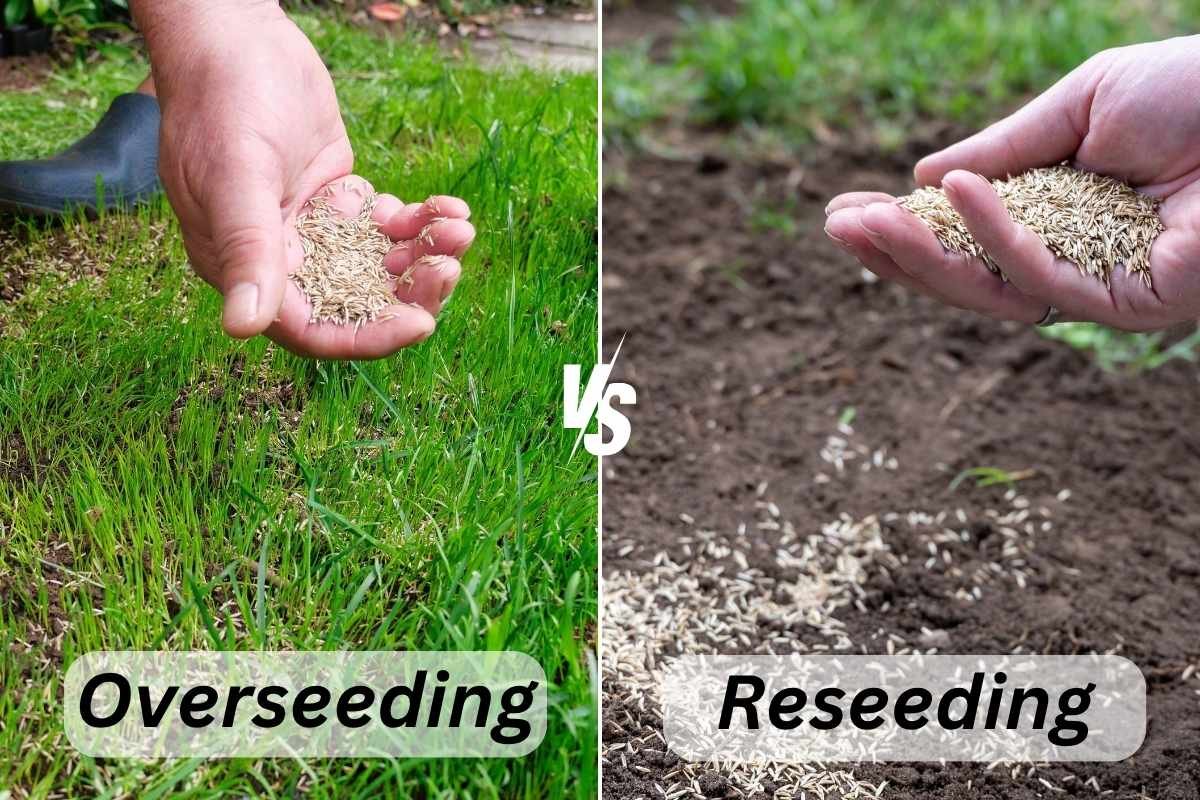
Is your lawn looking patchy or thin after dethatching? You might be wondering if overseeding is the next step to bring it back to life.
The truth is, overseeding after dethatching can make a huge difference in how your grass grows and fills in. But should you do it every time? Or only under certain conditions? Keep reading to discover the simple answers that will help you get a lush, green lawn faster and easier than you think.
Your yard deserves the best care, and understanding this key step could be the game-changer you need.
Benefits Of Dethatching
Dethatching removes the thick layer of dead grass and roots on your lawn. This layer is called thatch. It can stop water, air, and nutrients from reaching the soil.
Removing thatch helps your lawn grow healthy and strong. Dethatching can also reduce problems with pests and diseases.
Improved Air And Water Flow
Thatch blocks air and water from reaching the soil. Dethatching clears this barrier. This allows air to flow freely to grass roots.
Better air flow means roots get oxygen. Water can soak deeper into the ground. This helps grass stay hydrated and healthy.
Enhanced Nutrient Absorption
Thatch stops nutrients from reaching the soil. Dethatching removes this layer. Nutrients from fertilizers can then reach grass roots easily.
With better nutrient absorption, grass grows thicker and greener. This strengthens the lawn and helps it recover from damage.
Reduced Pest And Disease Risks
Thatch provides a home for pests and fungi. Dethatching removes their shelter. This lowers the chance of pest infestations and diseases.
A healthy lawn with less thatch is less likely to get sick. This means fewer problems and less need for chemicals.

Credit: www.jclandscapingllc.com
When To Overseed
Overseeding helps make your lawn thicker and healthier. It fills in bare spots and improves grass growth.
Knowing the right time to overseed after dethatching is important. It helps seeds grow well and strengthens your lawn.
Ideal Timing After Dethatching
Overseed soon after dethatching to give seeds a good start. The soil is loose, making it easier for seeds to settle.
Try to overseed within a few days after dethatching. This helps new grass grow before weeds or pests appear.
Seasonal Considerations
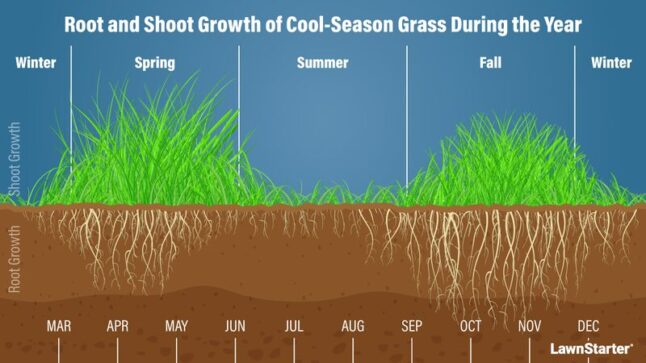
Choose the right season to overseed for the best results. Grass types and climate affect when to plant seeds.
Cool-season grasses do well in early fall or spring. Warm-season grasses grow best in late spring or early summer.
- Early fall is best for cool-season grass overseeding
- Spring works well if you miss fall overseeding
- Late spring suits warm-season grass overseeding
- Avoid overseeding in extreme heat or cold
Signs Your Lawn Needs Overseeding
Look for these signs to know when your lawn needs overseeding. Fixing these issues early helps keep your grass healthy.
- Thin or bare patches in your lawn
- Grass looks weak or faded
- More weeds growing than grass
- Soil shows through the grass
- Grass blades are smaller or sparse
Choosing The Right Grass Seed
Picking the right grass seed is key after dethatching your lawn. It helps the new grass grow strong and healthy.
Different seeds work better in different places and lawn types. Choose the seed that fits your needs best.
Seed Types For Different Climates
Grass seeds grow differently depending on the climate. Some seeds do well in cool weather, others in warm weather.
Pick seeds that match your local climate for the best lawn results.
- Cool-season grasses:Thrive in northern areas with cold winters.
- Warm-season grasses:Grow well in southern, hot regions.
- Transition-zone grasses:Can handle both warm and cool seasons.
Matching Seed To Existing Lawn
Use the same type of grass seed as your current lawn. This keeps your lawn looking even and healthy.
Mixing different seeds can cause uneven growth and color differences in your lawn.
- Identify your current grass type before overseeding.
- Buy seed labeled with the same grass species.
- Consult a lawn expert if unsure about your lawn type.
Quality And Purity Factors
Choose high-quality grass seed for better germination and growth. Pure seed means fewer weeds and other plants mixed in.
Check the seed label for purity and germination rates before buying.
- Look for seeds with at least 85% purity.
- Germination rates should be above 80% for best results.
- Check for low weed seed content on the label.
- Choose certified seed from a trusted source.

Credit: www.youtube.com
Preparing Your Lawn For Overseeding
Overseeding helps make your lawn thick and healthy. Doing it after dethatching can improve seed growth.
Preparing the lawn well before overseeding increases the chance that new grass will grow strong and fast.
Clearing Debris And Thatch
Remove dead grass, leaves, and leftover thatch after dethatching. This clears space for new seeds to touch soil.
Use a rake or leaf blower to clear the lawn surface. Clean soil helps seeds get water and nutrients.
Soil Testing And Amendment
Test your soil to find its pH and nutrient levels. Good soil supports healthy grass growth after overseeding.
Based on test results, add lime or fertilizer to fix soil problems. This prepares the ground for new seeds.
- Collect soil samples from different spots
- Send samples to a testing lab or use a home kit
- Add lime if soil is too acidic
- Apply fertilizer to supply needed nutrients
Proper Mowing Practices
Mow your lawn before overseeding to remove tall grass. Short grass helps seeds reach the soil easily.
Set your mower blade to the right height. Avoid cutting too low to keep the grass healthy during overseeding.
- Mow grass to about 2 to 3 inches tall
- Use a sharp mower blade for clean cuts
- Remove clippings to reduce thatch buildup
Overseeding Techniques
Overseeding helps fill bare spots and improves lawn thickness. It works best after dethatching to give new seeds room to grow.
Using the right techniques ensures seeds get good soil contact and enough moisture to sprout well.
Seed Spreading Methods
Spread seeds evenly to avoid patchy growth. You can spread seeds by hand or with a spreader.
Drop spreaders release seeds in a straight line. Broadcast spreaders scatter seeds in a wider pattern. Both work well but choose one that fits your lawn size.
- Hand spreading suits small areas or spots.
- Drop spreaders give precise seed placement.
- Broadcast spreaders cover large lawns quickly.
Using A Lawn Roller
A lawn roller presses seeds into the soil. This helps seeds make good contact with soil for better germination.
Roll gently to avoid compacting the soil too much. Too much pressure can stop roots from growing well.
- Use a light roller after spreading seeds.
- Roll in different directions for even coverage.
- Do not roll if soil is very wet or muddy.
Watering Strategies Post-seeding
Water new seeds lightly and often to keep soil moist. Avoid heavy watering that can wash seeds away.
Once seedlings grow, water deeper and less frequently to encourage strong roots.
- Water daily with light spray for first two weeks.
- Keep soil moist but not soggy.
- After two weeks, water 2-3 times per week deeply.
Post-overseeding Lawn Care
Taking care of your lawn after overseeding is crucial. This helps the new grass grow healthy and strong.
Follow these steps to ensure your lawn flourishes. Proper care will lead to a lush, green yard.
Watering Schedule
Water is essential for new seeds. Keep the soil moist but not soaked.
- Water lightly twice a day for the first two weeks.
- After two weeks, water every other day.
- Once the grass is established, water deeply once a week.
Fertilization Tips
Fertilizer helps grass grow strong. Use it carefully to avoid burning the new grass.
Use a slow-release fertilizer for best results. Apply it four weeks after overseeding.
Managing Foot Traffic
Limit foot traffic on the new grass. This protects the delicate seedlings.
| Action | Timeframe |
| Keep off grass | First 3 weeks |
| Light walking | Week 4 to 6 |
| Normal use | After 6 weeks |
Common Mistakes To Avoid
Overseeding your lawn after dethatching can boost grass growth. However, many make mistakes that affect results.
Avoid these common errors to ensure a healthy, lush lawn. Proper timing and care are essential.
Overseeding Too Early Or Late
Timing is key when overseeding. Planting too early or late affects seed germination.
Seeds need the right temperature to grow. Check local weather patterns for the best time.
- Spring and fall are usually ideal seasons
- Monitor soil temperature for best results
- Avoid extremely hot or cold periods
Ignoring Soil Health
Healthy soil is vital for new grass growth. Many overlook soil quality before overseeding.
Test the soil for nutrients and pH level. This helps in choosing the right seed and fertilizers.
- Use soil testing kits for accurate results
- Add compost to improve soil structure
- Ensure proper drainage to prevent waterlogging
Skipping Watering Or Fertilizing
New seeds need water and nutrients to thrive. Skipping these steps leads to poor growth.
Water the lawn regularly, especially in dry conditions. Use the right fertilizer to boost seed development.
- Water early in the morning for best absorption
- Choose a balanced fertilizer for new grass
- Avoid overwatering to prevent fungal growth
Credit: www.lawnstarter.com
Frequently Asked Questions
Should I Overseed Immediately After Dethatching?
Yes, overseeding right after dethatching helps grass seed reach soil easily. This promotes better seed germination and a thicker lawn.
How Long After Dethatching Can I Overseed?
You can overseed immediately or within a few days after dethatching. Soil exposure from dethatching allows seeds to root quickly and grow well.
Does Overseeding Improve Lawn Health After Dethatching?
Overseeding improves lawn density and fills bare spots created by dethatching. It enhances overall lawn health and resilience against weeds and pests.
What Type Of Seed Is Best After Dethatching?
Use grass seed that matches your existing lawn type for best results. Choose high-quality, disease-resistant seed to ensure strong growth and lawn uniformity.
Conclusion
Dethatching clears old grass and debris from your lawn. Overseeding after this helps fill bare spots and grow new grass. It improves lawn thickness and makes it healthier. Timing matters—seed soon after dethatching for best results. Water the lawn gently but often to help seeds sprout.
Avoid heavy foot traffic during this time. Healthy grass fights weeds and stays green longer. Taking these steps leads to a lush, strong lawn. Simple care can make a big difference in your yard. Try overseeding after dethatching to see the change.

