
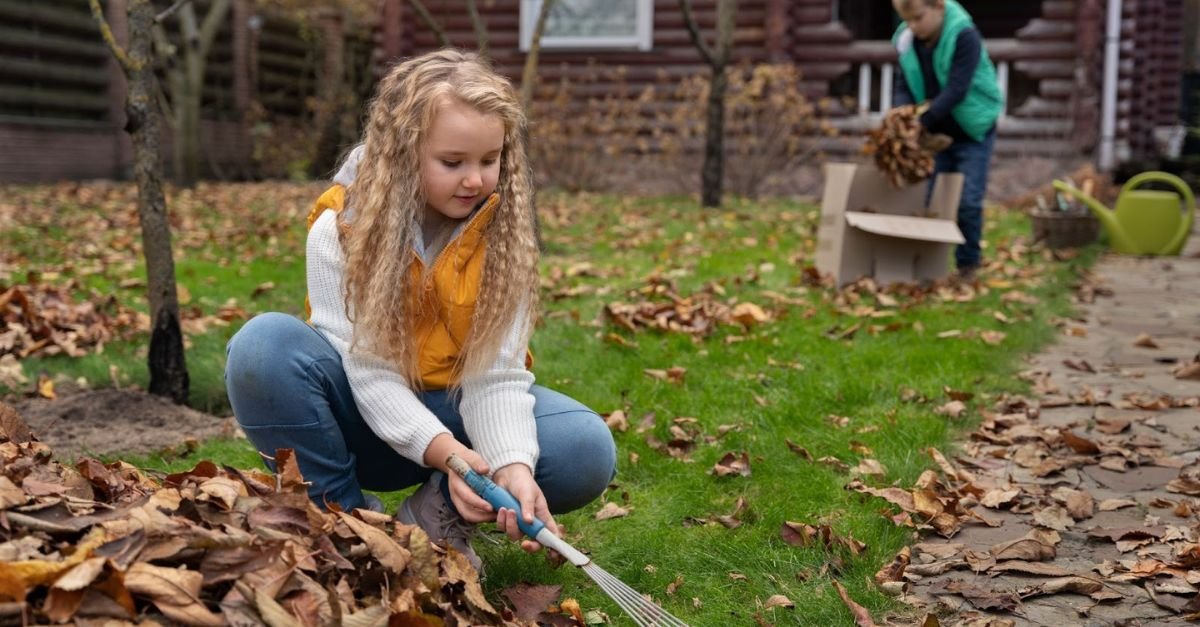
Are you tired of raking endless piles of leaves every fall? What if you could turn those messy leaves into something useful instead of just trash?
Mulching leaves with a leaf vacuum is a smart, simple way to save time and make your yard healthier. In this guide, you’ll discover exactly how to mulch leaves step by step using a leaf vacuum. By the end, you’ll have a cleaner yard and rich mulch ready to nourish your garden.
Ready to make your leaf cleanup easier and more effective? Let’s dive in!

Credit: semihomesteadlife.com
Choosing The Right Leaf Vacuum
Mulching leaves with a leaf vacuum makes yard work easier. Picking the right leaf vacuum helps you work faster and cleaner.
Leaf vacuums come in different types and sizes. Knowing what to look for can save time and effort.
Types Of Leaf Vacuums
There are three main types of leaf vacuums. Each type fits different yard needs and sizes.
- Electric leaf vacuums – Best for small yards and light leaves
- Gas-powered leaf vacuums – Good for large yards with heavy leaves
- Backpack leaf vacuums – Easy to carry and useful for uneven areas
Key Features To Consider
Look for leaf vacuums with features that make mulching easier and safer.
- Power – Strong motors work faster and handle thick leaves
- Capacity – Larger bags hold more leaves and need less emptying
- Weight – Lighter vacuums reduce fatigue during use
- Mulching ratio – Better mulching means smaller leaf pieces
- Noise level – Quieter machines cause less disturbance
Safety Tips
Using a leaf vacuum safely protects you from injury. Follow these tips every time you mulch leaves.
- Wear eye protection to guard against flying debris
- Use ear protection if the vacuum is loud
- Keep hands and feet away from the vacuum intake
- Do not vacuum wet leaves to avoid clogging
- Turn off the machine before emptying the bag
Preparing Your Yard For Mulching
Mulching leaves with a leaf vacuum helps keep your yard neat. It also turns leaves into useful mulch for your garden.
Before mulching, you need to prepare your yard well. This makes the process easier and more effective.
Clearing Debris
Remove large sticks, stones, and trash from your yard. These items can damage your leaf vacuum or clog it.
Clear spaces where you plan to mulch leaves. This helps the vacuum work smoothly and prevents blockages.
- Pick up sticks and branches
- Remove rocks and hard objects
- Discard trash and plastic pieces
- Check areas under trees and bushes
Checking Leaf Conditions
Look at the leaves before mulching. Dry leaves mulch better than wet or frozen ones.
Remove leaves that are too wet or have mold. Wet leaves can clog the vacuum and slow down mulching.
- Check if leaves are dry
- Separate wet or rotting leaves
- Remove leaves with mold or fungus
- Gather leaves in piles for easier vacuuming
Timing The Mulching
Choose a dry day for mulching leaves. Avoid mulching after rain or early morning dew.
Mulch leaves regularly during the fall. This keeps your yard clean and prevents leaf buildup.
- Pick a sunny, dry day
- Mulch leaves soon after they fall
- Repeat mulching every 1-2 weeks
- Stop before the first heavy snow
Setting Up The Leaf Vacuum
Setting up your leaf vacuum correctly helps you mulch leaves safely and efficiently. Follow these simple steps to get started.
This guide covers assembly, adjusting settings, and attaching the mulching bag for best results.
Assembly Steps
Begin by unpacking all parts carefully. Check the instructions to make sure you have everything.
- Attach the handle to the main body using screws.
- Connect the vacuum tube securely to the intake port.
- Install the impeller or blade inside the vacuum chamber if needed.
- Fix the power cord or fuel tank according to the model.
- Make sure all parts fit tightly to prevent air leaks.
Adjusting Settings
Most leaf vacuums have adjustable settings. Set the suction power and speed for different leaf types.
- Choose low speed for dry, light leaves.
- Select high speed for wet or heavy leaves.
- Adjust the vacuum height to avoid picking up dirt.
- Use the throttle or control switch to fine-tune power.
Attaching The Mulching Bag
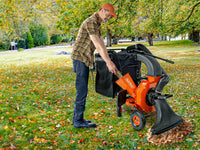
The mulching bag collects shredded leaves. Attach it firmly to avoid leaks and spills.
- Locate the bag attachment point on the vacuum.
- Slide the bag opening over the connector.
- Secure the bag with clips, straps, or zippers.
- Check for a tight fit so leaves do not escape.
- Empty the bag often to keep vacuum working well.
Credit: superhandyus.com
Step-by-step Mulching Process
Mulching leaves with a leaf vacuum makes yard cleanup easier. It also creates useful mulch for your garden.
This guide shows you how to mulch leaves using a leaf vacuum safely and effectively.
Starting The Vacuum
Before you start, check that the vacuum is clean and the bag is attached. Make sure the engine has fuel or the battery is charged.
Put on safety gear like gloves and eye protection. Start the vacuum in an open space to avoid breathing in dust.
Collecting Leaves Efficiently
- Begin at one corner of your yard.
- Move the vacuum slowly over the leaves.
- Keep the nozzle close to the ground for better suction.
- Empty the collection bag when it is half full to avoid clogging.
- Work in rows to cover the whole area systematically.
Operating Techniques For Best Results
| Technique | Benefit |
| Use low speed for wet leaves | Prevents clogging |
| Adjust nozzle height | Improves leaf pickup |
| Empty bag often | Keeps vacuum running smoothly |
| Wear ear protection | Protects hearing |
Following these tips helps you mulch leaves cleanly and quickly.
Maintaining Your Leaf Vacuum
Proper maintenance of your leaf vacuum ensures it works effectively. Regular care will extend its life.
Follow these steps to keep your leaf vacuum in top shape. It will save you time and effort in the long run.
Cleaning After Use
Cleaning your leaf vacuum after each use is essential. It prevents clogs and maintains efficiency.
- Empty the bag or container after each use.
- Wipe the exterior with a damp cloth.
- Check and clean the filter regularly.
Replacing Parts
Parts may wear out over time. Replacing them keeps your vacuum running smoothly.
Consider these common parts for replacement:
- Suction hose
- Collection bag
- Blades
Storage Tips
Proper storage is crucial when your leaf vacuum is not in use. It prevents damage and keeps it ready for the next season.
| Storage Tip | Benefit |
| Store in a dry place | Prevents rust |
| Keep off the ground | Avoids moisture |
| Cover with a sheet | Protects from dust |

Credit: semihomesteadlife.com
Using Mulched Leaves In Your Garden
Mulching leaves with a leaf vacuum can enrich your garden. This method recycles nutrients back into the soil.
Learning how to use mulched leaves improves your garden’s health. It’s both eco-friendly and cost-effective.
Benefits Of Leaf Mulch
Leaf mulch provides numerous benefits for garden soil. It acts as a natural fertilizer.
- Retains soil moisture
- Suppresses weed growth
- Improves soil fertility
- Reduces erosion
Applying Mulch Properly
Proper application of mulch is essential for plant health. It should be spread evenly across the soil surface.
Ensure mulch does not touch plant stems. This prevents rot and disease.
| Plant Type | Recommended Mulch Depth |
| Vegetables | 1-2 inches |
| Flowers | 2-3 inches |
| Shrubs | 3-4 inches |
Composting Mulched Leaves
Composting mulched leaves turns waste into valuable compost. This process enhances soil structure.
Layer mulched leaves with other compost materials. Keep the pile moist but not wet.
Troubleshooting Common Issues
Using a leaf vacuum to mulch leaves can save time and effort. Sometimes, problems like clogs, jams, or uneven mulching occur. Fixing these issues helps the machine work better.
Below are common problems and easy solutions. Follow these tips to keep your leaf vacuum running smoothly.
Vacuum Clogs
Vacuum clogs happen when leaves or debris block the vacuum tube. This stops the flow and reduces suction power.
- Turn off the machine before checking for clogs.
- Remove any stuck leaves or debris from the vacuum tube.
- Use a stick or broom handle to gently push out blockages.
- Check for wet leaves, as they can stick and cause clogs more easily.
- Clean the vacuum tube regularly to avoid build-up.
Mulcher Jams
Mulcher jams occur when twigs, large leaves, or foreign objects get stuck in the mulcher blades. This can stop the blades from turning.
| Cause | Solution |
| Twigs or sticks | Remove debris and clear blades |
| Wet or heavy leaves | Let leaves dry before mulching |
| Hard objects like rocks | Check lawn area before vacuuming |
| Dull blades | Sharpen or replace blades |
Uneven Mulching
Uneven mulching means some leaves are shredded well, but others are not. This can reduce mulch quality and machine efficiency.
Try these tips for better mulching:
- Make sure leaves are dry and not clumped together.
- Adjust the vacuum speed to match leaf thickness.
- Empty the collection bag often to avoid overfilling.
- Inspect and clean the mulcher blades regularly.
- Check the vacuum nozzle for any damage or warping.
Frequently Asked Questions
How Do I Mulch Leaves With A Leaf Vacuum?
To mulch leaves, first attach the vacuum’s mulch bag. Vacuum dry leaves slowly, allowing the shredder to break them down. Empty the bag when full. This process reduces leaf volume and creates nutrient-rich mulch for your garden.
Can All Leaf Vacuums Mulch Leaves Effectively?
Most leaf vacuums can mulch leaves if equipped with a shredder. Check if your model includes a mulching feature. Models without shredders only collect leaves without reducing their volume. Always verify product specifications before purchasing for mulching purposes.
What Safety Tips Should I Follow Using Leaf Vacuums?
Wear eye protection and gloves to prevent injury. Avoid vacuuming wet leaves to prevent clogging. Keep children and pets away while operating the vacuum. Always read the manufacturer’s safety guidelines before use to ensure safe operation.
When Is The Best Time To Mulch Leaves With A Vacuum?
The best time is when leaves are dry and crisp. Dry leaves mulch easily without clogging the vacuum. Avoid wet or damp leaves as they can clog the shredder and reduce efficiency.
Conclusion
Mulching leaves with a leaf vacuum is simple and effective. Follow each step to keep your yard clean and healthy. Mulched leaves add nutrients back to your soil. Save time and effort by using the right tools. Regular mulching helps your garden grow better.
Try this method to enjoy a tidy yard all season. Start today and see the difference in your lawn’s health.

