
Have you ever wondered how to keep your shrubs healthy and full of life year after year? Coppicing shrubs might be the secret you’re missing.
This simple, natural technique can transform your garden by encouraging new growth, boosting plant health, and even saving you time on maintenance. If you want to learn how to make your shrubs thrive and bring fresh energy to your outdoor space, keep reading.
You’re about to discover everything you need to know about coppicing shrubs and how it can work wonders for your garden.

Credit: haltonmastergardeners.com
Basics Of Coppicing
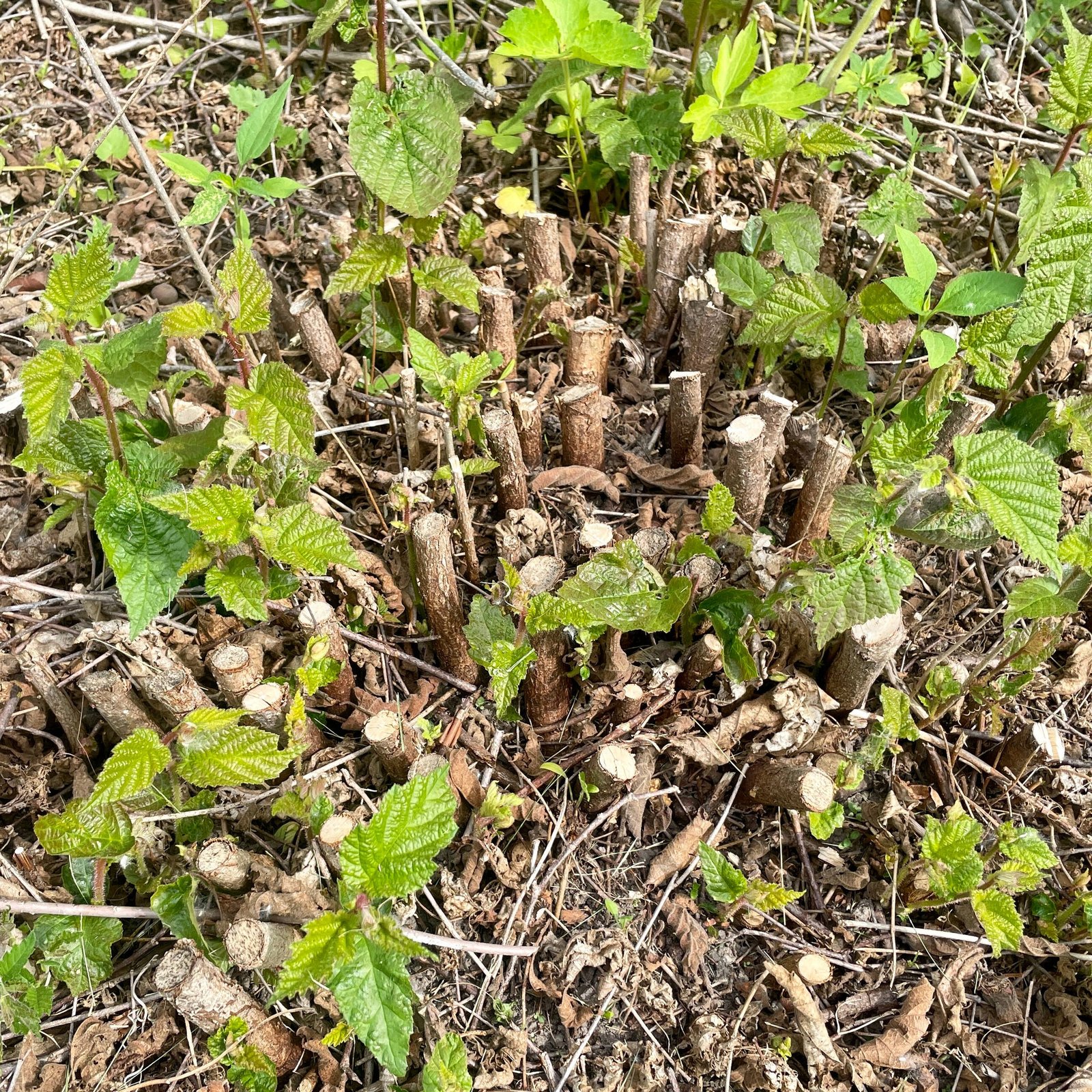
Coppicing is a way to grow shrubs by cutting them back to the base. This method helps plants regrow new shoots from their roots. People use coppicing to get wood, keep plants healthy, and support wildlife.
This technique has been used for many years in forests and gardens. It helps plants live longer and produce more wood without dying.
What Coppicing Means
Coppicing means cutting a shrub or tree near the ground. After cutting, the plant grows new stems from the stump or roots. This cycle can repeat many times.
It is different from pruning because coppicing cuts the plant very low, while pruning cuts higher branches.
History And Origins
Coppicing started thousands of years ago. Early people used it to get wood for fires, tools, and building. It was a common practice in European forests.
Over time, coppicing helped forests stay healthy and diverse. Many animals and plants depend on coppiced areas to live.
- Used since ancient times
- Provided wood for daily needs
- Supported wildlife habitats
- Helped forests regrow naturally
Plants Suitable For Coppicing
Not all plants grow well with coppicing. Some shrubs and trees respond better to cutting at the base.
| Plant | Common Use | Growth Pattern |
| Hazel | Wood for baskets | Fast regrowth |
| Willow | Fencing and crafts | Strong shoots |
| Sweet Chestnut | Timber and poles | Long-lived stools |
| Blackthorn | Hedges and barriers | Thorny growth |
| Ash | Tool handles | Good regrowth |
Benefits For Your Garden
Coppicing shrubs means cutting them back to their base. This helps the plant grow new shoots. It is an old way to care for shrubs in gardens.
Coppicing keeps shrubs healthy and strong. It also makes your garden look better. Wildlife can find homes in coppiced shrubs too.
Promoting Healthy Growth
Coppicing helps shrubs grow fresh and strong branches. It removes old wood that can slow growth. New shoots get more sunlight and air.
This care method stops shrubs from becoming too tall or weak. It helps plants live longer and stay healthy in your garden.
Enhancing Garden Aesthetics
Coppicing keeps shrubs neat and tidy. It shapes plants into nice forms. Your garden looks well cared for and inviting.
- Prevents overgrown branches
- Creates balanced shrub shapes
- Encourages bright new leaves
- Makes garden paths more open
Encouraging Wildlife Habitat
Coppiced shrubs offer safe places for birds and insects. New growth provides food and shelter. This helps local wildlife thrive in your garden.
Wildlife benefits include more nests and more insects for food. This makes your garden a lively and natural space.
When To Coppice Shrubs
Coppicing shrubs helps keep them healthy and encourages new growth. Knowing the right time to coppice is important for the best results.
This guide explains the best seasons for coppicing and how to tell when your shrubs need it.
Best Seasons For Coppicing
The best time to coppice depends on the shrub type and local climate. Most shrubs respond well to coppicing during their dormant period.
- Late winter or early spring is ideal before new growth begins.
- Some shrubs can be coppiced in late autumn after leaves fall.
- Avoid coppicing during the growing season to prevent stress.
- Check local advice for specific shrub types.
Signs Your Shrubs Need Coppicing
Look for these signs to know when your shrubs require coppicing to stay healthy and look good.
| Sign | Description |
| Overgrown branches | Branches are too long or tangled |
| Dead or diseased wood | Visible dead parts or disease spots |
| Few new shoots | Shrub shows little new growth |
| Dense old growth | Center of shrub is thick and shaded |

Credit: www.stephcooke.com.au
Step-by-step Coppicing Process
Coppicing is a way to cut shrubs so they grow back strong. It helps keep plants healthy and full.
This guide explains the tools and steps for coppicing shrubs safely and well.
Tools Required
Use sharp, clean tools to make smooth cuts. This helps the shrub heal faster.
- Hand pruning shears for small branches
- Loppers for thicker stems
- Pruning saw for large branches
- Gloves to protect your hands
- Safety glasses for eye protection
Preparing The Shrubs
Check the shrubs before cutting. Remove any dead or damaged branches first.
Clear the area around the shrub. This gives you space to work safely.
- Look for signs of disease or pests
- Remove weeds and debris near the base
- Mark the shrubs you want to coppice
Cutting Techniques
Cut the shrub stems close to the ground. Leave about 5 to 10 centimeters above soil.
Make clean, angled cuts to help water run off. Avoid crushing the stems.
- Cut all stems evenly for balanced regrowth
- Use saws for thick branches, shears for thin ones
- Do not cut too low to avoid root damage
Aftercare And Maintenance
Water the shrubs after coppicing to reduce stress. Mulch helps keep moisture around roots.
Watch new shoots grow. Remove weak or damaged growth to help strong stems.
- Water regularly during dry periods
- Apply mulch to prevent weeds and keep soil moist
- Inspect for pests or disease often
- Prune new shoots if needed for shape
Common Mistakes To Avoid
Coppicing shrubs is a helpful way to keep plants healthy and growing well. It means cutting shrubs back to the base to encourage new growth.
Some people make mistakes when coppicing, which can harm the shrubs. Avoid these common errors to keep your plants strong.
Over-coppicing
Cutting shrubs too often or too hard can weaken them. Over-coppicing stops the plant from storing enough energy.
Give shrubs time to grow back before cutting again. Over-coppicing can lead to poor growth or even death.
Ignoring Plant Health
Do not coppice shrubs that are already weak or sick. Cutting stressed plants can make their condition worse.
Check the shrub’s health before you coppice. Avoid cutting during very dry or very cold times.
Poor Tool Use
Using dull or dirty tools can harm shrubs. Bad cuts make it harder for the plant to heal.
Always use sharp, clean tools. This helps the shrub recover quickly and stay healthy.

Credit: www.habitataid.co.uk
Coppicing For Different Shrubs
Coppicing is a method used to manage shrubs by cutting them back to ground level. This helps promote new growth and maintain their size and shape.
Different shrubs respond well to coppicing, depending on their type. This guide will help you understand how to coppice various kinds of shrubs effectively.
Deciduous Shrubs
Deciduous shrubs lose their leaves in winter. Coppicing them encourages vigorous growth in spring.
- Best done in late winter or early spring
- Ensures strong regrowth
- Improves flowering and fruiting
Evergreen Shrubs
Evergreen shrubs maintain their leaves year-round. Coppicing helps manage their size and encourages new growth.
| Shrub Type | Coppicing Time |
| Holly | Late winter |
| Boxwood | Early spring |
| Juniper | Early spring |
Flowering Shrubs
Flowering shrubs benefit from coppicing for better blooms. This process can enhance their flowering potential.
Long-term Garden Impact
Coppicing shrubs can reshape your garden’s future. This method involves cutting shrubs to ground level. It encourages new growth, leading to healthier plants.
By managing shrubs this way, you enhance their longevity. It also supports a vibrant garden ecosystem over time.
Sustainable Growth Cycles
Coppicing creates a sustainable growth pattern. Plants regrow faster and stronger. This process mimics natural growth cycles found in the wild.
- Encourages new shoots annually
- Increases sunlight reach to lower plants
- Reduces plant disease by removing old wood
Soil And Ecosystem Benefits
Coppicing benefits the soil and wider ecosystem. It promotes nutrient recycling and enhances soil health. Diverse plant life thrives under this practice.
| Benefit | Description |
| Nutrient Recycling | Decomposing leaves enrich soil |
| Improved Soil Aeration | New roots loosen compacted soil |
| Biodiversity | Supports varied plant and animal life |
Frequently Asked Questions
What Is Coppicing In Shrubs?
Coppicing is a traditional pruning method where shrubs are cut back to stimulate new growth. It promotes healthy, dense, and sustainable shrub development over time.
Why Is Coppicing Shrubs Important?
Coppicing helps maintain shrub health by encouraging fresh shoots. It also improves air circulation, light penetration, and extends the plant’s lifespan.
How Often Should Shrubs Be Coppiced?
Most shrubs benefit from coppicing every 3 to 5 years. The frequency depends on the shrub species and desired growth density.
Which Shrubs Respond Best To Coppicing?
Willows, hazel, and dogwood respond well to coppicing. These shrubs produce vigorous new growth after being cut back.
Conclusion
Coppicing shrubs helps plants grow strong and healthy again. Cutting old branches allows new shoots to appear quickly. This method saves plants from getting too tall or weak. It also helps keep gardens neat and full of life. People use coppicing to manage shrubs in forests and yards.
It supports nature by giving habitats for animals. Try coppicing to enjoy fresh growth and a tidy space. Simple care can bring big changes to your plants. Give it a try and watch your shrubs thrive.

