
Are you tired of your lawn looking dull and patchy? Thatch buildup might be the hidden culprit stealing your grass’s health and beauty.
But don’t worry—picking up thatch doesn’t have to be a tough, back-breaking chore. With a lawn sweeper, you can quickly and easily remove thatch, giving your lawn the fresh start it needs. You’ll discover simple, effective steps to use a lawn sweeper to clear thatch and keep your grass thriving all year round.
Ready to transform your lawn? Let’s dive in!

Credit: brinly.com
Why Remove Thatch
Thatch is a layer of dead grass, roots, and debris on your lawn. It can build up over time and cause problems for your grass.
Using a lawn sweeper to pick up thatch helps keep your lawn healthy and green. Removing thatch lets your grass grow better.
Impact On Lawn Health
Thatch blocks water, air, and nutrients from reaching the soil. This stops grass roots from growing deep and strong.
Too much thatch creates a perfect place for pests and diseases. It also makes your lawn look uneven and unhealthy.
- Prevents water absorption
- Blocks air flow to roots
- Stops nutrients from reaching soil
- Harbors pests and diseases
- Causes uneven lawn surface
Benefits Of Thatch Removal
Removing thatch helps your lawn get air, water, and nutrients easily. This leads to stronger and healthier grass.
Using a lawn sweeper to clear thatch also reduces pests and disease risks. It keeps your lawn smooth and nice to look at.
- Improves water and nutrient flow
- Encourages deep root growth
- Reduces pests and diseases
- Makes lawn look even and healthy
- Helps grass recover from damage

Credit: brinly.com
Choosing The Right Lawn Sweeper
Picking up thatch from your lawn keeps it healthy. A lawn sweeper makes this task easier and faster.
Choosing the right lawn sweeper depends on your lawn size and needs. Knowing the types and features helps.
Types Of Lawn Sweepers
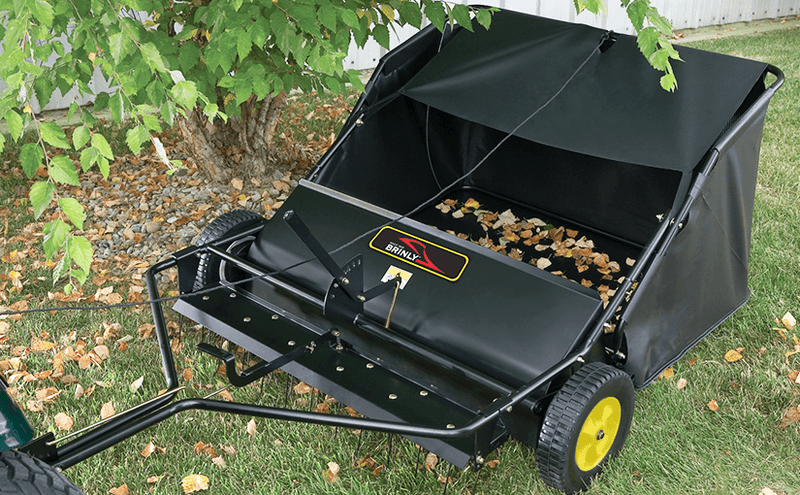
There are different lawn sweepers for various jobs. You can find push, tow-behind, and powered types.
Push sweepers work well for small lawns. Tow-behind sweepers attach to a mower for bigger areas. Powered sweepers have motors for easier use.
- Push Lawn Sweepers:Manually pushed, best for small yards.
- Tow-Behind Lawn Sweepers:Attach to riding mowers, good for large lawns.
- Powered Lawn Sweepers:Motor-driven, reduce physical effort.
Key Features To Consider
Look for features that fit your lawn size and how much thatch you have. This helps pick the best sweeper.
Important features include hopper size, brush type, and adjustability. These affect how well the sweeper cleans your lawn.
- Hopper Size:Larger hoppers hold more debris, reducing stops.
- Brush Type:Stiffer brushes work well on thick thatch.
- Adjustable Height:Lets you clean different lawn types effectively.
- Durability:Strong materials last longer under regular use.
- Easy Maneuvering:Lightweight or wheels help move the sweeper smoothly.
Preparing Your Lawn
Picking up thatch with a lawn sweeper works best on a clean, well-prepared lawn. Preparing your lawn helps the sweeper collect more debris and thatch easily.
Start by making sure the grass is the right length and that the lawn is free from large objects. These steps will protect your equipment and improve results.
Mowing Before Sweeping
Mowing your lawn before using the sweeper helps loosen thatch and makes it easier to collect. Keep the grass at a medium height to avoid clogging the sweeper.
- Cut the grass to about 2 to 3 inches high.
- Use a sharp mower blade for a clean cut.
- Remove the grass clippings after mowing.
- Wait for the lawn to dry if it is wet.
Clearing Debris
Clear your lawn of sticks, stones, and leaves before sweeping. These can block the sweeper or damage it.
| Debris Type | Why Remove | How to Remove |
|---|---|---|
| Sticks | Can jam the sweeper brushes | Pick up by hand or use a rake |
| Stones | May damage the sweeper parts | Collect by hand or with a leaf blower |
| Leaves | Can clog the sweeper basket | Rake or blow leaves into piles |
Using The Lawn Sweeper Effectively
Picking up thatch with a lawn sweeper keeps your lawn healthy. Thatch is a layer of dead grass and roots that can block water.
Using the sweeper right helps remove thatch without damaging the grass. It makes your lawn look neat and grow better.
Adjusting Sweeper Settings
Set the sweeper brushes to the right height. Too low can hurt the grass. Too high and it will miss the thatch.
Adjust the hopper or bag to hold enough debris. Empty it before it gets full to keep sweeping well.
- Start with brushes about 1 inch above the grass
- Raise brushes if the lawn is uneven
- Check and empty the hopper often
Sweeping Techniques
Push or pull the sweeper slowly to let brushes pick up the thatch. Quick passes miss debris.
Overlap your rows to make sure you cover all the lawn. Sweeping twice in different directions helps too.
- Move at a steady, slow pace
- Overlap each pass by a few inches
- Sweep in two directions if needed
Ideal Conditions For Sweeping
Sweep when the lawn is dry. Wet grass makes thatch sticky and hard to pick up.
Choose a calm day without strong wind. Wind can blow the thatch around and make cleaning harder.
- Pick a dry day after no rain
- Work when grass is dry, not wet
- A calm day helps keep debris in place
Post-sweeping Lawn Care
After using a lawn sweeper to pick up thatch, your lawn needs special care. This helps the grass stay healthy and grow strong.
Proper care after sweeping removes dead grass and debris, making your lawn look neat. Follow these tips to keep your lawn in top shape.
Disposing Of Thatch Properly
Thatch can harm your lawn if left to pile up. Dispose of it to prevent disease and pests. Composting is a good way to recycle thatch.
- Collect the thatch in bags or containers.
- Use a compost bin to break down the thatch naturally.
- Avoid burning thatch as it can damage the environment.
- Dispose of large amounts at a local green waste facility.
Lawn Maintenance Tips
Keep your lawn healthy after thatch removal by following these simple steps. Regular care helps grass recover faster.
| Task | When to Do It | Why It Helps |
| Watering | Right after sweeping | Helps grass roots absorb nutrients |
| Fertilizing | 1-2 weeks after sweeping | Promotes new grass growth |
| Mowing | When grass reaches 3 inches | Maintains lawn shape and health |
| Aerating | Once a year | Improves soil air and water flow |
Credit: www.familyhandyman.com
Common Mistakes To Avoid
Using a lawn sweeper to pick up thatch can save time. Still, many make mistakes that reduce efficiency.
Learn about these common errors so you can avoid them. This ensures your lawn looks its best.
Not Adjusting The Sweeper Height
Setting the sweeper at the wrong height can be a big mistake. If it’s too high, it misses thatch. If it’s too low, it may damage your grass.
- Set the sweeper height to just above the grass
- Test on a small patch before sweeping the entire lawn
Ignoring Lawn Conditions
It’s not wise to sweep your lawn when it’s wet or muddy. Wet conditions make the thatch stick, making it hard to collect.
Wait for a dry day to ensure the sweeper works well.
Overfilling The Sweeper Bag
Some people try to save time by overfilling the bag. This makes the sweeper less effective and harder to push.
- Empty the bag regularly for better performance
- Check the bag often to avoid overfilling
Ignoring Maintenance
Skipping maintenance is a mistake. A poorly maintained sweeper won’t pick up thatch well.
Clean the sweeper after each use. Check for worn parts regularly.
Sweeping Too Fast
Moving too quickly can cause you to miss thatch. The sweeper needs time to collect properly.
Walk at a steady pace for the best results.
Additional Tools For Thatch Removal
Thatch can build up in your lawn, making it unhealthy. Using a lawn sweeper is one way to remove it. But other tools can help too.
Different tools work better in certain situations. Knowing which to use can make your lawn care routine easier.
Rakes And Dethatchers
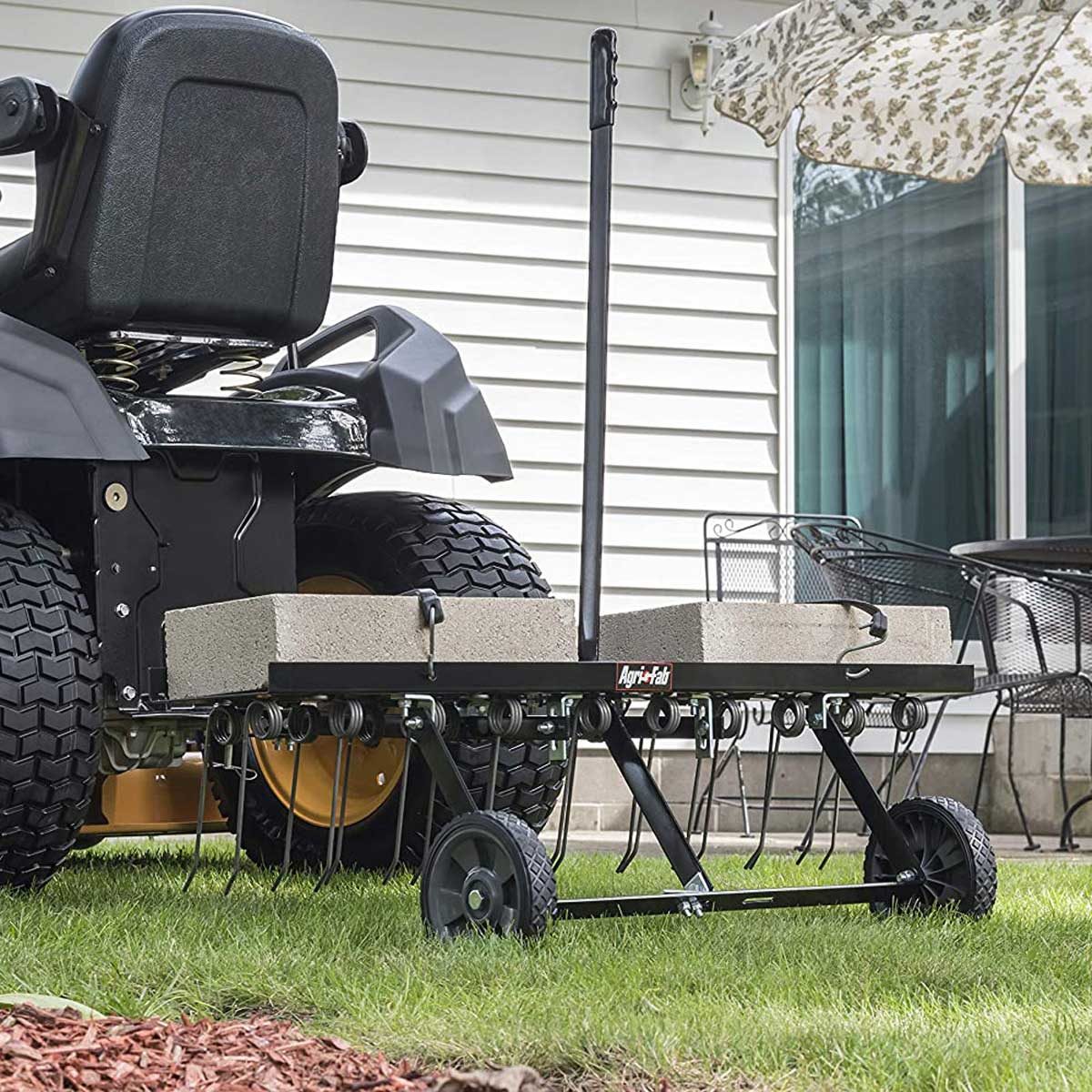
Rakes and dethatchers are common tools for removing thatch. They are easy to use and often effective.
- Rakes are good for small areas.
- Dethatchers can cover larger spaces quickly.
- Both are manual tools, requiring physical effort.
When To Use Alternatives
Sometimes, using a lawn sweeper or other tools is not enough. In these cases, alternatives may be needed.
| Tool | Best Use |
| Power Rake | Large lawns with heavy thatch |
| Scarifier | For deep thatch and soil aeration |
| Lawn Aerator | Improves grass health by soil penetration |
Frequently Asked Questions
What Is The Best Time To Use A Lawn Sweeper For Thatch?
The best time is during dry weather in spring or fall. This helps loosen thatch effectively. Avoid wet conditions as they clog the sweeper.
How Do I Adjust A Lawn Sweeper For Picking Up Thatch?
Adjust the brushes to lightly touch the grass surface. This setting lifts thatch without damaging grass or soil. Test and tweak as needed for optimal results.
Can A Lawn Sweeper Remove Thick Thatch Layers?
Lawn sweepers work well on thin to moderate thatch. For thick layers, dethatching rakes or machines may be necessary before sweeping.
How Often Should I Use A Lawn Sweeper To Remove Thatch?
Use it once or twice a year during peak thatch buildup. Regular removal promotes healthy grass growth and prevents lawn diseases.
Conclusion
Picking up thatch with a lawn sweeper keeps your grass healthy. Regular use stops dead grass from building up. It helps air and water reach the roots. Push the sweeper at a steady pace for best results. Empty the collection bag often to avoid clogging.
This simple step makes your lawn look neat and green. Try it in early spring or fall for best effect. A clean lawn means stronger grass and fewer weeds. Give your lawn the care it needs with a lawn sweeper.

