
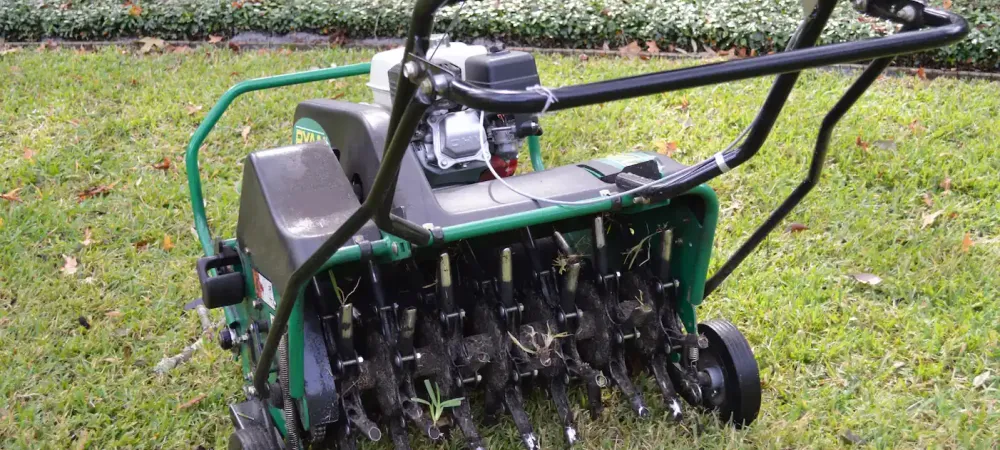
Are you tired of seeing your lawn look tired? You might have heard about aerating your lawn but wonder if it’s really worth the effort.
Aerating can transform your grass, making it greener and healthier, but it’s not without its downsides. You’ll discover the pros and cons of aerating your lawn, so you can decide if it’s the right step for your yard. Keep reading to find out how this simple lawn care trick could change your outdoor space—and what to watch out for before you start.

Credit: www.angi.com
Benefits Of Lawn Aeration
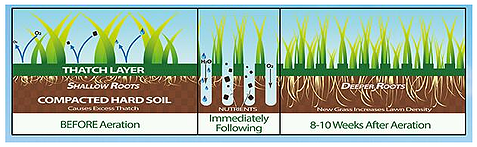
Lawn aeration helps keep your grass healthy and green. It involves making small holes in the soil.
This process improves the soil and allows your lawn to grow better. Here are some key benefits of lawn aeration.
Improved Soil Oxygen Levels
Aeration creates holes that let air reach the soil. This increases the oxygen available to grass roots.
More oxygen helps roots grow stronger and stay healthy. It also supports beneficial soil organisms.
Enhanced Nutrient Absorption
Holes in the soil allow nutrients to reach the roots easier. This means grass can get more food.
Better nutrient absorption helps grass grow thick and green throughout the season.
Better Water Penetration
Aeration helps water soak deep into the soil. This reduces water runoff and puddles on your lawn.
Deep water reaches roots faster and keeps grass hydrated during dry times.
Reduced Soil Compaction
Soil can become hard and packed, making it hard for roots to grow. Aeration loosens the soil.
Looser soil helps roots spread out and improves the lawn’s overall health.
Stronger Grass Root Growth
Aeration encourages roots to grow deeper and stronger. This makes grass more drought resistant.
Strong roots help your lawn survive tough conditions and stay green longer.
Credit: www.holganix.com
Potential Drawbacks Of Aerating
Aerating your lawn has many benefits, but it also has some downsides. Understanding these can help you decide if aeration is right for your lawn.
Knowing the possible drawbacks will prepare you for what to expect after aeration. This way, you can avoid common mistakes and care for your lawn properly.
Temporary Lawn Disruption
Aerating creates holes in the soil, which can make the lawn look messy. This disruption is temporary but may last a few days or weeks.
During this time, walking or mowing the lawn can be difficult. The ground may feel uneven, and the grass might look less green.
Cost And Time Investment
Aerating takes time and effort, especially if you do it yourself. Renting or buying aeration tools adds to the cost.
If you hire a professional, the price can be higher. Regular aeration also means repeating the process yearly or twice a year.
Risk Of Over-aeration
Aerating too often can damage your lawn instead of helping it. Over-aeration can stress grass roots and slow growth.
It is important to aerate only when needed and follow proper guidelines. Too many holes can cause soil problems.
Not Suitable For All Grass Types
Some grass types do not respond well to aeration. For example, fine fescues and some warm-season grasses may not need it.
Check your grass type before aerating. Using the wrong method can harm your lawn’s health.
When To Aerate Your Lawn
Aerating your lawn helps grass grow better by letting air, water, and nutrients reach the roots. Knowing the right time to aerate keeps your lawn healthy and green.
This guide explains the best seasons to aerate and how to know if your lawn needs it.
Ideal Seasons For Aeration
The best time to aerate depends on your grass type and climate. Aerate when grass grows fast to help it recover quickly.
- Spring: Good for cool-season grasses like fescue and bluegrass
- Fall: Ideal for cool-season grasses because soil is soft and grass grows well
- Late spring or early summer: Best for warm-season grasses like Bermuda and zoysia
Avoid aerating during hot, dry summer months or when grass is dormant in winter.
Signs Your Lawn Needs Aeration
You can tell if your lawn needs aeration by looking for these common signs. Acting early helps keep your lawn strong.
- Water pools on the surface instead of soaking in
- Grass looks thin or patchy
- Soil feels hard and compacted when you press a screwdriver into it
- Grass roots are shallow or weak
- Lawn gets heavy foot traffic and shows wear
Types Of Lawn Aeration
Lawn aeration helps grass grow by improving soil health. It reduces soil compaction and lets water and nutrients reach roots.
There are different ways to aerate your lawn. Each method works best for certain types of soil and grass.
Core Aeration
Core aeration removes small plugs of soil from the lawn. This lets air, water, and nutrients go deeper.
- Reduces soil compaction effectively
- Improves root growth
- Best for thick or clay soils
- May leave soil plugs on the surface
Spike Aeration
Spike aeration pokes holes in the soil using solid tines or spikes. It does not remove soil plugs.
| Advantages | Disadvantages |
| Easy and quick to do | Can increase soil compaction |
| Good for sandy soils | Less effective for dense soil |
| Improves water penetration | Does not remove soil plugs |
Liquid Aeration
Liquid aeration uses a special solution to break down soil compaction. It helps roots grow without disturbing the lawn surface.
Benefits of liquid aeration include:
- Works well for lawns that cannot be disturbed
- Easy to apply with a sprayer
- Improves soil structure over time
- Needs repeated applications for best results
Diy Vs Professional Aeration
Aerating your lawn can improve its health by allowing air, water, and nutrients to reach the roots. You can choose to do it yourself or hire professionals.
Each option has its own set of advantages and disadvantages. Let’s explore the tools, benefits, and costs involved.
Tools For Diy Aeration
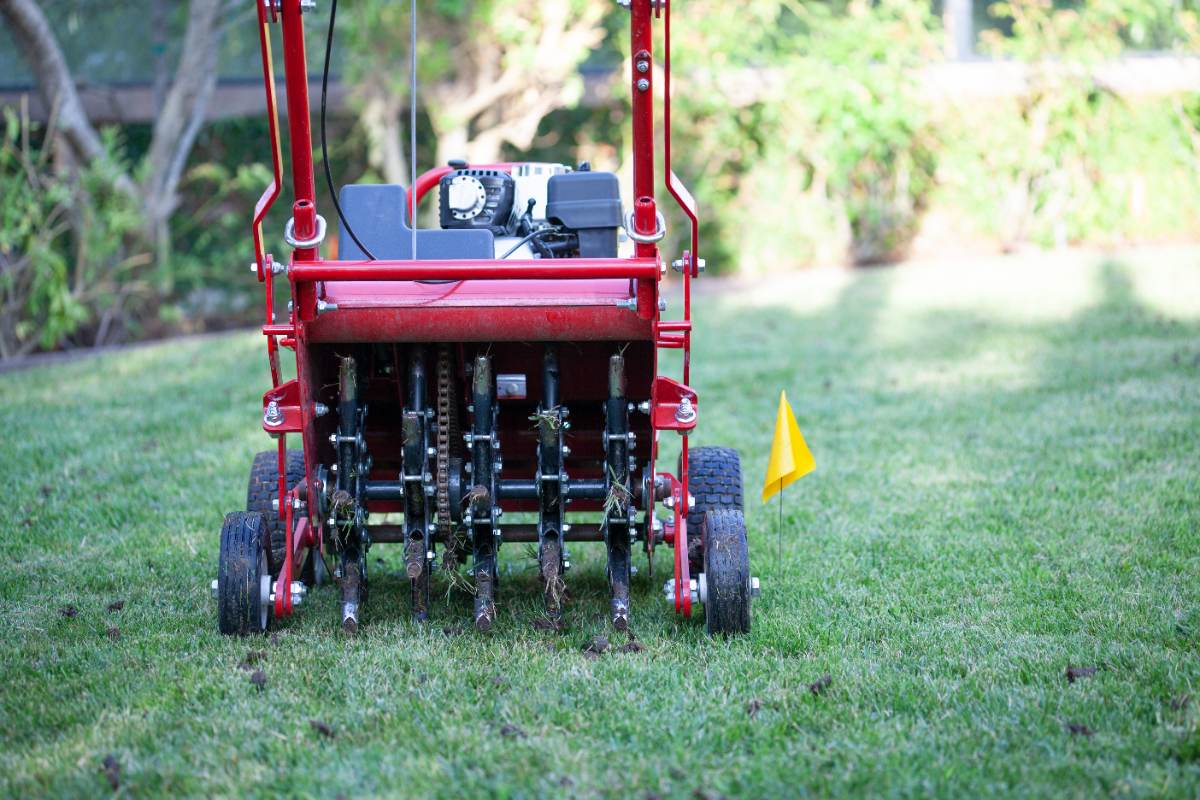
DIY aeration requires specific tools to ensure efficiency and effectiveness. You can rent or buy these tools from garden stores.
- Core Aerator: Removes soil plugs for better air circulation.
- Spike Aerator: Pokes holes into the soil to improve water absorption.
- Aeration Shoes: Wearable spikes for small areas.
Benefits Of Hiring Experts
Experts bring experience and specialized equipment to the task. They can assess your lawn’s needs accurately.
Cost Comparison
The cost of aerating a lawn varies based on size and choice between DIY and hiring professionals. Let’s compare.
| Option | Cost |
| DIY with Rented Tools | $50 – $150 |
| DIY with Purchased Tools | $100 – $300 |
| Professional Service | $100 – $400 |
Credit: www.lawnstarter.com
Post-aeration Lawn Care
Aerating your lawn helps the soil breathe and grow better grass. After aeration, your lawn needs special care to heal well.
Taking the right steps after aeration can improve the health and look of your lawn. It helps grass grow strong and green.
Watering Tips
Water your lawn soon after aeration. This helps the soil settle and roots absorb water. Keep the soil moist but not soaked.
Water deeply and less often to encourage deep root growth. Avoid watering every day to prevent fungus and weak roots.
- Water right after aeration
- Keep soil moist for 1-2 weeks
- Water deeply, about 1 inch per week
- Avoid daily shallow watering
Fertilizing After Aeration
Apply fertilizer after aeration to feed your grass. The holes let nutrients reach the roots better. Use a balanced fertilizer for best results.
Do not use too much fertilizer. Follow the instructions on the package. Over-fertilizing can harm your lawn instead of helping it.
- Use balanced fertilizer (e.g., N-P-K 10-10-10)
- Spread fertilizer evenly over the lawn
- Apply fertilizer within a few days of aeration
- Do not over-fertilize
Seeding And Overseeding
Seeding or overseeding after aeration helps fill bare spots. The holes make it easier for seeds to reach the soil and grow.
Choose the right grass seed for your lawn type. Spread seeds evenly and keep the soil moist until they sprout. This helps new grass grow strong.
- Use quality grass seed for your area
- Spread seed evenly over aerated lawn
- Keep soil moist for 2-3 weeks
- Avoid heavy foot traffic on new seed
Frequently Asked Questions
What Are The Main Benefits Of Aerating A Lawn?
Aerating improves soil aeration, allowing roots to breathe better. It enhances water, nutrient, and fertilizer absorption. This promotes thicker, healthier grass and reduces soil compaction and thatch buildup.
How Often Should I Aerate My Lawn?
Most lawns benefit from aeration once a year. Lawns with heavy clay soil or high foot traffic may need it twice yearly. Early spring or fall are ideal times for aeration.
Can Aerating Damage My Lawn?
Aeration is generally safe and beneficial. However, improper timing or technique can stress grass. Avoid aerating during droughts or extreme heat to prevent damage.
Does Aeration Help Reduce Lawn Thatch?
Yes, aeration helps break down thatch by increasing microbial activity. It allows oxygen and moisture to reach soil, speeding decomposition of organic debris.
Conclusion
Aerating your lawn can help improve soil health and grass growth. It allows water, air, and nutrients to reach roots better. Yet, it takes time and effort, and may stress the grass if done too often. Weigh the benefits against the work needed.
Choose the right time and method for your lawn’s needs. A well-aerated lawn often looks greener and feels healthier. Keep care simple and consistent for best results. Aeration is one step in good lawn care, not a cure-all.

