
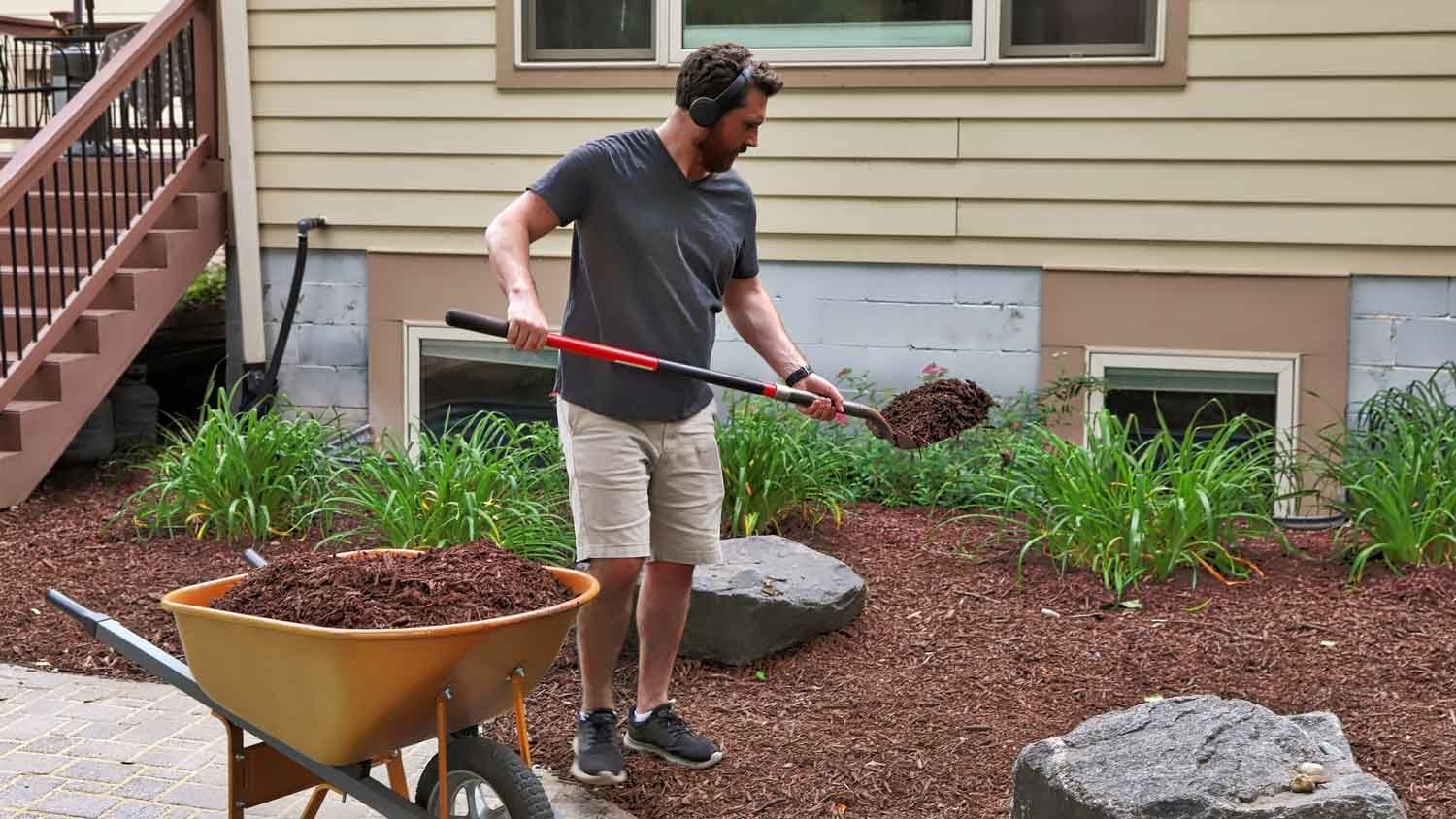
Are you tired of struggling with piles of fallen leaves in your yard every autumn? What if you could turn those leaves into a valuable resource for your garden instead of just a messy chore?
Mulching leaves is a simple way to enrich your soil, save time, and reduce waste—but only if you do it safely. You’ll discover easy, effective tips to mulch your leaves without harming your plants or your lawn. Keep reading, and you’ll learn how to make the most out of nature’s autumn gift while protecting your garden’s health all year long.
Benefits Of Mulching Leaves
Mulching leaves is a simple way to improve your garden. It helps plants grow better and keeps your soil healthy.
Using leaves as mulch saves time and reduces waste. It also supports a natural and eco-friendly garden care routine.
Enhancing Soil Health
Mulched leaves break down and add nutrients to the soil. This process feeds the plants and helps them grow strong.
Leaves improve soil structure by increasing its ability to hold air and water. Healthy soil supports healthy roots.
Suppressing Weeds Naturally
A thick layer of mulched leaves blocks sunlight from reaching weed seeds. This reduces weed growth without chemicals.
Less weeds mean less work for you. Your plants get more space and nutrients to thrive without competition.
Retaining Moisture Effectively
Mulch helps keep soil moist by reducing evaporation. This saves water and keeps plants healthy during dry times.
Consistent moisture supports steady plant growth. Mulched leaves act like a blanket, protecting soil from drying out.

Credit: semihomesteadlife.com
Choosing The Right Leaves
Mulching leaves helps feed your soil and protect plants. Picking the right leaves keeps your garden healthy.
Not all leaves work well for mulching. Some can harm your plants or soil quality.
Identifying Suitable Leaf Types
Good leaves for mulching break down quickly and add nutrients. Soft, thin leaves work best.
Hard or waxy leaves take longer to decompose. They can form a thick layer that stops water and air.
- Maple leaves are soft and break down fast.
- Birch leaves add nutrients quickly.
- Oak leaves are thicker but still useful if shredded well.
- Avoid leaves from black walnut trees as they can harm other plants.
Avoiding Diseased Or Treated Leaves
Do not mulch leaves with signs of disease. They can spread infections to your garden.
Avoid leaves treated with chemicals or pesticides. These can harm beneficial insects and soil life.
- Look for spots, mold, or unusual colors on leaves.
- Check if leaves come from areas sprayed with chemicals.
- Remove any leaves that show signs of fungus or pests.
- Use only clean, healthy leaves for mulching.
Preparing Leaves For Mulching
Mulching leaves helps improve soil health and reduces waste. Before mulching, prepare the leaves properly for best results.
Good preparation makes mulching easier and more effective. It helps leaves break down faster in your garden.
Shredding Techniques
Shredding leaves into smaller pieces helps them decompose quickly. Large leaves can mat together and block air flow.
You can shred leaves using a leaf shredder, lawn mower, or garden shredder. Pass leaves over the blades several times for finer pieces.
- Use a lawn mower with a bag attachment to shred leaves on the lawn.
- Run leaves through a garden shredder for small, uniform pieces.
- Hand-shred small piles by tearing leaves into bits.
Drying Vs. Fresh Leaves
Dry leaves are lighter and easier to shred than fresh leaves. Fresh leaves are wet and may clump together.
Dry leaves break down faster in mulch. Fresh leaves may create slimy layers that slow decomposition.
- Dry leaves: Collect leaves after a few days of sun and wind.
- Fresh leaves: Use if you need mulch quickly, but shred finely.
- Store dry leaves in a dry place until ready to mulch.
Safe Mulching Practices
Mulching leaves helps protect your garden and improves soil health. It is important to mulch safely to avoid harming plants.
Follow simple steps to keep your garden healthy and get the best results from leaf mulch.
Proper Layer Thickness
Apply mulch in a thin layer to let air and water reach the soil. Thick layers can block moisture and slow plant growth.
A layer about 2 to 3 inches thick works best for most plants. This thickness helps keep weeds down while allowing soil to breathe.
Avoiding Over-mulching Risks
Too much mulch can cause problems like root rot and pest invasion. It may also stop water from reaching the roots.
- Keep mulch layers thin and even.
- Check mulch regularly for compacted or wet spots.
- Remove excess mulch if you see mold or fungus.
- Use dry, shredded leaves instead of thick mats.
- Do not pile mulch directly on the ground near plants.
Keeping Mulch Away From Plant Stems
Mulch should not touch plant stems or tree trunks. It can cause decay and attract insects to the stem area.
| Distance from Stem | Reason |
|---|---|
| 2 to 4 inches | Prevents moisture buildup near stems |
| More than 4 inches | Reduces risk of stem rot and pests |
Tools And Equipment
Mulching leaves helps keep your yard healthy and neat. Using the right tools makes this job easier and safer.
Choosing good equipment protects you and improves your work. Learn about leaf shredders, blowers, and safety gear.
Leaf Shredders And Blowers
Leaf shredders cut leaves into small pieces for faster composting. They save space and reduce waste.
Leaf blowers help gather leaves quickly. They clear large areas with less effort.
- Leaf shredders come in electric, gas, and manual types.
- Choose a shredder with a safety guard to avoid accidents.
- Blowers can be handheld or backpack style.
- Use blowers with variable speed control for better handling.
- Regularly clean and check your tools to keep them working well.
Safety Gear Recommendations
Wear the right safety gear to protect yourself from flying debris and loud noise. Safety is very important.
Good gear helps prevent injuries and keeps you comfortable while working.
- Wear safety glasses or goggles to protect your eyes.
- Use ear protection like earplugs or earmuffs.
- Wear gloves to protect your hands from cuts and dirt.
- Use a dust mask to avoid breathing in dust and allergens.
- Wear long sleeves and pants to protect your skin.
- Wear sturdy shoes with good grip to avoid slipping.

Credit: www.aol.com
Common Mistakes To Avoid
Mulching leaves is a great way to recycle nutrients back into your garden. Yet, some common mistakes can harm your plants.
Learning to avoid these mistakes will ensure a healthier garden. Let’s explore two key areas to watch out for.
Using Leaves With Chemicals
Leaves exposed to chemicals can introduce toxins into your garden. This can affect the soil and plants negatively.
- Avoid using leaves from treated lawns.
- Check for signs of pesticide use.
- Opt for leaves from organic sources.
Ignoring Moisture Levels
Moisture plays a crucial role in effective mulching. Too much or too little can cause problems.
| Moisture Level | Effect |
| Too Wet | Can cause mold and rot |
| Too Dry | May blow away easily |
| Just Right | Helps in decomposition |
Seasonal Mulching Tips
Mulching leaves helps protect plants and soil during changing seasons. Using the right method keeps your garden healthy and neat.
Learn when and how to mulch leaves safely for the best results every season.
Best Times To Apply Mulch
Apply mulch when leaves first start to fall in autumn. This helps keep soil warm and moist through winter. Avoid mulching too early or too late to prevent problems.
- Early autumn is ideal for fresh leaves.
- Mulch again in late autumn if needed.
- Do not mulch in wet or frozen ground.
- Spring mulching helps soil prepare for new growth.
Adjusting Techniques For Weather
Change your mulching method based on weather. Dry weather requires moistening the mulch. Wet weather calls for thinner layers to avoid mold.
| Weather Condition | Mulching Tip |
| Dry | Lightly water mulch after applying |
| Wet | Use thin mulch layers to prevent rot |
| Cold | Add thicker mulch for soil insulation |
| Warm | Remove old mulch before applying new |
Credit: florasense.com
Maintaining Mulched Areas
Mulching leaves improves your garden’s health. It keeps moisture in and weeds out. To keep mulch effective, maintain it well.
Proper care ensures mulch lasts longer. It also helps in keeping your garden tidy and healthy.
Monitoring Mulch Condition
Check your mulch regularly. Look for signs of decay or pests. Fresh mulch is usually bright and smells good. Old mulch looks faded and may smell bad.
If you see mold, it’s time to act. Mold can harm your plants. Turn the mulch to dry it out and stop mold.
- Look for color changes
- Check for mold or mildew
- Smell the mulch for freshness
Replenishing Mulch When Needed
Mulch breaks down over time. Add more mulch when it gets thin. A layer of 2 to 3 inches is best. It protects your plants and keeps soil healthy.
Too much mulch can harm plants. Keep mulch away from plant stems. This prevents rot and keeps plants healthy.
| Mulch Thickness | 2 to 3 inches |
| Keep Away From | Plant Stems |
Frequently Asked Questions
What Is The Safest Way To Mulch Leaves?
Use a mulching mower with sharp blades to shred leaves finely. Avoid overloading the mower and mulch in dry conditions for best results.
Can Mulched Leaves Harm My Lawn Or Garden?
Properly mulched leaves do not harm lawns. They add nutrients and improve soil health when spread thinly and evenly.
How Often Should I Mulch Fallen Leaves?
Mulch leaves once or twice during peak fall. Mulching too often can suffocate grass and lead to mold growth.
Should I Remove Leaves Before Mulching?
No need to remove all leaves. Mulching works best when leaves are dry and spread evenly over the lawn.
Conclusion
Mulching leaves helps protect your garden and saves time. It improves soil health and reduces waste. Use the right tools and follow safety tips to mulch leaves properly. Avoid large chunks and wet leaves for best results. Mulching keeps your lawn neat and feeds your plants.
Try these simple steps to care for your garden this season. Your plants will thank you for it.

