
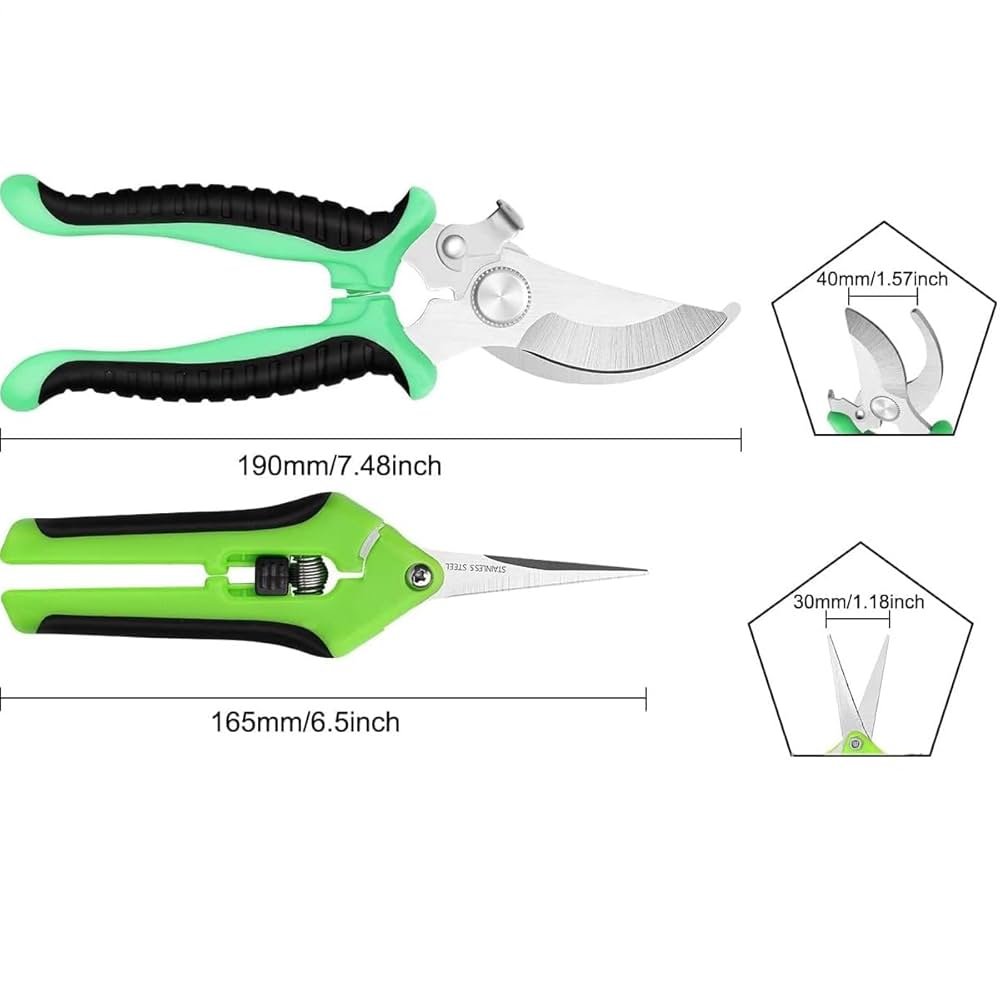
When it comes to pruning your plants, choosing the right shears can make all the difference. But should you go for curved or straight pruning shears?
This simple choice can affect how easily you cut, how clean your plants look, and even how comfortable your hands feel. If you’ve ever felt unsure about which type is best for your garden, you’re not alone. Keep reading, and you’ll discover which pruning shears fit your needs perfectly—and why making the right choice will help your garden thrive like never before.
Credit: pursuethewild.com
Types Of Pruning Shears
Pruning shears come in two main shapes: curved and straight. Each shape fits different cutting needs. Choosing the right type helps in trimming plants properly.
This guide explains the features of curved and straight pruning shears. You will learn what makes each type useful for certain tasks.
Curved Shears Features
Curved pruning shears have blades that curve inward. This design helps hold branches while cutting. The curve allows for clean cuts on round stems.
- Better control on small branches
- Prevents plant damage by holding stems steady
- Ideal for shaping and detail work
- Helps cut at an angle to promote healing
Straight Shears Features
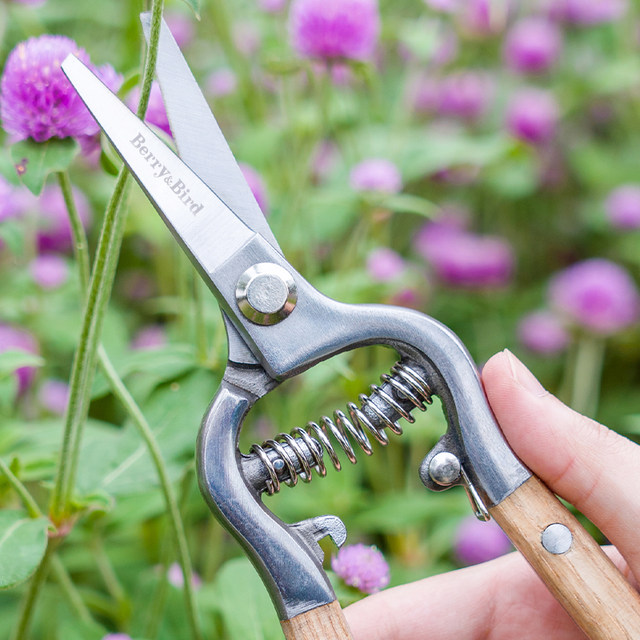
Straight pruning shears have flat blades that meet in a straight line. They are good for making precise, straight cuts. These shears work well on flat surfaces and woody stems.
| Feature | Benefit |
| Flat blades | Make clean, straight cuts |
| Strong cutting action | Handle tough branches |
| Easy to sharpen | Maintain sharpness for longer |
| Good for harvesting flowers | Cut stems cleanly without crushing |
Benefits Of Curved Pruning Shears
Curved pruning shears offer unique advantages for gardeners and landscapers. They help make clean cuts on branches and stems. Choosing the right type can improve your pruning work.
This article explains the benefits of curved pruning shears. Understanding these benefits helps you decide if curved blades suit your gardening needs.
Precision Cutting
Curved pruning shears give better control when cutting. The curved blade fits around the branch. This shape helps make smooth, clean cuts without crushing the plant.
- Curved blades hold branches steady while cutting.
- They reduce slipping, making cuts safer.
- Better for cutting rounded or awkward shapes.
- Helps to cut closer to the stem for healthier plants.
Ergonomic Advantages
Curved pruning shears often have handles that fit comfortably in your hand. The design reduces wrist strain during long pruning sessions. This makes gardening easier and less tiring.
| Feature | Benefit |
| Curved Handle | Reduces wrist movement and fatigue |
| Soft Grip | Increases comfort and prevents slipping |
| Balanced Weight | Improves control and reduces hand strain |
Benefits Of Straight Pruning Shears
Straight pruning shears are a popular choice for many gardeners. They offer simple design and effective cutting.
These shears work well on various plants and are easy to handle. They provide precise cuts for healthy growth.
Versatility In Use
Straight pruning shears can cut many types of stems and branches. They work well for trimming flowers, shrubs, and small branches.
The straight blades allow users to make clean, straight cuts. This helps plants heal faster and stay healthy.
- Good for cutting close to the stem
- Works on flat or angled cuts
- Suitable for different plant types
- Easy to use in tight spaces
Ease Of Maintenance
Straight pruning shears are simple to clean and sharpen. Their straight blades make it easy to see wear and damage.
Maintaining these shears takes less time. This keeps them working well and extends their life.
- Easy blade sharpening with a flat file
- Simple to disassemble for cleaning
- Less blade damage due to straight shape
- Quick to dry and store after use

Credit: www.amazon.co.uk
Choosing Shears By Plant Type
Picking the right pruning shears depends on the plants you want to cut. Different plants need different tools.
Shears come in curved or straight blades. Each works better for certain plants.
Woody Plants And Trees
Woody plants and trees have thick, tough branches. Curved shears help cut these branches cleanly.
Curved blades hold branches in place, making cuts easier and safer. Straight shears may slip on thick wood.
- Use curved shears for thick, hard branches
- Curved blades give better control on woody stems
- Straight shears may not grip well on hard wood
Delicate Flowers And Shrubs
Delicate flowers and shrubs have soft, thin stems. Straight shears work best for these plants.
Straight blades make precise, clean cuts on small stems. Curved blades might crush soft plant parts.
- Choose straight shears for soft, thin stems
- Straight blades make accurate cuts on flowers
- Curved shears can damage delicate plant tissue
Impact On Cutting Technique
Choosing between curved or straight pruning shears affects how you cut plants. The shape changes your angle and grip.
These differences can make some tasks easier and reduce hand strain during long pruning sessions.
Angle And Control
Curved shears let you cut around branches smoothly. They help keep the blade at a good angle for clean cuts.
Straight shears give direct control for straight cuts. They work well on thin stems and precise trimming.
- Curved blades fit curved branches better.
- Straight blades allow cutting flush to surfaces.
- Curved shears guide branches into the blade.
- Straight shears offer better accuracy on flat cuts.
Hand Fatigue Considerations
Curved shears reduce wrist twisting. This lowers hand fatigue during long use.
Straight shears need more wrist movement, which can tire hands faster.
| Shear Type | Wrist Movement | Fatigue Level |
| Curved | Less twisting | Lower |
| Straight | More twisting | Higher |
Durability And Material Quality
Pruning shears are essential for gardeners. Their quality affects how long they last. Good materials make them strong and reliable.
Choosing between curved and straight pruning shears is important. The material quality of blades and handles matters a lot.
Blade Materials
Blades are made from different materials. Steel is popular because it is strong and sharp. Stainless steel does not rust easily.
Other blades use carbon steel. They stay sharp longer but can rust. Coated blades help resist rust and make cutting easier.
- Stainless steel: Resists rust, stays sharp
- Carbon steel: Very sharp, needs care to avoid rust
- Coated blades: Extra protection, smooth cutting
Handle Construction
Handles must be strong and comfortable. They can be made from plastic, rubber, or metal. Each material has its own benefits.
Plastic handles are light and affordable. Rubber handles offer a good grip. Metal handles are durable but can be heavy.
- Plastic: Light, less expensive
- Rubber: Comfortable grip, less slip
- Metal: Very strong, heavier
Cost Comparison And Value
Pruning shears are essential for gardeners. Choosing between curved or straight blades can be tricky. Cost and value are key factors to consider.
Both types have their unique advantages. Understanding their price and long-term worth helps in making an informed decision.
Price Ranges
Curved shears often cost more due to their specialized design. They are useful for specific cutting tasks, which can justify their higher price.
Straight shears are generally cheaper. They are versatile and suitable for most gardening needs, making them a popular choice for beginners.
- Curved shears: $20 – $50
- Straight shears: $10 – $30
Long-term Investment
Curved shears might be a better investment for experienced gardeners. Their precision can save time and effort in the long run.
Straight shears are durable and easy to maintain. They are a solid choice for those who garden occasionally, providing good value over time.
| Type | Durability | Maintenance |
| Curved | High | Moderate |
| Straight | Moderate | Low |
:max_bytes(150000):strip_icc()/GettyImages-1319970989-b74b41ff17fd483086e8fc89cc34dfc9.jpg)
Credit: www.cioa.global
User Preferences And Recommendations
Choosing between curved or straight pruning shears depends on how you use them. Each type offers different benefits for cutting plants and branches.
Understanding what suits your gardening style helps you pick the best tool. This guide looks at what professionals and casual gardeners prefer.
Professional Gardeners
Professional gardeners often choose pruning shears based on precision and comfort. Curved shears help make clean cuts on round stems and branches.
Straight shears work well for trimming flat or woody plants. They offer strong control for detailed pruning tasks.
- Curved shears reduce damage to plants by following stem shape
- Straight shears offer better leverage for tough cuts
- Comfort and sharpness matter for long work hours
- Many pros keep both types for different jobs
Casual Gardeners
Casual gardeners usually want easy-to-use and versatile tools. Straight pruning shears are popular for general trimming and shaping.
Curved shears may feel tricky at first but work better for cutting flower stems. Some casual users prefer curved shears for softer plants.
- Straight shears are simple and good for most plants
- Curved shears help with delicate or round stems
- Choose based on what you prune most often
- Comfort grip is important for casual use
Frequently Asked Questions
What Are The Benefits Of Curved Pruning Shears?
Curved pruning shears offer better control and precision on thick branches. They help make clean cuts with less effort. Their shape reduces hand fatigue during prolonged use.
When Should I Choose Straight Pruning Shears?
Straight pruning shears are ideal for trimming flowers and thin stems. They provide a flat cutting edge for close, even cuts. These shears work well for general gardening tasks.
Do Curved Or Straight Shears Cause Less Plant Damage?
Curved shears generally cause less damage on woody stems by following branch contours. Straight shears are better for clean cuts on soft or herbaceous plants. Choosing the right type minimizes stress on plants.
Which Pruning Shears Are Easier For Beginners?
Straight pruning shears are often easier for beginners due to their simple cutting motion. Curved shears may require more skill to maneuver effectively. Beginners should choose based on the plants they prune most.
Conclusion
Choosing between curved and straight pruning shears depends on your needs. Curved shears help cut round branches easily. Straight shears work well for flat cuts and trimming. Think about the plants you prune most often. Also, consider comfort and control in your hand.
Both types can make gardening easier. Try them out to see which feels best. Good tools make pruning simple and neat. Keep your plants healthy with the right shears. Your choice will improve your gardening experience.

