

If you have a large yard, you know how tough it can be to keep your lawn healthy and green. Choosing the right spreader can make all the difference.
But with so many types out there, how do you know which one is best for your space? You’ll discover the spreader that fits your yard perfectly, saves you time, and gives you the results you want. Keep reading to find the simple solution that makes lawn care easier and more effective.
Credit: www.backyardboss.net
Types Of Spreaders
Choosing the right spreader can make lawn care easier and faster. Different spreaders suit different yard sizes and tasks.
Here are the main types of spreaders to consider for large yards and their features.
Drop Spreaders
Drop spreaders release material directly below the spreader. They give precise control over where the seed or fertilizer falls.
They work well in small areas but can take longer to cover large yards because of their narrow spread pattern.
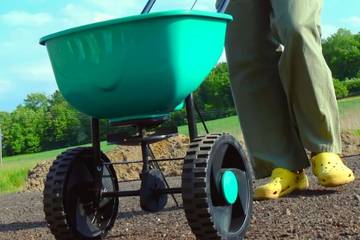
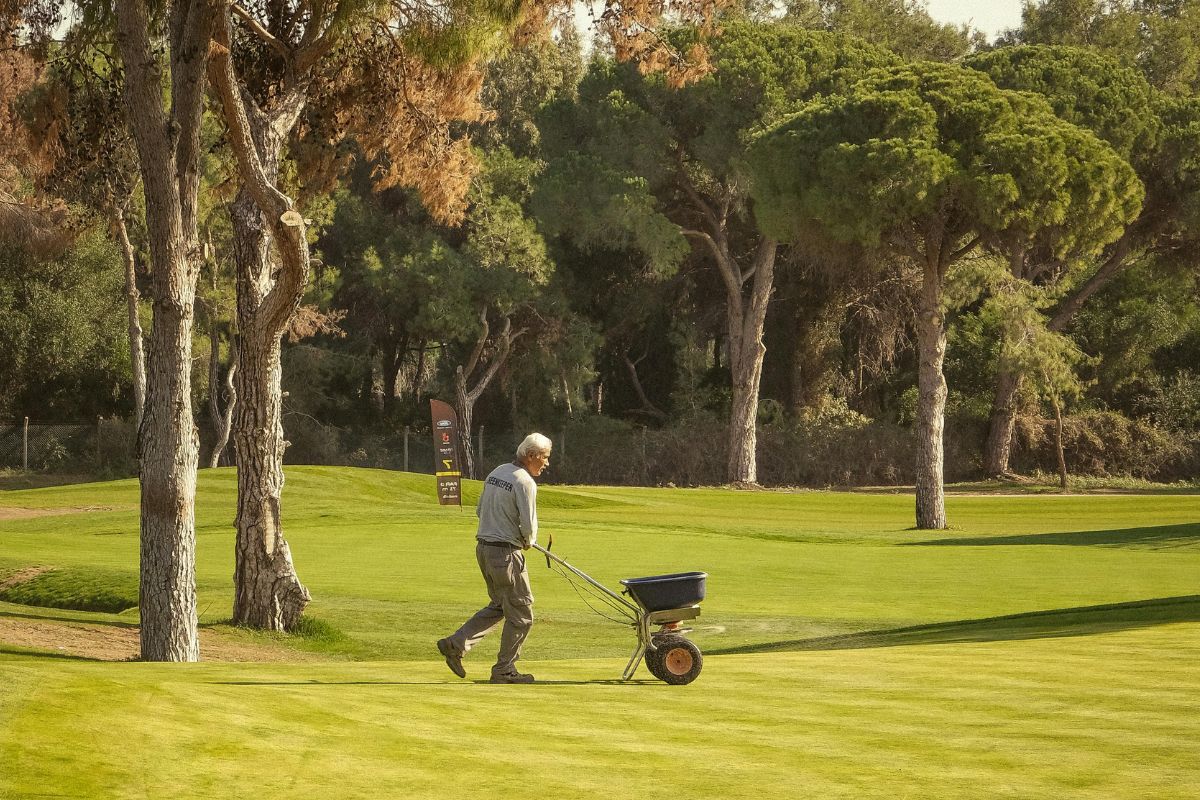
Broadcast Spreaders
Broadcast spreaders throw material in a wide arc. This lets you cover large areas quickly and evenly.
- Cover wide spaces faster
- Good for fertilizer, seed, and lime
- Works best on flat or gently sloping yards
- May need careful calibration to avoid waste
Handheld Spreaders
Handheld spreaders are small and light. You carry them by hand and walk over the yard.
These are best for very small patches or spot treatments, not for large yards. They are easy to control but slow for big jobs.
Tow-behind Spreaders
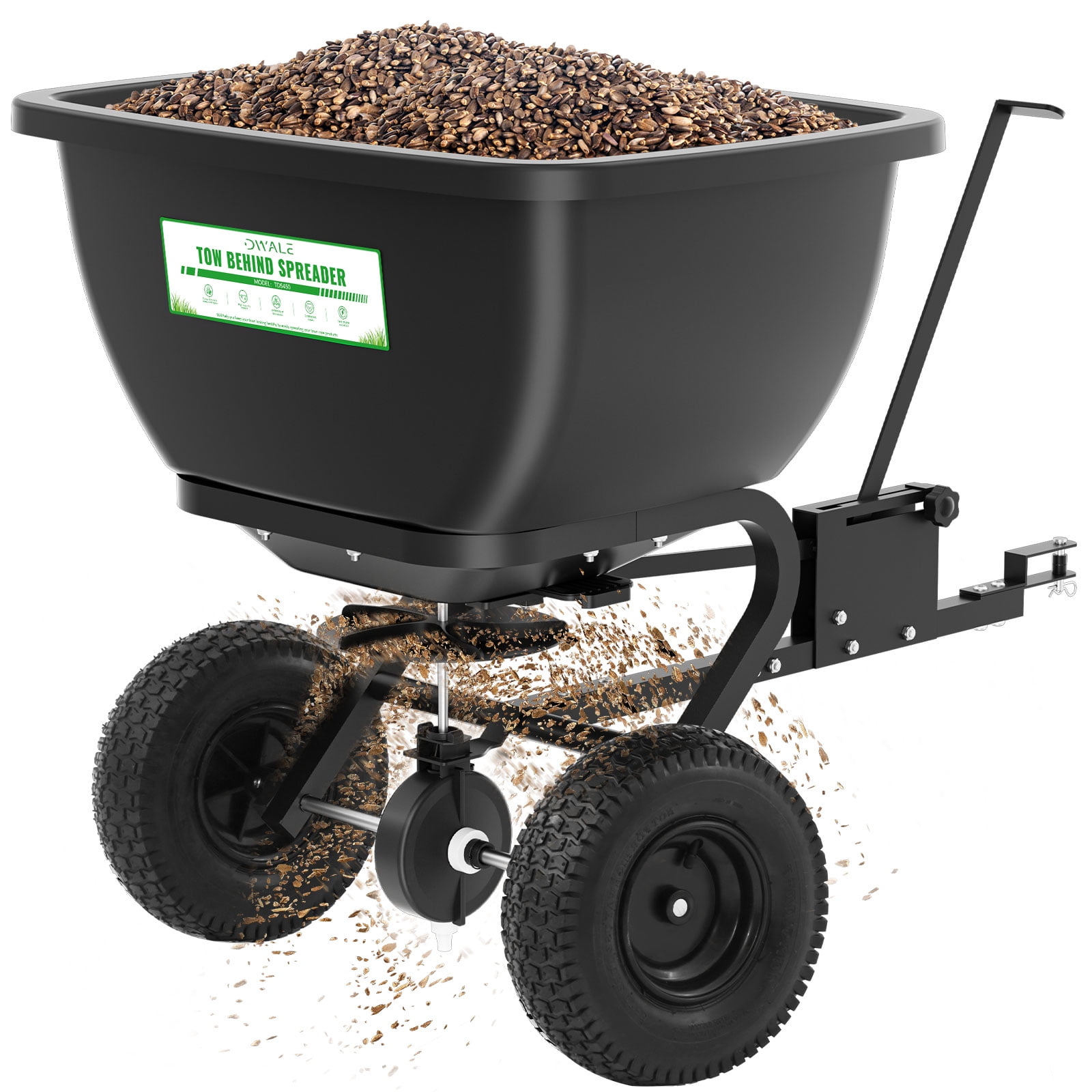
Tow-behind spreaders attach to a lawn tractor or ATV. They cover large areas quickly with minimal effort.
| Feature | Benefit |
| Large capacity hopper | Fewer refills needed |
| Wide spreading width | Fast coverage of big yards |
| Easy to use with motorized vehicles | Less physical work |
| Best for | Lawns over half an acre |
Credit: www.lawnstarter.com
Factors To Consider
Choosing the right spreader for a large yard is important. It helps you cover the area evenly and saves time.
Look at several factors before buying. This guide explains what to think about for the best spreader.
Yard Size And Terrain
Large yards need spreaders that can cover wide areas quickly. The terrain also changes what kind you should pick.
Flat lawns work well with broadcast spreaders. For hilly or uneven land, drop spreaders give better control.
- Broadcast spreaders cover large, flat areas fast.
- Drop spreaders work well on slopes and uneven ground.
- Consider the width of the spreader to reduce passes.
Material Compatibility
Check what materials the spreader can handle. Some spreaders work only with seed, while others also spread fertilizer or salt.
Using the right spreader keeps materials safe and spreads them evenly. Read the product details to confirm compatibility.
- Seed-only spreaders may not work well with fertilizer.
- Fertilizer spreaders often can handle seeds too.
- Salt spreaders are designed for heavy and coarse materials.
Ease Of Use
Look for a spreader that is simple to operate. Easy controls and clear settings help you spread evenly.
A spreader with adjustable flow and speed settings makes your work faster. Wheels and handles should feel comfortable.
- Adjustable flow controls help apply the right amount.
- Comfortable handles reduce fatigue.
- Large wheels improve movement over grass and dirt.
Durability And Build Quality
Choose a spreader made with strong materials. It should resist rust and damage from outdoor use.
Good build quality means the spreader will last many seasons. Check for solid frames and reliable parts.
- Look for rust-resistant metals or heavy-duty plastics.
- Check if parts are replaceable or easy to fix.
- Read reviews to see how well the spreader holds up.
Best Spreader For Large Yards
Choosing the right spreader helps keep large yards healthy and green. Large yards need tools that cover wide areas quickly and evenly.
Many spreaders work well, but some types handle big spaces better. This guide covers top broadcast spreaders, tow-behind models, and their pros and cons.
Top Broadcast Spreaders
Broadcast spreaders throw seeds or fertilizer over a wide area. They work well for large yards because they cover more ground fast. Many models come with adjustable settings for spread width.
These spreaders are easy to push and use on uneven ground. They are lightweight and often have large hoppers to hold more material, reducing refills.
- Wide spreading range
- Easy to maneuver
- Good for uneven surfaces
- Large hopper capacity
Recommended Tow-behind Models
Tow-behind spreaders attach to lawn tractors or ATVs. They are ideal for very large yards because they cover wide areas quickly without much effort.
These models have bigger hoppers and stronger frames. They handle heavy loads and are perfect for spreading fertilizer, seed, or ice melt over large spaces.
- Attach to lawn tractors or ATVs
- Large capacity hoppers
- Great for very big yards
- Strong and durable build
Pros And Cons Of Each Type
Both broadcast and tow-behind spreaders have benefits and drawbacks. Knowing these helps pick the best option for your yard size and needs.
| Type | Pros | Cons |
|---|---|---|
| Broadcast Spreaders |
|
|
| Tow-Behind Spreaders |
|
|
Credit: www.walmart.com
Maintenance Tips
Keeping your spreader in good shape helps it last longer. Regular care makes sure it works well on large yards.
Simple maintenance steps can stop big problems. Follow these tips to keep your spreader ready for use.
Cleaning And Storage
Clean your spreader after each use to avoid rust and clogging. Empty all materials and rinse the hopper with water.
- Remove leftover fertilizer or seed
- Use a brush to clean spreader parts
- Dry all parts thoroughly before storage
- Store in a dry, covered place to prevent damage
Troubleshooting Common Issues
Spreader problems can slow your yard work. Check these common issues and fixes to keep your spreader working well.
| Issue | Cause | Solution |
| Uneven spreading | Clogged spreader holes | Clean holes with a brush |
| Spreader not moving | Wheels stuck or dirty | Clean wheels and check axle |
| Material not dropping | Faulty gate or lever | Inspect and adjust gate mechanism |
Budget Considerations
Choosing the best spreader for a large yard depends a lot on your budget. You want a tool that fits your needs without costing too much.
It is important to think about how much you want to spend before picking a spreader. Different types of spreaders come at different prices.
Affordable Options
There are spreaders that work well and cost less. Handheld and small walk-behind spreaders are usually cheaper.
These spreaders are good for small to medium yards but can still handle large yards if you are patient.
- Handheld spreaders cost less and are easy to use.
- Walk-behind spreaders cover more area but cost a bit more.
- Look for spreaders with good reviews and simple features.
Investment Vs. Longevity
Spenders that cost more often last longer and work better on big yards. Buying a quality spreader can save money over time.
Think about how often you will use the spreader. A bigger investment can be worth it if you use it a lot.
- Higher-priced spreaders tend to have stronger parts.
- They spread materials more evenly and cover more ground.
- Long-lasting spreaders reduce the need to buy replacements.
- Consider the cost per year, not just the upfront price.
Frequently Asked Questions
What Is The Best Spreader For Large Yards?
A broadcast spreader is best for large yards. It covers wide areas quickly and evenly. It reduces the number of passes needed. This saves time and effort in lawn care.
How Do Drop Spreaders Compare For Big Lawns?
Drop spreaders provide precise application but cover smaller areas. They suit small to medium lawns better. For large yards, they require more passes, increasing time spent.
Are Tow-behind Spreaders Ideal For Large Yards?
Yes, tow-behind spreaders attach to lawn tractors. They handle heavy loads and cover large areas efficiently. They reduce manual effort, making them perfect for big yards.
What Features Should I Look For In A Large Yard Spreader?
Look for wide spreading width, durable construction, and adjustable flow controls. Easy maneuverability and rust-resistant materials are important too. These features enhance efficiency and longevity.
Conclusion
Choosing the right spreader makes yard work easier and faster. Walk-behind spreaders suit most large yards well. Tow-behind spreaders work best for very big spaces. Consider your budget, yard size, and comfort. Good tools help keep your lawn healthy and green.
A smart choice saves time and effort. Take your time to pick what fits you best. Your yard will thank you in the long run.

