
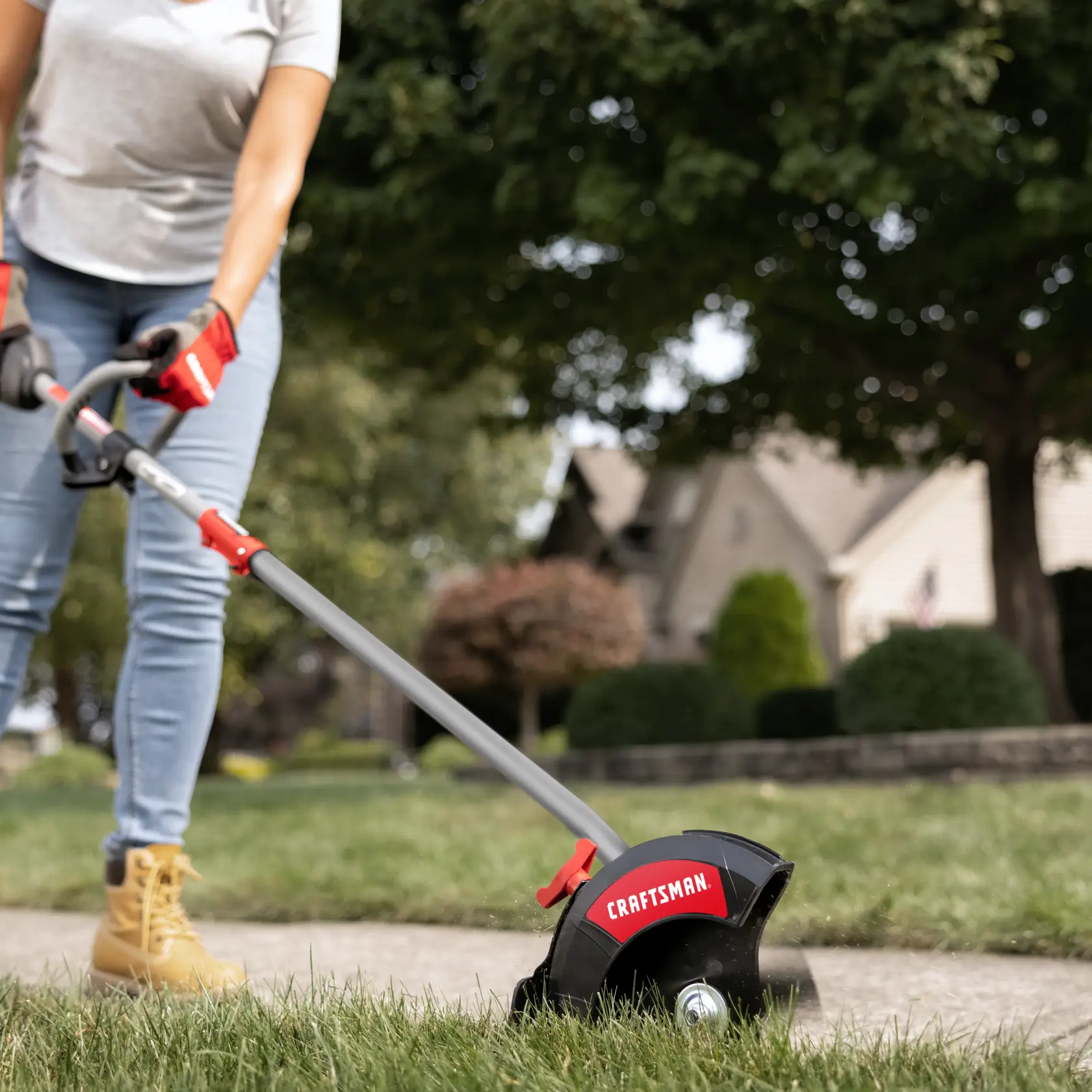
Are you tired of uneven lawn edges ruining the look of your perfectly mowed grass? Using a trimmer as an edger might be the simple trick you need to give your yard that sharp, clean finish.
You don’t need expensive tools or professional help to achieve crisp borders around your garden beds, walkways, or driveways. You’ll discover easy steps and tips to turn your regular trimmer into a powerful edging tool. Keep reading, and you’ll learn how to save time, effort, and money while making your lawn look its absolute best.
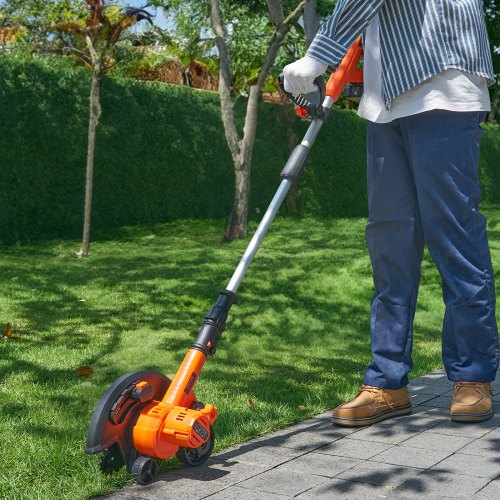
Credit: www.vevor.ca
Choosing The Right Trimmer
Using a trimmer as an edger makes your lawn look neat and tidy. Picking the right trimmer is key to good results. This guide helps you find the best tool for edging.
Look at the type, blade options, and power before buying. These factors affect how well the trimmer works on edges.
Types Of Trimmers Suitable For Edging
Some trimmers work better for edging than others. Choose one that fits your yard size and edge style.
- String trimmers: Use nylon line to cut grass. Good for light edging.
- Blade trimmers: Use a metal blade for tougher grass and weeds.
- Multi-head trimmers: Allow changing between string and blade for different jobs.
Blade And Attachment Options
Choosing the right blade or attachment improves edging quality. Some attachments help you reach tight spots.
| Attachment Type | Use | Best For |
| Standard string head | Grass trimming | Light edging |
| Metal blade | Cutting thick weeds | Heavy edging |
| Edger wheel | Guides straight edges | Sharp lawn borders |
| Swivel head | Adjusts angle | Curved edges |
Power And Battery Considerations
Power type affects how long and hard your trimmer can work. Pick one based on your yard size and power needs.
- Gas trimmers: Strong power, good for large yards, but heavier and noisy.
- Corded electric trimmers: Unlimited run time, light weight, but need outlet nearby.
- Battery-powered trimmers: Portable and quiet, with limited run time per charge.

Credit: www.amazon.ca
Preparing For Edging
Using a trimmer as an edger requires some preparation. Getting ready helps you work safely and neatly.
Before you start, make sure to follow some important steps. These will improve your results and keep you safe.
Safety Gear And Precautions
Wear the right safety gear to protect yourself. Always be careful to avoid accidents while edging.
- Wear safety glasses to protect your eyes from debris
- Use ear protection to guard against loud noise
- Wear gloves for a better grip and hand safety
- Put on long pants and closed-toe shoes to protect your legs and feet
- Check the trimmer for damage or loose parts before use
Clearing The Work Area
Remove objects and debris from the edging area. This keeps the trimmer blade from hitting hard things.
Here is a checklist to clear your work area:
- Pick up sticks, stones, and toys
- Move garden tools and hoses away
- Keep pets and children out of the work zone
- Watch for uneven ground or holes
Marking The Edge Lines
Mark where you want to edge before you start trimming. This helps keep your lines straight and even.
| Marking Tool | Use |
| String Line | Stretch between stakes to show a straight edge |
| Chalk or Spray Paint | Draw clear lines on grass or soil |
| Garden Hose | Lay curved lines for rounded edges |
Techniques For Using A Trimmer As An Edger
Using a trimmer as an edger helps create clean lawn borders. It shapes your grass along sidewalks and driveways.
Learn simple techniques to improve your edging results with a trimmer. This guide covers hand positioning, angle, and speed.
Correct Hand Positioning
Hold the trimmer with both hands for better control. Keep one hand on the handle and the other near the shaft.
Keep your hands steady and firm. This helps guide the trimmer along the edge smoothly and safely.
- Place your dominant hand on the main handle
- Support the shaft with your other hand
- Keep wrists straight to reduce fatigue
- Hold the trimmer close to your body for balance
Optimal Trimming Angle
Keep the trimmer head at a 90-degree angle to the ground. This angle cuts grass cleanly along the edge.
Adjust the angle slightly if the edge is uneven. A small tilt can help reach tight spots without damaging surfaces.
- Hold the trimmer straight up for a sharp edge
- Tilt up to 15 degrees for curves or corners
- Avoid laying the trimmer flat on the ground
- Watch the cutting line for consistent edges
Controlling Speed And Movement
Move the trimmer slowly and steadily along the edge. Fast motions can cause uneven cuts and missed spots.
Keep a smooth, side-to-side motion. This helps trim grass evenly without damaging the soil or pavement.
- Start trimming at a low speed
- Use slow, controlled sweeps along the edge
- Pause to check the cut and adjust speed
- Increase speed only when comfortable and precise
Maintaining Clean And Sharp Edges
Using a trimmer as an edger helps keep your lawn looking neat and tidy. Sharp edges make your yard look well cared for. Clean edges also prevent grass from growing into unwanted areas.
With the right technique, you can create smooth and clear borders around your garden, walkways, and driveways. This guide shows how to maintain clean and sharp edges using a trimmer.
Trimming Tips For Different Surfaces
Different surfaces need different trimming methods. Hard surfaces like concrete require careful trimming to avoid damage. Soft surfaces like soil or mulch need gentler handling to keep edges neat.
- Hold the trimmer at a 90-degree angle on hard surfaces for a clean cut.
- Use slow, steady movements to avoid chipping edges on concrete or stone.
- On soil or mulch, keep the trimmer head slightly above the surface.
- Trim grass near flower beds carefully to prevent damage to plants.
Handling Curves And Corners
Curves and corners can be tricky to edge cleanly. Take your time and use small, controlled movements. This helps keep the edges smooth and precise.
Use the tip of the trimmer line for curves. For corners, trim at a slight angle to get sharp, defined edges.
- Follow the curve slowly to avoid uneven cuts.
- Adjust your stance to keep steady control of the trimmer.
- For tight corners, trim in short bursts rather than a continuous sweep.
- Keep the line tight to prevent fraying edges.
Avoiding Common Mistakes
Many people make simple mistakes when using a trimmer as an edger. These mistakes can cause uneven edges or damage to your yard.
Avoid cutting too deep or rushing. Keep the trimmer line sharp and replace it when worn out.
- Do not hold the trimmer too close to the ground to avoid scalping.
- Avoid trimming wet grass to prevent clumping and uneven cuts.
- Replace the trimmer line regularly for clean edges.
- Wear safety gear to protect yourself from flying debris.
Post-edging Care
Taking care of your trimmer after edging helps it last longer and work better. Proper care keeps the machine safe from damage and ensures smooth performance.
Follow these simple steps to clean, maintain, and store your trimmer properly after each use.
Cleaning The Trimmer
Remove dirt, grass, and debris from the trimmer after each use. Use a brush or cloth to clean the cutting head and guard. Avoid using water on electric parts.
- Turn off and unplug the trimmer before cleaning
- Brush off grass clippings from the cutting line and spool
- Wipe the body and handle with a damp cloth
- Keep air vents clear of dust and debris
Blade Maintenance
Check the blades regularly for wear and damage. Sharpen dull blades to keep edging clean and precise. Replace blades that are bent or broken.
| Blade Condition | Action Needed |
| Dull | Sharpen carefully with a file or grinder |
| Bent | Replace with a new blade |
| Rusty | Clean and apply rust remover or replace |
| Broken | Do not use, replace immediately |
Storage Tips To Prolong Equipment Life
Store your trimmer in a dry, safe place to protect it from damage. Proper storage helps prevent rust and keeps the machine ready for the next use.
- Empty the fuel tank if storing for a long time
- Keep the trimmer off the ground to avoid moisture
- Cover the trimmer to protect from dust and insects
- Store in a cool, dry place away from direct sunlight

Credit: westinghouseoutdoorpower.com
Frequently Asked Questions
How Can I Use A Trimmer As An Edger Effectively?
To use a trimmer as an edger, hold it vertically along the edge. Move slowly to create a clean line. Ensure the trimmer has an edging attachment for best results.
What Trimmer Attachments Work Best For Edging?
Edging attachments with vertical guards or blades work best. They help create precise edges without damaging the lawn. Always check compatibility with your trimmer model.
Can I Edge Sidewalks Using A String Trimmer?
Yes, you can edge sidewalks with a string trimmer. Use a vertical position and slow movement. This method trims grass along edges neatly and quickly.
Is It Safe To Use A Trimmer As An Edger?
Using a trimmer as an edger is safe if handled properly. Wear protective gear, maintain control, and avoid debris. Follow manufacturer guidelines for safe operation.
Conclusion
Using a trimmer as an edger saves time and effort. It helps create clean, sharp lawn edges with ease. Remember to choose the right blade and hold the tool steady. Work slowly and carefully to avoid mistakes. Regular edging keeps your yard looking neat and tidy.
Try these tips for a better lawn today. Simple steps, great results.
