
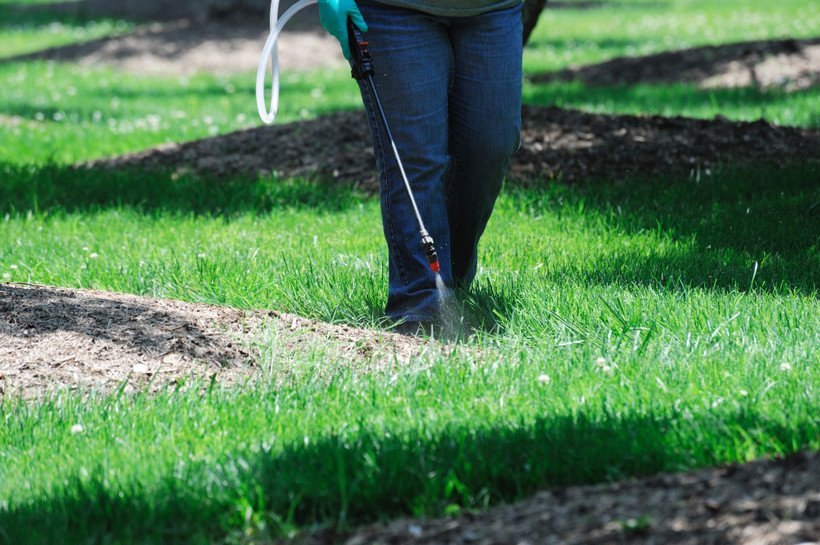
Are stubborn weeds taking over your garden? You’re not alone.
Using a handheld sprayer can be one of the easiest and most effective ways to tackle those unwanted plants quickly. But if you’re unsure how to use it right, you might waste time, effort, and even harm your other plants.
In this guide, you’ll learn simple steps to get the best results from your handheld sprayer. By the end, you’ll feel confident controlling weeds like a pro and protecting your garden’s health. Ready to take control? Let’s dive in!
Choosing The Right Sprayer
Using a handheld sprayer makes weed control easier. Picking the right sprayer helps you work well and save time.
There are many sprayers available. Knowing which one fits your needs is important for good results.
Types Of Handheld Sprayers
Handheld sprayers come in different types. Each type works best for certain tasks and areas.
- Pump Sprayers:You pump air to spray. They are simple and affordable.
- Trigger Sprayers:Spray with a squeeze. Good for small jobs.
- Battery-Powered Sprayers:Use a battery for spraying. They cover larger areas faster.
- Pressure Sprayers:Keep constant pressure for steady spray. Useful for precise work.
Key Features To Consider
Look for features that make spraying easy and safe. These features help you finish the job well.
- Tank Size:Choose a size that fits your garden. Bigger tanks hold more liquid but are heavier.
- Material:Pick durable materials like plastic or stainless steel. They last longer and resist chemicals.
- Comfort:Look for padded handles or adjustable straps. They reduce hand and arm strain.
- Pressure Control:Some sprayers let you adjust spray pressure for better control.
- Ease of Cleaning:Sprayers that are easy to clean save you time and keep them working well.
Selecting The Best Nozzle
Nozzles control how the spray comes out. Picking the right nozzle helps target weeds better.
- Fan Nozzles:Spread liquid in a wide, thin spray. Good for covering large areas.
- Jet Nozzles:Create a strong, narrow stream. Best for spot treatment on tough weeds.
- Misting Nozzles:Produce a fine mist. Useful for delicate plants near weeds.
- Adjustable Nozzles:Let you change spray patterns. They add flexibility to your spraying.
Credit: www.carmenjohnstongardens.com
Preparing Your Sprayer
Using a handheld sprayer for weeds needs careful preparation. This helps you spray safely and effectively.
Before you start, check your sprayer and get the herbicide ready. This guide explains key steps.
Cleaning And Maintenance
Clean your sprayer before and after use. This keeps it working well and stops clogs.
Check the nozzle and hose for cracks or dirt. Replace parts if they are damaged.
- Rinse tank with clean water
- Spray clean water through nozzle
- Wipe outside with a damp cloth
- Store sprayer in a dry place
Mixing Herbicides Safely
Always read the herbicide label before mixing. Follow instructions exactly for safety and best results.
Wear gloves and eye protection when handling chemicals. Mix herbicides in a well-ventilated area.
- Use clean water to mix herbicide
- Measure herbicide with a proper tool
- Pour herbicide into water, not water into herbicide
- Stir mixture gently to combine
Filling The Tank Properly
Fill the sprayer tank with the mixed herbicide carefully. Avoid spills and overfilling.
Leave some space in the tank for pressure build-up and shaking the mix.
- Use a funnel to pour mixture into the tank
- Fill to the recommended level only
- Secure the tank cap tightly
- Check for leaks before spraying
Effective Spraying Techniques
Using a handheld sprayer correctly helps control weeds efficiently. Proper techniques save time and reduce chemical waste.
Learn how to target weeds, adjust spray patterns, and avoid drift for better results.
Targeting Weeds Accurately
Point the sprayer nozzle directly at the weed base. Spray close enough to cover leaves and stems without wetting the soil.
- Stand steady and aim carefully
- Spray on calm days to reduce drift
- Use a narrow spray for small weeds
- Cover all parts of the weed thoroughly
Adjusting Spray Patterns
Adjust the nozzle to change spray shape and flow. Different patterns suit various weed sizes and locations.
| Spray Pattern | Best Use |
| Jet | Spot treatment on large weeds |
| Fan | Cover clusters of small weeds |
| Mist | Apply herbicide on delicate plants |
Avoiding Drift And Over-spray
Wind and spray pressure can cause herbicide to drift. Over-spray wastes chemicals and harms other plants.
Follow these tips to reduce drift:
- Spray during low wind (less than 5 mph)
- Use low pressure to keep droplets large
- Hold the sprayer close to the target
- Turn off sprayer when moving between areas

Credit: www.amazon.com
Safety Tips
Using a handheld sprayer for weeds requires care to protect yourself and the environment. Safety helps prevent accidents and health risks.
Follow these tips to use chemicals safely and dispose of leftover solutions properly.
Protective Gear Recommendations
Wear the right protective gear to avoid skin and eye contact with weed killer chemicals. This gear also reduces inhalation risks.
- Long-sleeve shirts and long pants
- Waterproof gloves
- Safety goggles or glasses
- Closed-toe shoes or boots
- A mask or respirator if spraying indoors or in windy areas
Handling Chemicals Responsibly
Read the label on the weed killer container before use. Follow instructions for mixing and spraying carefully.
Keep chemicals out of reach of children and pets. Avoid spraying on windy days to prevent drift to other plants.
| Do | Don’t |
|---|---|
| Use a well-maintained sprayer | Mix more solution than needed |
| Spray only on targeted weeds | Spray near water sources |
| Store chemicals in original containers | Eat or drink while handling chemicals |
| Wash hands after use | Reuse empty containers for other purposes |
Disposal Of Leftover Solutions
Never pour leftover weed killer down drains or on the ground. Proper disposal protects water and soil.
Follow these steps for safe disposal:
- Use leftover solution fully if possible.
- Check local hazardous waste guidelines.
- Take unwanted chemicals to a hazardous waste facility.
- Do not mix leftover chemicals with other substances.
Troubleshooting Common Issues
Using a handheld sprayer for weeds is simple, but problems can happen. Knowing how to fix common issues helps you work faster.
Here are tips to solve common problems like clogs, pressure issues, and uneven spray.
Dealing With Clogs
Clogs block the spray nozzle and stop the liquid from flowing. Dirt or dried chemicals cause clogs most times.
To fix clogs, first remove the nozzle and rinse it under water. Use a soft brush or toothpick to clear small holes.
- Take off the nozzle carefully
- Rinse it with clean water
- Use a small brush or toothpick to clean
- Soak the nozzle in warm water if needed
- Reattach and test the sprayer
Fixing Pressure Problems
Low pressure makes the spray weak or stops it completely. Check the tank for enough liquid and tighten all parts.
Air leaks or broken seals can cause pressure drops. Replace worn parts and pump the handle fully to build pressure.
- Fill the tank properly
- Tighten the lid and connections
- Look for cracks or leaks
- Replace broken seals or O-rings
- Pump the handle fully before spraying
Maintaining Consistent Spray
Uneven spray can waste chemicals and miss weeds. Keep a steady hand and walk slowly when spraying.
Clean the nozzle regularly and check the spray pattern. Adjust the nozzle tip for wider or narrower spray as needed.
- Hold the sprayer at the same height
- Walk at a steady speed
- Clean the nozzle often
- Adjust spray tip for the right pattern
- Refill before the tank is empty

Credit: www.amazon.com
Maximizing Results
Using a handheld sprayer for weeds can be effective. Correct use is key to success. Learn to maximize your results with simple techniques.
Following these guidelines ensures weeds are controlled efficiently. Achieving the best outcome requires attention to detail.
Timing Your Applications
Timing is crucial for weed control. Spray when weeds are young and active. Morning or late afternoon is often best.
- Check weather conditions
- Avoid windy days
- Target weeds during growth
Combining Methods For Better Control
Using more than one method improves control. Combine manual removal with spraying for stubborn weeds.
Regular Maintenance For Longevity
Maintenance extends the life of your sprayer. Clean it after each use to prevent clogs and damage.
| Task | Frequency |
| Clean nozzle | After each use |
| Check seals | Monthly |
| Store properly | Always |
Frequently Asked Questions
How Do I Prepare A Handheld Sprayer For Weeds?
Clean the sprayer tank and nozzles before use. Fill it with the correct herbicide mix. Follow product instructions carefully for safety and effectiveness.
What Safety Gear Should I Wear Using A Handheld Sprayer?
Wear gloves, goggles, and long sleeves. This protects your skin and eyes from chemicals. Always work in a well-ventilated area or outdoors.
How Do I Apply Herbicide Evenly With A Handheld Sprayer?
Maintain steady pressure and consistent speed. Keep the nozzle close to the weeds. Overlap slightly to avoid missed spots or over-application.
Can I Use A Handheld Sprayer For All Weed Types?
Most sprayers work on common weeds. However, choose herbicides specific to the weed species. Read labels to ensure effective and safe treatment.
Conclusion
Using a handheld sprayer for weeds is simple and effective. Always wear gloves and protect your skin. Spray weeds directly to avoid harming nearby plants. Check the sprayer for leaks before use. Clean the sprayer after each job to keep it working well.
With practice, you will control weeds faster and easier. Keep your garden healthy by removing unwanted plants regularly. A small effort today saves big work later. Try these tips and enjoy a weed-free yard.

