
Are you tired of hauling heavy loads across your yard while working on your landscaping projects? Using a garden cart can be a game-changer for making your outdoor tasks easier and more efficient.
Whether you’re moving soil, plants, or tools, a garden cart helps you save time and energy. You’ll discover simple tips and tricks on how to use your garden cart to transform your landscaping experience. Keep reading, and you’ll soon find yourself working smarter, not harder, in your garden.
Choosing The Right Garden Cart
Picking the right garden cart makes landscaping easier and safer. It helps you move plants, soil, and tools faster.
Look at your gardening needs before buying a cart. This guide helps you choose the best one for your work.
Types Of Garden Carts
Garden carts come in many styles. Some are good for heavy loads. Others work well on rough ground.
- Flatbed carts: Great for carrying large items like bricks or lumber.
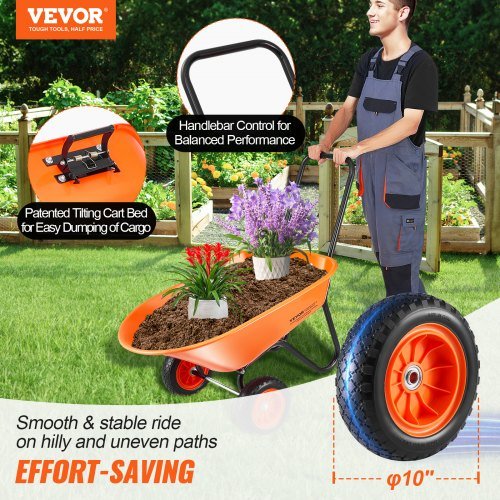
- Dump carts: These carts tilt to unload soil or mulch easily.
- Wheelbarrows: Good for small jobs and tight spaces.
- Utility carts: Often have sides to hold loose materials.
Material And Durability
Garden carts are made from different materials. Choose one that lasts and fits your yard’s conditions.
| Material | Durability | Best Use |
| Steel | Strong and long-lasting | Heavy loads, rough terrain |
| Plastic | Light but less durable | Light loads, easy to clean |
| Wood | Natural look, can rot | Light loads, decorative gardens |
Size And Load Capacity
Size matters for how much you can carry. Bigger carts hold more but may be hard to move.
- Check the load capacity to match your typical work.
- Choose a size that fits your storage space.
- Consider the weight you can push or pull safely.
Preparing Your Garden Cart
Using a garden cart helps move soil, plants, and tools easily. Preparing it well makes your landscaping work smoother.
Before starting, check your cart to ensure it is ready and safe to use.
Assembly Tips
Follow the instructions carefully when putting your garden cart together. Make sure all parts fit tightly and securely.
Check wheels, handles, and bolts to avoid loose parts that may cause trouble during use.
- Use the right tools for assembly
- Tighten all screws and bolts firmly
- Test wheel movement before use
- Attach handles securely
Maintenance And Care
Keep your garden cart clean after each use. Dirt and moisture can cause rust and damage.
Store the cart in a dry place to protect it from weather. Check tires and replace them if worn out.
- Wash off mud and debris
- Dry the cart before storing
- Oil moving parts to prevent rust
- Inspect tires for cracks or wear
Safety Checks
Look over your garden cart before each use. Make sure it is stable and safe to handle heavy loads.
Do not overload the cart. Balance the load to avoid tipping and accidents.
- Check for loose or broken parts
- Keep handles clean and dry
- Distribute weight evenly in the cart
- Wear gloves and proper shoes while using
Using A Garden Cart For Soil And Mulch
A garden cart helps move soil and mulch around your yard easily. It saves time and effort during landscaping projects.
Using the cart correctly keeps materials neat and reduces mess. Learn how to load, transport, and unload soil and mulch safely.
Loading Techniques
Fill the garden cart evenly to keep it balanced. Use a shovel to scoop soil or mulch carefully into the cart.
Do not overload the cart. Keep the load below the sides to avoid spilling during transport.
- Place heavy soil at the bottom
- Layer lighter mulch on top
- Keep the load centered for stability
- Use a tarp for loose mulch if needed
Transporting Materials Efficiently
Push the garden cart slowly on flat ground to avoid tipping. Use both hands for better control.
Take short trips if the load is heavy. Use paths that are smooth and clear of obstacles.
- Keep the cart steady when going uphill
- Avoid sudden turns or stops
- Rest between trips to prevent strain
Unloading Without Spills
Tip the garden cart gently to unload soil or mulch. Do this close to the desired spot to avoid spreading materials.
Use a rake or shovel to spread the material evenly after unloading. Clean the cart to prevent leftover debris.
- Unload on stable ground
- Keep the cart level before tipping
- Clear leftover soil or mulch after use

Credit: www.amazon.com
Moving Plants And Tools
Using a garden cart makes moving plants and tools easier. It helps carry heavy or many items at once.
Proper use of the cart keeps plants safe and tools organized during transport.
Securing Plants During Transport
Keep plants steady to avoid damage while moving. Use straps or ropes to hold pots in place.
- Place larger plants at the bottom of the cart.
- Use soft cloth or foam to cushion pots.
- Secure plants with bungee cords or straps.
- Keep plants upright to protect leaves and stems.
Organizing Tools In The Cart
Arrange tools neatly to save space and find them easily. Keep sharp tools separate from fragile items.
| Tool Type | Storage Tip |
| Shovels and Rakes | Place along the sides, handles up |
| Hand Tools | Use a small box or bag inside cart |
| Sprayers and Watering Cans | Keep upright to avoid spills |
| Gloves and Small Items | Store in a separate container or pocket |
Minimizing Damage To Plants
Protect plants from bumps and harsh weather during transport. Avoid overloading the cart.
- Move the cart slowly over uneven ground.
- Cover plants with a light cloth on hot or windy days.
- Do not stack pots to prevent crushing.
- Check plants often during transport for shifting.
Landscaping Projects With A Garden Cart
Garden carts are handy for landscaping. They help carry heavy items and save time. You can use them for various tasks around your yard.
Learn how to make the most of your garden cart for different landscaping projects. Discover how it helps in building beds, moving stones, and clearing waste.
Building Garden Beds
Garden carts are useful for building garden beds. They can hold soil and compost, making it easy to transport materials to your garden spot.
When building garden beds, load your cart with soil and other materials. This way, you can quickly move everything to where you need it.
- Fill the cart with soil
- Transport to the garden area
- Unload and spread evenly
Transporting Stones And Pavers
Moving stones and pavers is easy with a garden cart. They save you from carrying heavy loads by hand.
Load the cart with stones or pavers. Push it to the project area. This method keeps your back safe from heavy lifting.
- Load stones or pavers carefully
- Push cart to desired location
- Arrange stones as needed
Clearing Debris And Waste
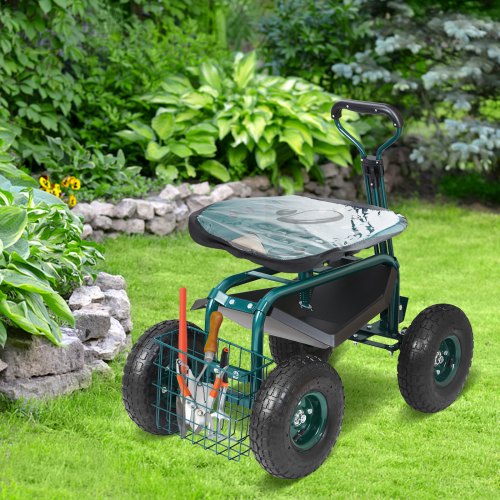
Garden carts help clear debris and waste. They hold leaves, branches, and other yard waste.
Use the cart to collect waste around your yard. This helps you keep your outdoor space tidy and clean.
- Gather debris in the cart
- Transport to compost or waste area
- Empty and repeat as needed
Credit: www.vevor.com
Maximizing Efficiency
Using a garden cart can make landscaping easier and faster. You need to plan well to use it efficiently. This guide helps you get the best results with your garden cart.
Focus on organizing your work, balancing the cart load, and saving time. These tips will help you move materials smoothly and finish tasks quicker.
Planning Your Routes
Plan your paths before you start moving materials. Choose the shortest and safest routes in your yard. Avoid rough or steep areas to prevent tipping.
- Map out where you need to go
- Clear obstacles from your path
- Plan trips to carry full loads
- Use smooth, even ground for easier pushing
Balancing Loads
Load the cart evenly to keep it stable and easy to move. Too much weight on one side can cause tipping. Place heavier items at the bottom and center.
| Load Tip | Reason |
| Distribute weight evenly | Prevents tipping |
| Place heavy items low | Keeps center of gravity low |
| Do not overload | Makes pushing easier |
| Secure loose items | Prevents falling |
Time-saving Tips
Save time by preparing before you move materials. Group supplies near work areas. Use the garden cart for several tasks in one trip.
- Keep tools and materials organized
- Use gloves to protect your hands
- Clean the cart after use to prevent rust
- Take breaks to avoid fatigue
Troubleshooting Common Issues
Using a garden cart for landscaping can save time and effort. But problems can arise. Knowing how to troubleshoot them is helpful.
Here are some common issues and how to handle them. These tips will keep your cart working well.
Handling Rough Terrain
Garden carts may struggle on rough surfaces. Be careful with uneven paths. This can protect your cart from damage.
Use a cart with large wheels for better movement. Avoid sharp turns and move slowly over rocks and roots.
- Check for obstacles before moving
- Choose paths with less bumps
- Maintain a steady pace
Fixing Wheel Problems
Wheel issues can slow down your work. Inspect wheels regularly for wear and tear. Lubricate them often to ensure smooth movement.
If a wheel is stuck, check for debris. Clean and clear any blockages. Replace damaged wheels to keep your cart in top shape.
- Inspect wheels weekly
- Lubricate moving parts
- Replace worn-out wheels promptly
Dealing With Overloaded Carts
Overloading can damage your cart. It might also make it hard to push. Always check the weight limit of your cart.
Balance the load evenly to prevent tipping. Remove excess items if the cart is too heavy. This keeps you and your cart safe.
- Know your cart’s weight limit
- Distribute weight evenly
- Remove extra items if needed

Credit: www.waysidegardens.com
Frequently Asked Questions
What Are The Best Garden Carts For Landscaping?
The best garden carts are durable, lightweight, and have large wheels for easy maneuvering. Look for rust-resistant materials and ample capacity. A sturdy handle and balanced design improve control. Choose a cart that fits your landscaping needs for efficiency and comfort.
How Do You Load A Garden Cart Efficiently?
Load heavy items closest to the wheels for better balance. Distribute weight evenly to avoid tipping. Place fragile plants on top to prevent damage. Avoid overloading beyond the cart’s capacity for safety and easier transportation during landscaping tasks.
Can Garden Carts Be Used For Transporting Soil And Mulch?
Yes, garden carts are ideal for moving soil and mulch. Their wide bed and sturdy frame handle heavy loads. Large wheels help navigate rough terrain. Using a garden cart saves time and effort when spreading soil or mulch in your landscape.
How Do You Maintain A Garden Cart For Longevity?
Keep your garden cart clean by removing dirt and debris after use. Check tires regularly and inflate if needed. Lubricate moving parts to prevent rust. Store the cart in a dry place to extend its lifespan and maintain performance during landscaping.
Conclusion
A garden cart makes landscaping tasks easier and faster. It carries tools, soil, and plants with less effort. Use it to save time and energy outdoors. Choose the right cart for your garden size and needs. Regular care keeps the cart in good shape longer.
With simple steps, your landscaping work becomes more fun. Give your garden the attention it deserves, one load at a time. Small changes lead to great results in your outdoor space.

