
Are you wondering if you can aerate your lawn without renting a machine? You might think it’s a tough job that needs heavy equipment, but that’s not always true.
What if you could improve your lawn’s health with simple tools you already have or can easily get? Imagine saving money, avoiding bulky rentals, and still getting a lush, green yard that your neighbors will envy. Keep reading to discover easy and effective ways to aerate your lawn on your own—no machine needed.
Your lawn will thank you!
Credit: www.lawnstarter.com
Why Aerate Your Lawn
Aerating your lawn helps grass grow stronger and healthier. It makes soil less compact and lets air, water, and nutrients reach roots.
You can aerate your lawn without renting a machine. Hand tools or simple methods can work well for small yards.
Benefits Of Aeration
Aeration improves lawn health in many ways. It helps grass roots get what they need to grow thick and green.
- Reduces soil compaction and improves root growth
- Allows better water absorption to avoid puddles
- Increases nutrient uptake from fertilizers
- Helps break down thatch and dead grass
- Improves oxygen flow to soil microbes
- Promotes stronger resistance to drought and heat
When To Aerate
The best time to aerate depends on your grass type and climate. Aerate when grass grows actively for quick recovery.
| Grass Type | Best Aeration Time |
| Cool-season grasses | Early spring or fall |
| Warm-season grasses | Late spring through summer |
| Clay soil areas | Any active growing period |
Signs Your Lawn Needs Aeration
A healthy lawn needs good air, water, and nutrients. Aeration helps by opening the soil. It lets your grass roots grow better and stay strong.
Look for signs that your lawn might need aeration. This can help you decide when to aerate without renting a machine.
Compacted Soil
Compacted soil is hard and dense. It stops air, water, and nutrients from reaching grass roots. You might notice your lawn feels hard when you walk on it.
- Grass looks weak or patchy
- Water pools or runs off quickly
- Soil feels firm and tight
- Grass roots seem shallow
Poor Drainage
Water should soak into the soil easily. Poor drainage means water stays on the surface or takes too long to drain. This can cause lawn damage and make grass unhealthy.
| Drainage Issue | Effect on Lawn |
|---|---|
| Standing water after rain | Grass roots may rot |
| Water runs off quickly | Soil dries out fast |
| Soil stays soggy for days | Grass turns yellow or brown |
Thinning Grass
Thinning grass shows fewer blades and bare spots. This means the lawn is stressed and may lack nutrients or water. Aeration helps grass grow thicker by improving soil conditions.
Signs of thinning grass include:
- More visible soil between blades
- Grass looks dull and weak
- Weeds start to grow easily
- Grass feels thin underfoot
Diy Tools For Lawn Aeration
Aerating your lawn helps grass grow strong and healthy. You can do it yourself without renting machines. There are simple tools to help you aerate your lawn by hand.
Using DIY tools saves money and lets you work at your own pace. These tools help get air, water, and nutrients to the roots of your grass.
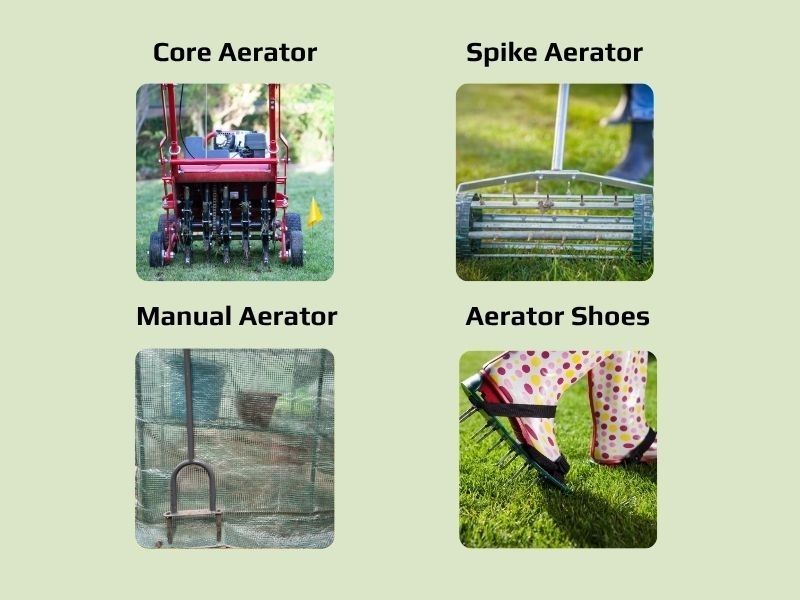
Manual Aerator Shoes
Manual aerator shoes strap onto your feet. They have spikes that poke holes in the soil when you walk. This loosens compacted soil and improves air flow.
They are easy to use and light to carry. You can walk around your lawn wearing them to aerate large areas.
- Strap securely to your shoes
- Have metal spikes for piercing soil
- Work best on soft or moist soil
- Good for small to medium lawns
Handheld Aerator Tools
Handheld aerators have a handle and spikes or hollow tines. You push them into the ground to make holes. This helps air and water reach grass roots.
They are great for tight spaces and small lawns. You control where to aerate by hand, making the process precise.
- Usually have 4 to 8 spikes or tines
- Push into soil manually
- Lightweight and easy to carry
- Best for spot aeration or small patches
Garden Fork Method
You can aerate by using a garden fork. Push the fork into the soil and pull it out to make holes. This loosens soil and helps water drain better.
This method works well on small lawns or garden beds. It also helps break up hard soil without special tools.
- Use a garden fork with strong tines
- Push tines 3 to 4 inches into soil
- Lift fork slightly to open holes
- Repeat across the lawn in rows
Step-by-step Diy Aeration Process
Aerating your lawn helps grass grow strong and healthy. You can do it yourself without renting a machine. This guide shows you how to aerate your lawn by hand.
Follow the steps below to prepare, aerate, and care for your lawn. This will improve soil and water flow for better grass growth.
Prepare Your Lawn
Start by clearing your lawn. Remove leaves, sticks, and debris. Mow the grass shorter than usual to make aeration easier.
- Rake the lawn to remove dead grass and thatch.
- Water the soil lightly a day before aerating.
- Mark any sprinkler heads or underground wires.
Aerate The Soil
You can use simple tools to aerate without a machine. A garden fork or hand aerator works well. Push the tool into the soil and pull out small plugs of dirt.
| Tool | How to Use |
| Garden Fork | Push into soil, wiggle, and lift out dirt plugs. |
| Hand Aerator | Press down to remove plugs with hollow tines. |
| Spike Aerator | Push spikes into soil to create holes without removing plugs. |
Aerate your lawn evenly, spacing holes about 3 to 4 inches apart. Cover the whole lawn for best results.
Post-aeration Care
After aerating, help your lawn recover with proper care. Water the grass deeply to reach the roots. Apply fertilizer to boost growth.
- Keep the lawn watered for at least one week.
- Avoid heavy foot traffic on the lawn for a few days.
- Leave the soil plugs on the surface to break down naturally.
- Overseed thin areas to improve grass coverage.
Tips To Make Manual Aeration Easier
Aerating your lawn helps grass grow healthy. You can do this without renting a machine.
Manual aeration takes effort. These tips will help you do it more easily and effectively.
Aerate When Soil Is Moist
Soil that is moist but not wet is easier to aerate by hand. Dry soil is hard and tough to pierce.
Water your lawn a day before aerating. This softens the ground and helps tools penetrate deeper.
Work In Sections
Divide your lawn into small areas to work on. This makes the task less overwhelming and more organized.
Finish one section before moving to the next. Taking breaks between sections keeps you from getting tired too fast.
- Mark sections with stakes or string
- Complete one section each day if needed
- Focus on high-traffic areas first
Use Proper Technique
Use a manual aerator tool or a garden fork. Push it straight into the ground and pull out small cores.
Keep your back straight and use your legs to apply pressure. This reduces strain and improves control.
- Make holes about 3 inches deep
- Space holes 4 to 6 inches apart
- Remove plugs to allow air and water inside
Credit: www.lawnstarter.com
Alternatives To Traditional Aeration
Aerating your lawn helps keep it healthy. You don’t always need a machine to do it. There are alternative methods that can work well for your lawn.
These methods can improve soil health and help grass grow better. They are easy to do and require simple tools.
Topdressing
Topdressing is adding a thin layer of soil to your lawn. It helps improve soil quality and promotes grass growth.
Use materials like sand, compost, or a soil mixture. Spread it evenly over the grass to fill in holes and level the ground.
- Improves drainage
- Reduces compaction
- Encourages new growth
Core Aeration Vs. Spike Aeration
Core aeration removes small plugs of soil from the lawn. Spike aeration uses spikes to create holes without removing soil.
Core aeration is better for reducing compaction. Spike aeration is easier for DIY projects.
| Core Aeration | Spike Aeration |
| Removes soil plugs | Creates holes with spikes |
| Reduces compaction | Less effective for compaction |
| Needs special tools | Simple tools |
Common Mistakes To Avoid
Aerating your lawn keeps it healthy and strong. Many people make mistakes when aerating. Avoiding these mistakes helps your grass grow better.
Let’s learn about common errors when aerating without a machine. Understanding these can save you time and effort.
Aerating Dry Soil
Dry soil is hard and tough to aerate. Many people try to aerate without checking soil moisture.
Water your lawn a day before aerating. This softens the soil and makes the process easier.
- Check soil moisture first
- Water the lawn in advance
- Avoid aerating during dry spells
Over-aerating
Some people think more aeration is better. This is not true. Over-aerating can damage your lawn.
Aerate once or twice a year. Overdoing it can harm the grass roots and soil structure.
- Aerate once in spring or fall
- Do not aerate more than twice a year
- Watch for signs of stress in your lawn
Ignoring Lawn Health
Ignoring the overall health of your lawn is a mistake. Aeration is just one part of lawn care.
Ensure your grass is healthy before aerating. Feed and water it well to get the best results.
- Check lawn health regularly
- Fertilize and water properly
- Look for pests and diseases
Credit: www.lawnstarter.com
Frequently Asked Questions
Can You Aerate A Lawn Without Renting A Machine?
Yes, you can aerate your lawn manually using tools like a garden fork or spike aerator. It requires more effort but is effective for small areas.
What Tools Work Best For Manual Lawn Aeration?
Garden forks, spike aerators, and hand-held core aerators work well for manual aeration. They help create holes to improve soil oxygen and water flow.
How Often Should You Aerate Your Lawn Manually?
Manual aeration is best done once or twice a year, ideally in spring or fall. Avoid aerating too frequently to prevent soil stress.
Is Manual Aeration Effective For Large Lawns?
Manual aeration can be time-consuming for large lawns but remains effective. For big areas, renting a machine might save time and effort.
Conclusion
Aerating your lawn without a machine is possible and effective. Simple tools and some effort can do the job well. Hand aerators or garden forks work fine for small areas. This method saves money and lets you work at your own pace.
Your lawn will breathe better and grow stronger with regular care. Try this easy approach to keep your grass healthy and green. Small steps make a big difference for your yard’s health. Give your lawn the care it deserves without renting equipment.

