
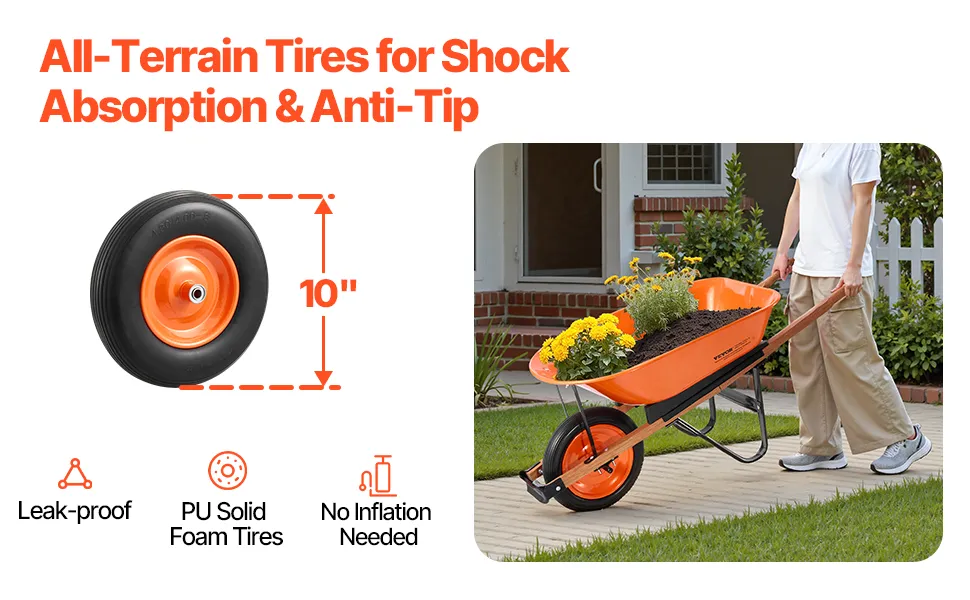
Moving gravel with a garden cart might sound simple, but it can quickly become a tough and tiring job if you don’t have the right approach. You want to get the job done efficiently without breaking your back or making a mess.
That’s where these easy-to-follow tips come in. By using smart techniques and a few handy tricks, you’ll save time, effort, and frustration. Keep reading to discover how you can move gravel like a pro and make your gardening projects smoother than ever.
Credit: www.vevor.ca
Choosing The Right Garden Cart
Moving gravel can be hard work. A garden cart helps carry heavy loads easily.
Picking the right garden cart makes your job faster and safer.
Types Of Garden Carts
Garden carts come in many shapes and styles. Each type works best for certain tasks.
Wheelbarrows are common and good for small loads. Dump carts let you unload gravel easily. Flatbed carts carry large items.
- Wheelbarrow: one wheel, easy to steer
- Dump cart: tilts to dump materials
- Flatbed cart: wide base, carries big loads
- Two-wheel cart: more stable on rough ground
Capacity And Size Considerations
Choose a cart size that matches your gravel load. Too small means more trips. Too big is hard to control.
Look at the weight limit. Make sure the cart holds your gravel safely without breaking.
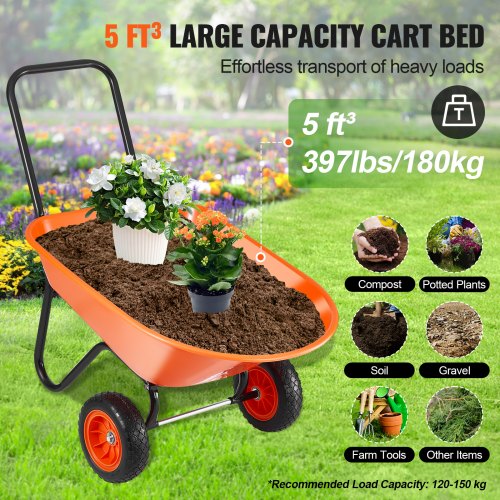
- Small carts hold about 6 to 8 cubic feet
- Medium carts hold 10 to 12 cubic feet
- Large carts hold more than 12 cubic feet
- Check the maximum weight capacity before buying
Material And Durability
Garden carts come in metal, plastic, or wood. Each has pros and cons for moving gravel.
Metal carts are strong but can rust. Plastic carts resist rust and are lighter. Wood carts look nice but need care.
- Steel carts: very strong, may need rust protection
- Plastic carts: lightweight and rust-proof
- Wood carts: sturdy but can rot or crack
- Check wheels and handles for durable materials
Credit: www.lawnsite.com
Preparing For The Move
Moving gravel with a garden cart takes some planning. Preparing well helps you work safely and finish faster.
Start by making sure the path is clear and your tools are ready. This prevents accidents and damage.
Clearing The Pathway
Check the route where you will push the cart. Remove any rocks, sticks, or toys in the way.
Make sure the ground is firm and not slippery. Fix any holes or bumps to avoid tipping the cart.
- Remove obstacles like stones and branches
- Fill holes or level uneven spots
- Check for wet or muddy areas
- Make sure the path is wide enough for the cart
Safety Gear And Precautions
Wear gloves to protect your hands from sharp gravel pieces. Use closed-toe shoes for foot safety.
Lift carefully to avoid back strain. Bend your knees and keep your back straight when loading gravel.
- Wear sturdy gloves
- Use shoes with good grip
- Bend knees when lifting
- Take breaks to avoid tiredness
Loading Techniques For Stability
Place gravel evenly in the cart to keep it balanced. Avoid piling gravel too high to prevent spills.
Load heavier gravel first, then add lighter gravel on top. Push the cart slowly to keep control.
- Distribute gravel evenly
- Keep loads low for better balance
- Load heavy gravel at the bottom
- Push at a steady, slow pace
Efficient Loading Tips
Moving gravel with a garden cart can be easier and faster with the right loading techniques. Efficient loading saves your time and effort.
Follow simple tips to load gravel safely and evenly. This helps prevent spills and damage to your cart.
Using Shovels And Scoops
Use a shovel or scoop to load gravel carefully into the cart. Avoid dropping gravel from a height to reduce dust and loss.
- Choose a shovel size that fits your cart.
- Scoop small amounts at a time for control.
- Place gravel gently to avoid splashing.
- Keep the shovel close to the cart bed.
Even Distribution Of Gravel
Spread gravel evenly across the cart bed to keep balance. Uneven loads make the cart hard to push and can cause tipping.
| Side of Cart | Amount of Gravel |
| Left | 50% |
| Right | 50% |
| Front | Evenly spread |
| Back | Evenly spread |
Avoiding Overloading
Do not overload the garden cart with gravel. Too much weight makes it hard to push and may damage the cart.
- Know the cart’s weight limit.
- Load gravel below the top edges.
- Check cart wheels before moving.
- Make multiple trips if needed.
Transporting Gravel Smoothly
Moving gravel with a garden cart can be tiring without the right tips. Smooth transport saves effort and time.
Using a few simple techniques helps you carry gravel safely and easily. Focus on control and balance for best results.
Handling Uneven Terrain
Gravel often needs moving over rough or uneven ground. Watch the path ahead to avoid bumps and holes.
Keep your cart steady by steering clear of rocks or roots that can tip the load.
- Choose the smoothest path possible
- Slow down when crossing rough spots
- Shift your weight to help the cart move
Maintaining Balance
Balance is key to avoid spills and extra strain. Load the gravel evenly across the cart bed.
Distribute the weight to keep the cart stable. Use both hands to hold the handles firmly.
- Fill the cart without overloading
- Place gravel in the center of the cart
- Check the load before moving
Optimal Speed And Control
Moving too fast can cause spills or loss of control. Walk at a steady pace for safety.
Use slow, smooth movements to steer and stop the cart. This helps keep the gravel in place.
- Keep a steady, slow walking speed
- Use both hands to guide the cart
- Stop gently to avoid sudden shifts
Unloading Gravel With Ease
Moving gravel with a garden cart can be tough without the right method. Using smart tips helps you unload the gravel safely and quickly. This guide covers easy ways to handle gravel and keep your work smooth.
Learn how to dump gravel carefully, spread it evenly, and clean your cart after use. These tips save time and effort while protecting your tools and garden.
Safe Dumping Techniques
Dumping gravel safely reduces spills and injury. Always check the ground for stability before unloading. Avoid dumping on slopes or uneven surfaces. Tilt the cart slowly and keep your hands clear of moving parts.
- Position the cart close to the dump area.
- Lock the wheels if possible to prevent rolling.
- Lift the cart handle steadily to tip gravel out.
- Step back to avoid falling gravel.
- Lower the cart gently after unloading.
Spreading Gravel Evenly
After dumping, spread the gravel evenly for a clean look and stable surface. Use a rake or shovel to move gravel from piles. Work from the center out to the edges. Avoid piling gravel too high in one spot.
| Tool | Use |
|---|---|
| Rake | Level and spread gravel smoothly |
| Shovel | Move large amounts quickly |
| Broom | Clean small gravel from edges |
Cleaning The Cart Post-use
Cleaning your garden cart after moving gravel keeps it in good shape. Remove leftover gravel and dirt to avoid damage. Wipe the cart dry to prevent rust and wear.
- Empty all gravel from the cart.
- Use a brush to remove stuck dirt.
- Wash the cart with water if needed.
- Dry the cart completely before storage.

Credit: www.amazon.ca
Maintenance Tips For Garden Carts
Keeping your garden cart in top shape is essential for moving gravel efficiently. Regular maintenance ensures your cart lasts longer and performs better.
Here are some practical tips to keep your garden cart functioning well, focusing on cleaning, inspecting, and lubrication.
Regular Cleaning
Regular cleaning prevents dirt build-up and extends the life of your garden cart. It’s important to clean after each use.
- Use a hose to wash off dirt and debris.
- Dry the cart thoroughly to prevent rust.
- Check wheels for stuck gravel.
Inspecting For Wear And Tear
Regular inspections help catch small problems before they become big issues. Check for any signs of damage or wear.
| Part | Inspection Frequency |
| Wheels | Weekly |
| Handles | Monthly |
| Axles | Monthly |
Lubricating Moving Parts
Lubrication is key for smooth operation. It reduces friction and prevents wear on moving parts.
Alternative Tools For Gravel Moving
Moving gravel in your garden can be challenging. Choosing the right tool makes it easier. Here are some alternatives to consider.
Wheelbarrows Vs Garden Carts
Wheelbarrows and garden carts are popular for moving gravel. Each has unique benefits.
- Wheelbarrows are easy to maneuver in tight spaces.
- Garden carts can carry heavier loads without tipping.
- Consider your yard’s terrain when choosing between them.
Using Tarps For Transport
Tarps are useful for moving gravel over short distances. They are simple to use and require minimal effort.
Lay a tarp on the ground, shovel gravel onto it, and pull the tarp to your desired location. This method works well for spreading gravel evenly.
Mechanical Assistance Options
For larger projects, mechanical tools can save time and energy. Consider renting equipment if needed.
| Tool | Benefit |
| Mini Loader | Handles large volumes quickly |
| Power Wheelbarrow | Reduces physical strain |
| Skid Steer Loader | Ideal for uneven terrain |
Frequently Asked Questions
How Do I Load Gravel Into A Garden Cart Safely?
Use a shovel to load gravel evenly. Avoid overloading to prevent tipping. Distribute weight to keep the cart balanced and easy to maneuver.
What Type Of Garden Cart Is Best For Moving Gravel?
Choose a sturdy, heavy-duty cart with a steel frame and durable tires. A deep basin helps hold loose gravel securely during transport.
How Can I Prevent Gravel From Spilling Out Of The Cart?
Line the cart with a tarp or landscape fabric. This keeps gravel contained and simplifies cleanup after unloading.
What’s The Best Technique For Pushing A Gravel-filled Garden Cart?
Push slowly and steadily on flat ground. Use your legs, not just your arms, to avoid strain and maintain control.
Conclusion
Moving gravel with a garden cart can be easy and safe. Choose the right cart and load it carefully to avoid spills. Take small trips to keep the cart steady and avoid strain. Keep the path clear and watch your balance.
With simple steps, you can finish your work faster and with less effort. Practice these tips to make moving gravel less tiring and more efficient. Your garden will look great, and you will feel good about the job done. Simple tools and smart moves make all the difference.

