
If you use a handheld sprayer regularly, you know how important it is to keep it working smoothly. A well-maintained sprayer saves you time, effort, and money.
But if you don’t take care of it, it can clog, leak, or break down when you need it most. You’ll discover simple, effective ways to maintain your handheld sprayer. By following these tips, you’ll ensure it lasts longer and performs better every time you use it.
Keep reading, and your sprayer will never let you down again.
Choosing The Right Sprayer
Picking the right handheld sprayer helps you work better and last longer. You need to know the types and what they are made of.
This guide explains the main sprayer types and the materials used to build them. It will help you choose one that fits your needs.
Types Of Handheld Sprayers
Handheld sprayers come in different styles. Each type serves a specific purpose and suits different jobs.
- Pump Sprayers:You pump air to build pressure. Good for small gardens and light tasks.
- Trigger Sprayers:Use a trigger to spray. They are simple and easy to control.
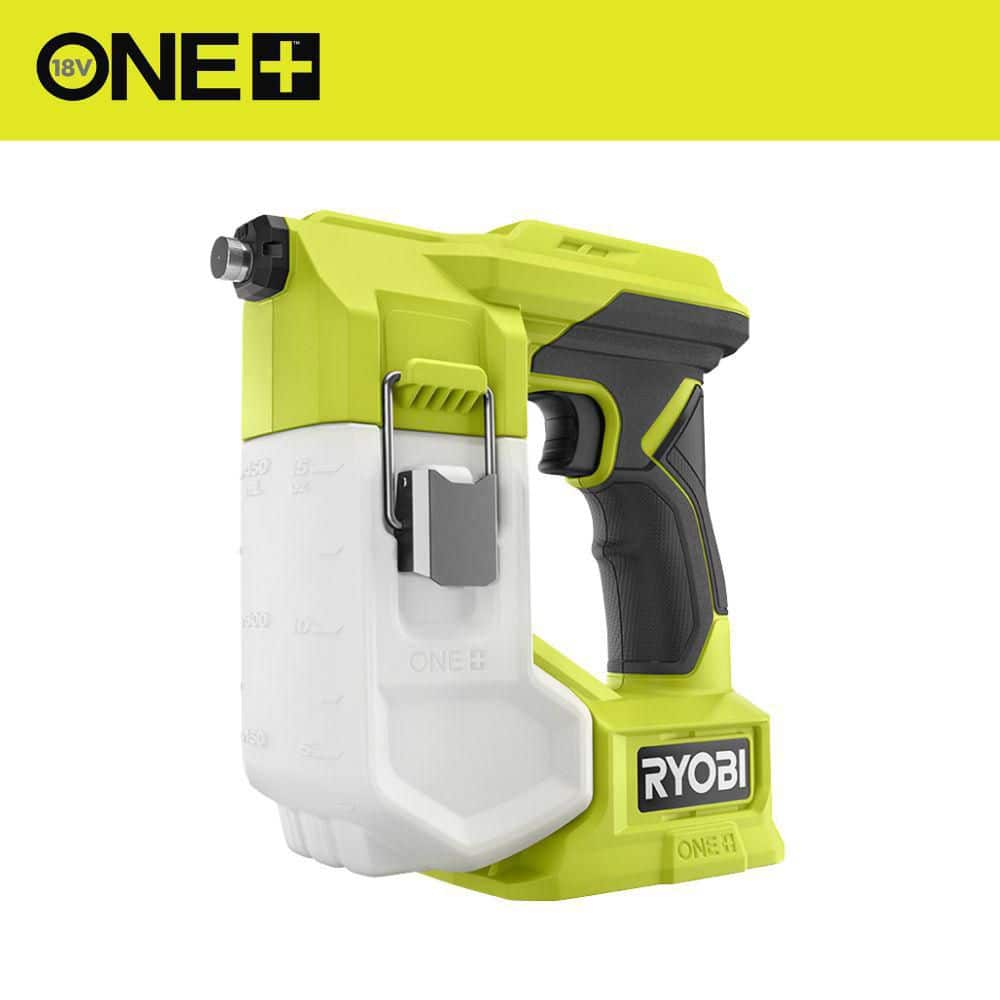
- Battery-Powered Sprayers:Use batteries for spraying. Best for frequent or large jobs.
- Compression Sprayers:Pressurized by hand or motor. They offer steady spray flow.
Materials And Build Quality
Sprayers are made from different materials. The choice affects durability and safety.
| Material | Features | Best Use |
|---|---|---|
| Plastic | Lightweight, affordable, but less durable | Small jobs, occasional use |
| Stainless Steel | Strong, rust-resistant, lasts long | Frequent use, tough chemicals |
| Brass | Durable, corrosion-resistant, heavy | Heavy-duty spraying, professional use |
| Aluminum | Light, rust-proof, moderate strength | Medium-duty, garden and farm use |

Credit: www.brondell.com
Regular Cleaning Practices
Keeping your handheld sprayer clean helps it last longer. It also stops clogs and keeps spraying smooth.
Regular cleaning is easy and saves time later. Follow simple steps after each use to care for your sprayer.
Rinsing After Each Use
Always rinse your sprayer with clean water after spraying. This removes leftover chemicals or liquids inside.
Rinsing stops buildup that can block the sprayer. It keeps the sprayer ready for the next job.
- Empty the tank completely
- Fill the tank with clean water
- Spray water through the nozzle
- Empty the tank again
- Wipe the outside with a damp cloth
Deep Cleaning The Nozzle
Clogs often happen in the nozzle. Deep cleaning keeps it clear and working well.
Remove the nozzle carefully and soak it in warm soapy water. Use a soft brush to clean inside the holes.
- Detach the nozzle from the sprayer
- Soak it in warm, soapy water for 10-15 minutes
- Use a soft brush or toothpick to clear small holes
- Rinse the nozzle with clean water
- Dry it before attaching back to the sprayer
Proper Storage Techniques
Keeping your handheld sprayer in good shape needs the right storage methods. Proper storage stops damage and makes it last longer.
Learn how to store your sprayer safely to avoid common problems like leaks or cracks.
Avoiding Extreme Temperatures
Do not keep your sprayer where it gets too hot or too cold. Extreme heat can melt parts. Cold can cause liquids inside to freeze.
Freezing can crack the tank and damage seals. Heat can warp plastic and break fittings.
- Store sprayer in a cool, dry place
- Keep it out of direct sunlight
- Avoid leaving it in freezing areas
- Do not store near heaters or radiators
Safe Placement To Prevent Damage
Place your sprayer where it won’t fall or get hit. Dropping it can cause cracks or leaks.
Keep it away from sharp objects and heavy tools. Make sure it stands upright to avoid spills.
- Use hooks or shelves for storage
- Keep away from children and pets
- Do not stack heavy items on top
- Ensure the lid is tightly closed

Credit: www.amazon.com
Routine Maintenance Checks
Maintaining your handheld sprayer helps it last longer. Regular checks keep it working well.
Simple maintenance tasks prevent bigger problems. Check your sprayer often to avoid damage.
Inspecting Seals And Gaskets
Seals and gaskets stop leaks and keep pressure steady. Check them for cracks or wear.
Replace any damaged seals right away. This keeps your sprayer safe and efficient.
- Look for cracks or breaks in seals
- Check gaskets for dryness or stiffness
- Replace worn parts with new ones
- Clean seals to remove dirt and residue
Lubricating Moving Parts
Lubrication reduces friction and wear on moving parts. Use the right oil or grease for your sprayer.
Apply lubricant regularly to keep parts moving smoothly. Avoid over-lubricating, which can cause dirt buildup.
- Identify moving parts like triggers and pumps
- Use manufacturer-recommended lubricants
- Apply a small amount evenly on parts
- Wipe off excess lubricant to prevent dirt
Troubleshooting Common Issues
Handheld sprayers can have small problems that stop them from working well. Fixing these issues quickly helps you finish your tasks on time.
Two common problems are clogs in the nozzle and leaks in the sprayer. Knowing how to fix them saves money and effort.
Fixing Clogs And Blockages
Clogs happen when dirt or residue blocks the sprayer nozzle. This stops the spray from coming out evenly or at all.
To clear clogs, remove the nozzle and soak it in warm water. Use a soft brush or toothpick to clean inside the nozzle carefully.
- Take off the nozzle from the sprayer
- Soak it in warm, soapy water for 10 minutes
- Use a soft brush or toothpick to clear blockages
- Rinse the nozzle with clean water
- Reattach the nozzle and test the spray
Addressing Leaks
Leaks occur when seals or hoses wear out or crack. This causes fluid to escape and lowers sprayer pressure.
Check seals, O-rings, and hoses for damage. Replace any broken parts and tighten loose connections to stop leaks.
- Inspect seals and O-rings for cracks or wear
- Look over hoses for holes or splits
- Tighten any loose connections or fittings
- Replace damaged parts with correct replacements
- Test the sprayer to confirm no leaks remain
Tips For Extending Sprayer Lifespan
Maintaining your handheld sprayer ensures it works effectively for years. Regular care and mindful use can keep it in top condition.
Follow these simple tips to extend your sprayer’s lifespan. This guide focuses on using the right chemicals and avoiding overpressure.
Using Appropriate Chemicals
Using the correct chemicals is crucial for sprayer maintenance. Some chemicals can damage the sprayer’s components.
- Read the chemical label instructions carefully.
- Choose chemicals compatible with your sprayer’s material.
- Store chemicals in a cool, dry place to prevent deterioration.
Avoiding Overpressure
Overpressure can cause leaks and damage seals in your sprayer. Always monitor the pressure gauge if available.
If you notice leaks, release pressure immediately and inspect the seals. Replace any worn or damaged parts promptly.
Credit: www.homedepot.com
Frequently Asked Questions
How Often Should I Clean My Handheld Sprayer?
Clean your handheld sprayer after every use. This prevents clogging and chemical buildup. Regular cleaning extends the sprayer’s lifespan and ensures efficient spraying.
What Is The Best Way To Store A Handheld Sprayer?
Store your sprayer in a cool, dry place. Empty all liquids before storage. Proper storage prevents damage and corrosion, keeping the sprayer ready for future use.
How Can I Prevent Nozzle Clogs In Sprayers?
Rinse the nozzle with clean water after each use. Use a soft brush to remove debris gently. This prevents blockages and maintains a steady spray pattern.
When Should I Replace Handheld Sprayer Parts?
Replace parts showing wear or damage immediately. Check seals, nozzles, and hoses regularly. Timely replacement maintains sprayer efficiency and avoids leaks or malfunctions.
Conclusion
Regular care keeps your handheld sprayer working well. Clean it after each use to avoid clogs. Check the nozzle and seals for damage often. Store it in a dry, cool place to last longer. Small steps protect your sprayer and save money.
Keep it ready for your next gardening task. Simple maintenance makes a big difference every time.

