
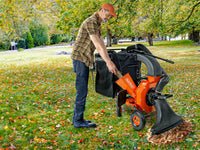
Are you tired of your leaf vacuum clogging just when you need it most? Clogs can turn a simple yard cleanup into a frustrating chore, wasting your time and energy.
But what if you could keep your leaf vacuum running smoothly every time you use it? You’ll discover easy and effective tips to prevent clogging, so your cleanup goes faster and feels effortless. Keep reading to make your leaf vacuum work smarter, not harder!
Common Causes Of Leaf Vacuum Clogs
Leaf vacuums help keep yards clean but can clog easily. Knowing what causes clogs helps you avoid problems.
Clogs stop your vacuum from working well. Watch out for wet leaves, large branches, bag issues, and overfilling.
Wet Leaves And Debris
Wet leaves stick together and block the vacuum tube. Debris like mud or grass can also cause clogs.
To reduce clogs, only vacuum dry leaves and clear extra debris before starting.
Large Branches And Twigs
Big branches and thick twigs do not pass easily through the vacuum. They often get stuck inside the machine.
- Trim large branches before vacuuming
- Pick up thick twigs by hand
- Use the vacuum only for leaves and small debris
Improper Bag Attachment
If the collection bag is not attached correctly, debris can block the vacuum’s airflow.
- Align the bag opening with the vacuum outlet
- Secure all clips or straps tightly
- Inspect the bag for holes or tears before use
Overfilled Collection Bags
Overfilling the bag causes leaves to block airflow and clog the vacuum.
| Problem | Solution |
| Bag too full | Empty the bag before it is completely full |
| Leaves stuck inside bag | Shake the bag gently to loosen debris |
| Bag not cleaned regularly | Clean or replace the bag when dirty |
Choosing The Right Leaf Vacuum
Choosing the right leaf vacuum helps you avoid clogging. It also makes cleaning leaves easier and faster.
Consider important features like power, suction, size, and extra functions before buying a leaf vacuum.
Power And Suction Capacity
Power and suction capacity decide how well a leaf vacuum works. Strong suction pulls more leaves and dirt.
- Choose a vacuum with enough power for your yard size.
- Higher suction reduces chances of clogging.
- Electric models suit small yards, gas models work well for large areas.
Vacuum Vs. Mulcher Features
Leaf vacuums often have mulcher features. Mulching cuts leaves into smaller pieces to avoid clogs.
| Feature | Vacuum | Mulcher |
| Leaf Size | Works best with dry, small leaves | Chops leaves into small bits |
| Clogging Risk | Higher without mulching | Lower due to shredded leaves |
| Bag Capacity | Larger, fills slower | Smaller, fills faster but compact leaves |
Size And Weight Considerations
Size and weight affect how easy the vacuum is to use. Heavy vacuums can tire you quickly.
Use this checklist to pick a good size and weight:
- Choose lightweight models for long use
- Make sure the vacuum fits your storage space
- Check handle design for comfort
- Test balance to avoid strain
Preparation Before Vacuuming
Preparing your yard before using a leaf vacuum can save time and prevent clogs. Taking simple steps helps the vacuum work better and last longer.
Focus on clearing large debris, drying wet leaves, and checking for obstructions. These actions keep the vacuum running smoothly.
Clearing Large Debris
Large debris can block the vacuum and cause damage. Remove items like sticks, stones, and trash before vacuuming.
- Pick up sticks and branches by hand
- Remove rocks and large stones
- Clear away toys and garden tools
- Dispose of trash and plastic items
Drying Wet Leaves
Wet leaves are heavy and sticky. They can clog the vacuum quickly. Let leaves dry before vacuuming to avoid this problem.
| Condition | Vacuuming Effect |
| Wet Leaves | Clog and slow machine |
| Dry Leaves | Flow easily through vacuum |
| Mixed Wet and Dry | Partial clog risk |
Checking For Obstructions
Obstructions inside the vacuum hose or chute can cause jams. Check these areas before starting your work.
- Vacuum hose for blockages
- Leaf chute for stuck leaves
- Collection bag for full capacity

Credit: superhandyus.com
Vacuuming Techniques To Prevent Clogs
Leaf vacuums help keep yards clean by quickly removing leaves. Clogging reduces their efficiency and can cause damage. Using the right vacuuming techniques can prevent these clogs and extend the tool’s life.
This guide covers simple methods to avoid clogging your leaf vacuum. Focus on steady movement, bag management, and intake cleaning for best results.
Maintaining Steady Movement
Move the vacuum smoothly and steadily across the leaf pile. Avoid stopping or moving too fast. Sudden stops or quick movement can cause leaves to bunch up and block the intake.
- Keep a consistent speed while vacuuming.
- Overlap passes slightly to cover all leaves.
- Do not rush; slow and steady is better.
Avoiding Overloading The Bag
Empty the vacuum bag regularly to keep airflow strong. A full bag reduces suction and causes clogs. Watch the bag size and do not let it fill completely before emptying.
| Bag Fill Level | Effect on Vacuum |
| Less than half | Good airflow, no clog risk |
| Half to three-quarters | Reduced suction, watch closely |
| Full or near full | High clog risk, empty immediately |
Regularly Clearing The Intake
Check the intake area often for stuck leaves or debris. Clearing blockages prevents buildup that causes clogs. Use a stick or tool to gently remove any stuck material.
Tips for Clearing Intake:
- Turn off the vacuum before cleaning.
- Use a small brush or stick to remove debris.
- Inspect the intake after every 10-15 minutes of use.
- Wear gloves to protect your hands.
Maintenance Tips For Leaf Vacuums
Leaf vacuums help keep your yard clean. Proper care stops clogs and keeps the machine working well.
Regular maintenance saves time and prevents damage. Follow these tips to avoid clogs in your leaf vacuum.
Cleaning The Filter And Tubes
Filters and tubes collect dirt and leaves. Clean them often to keep air flowing freely through the vacuum.
Remove the filter and shake off dust. Use water and mild soap for deep cleaning. Dry it fully before use.
- Check tubes for stuck leaves or debris
- Use a long brush or air compressor to clear tubes
- Replace damaged filters quickly to prevent clogging
Inspecting And Replacing Parts
Wear and tear can cause parts to fail and block airflow. Look over your vacuum regularly to find issues early.
Check belts, blades, and seals for cracks or breaks. Replace worn parts with the correct replacements to keep the vacuum working well.
- Examine belts for cracks or looseness
- Check blades for dullness or damage
- Replace seals that look worn or cracked
- Use parts made for your specific vacuum model
Proper Storage Practices
Store your leaf vacuum in a dry, clean place. Good storage protects parts and prevents rust or damage.
Empty the vacuum bag or container after each use. Keep the vacuum covered to avoid dust buildup during storage.
- Clean the vacuum before storing
- Remove and dry filters fully
- Store in a cool, dry area away from moisture
- Cover the vacuum to protect from dust

Credit: www.reddit.com
Troubleshooting Common Clogging Issues
Clogging issues with your leaf vacuum can be frustrating and affect its performance. Regular maintenance and troubleshooting can help prevent clogs and ensure your leaf vacuum runs smoothly.
Identifying Blockages
A blockage in your leaf vacuum can be caused by various factors, including wet leaves, debris, and blockages in the vacuum’s hose or impeller. Identifying the source of the blockage is essential to resolve the issue.
- Check for wet leaves or debris in the vacuum’s hose or impeller
- Inspect the vacuum’s intake and exhaust ports for blockages
- Verify that the vacuum’s filter is clean and free of debris
Safe Ways To Clear Clogs
To clear clogs safely, follow these steps:
- Turn off the vacuum and unplug it from the power source
- Remove any visible blockages, such as leaves or debris, from the vacuum’s hose or impeller
- Use a soft-bristled brush or a specialized cleaning tool to clean the vacuum’s intake and exhaust ports
- Replace the vacuum’s filter if it’s dirty or clogged
When To Seek Professional Help
If you’re unsure about how to clear a clog or if the issue persists after trying the above steps, it’s best to seek professional help from a leaf vacuum repair technician. They can diagnose and fix the issue, ensuring your leaf vacuum runs safely and efficiently.
Regular maintenance and proper use of your leaf vacuum can help prevent clogs and extend its lifespan. Always refer to the manufacturer’s instructions for specific guidance on maintenance and troubleshooting.
Credit: www.lawnsite.com
Frequently Asked Questions
How Can I Prevent My Leaf Vacuum From Clogging?
Regularly clean the vacuum’s intake and bag. Avoid vacuuming wet or sticky leaves. Use a vacuum with a larger intake capacity for heavy loads.
What Types Of Leaves Cause Frequent Clogs?
Wet, thick, or sticky leaves like oak or maple sap cause clogs. Dry, smaller leaves are less likely to clog the vacuum.
How Often Should I Empty The Leaf Vacuum Bag?
Empty the bag when it’s half full to maintain airflow. This prevents overfilling and reduces the chances of clogging.
Can Adjusting The Vacuum’s Suction Help Avoid Clogs?
Yes, lowering suction power prevents large debris from blocking the vacuum. Adjust settings based on leaf type and quantity for best results.
Conclusion
Keeping your leaf vacuum clear prevents clogs and saves time. Empty the bag or container often to avoid blockages. Use dry leaves instead of wet ones for better airflow. Check the nozzle and hose for stuck debris regularly. Clean filters as needed to keep your vacuum working well.
These simple steps help your leaf vacuum last longer. Enjoy a smooth, hassle-free yard cleanup every time.

