
Are you wondering what pressure your pump sprayer should have for the best results? Using the right pressure makes all the difference in how evenly your spray covers surfaces and how easy the sprayer is to handle.
Too little pressure means weak coverage, while too much can cause damage or waste. You’ll discover exactly what pressure level works best for different tasks, helping you get the job done faster and cleaner. Keep reading to find out how to make your pump sprayer work perfectly every time.

Credit: www.youtube.com
Ideal Pressure Range
Choosing the right pressure for a pump sprayer is important. It affects how well the sprayer works.
Too much pressure can cause damage. Too little pressure means poor coverage.
Recommended Psi For Common Sprayers
Different sprayers need different pressure levels. Most pump sprayers work best between 20 and 60 PSI.
- Garden sprayers: 30 to 40 PSI
- Backpack sprayers: 40 to 50 PSI
- Handheld sprayers: 20 to 30 PSI
- Pressure washers: 50 to 60 PSI
Staying in these ranges helps spray evenly and saves effort.
Pressure Variations By Application
Different jobs need different pressure levels. Low pressure is best for delicate plants.
High pressure works well for tough cleaning and large areas.
| Application | Recommended PSI |
|---|---|
| Indoor plants | 20-30 PSI |
| Outdoor garden | 30-40 PSI |
| Pest control | 40-50 PSI |
| Cleaning surfaces | 50-60 PSI |
Factors Affecting Pump Pressure
Pump sprayers need the right pressure to work well. Too much or too little pressure can cause problems. Many things affect the pressure inside a pump sprayer.
Knowing these factors helps you choose the best pressure for your task. Some parts of the sprayer and the liquid you use change the pressure needed.
Nozzle Type And Size
The nozzle controls how the liquid sprays out. Different nozzles need different pressures to work well. A small nozzle needs more pressure to push the liquid out.
A large nozzle needs less pressure but sprays more liquid. The shape of the nozzle also changes the spray pattern and pressure needs.
- Fine mist nozzles require higher pressure
- Wide spray nozzles work at lower pressure
- Nozzles with adjustable size allow pressure control
Sprayer Tank Capacity
Bigger tanks hold more liquid but need more effort to pump. Larger tanks often require higher pressure to spray evenly. Small tanks work well with lower pressure.
The weight of the full tank can affect how hard it is to pump. Tank size changes how the pump pressure feels during use.
- Small tanks usually need lower pressure
- Large tanks may require stronger pumps
- Tank size affects how long you can spray continuously
Fluid Viscosity
Viscosity means how thick or thin the liquid is. Thick liquids need more pressure to spray out. Thin liquids flow easily with less pressure.
Water-like fluids need low pressure. Oils or thick chemicals need higher pressure to move through the nozzle.
- Low viscosity fluids require less pressure
- High viscosity fluids need higher pressure
- Adjust pressure based on the liquid type
Adjusting And Measuring Pressure
Maintaining the right pressure in a pump sprayer is key for effective spraying. Too much or too little pressure can affect the spray pattern and coverage.
Learning to measure and adjust pressure helps you get the best results from your sprayer. This guide covers how to use pressure gauges and manual adjustment methods.
Using Pressure Gauges
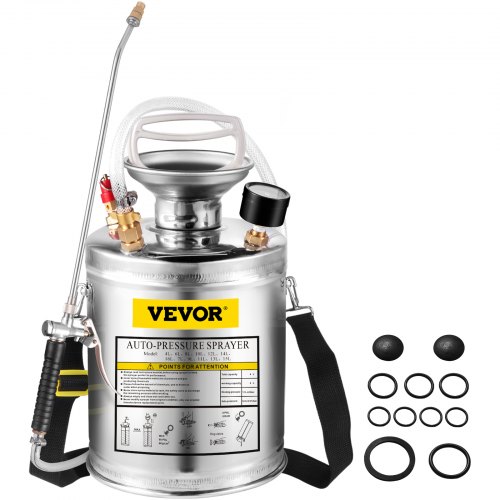
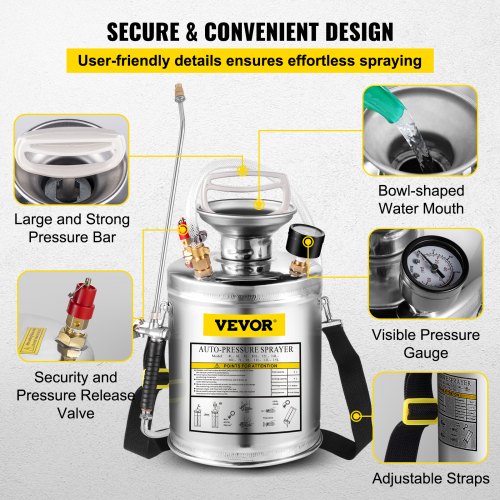
Pressure gauges show the current pressure inside the sprayer tank. They help you keep the pressure within the right range for your task.
- Attach the gauge to the sprayer valve or pump.
- Check the reading before and during spraying.
- Keep pressure between 20 and 40 psi for most applications.
- Replace the gauge if it shows incorrect readings.
Manual Pressure Adjustment Techniques
You can change the pressure without a gauge by controlling how much you pump and by releasing air if needed.
| Action | Effect on Pressure |
| Pump handle quickly | Increases pressure |
| Pump handle slowly | Raises pressure gently |
| Press release valve | Decreases pressure |
| Stop pumping | Pressure stays steady |
Credit: www.vevor.ca
Effects Of Incorrect Pressure
Using the right pressure in a pump sprayer is very important. Too little or too much pressure can cause problems.
Incorrect pressure affects how well the sprayer works and can damage the equipment or plants.
Under Pressure Issues
When the pressure is too low, the spray may not cover the area properly. This causes uneven application of liquids.
Low pressure can make the sprayer drip or leak. It also wastes time because you must spray more.
- Poor coverage on plants or surfaces
- Dripping or leaking spray
- Wasted liquid and more time spent
- Reduced effectiveness of the spray
Over Pressure Risks
Too much pressure can damage the pump sprayer and its parts. It may cause leaks or cracks.
High pressure can make the spray too strong. This can harm plants or cause the liquid to drift away.
- Damage to sprayer parts and seals
- Spray mist drifts away from target area
- Harm to delicate plants or surfaces
- Risk of injury from sudden spray bursts
Maintenance Tips For Consistent Pressure
Pump sprayers need regular care to maintain consistent pressure. Proper maintenance ensures efficient performance and extends the life of your sprayer.
Here are some essential tips to help you keep your pump sprayer in top condition.
Cleaning And Replacing Parts
Clean your sprayer after each use. This prevents clogs and maintains good pressure. Pay attention to the nozzle and hose, as they are prone to blockage.
Check parts regularly for wear and tear. Replace any damaged components to ensure your sprayer functions properly.
- Rinse the tank with water after use
- Remove and clean the nozzle
- Inspect seals and gaskets for damage
- Replace worn-out parts promptly
Storage Practices
Proper storage of your pump sprayer is crucial for maintaining pressure. Store your sprayer in a cool, dry place to prevent damage.
Make sure the sprayer is empty and clean before storing. This helps avoid corrosion and keeps the sprayer ready for its next use.
- Empty the sprayer completely
- Store in a dry location
- Keep away from direct sunlight
- Ensure all parts are dry before storing
Credit: www.vevor.ca
Safety Precautions
Using a pump sprayer needs care to avoid accidents. High pressure can cause injury if handled wrong. Always follow safety rules to protect yourself and others.
Knowing how to handle pressure and wear the right gear is key. This guide covers important safety tips for pump sprayers.
Handling High Pressure Safely
Pump sprayers can reach high pressure levels. Too much pressure can cause the sprayer to burst or spray unexpectedly. Take these steps to stay safe:
- Check the sprayer’s maximum pressure limit before use.
- Do not exceed the recommended pressure level.
- Release pressure slowly after use.
- Keep the sprayer away from heat sources.
- Inspect hoses and seals for damage regularly.
Protective Gear Recommendations
Wearing the right protective gear reduces injury risks. Some items protect your skin and eyes from chemicals and spray pressure.
| Protective Item | Purpose |
| Safety Goggles | Protect eyes from spray and splashes |
| Gloves | Protect hands from chemicals and pressure |
| Long Sleeves | Protect arms from contact with spray |
| Closed-Toe Shoes | Protect feet from spills and drops |
Frequently Asked Questions
What Is The Ideal Pressure For A Pump Sprayer?
The ideal pressure for most pump sprayers ranges between 20 to 40 PSI. This range ensures effective spray coverage and prevents nozzle clogging or damage.
How Does Pressure Affect Pump Sprayer Performance?
Higher pressure improves spray reach and coverage but may cause misting. Lower pressure results in coarser droplets and less reach.
Can Too Much Pressure Damage A Pump Sprayer?
Yes, excessive pressure can damage seals and valves. It may cause leaks or reduce the sprayer’s lifespan.
How Do I Measure The Pressure In A Pump Sprayer?
Use a pressure gauge attached to the sprayer. Some sprayers have built-in gauges for easy monitoring during use.
Conclusion
Choosing the right pressure for a pump sprayer matters a lot. Too high pressure can cause damage. Too low pressure means poor spray coverage. Most sprayers work well between 20 and 40 PSI. Always check your sprayer’s guide before use.
Proper pressure helps save time and product. It makes spraying easier and more effective. Keep your sprayer clean for best results. Adjust pressure based on what you spray and where. Good pressure ensures plants get the care they need. Simple steps lead to better spraying every time.

