
Are you tired of struggling to keep your lawn clean on those tricky hills and slopes? You might be wondering, do lawn sweepers actually work on hills, or are they just a hassle waiting to happen?
If you’ve been searching for an easy way to gather leaves, grass clippings, and debris without bending over or using a blower, this question matters a lot. You’ll discover the truth about lawn sweepers on uneven ground and learn practical tips to make your yard work easier and more effective.
Keep reading—you’re about to find out how to take control of your hillside lawn cleanup once and for all.
How Lawn Sweepers Operate
Lawn sweepers help clean your yard by picking up leaves, grass, and debris. They work by moving over the ground and collecting waste into a bag or container.
Understanding how lawn sweepers work can help you decide if they are right for your lawn, especially on hills and uneven surfaces.
Types Of Lawn Sweepers
There are different types of lawn sweepers to fit various lawn sizes and tasks. Each type uses a unique method to gather debris.
- Push Lawn Sweepers:These are manual and need you to push them across the lawn. They are best for small yards.
- Tow-Behind Lawn Sweepers:These attach to a lawn tractor or mower. They cover more ground quickly and are good for large lawns.
- Powered Lawn Sweepers:These have a motor that turns the brushes. They require less effort and work well on tough debris.
Mechanics Behind Sweeping
Lawn sweepers use rotating brushes to lift debris off the ground. The brushes spin as you move the sweeper forward.
| Component | Function |
| Brushes | Rotate to sweep leaves and grass into the hopper |
| Wheels | Drive the brush rotation and move the sweeper forward |
| Hopper or Bag | Collects the swept debris for easy disposal |
| Frame | Supports all parts and ensures stability on the lawn |

Credit: www.familyhandyman.com
Challenges Of Using Sweepers On Hills
Lawn sweepers help clean leaves and debris from grass. Using them on flat ground is easy. Hills add extra challenges that can affect how well they work.
It is important to understand these challenges to use sweepers safely and effectively on slopes.
Effect Of Slope On Performance
Slopes change how a lawn sweeper moves. Steep hills can slow the sweeper down or make it hard to push.
The brushes may not touch the grass evenly. This causes some debris to stay behind. Sweeping uphill needs more effort from the user.
Common Issues Faced
Using a lawn sweeper on hills can cause several problems. The sweeper might tip over or slide down the slope.
Brushes can wear out faster if they hit the ground unevenly. The sweeper may also miss spots on the hill.
- Difficulty pushing the sweeper uphill
- Uneven brush contact with grass
- Risk of tipping or sliding on steep slopes
- Incomplete debris pickup on angled surfaces
- Increased wear on sweeper parts
Choosing The Right Sweeper For Slopes
Lawn sweepers can be a handy tool for keeping your yard clean. But do they work well on hills?
Choosing the right sweeper for slopes can make your task easier. Here are some tips to help you.
Features To Look For
When selecting a sweeper for hilly terrain, consider these features. They can help you maintain a neat lawn.
- Adjustable height settings
- Wide wheelbase for stability
- Durable brushes for effective sweeping
- Lightweight design for easy maneuvering
Top Models For Hilly Terrain
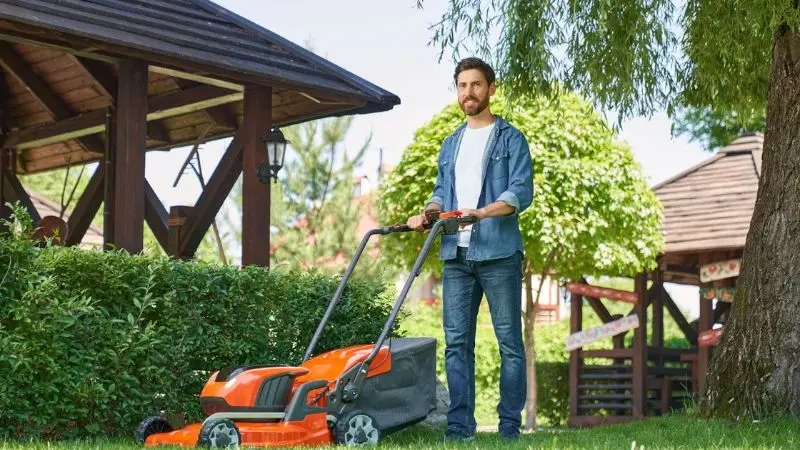
Here are some top models that perform well on slopes. These sweepers are designed to handle uneven ground.
| Model | Features |
| HillPro 3000 | Wide wheels, adjustable height |
| SlopeMaster X | Lightweight, durable brushes |
| TerrainTamer 500 | Extra stability, easy to push |
Credit: www.vevor.com
Techniques For Sweeping Hills Effectively
Lawn sweepers help collect leaves, grass, and debris efficiently. Using them on hills needs special care. Proper techniques keep you safe and improve results.
Adjusting your speed and direction can make sweeping hills easier. Safety tips are also important to avoid accidents on inclines.
Adjusting Speed And Direction
Slow down when you sweep on a hill. Moving too fast can make the sweeper unstable. Changing direction helps cover the slope better.
- Use a lower speed to maintain control.
- Sweep straight up or down the hill, not across.
- Make gentle turns to avoid tipping.
- Stop often to check the sweeper’s position.
Safety Tips On Inclines
Working on hills can be risky. Follow safety rules to prevent falls or equipment damage. Use the right stance and equipment settings.
| Safety Tip | Description |
| Wear sturdy shoes | Good grip reduces slipping on slopes. |
| Keep the sweeper steady | Hold handles firmly and avoid sudden moves. |
| Check hill angle | Steep hills need extra caution or help. |
| Clear obstacles first | Remove rocks or branches before sweeping. |
Alternatives To Lawn Sweepers On Hills
Lawn sweepers can struggle on sloped surfaces. Hills make it hard to push or pull them evenly. This can reduce their effectiveness and safety.
There are other tools and equipment designed to work better on hills. These options can help you keep your lawn clean and tidy without the risks.
Manual Tools
Manual tools are simple and safe to use on hills. They do not rely on motors, so control is easier on slopes. Here are some manual tools that can help:
- Leaf rakes – They allow you to gather leaves and debris without slipping.
- Brooms with stiff bristles – Good for pushing leaves on hard surfaces.
- Handheld leaf blowers – Lightweight and easy to handle uphill.
- Garden gloves – Protect your hands while working manually.
Other Lawn Care Equipment
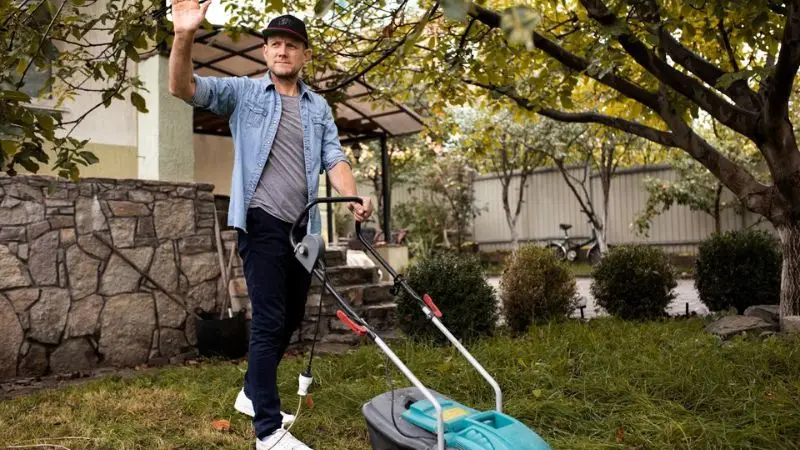
Some lawn care machines are built to handle hills better than lawn sweepers. These tools can make cleanup faster and safer on slopes.
| Equipment | Benefit on Hills | Notes |
|---|---|---|
| Riding Lawn Mower with Collection Bag | Stable and powerful on slopes | Ensure mower has hill safety features |
| Backpack Leaf Blower | Hands-free movement and control | Good for uneven ground |
| Gas or Electric Leaf Vacuum | Lightweight and easy to manage | Choose models with adjustable speed |
| Push Lawn Sweeper with Large Wheels | Better traction on hills | Still needs caution on steep slopes |
Credit: www.vevor.com
Maintenance Tips For Sweepers Used On Hills
Lawn sweepers work differently on hills than on flat ground. Using them on slopes puts extra stress on parts.
Proper maintenance helps your sweeper last longer and work well on hills. Follow these tips to keep it in good shape.
Preventing Wear And Tear
Sweepers on hills face more friction and strain. Check brushes and wheels often for damage or wear.
Keep the moving parts clean and lubricated. Dirt and debris can cause parts to wear out faster.
- Inspect brushes for bent or broken bristles
- Tighten loose bolts and screws regularly
- Lubricate wheel axles and brush bearings
- Avoid using the sweeper on very steep slopes
Storage Recommendations
Store your sweeper in a dry, covered place to prevent rust and damage. Avoid leaving it outdoors.
Before storing, clean the sweeper well. Remove grass, dirt, and moisture to keep parts from rotting or corroding.
- Store on a flat surface to keep wheels and brushes aligned
- Cover the sweeper with a tarp or use a storage bag
- Check the sweeper monthly during off-season
- Charge batteries if your sweeper is electric
Frequently Asked Questions
Do Lawn Sweepers Work Well On Hills?
Lawn sweepers can work on gentle hills, but steep slopes reduce efficiency. Use a lightweight model for better control. Avoid very steep terrains to prevent damage or uneven cleaning.
What Lawn Sweeper Types Suit Hilly Yards?
Push lawn sweepers are best for mild slopes due to easy maneuverability. Tow-behind models work on gradual hills if your mower handles inclines safely. Avoid heavy sweepers on steep hills to maintain control.
How To Improve Lawn Sweeper Performance On Slopes?
Maintain moderate walking speed and avoid sharp turns on hills. Ensure the sweeper brushes are properly adjusted for ground contact. Regularly check for debris build-up to keep the sweeper effective on slopes.
Can Hills Damage Lawn Sweepers?
Steep hills can strain lawn sweepers, causing brush wear or wheel damage. Excessive tilting may lead to uneven brush contact or mechanical issues. Use sweepers designed for uneven terrain to minimize damage risks.
Conclusion
Lawn sweepers can work on hills, but results vary. Steeper slopes may be harder to clean evenly. Choose a model with good traction for safety. Small hills are easier to manage with a lawn sweeper. Regular use keeps your yard tidy and debris-free.
Test your sweeper on a slope before full use. Simple care helps your tool last longer. A clean lawn looks neat and feels great. Consider your hill’s steepness before buying a sweeper. A little effort goes a long way in lawn care.

