
Are you dreaming of a lush, green lawn that turns heads next spring? Fall is the perfect time to seed your lawn and set the stage for healthy, vibrant grass.
But how do you get it right? If you’ve ever wondered about the best way to seed your lawn in fall, you’re in the right place. This guide will show you simple, effective steps to help your lawn thrive. Keep reading, and you’ll learn how to transform your yard into the envy of the neighborhood.
:max_bytes(150000):strip_icc()/GettyImages-178590140-1e26fb55549643ebb5517c57e3859066.jpg)
Credit: www.thespruce.com
Benefits Of Fall Seeding
Seeding your lawn in the fall helps your grass grow strong. The cooler weather and moist soil make it easier for seeds to sprout.
Fall seeding gives your lawn a healthy start before winter. It also helps the grass survive the next spring and summer.
Ideal Weather Conditions
Fall brings cooler temperatures and more rain. These conditions help grass seeds grow without drying out.
Soil stays warm enough to support seed germination. The mild weather reduces stress on new grass.
Reduced Weed Competition
Weeds grow less in the fall. This means grass seeds have more space and nutrients to grow.
With fewer weeds, your new grass faces less competition for sunlight and water.
Enhanced Root Development
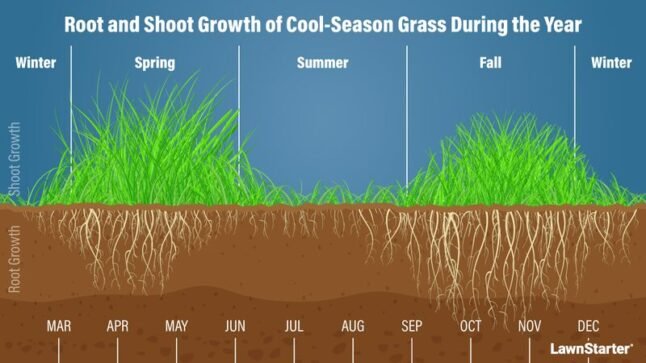
Fall seeding gives grass time to build strong roots before winter. Deep roots help grass survive cold weather.
Strong roots also improve water and nutrient uptake in spring. This leads to a thicker and healthier lawn.

Credit: yardmastery.com
Preparing Your Lawn
Seeding your lawn in fall gives grass a strong start for spring. Proper preparation helps seeds grow well and stay healthy. Follow these steps to ready your lawn for seeding.
Start by clearing the lawn surface, testing the soil, and making sure the grass can breathe. These tasks create the perfect base for new grass to grow.
Clearing Debris And Thatch
Remove leaves, sticks, and old grass to prepare the soil. Thatch is a layer of dead grass that blocks water and nutrients. Clearing it helps seeds reach the soil.
- Rake the lawn to remove debris and thatch.
- Use a dethatching rake or machine if thatch is thick.
- Collect and dispose of all debris to prevent mold or pests.
Soil Testing And Amendments
Test your soil to know its pH and nutrient levels. Healthy soil helps grass grow strong. You can buy a test kit or send samples to a lab.
| Soil Test Result | Recommended Amendment |
| pH below 6.0 | Apply lime to raise pH |
| pH above 7.5 | Apply sulfur to lower pH |
| Low nitrogen | Add nitrogen fertilizer |
| Low phosphorus | Add phosphorus fertilizer |
| Low potassium | Add potassium fertilizer |
Spread amendments evenly using a spreader. Water the lawn lightly after applying to help mix amendments into the soil.
Mowing And Aeration Tips
Mow the grass short before seeding to expose soil. This helps seeds get sunlight and water. Avoid cutting the lawn too short to prevent stress.
- Mow to about 1.5 to 2 inches high.
- Rake up clippings to clear the surface.
- Aerate the soil to reduce compaction and improve root growth.
- Use a spike or plug aerator for best results.
- Aerate especially if soil is heavy clay or compacted.
Choosing The Right Grass Seed
Picking the right grass seed is key to a healthy lawn. It affects how well your lawn grows in fall.
Different seeds work better in different climates and soil types. Learn about your options before buying.
Cool-season Vs Warm-season Grasses
Cool-season grasses grow best in cooler fall and spring temperatures. Warm-season grasses thrive in hot summers.
- Cool-season grasses: Kentucky bluegrass, fescue, ryegrass
- Warm-season grasses: Bermuda, zoysia, St. Augustine
- Choose based on your region’s climate and soil
Seed Quality And Types
High-quality seed has a high germination rate and few weed seeds. Low-quality seed may not grow well.
| Seed Type | Description |
| Certified Seed | Tested and guaranteed quality |
| Common Seed | May contain weed seeds or lower germination |
| Pelleted Seed | Seed coated for easier planting |
| Bulk Seed | Sold loose; usually cheaper but less pure |
Blends And Mixtures
Blends mix different types of the same grass species. Mixtures combine different species for varied traits.
- Blends improve uniform growth and color
- Mixtures increase lawn resilience and adaptability
- Choose blends or mixtures suited for your lawn needs
Seeding Techniques
Seeding a lawn in fall helps grass grow strong before winter. The cooler weather and moist soil make it easier for seeds to sprout. Using the right seeding techniques improves your lawn’s chances of success.
This guide covers spreading methods, seed-to-soil contact, and overseeding strategies. Each section explains how to prepare and care for your lawn during fall seeding.
Spreading Methods
There are several ways to spread grass seed evenly on your lawn. Choosing the right method depends on your lawn size and seed type.
- Broadcast Spreading:Toss seeds by hand or use a spreader to cover large areas quickly.
- Drop Spreading:Use a drop spreader for precise seed placement in small or patchy areas.
- Slit Seeding:Use a machine that cuts grooves in the soil and drops seed directly into them.
Seed-to-soil Contact
Good seed-to-soil contact helps seeds absorb water and nutrients. Without it, seeds may dry out or fail to grow.
| Method | How It Helps |
|---|---|
| Raking | Loosens soil and removes debris for better seed contact. |
| Rolling | Presses seeds gently into the soil to secure them. |
| Watering | Keeps soil moist to encourage seed germination. |
Overseeding Strategies
Overseeding adds new grass seed to an existing lawn. It fills thin spots and improves lawn density.
- Start by mowing your lawn short to allow seed to reach soil.
- Remove grass clippings and debris for better seed contact.
- Spread seed evenly over the lawn surface.
- Lightly rake to mix seed into the soil surface.
- Water the lawn gently and keep soil moist until grass sprouts.
Post-seeding Care
After seeding your lawn in fall, taking care of the new grass is very important. Good care helps the seeds grow strong roots and healthy blades.
Follow simple steps to make sure your lawn gets the right water, nutrients, and protection from damage.
Watering Schedule
New grass seeds need consistent moisture to sprout. Water lightly but often to keep the soil damp, not soaked.
Water your lawn 2 to 3 times a day for the first two weeks. Use gentle watering to avoid washing seeds away.
- Water early in the morning and late afternoon
- Keep soil moist but not waterlogged
- Reduce watering frequency as grass grows
Fertilizing Tips
Fertilizer gives new grass the nutrients it needs to grow strong. Use a starter fertilizer high in phosphorus to help roots develop.
Apply fertilizer about three to four weeks after seeding. Avoid over-fertilizing, which can harm young grass.
- Choose a fertilizer labeled for new lawns
- Follow package instructions carefully
- Water after fertilizing to help absorption
Protecting New Seedlings
New grass seedlings are fragile and need protection from foot traffic and pets. Avoid walking on the lawn until the grass is strong.
Use barriers or signs to keep people and animals off the seeded area. Remove leaves and debris that block sunlight.
- Keep pets and children off the lawn
- Clear fallen leaves gently
- Use light mulch to protect seeds if needed
Common Challenges And Solutions
Seeding a lawn in fall can be tricky. There are several challenges to face. Proper planning helps overcome these issues.
This guide covers common problems and offers simple solutions. Follow these tips for a healthy lawn.
Dealing With Pests
Pests can harm new grass seeds. They eat seeds before they sprout. Protect your lawn from these threats.
Use natural deterrents to keep pests away. These methods are safe for your lawn and the environment.
- Sprinkle cayenne pepper on the soil
- Install small fences around the seeded area
- Use bird netting to protect seeds
Managing Soil Erosion
Soil erosion can wash away seeds. This prevents grass from growing well. It’s important to manage this issue early.
Use simple techniques to control erosion. These solutions help keep seeds in place.
- Apply a layer of mulch over seeds
- Use straw to cover bare areas
- Create barriers with wood or rocks
Avoiding Disease
Disease can ruin new lawns. It spreads quickly in damp conditions. Preventing disease is crucial for healthy grass.
Keep your lawn healthy by following simple practices. These tips reduce the risk of disease.
- Water early in the day
- Avoid overwatering the lawn
- Choose disease-resistant grass seeds

Credit: goodmenproject.com
Frequently Asked Questions
When Is The Best Time To Seed A Lawn In Fall?
The ideal time to seed a lawn in fall is early to mid-autumn. This timing ensures soil warmth for seed germination and cooler air to reduce stress on new grass.
What Soil Preparation Is Needed Before Fall Seeding?
Before seeding, remove debris, loosen soil, and level the ground. Proper soil prep improves seed-to-soil contact and promotes healthy root growth.
How Often Should I Water Newly Seeded Fall Lawns?
Water newly seeded lawns lightly and frequently, about twice daily. Keep the soil consistently moist until grass seedlings establish, usually 2-3 weeks.
Can I Use Fertilizer When Seeding A Lawn In Fall?
Yes, use a starter fertilizer rich in phosphorus to support root development. Apply it before or after seeding for best results.
Conclusion
Seeding your lawn in fall helps grass grow strong before winter. Cooler weather and moist soil create a perfect start. Keep watering gently and avoid heavy foot traffic on new seeds. Patience pays off as grass starts to fill in.
A healthy lawn looks great and lasts longer. Follow these steps to enjoy a green yard next spring. Fall seeding is a smart choice for lawn care. Try it this season and watch your lawn improve.
