
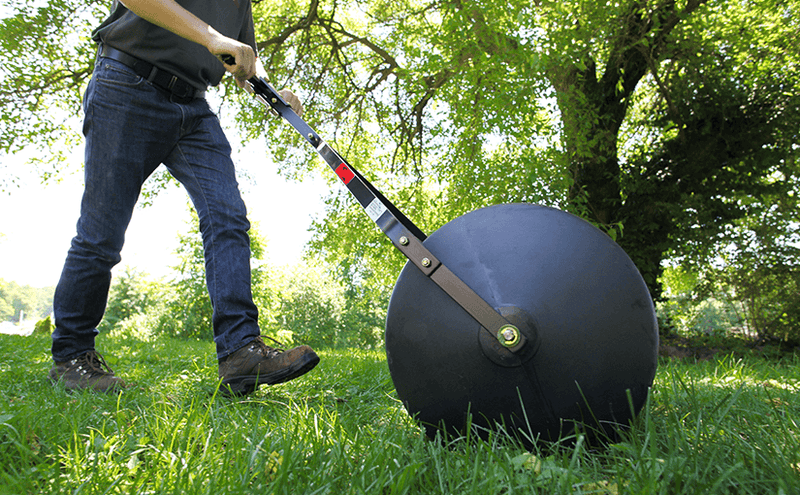
Are you struggling to get your grass seeds to sprout evenly? You might be missing a simple tool that could change everything: a lawn roller.
Imagine having a smooth, firm soil bed that helps your seeds settle in perfectly, boosting their chances to grow strong and healthy. But can a lawn roller really make a difference in seed germination? Keep reading to discover how this easy-to-use tool can improve your lawn’s success and save you time and effort.
Your dream lawn could be just a roll away!

Credit: www.amazon.ca
Benefits Of Using A Lawn Roller
Using a lawn roller can improve the way grass seeds grow. It helps the seeds settle better in the soil. This tool makes the soil firm and reduces empty air spaces under the seeds.
These benefits support stronger and faster seed germination. A lawn roller is a simple tool that helps create a healthy lawn from the start.
Improved Seed-to-soil Contact
A lawn roller presses seeds gently into the soil. This close contact helps seeds absorb moisture better. It also protects seeds from birds and wind.
- Seeds touch the soil firmly.
- Moisture reaches the seeds easily.
- Seeds stay in place during weather changes.
Enhanced Soil Firmness
Rolling the lawn compresses the soil surface. This firmness supports young roots as they grow. Loose soil can cause roots to dry out or move too much.
| Soil Condition | Effect on Seedlings |
| Firm Soil | Stable roots and better water retention |
| Loose Soil | Roots dry out and unstable growth |
Reduced Air Pockets
Air pockets under seeds can block water and nutrients. A lawn roller removes these pockets by pressing the soil down. This helps seeds get what they need to sprout.
Key benefits of reducing air pockets:
- Better water absorption
- Improved nutrient flow
- Stronger seed root connection
How Seed Germination Works
Seed germination is the process where a seed begins to grow into a new plant. It starts when the seed absorbs water and the embryo inside wakes up.
During germination, the seed’s outer shell breaks open. Then, the root grows down to find water, and the shoot grows up to find light.
Essential Conditions For Growth
Seeds need certain conditions to sprout and grow well. These include the right temperature, moisture, oxygen, and sometimes light.
- Water:Seeds must absorb water to swell and start the growth process.
- Temperature:Each seed type has an ideal temperature range for sprouting.
- Oxygen:Seeds need air for respiration to get energy.
- Light:Some seeds need light to germinate, while others need darkness.
Common Challenges In Germination
Several problems can stop seeds from sprouting or slow down growth. These include poor soil, pests, and weather issues.
| Challenge | Effect on Seed |
| Too little water | Seeds stay dry and do not sprout |
| Too much water | Seeds can rot before growing |
| Cold soil | Slow or no germination |
| Pests | Seeds or seedlings get eaten |
| Hard soil | Roots cannot push through |
Impact Of Lawn Rolling On Seed Growth
Lawn rolling is a common practice after seeding to improve soil contact with seeds. It can affect how seeds grow by changing soil conditions. Understanding its impact helps gardeners decide when to use a lawn roller.
This article looks at how lawn rolling affects moisture retention, soil temperature, and risks of over-rolling. These factors influence seed germination and early growth.
Effects On Moisture Retention
Rolling the lawn helps press seeds into the soil, which can improve moisture retention. Good moisture levels are crucial for seed sprouting and root development.
- Improved seed-to-soil contact reduces water loss.
- Soil surface becomes firmer, slowing evaporation.
- Retained moisture supports steady seed germination.
Influence On Soil Temperature
Lawn rolling can slightly raise soil temperature by compacting the surface. Warm soil encourages faster seed germination. But too much compaction may reduce air flow and cool the soil.
| Effect | Impact on Soil Temperature |
| Light Rolling | Moderate increase, helps seed growth |
| Heavy Rolling | Possible reduction, harms soil health |
| No Rolling | Normal temperature, slower seed start |
Potential Risks Of Over-rolling
Too much rolling can harm seed growth. Over-rolling compacts soil too much, making it hard for roots to spread and water to reach seeds. It can also reduce oxygen in the soil.
- Soil compaction reduces pore space for air and water.
- Roots struggle to grow in hard soil.
- Seedlings may fail to emerge or grow weak.
- Water may pool on the surface, causing seed rot.
Credit: www.walmart.com
Best Practices For Using A Lawn Roller
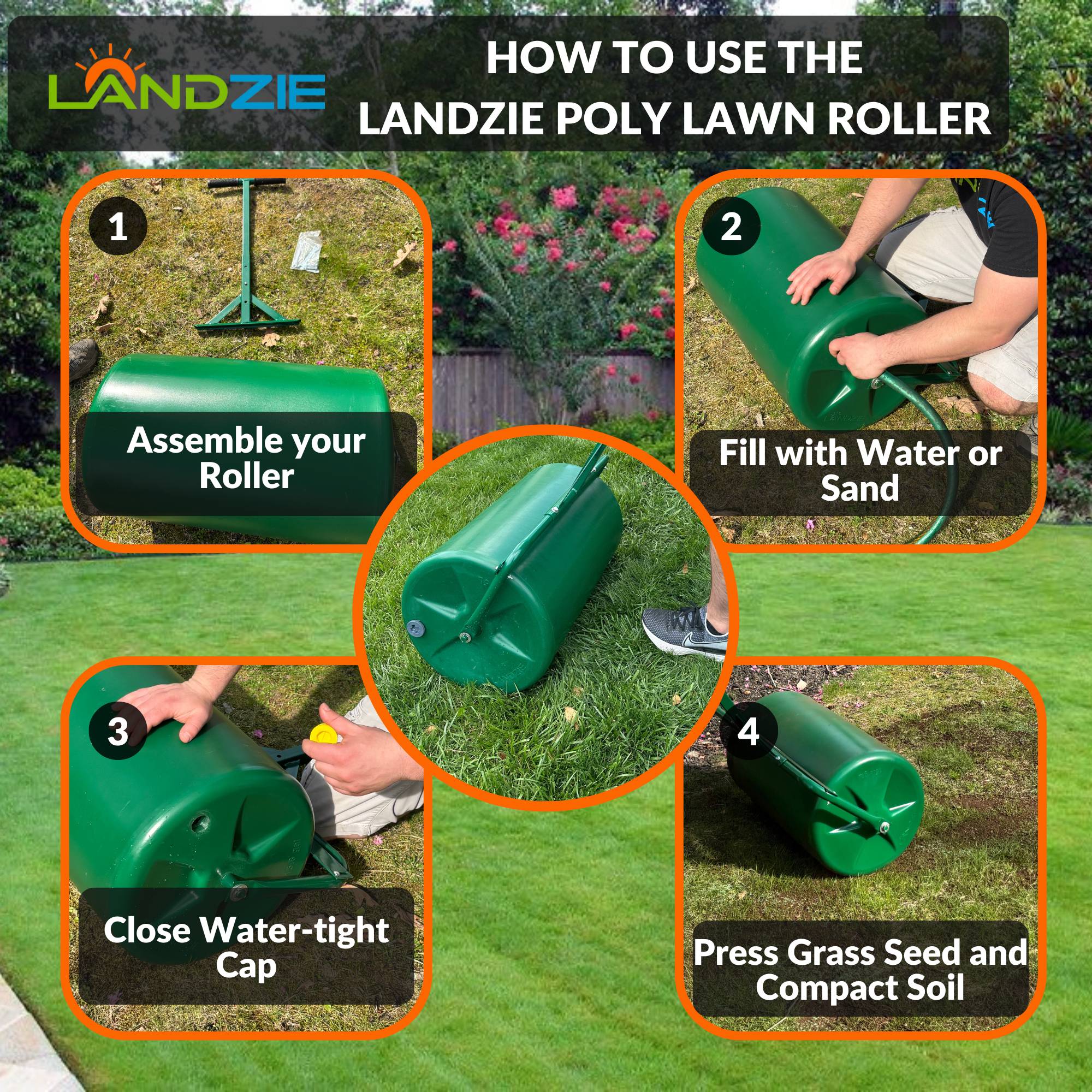
A lawn roller can help press grass seeds into the soil. This makes seed-to-soil contact better. Good contact helps seeds grow strong roots.
Using a lawn roller the right way improves seed germination. You must know when and how to roll your lawn. This guide shares best practices for using a lawn roller.
Timing For Rolling After Seeding
Roll your lawn soon after spreading seeds. Rolling too early can push seeds too deep. Rolling too late may let seeds dry out or wash away.
The best time to roll is right after you rake the seeds lightly into the soil. This helps press seeds into the soil without harming them.
Choosing The Right Roller Weight
Choose a roller weight that suits your soil type. Too heavy can compact soil and stop seed growth. Too light may not press seeds enough.
- Light rollers work well on sandy or loose soil.
- Medium weight rollers suit most soil types.
- Heavy rollers are good for very loose soil but use with care.
Start with a light roller and add weight if needed. Avoid rolling wet soil to prevent damage.
Rolling Techniques For Different Soil Types
Soil type affects how you should roll your lawn. Each soil needs a different approach to avoid harm and boost seed growth.
- Clay soil:Roll lightly to avoid compacting. Use a lighter roller and roll once.
- Sandy soil:Roll more firmly to press seeds well. Use a medium weight roller.
- Loamy soil:Roll evenly with medium weight. Avoid over-rolling to keep soil loose.
Roll in one direction first. Then roll perpendicular for even seed contact and soil firming.
Alternatives To Lawn Rolling
Lawn rolling is a tool some gardeners use to help grass seed settle. It presses seeds into the soil for better contact. But there are other ways to help seeds grow strong.
These methods protect seeds and improve soil conditions. They can be easier or safer than using a lawn roller. Let’s look at two good options.
Top Dressing Methods
Top dressing means putting a thin layer of material on the soil surface. This helps keep seeds moist and safe from wind or birds. It also adds nutrients and improves soil texture.
- Use fine compost or sand to cover seeds lightly.
- Apply a thin layer, about ¼ inch thick.
- Spread evenly to avoid smothering the seeds.
- Water the area gently after spreading.
- Repeat top dressing if needed during dry spells.
Using Mulch For Seed Protection
Mulch can protect new grass seeds from drying out. It keeps soil temperature stable and stops weeds from growing fast. Organic mulches break down and add nutrients.
| Mulch Type | Benefit | Application Tip |
| Straw | Keeps moisture in soil | Use clean, weed-free straw |
| Grass Clippings | Adds nutrients | Apply thin layers to avoid matting |
| Shredded Leaves | Improves soil texture | Use dry leaves to prevent mold |
Credit: worldcommunity.ca
Real-life Experiences And Tips
Using a lawn roller can help with seed germination. Many gardeners find it useful. It presses seeds into the soil. This keeps them safe and moist.
Some gardeners share their experiences. They offer tips for better results. A lawn roller can make a difference in seed growth.
Gardener Success Stories
Jane from Ohio used a lawn roller last spring. Her lawn was lush and green. She says it helped her seeds stay in place. Rain did not wash them away.
Mark from Texas rolled his lawn after seeding. He noticed quicker germination. He says the seeds stayed moist longer. His garden was the best in his neighborhood.
- Jane’s seeds were safe from rain
- Mark saw faster seed growth
- Both gardeners had lush lawns
Common Mistakes To Avoid
Some gardeners make mistakes with lawn rollers. Rolling when the soil is too wet is one error. This can compact the soil too much. Roots cannot grow easily.
Another mistake is using a heavy roller. It can damage the grass. Light rollers work best for new seeds. They press gently without harming growth.
- Avoid rolling wet soil
- Use a light roller for new seeds
- Do not over-roll the lawn
Frequently Asked Questions
Can A Lawn Roller Improve Seed-to-soil Contact?
Yes, a lawn roller helps press seeds into the soil. This improves seed-to-soil contact, which boosts germination rates and promotes healthy grass growth.
When Should I Use A Lawn Roller For Seed Germination?
Use a lawn roller immediately after spreading seeds. Rolling ensures seeds settle evenly into the soil, protecting them from birds and drying out.
Does Lawn Rolling Affect Soil Compaction?
Light rolling is beneficial, but heavy rolling can compact soil. Avoid excessive rolling to maintain good soil aeration and root development.
Can A Lawn Roller Replace Watering For Seed Germination?
No, rolling helps seed contact but doesn’t replace watering. Proper watering remains essential to keep seeds moist and encourage germination.
Conclusion
A lawn roller can help seeds stay in place and touch the soil well. This contact helps seeds absorb water and start growing. Rolling the lawn gently after seeding makes the soil smooth and firm. It also stops birds from eating the seeds.
But don’t press too hard; seeds need space to grow roots. Use the roller carefully to improve seed germination and get a healthy lawn. Small steps like this can make a big difference in your garden’s success.

