
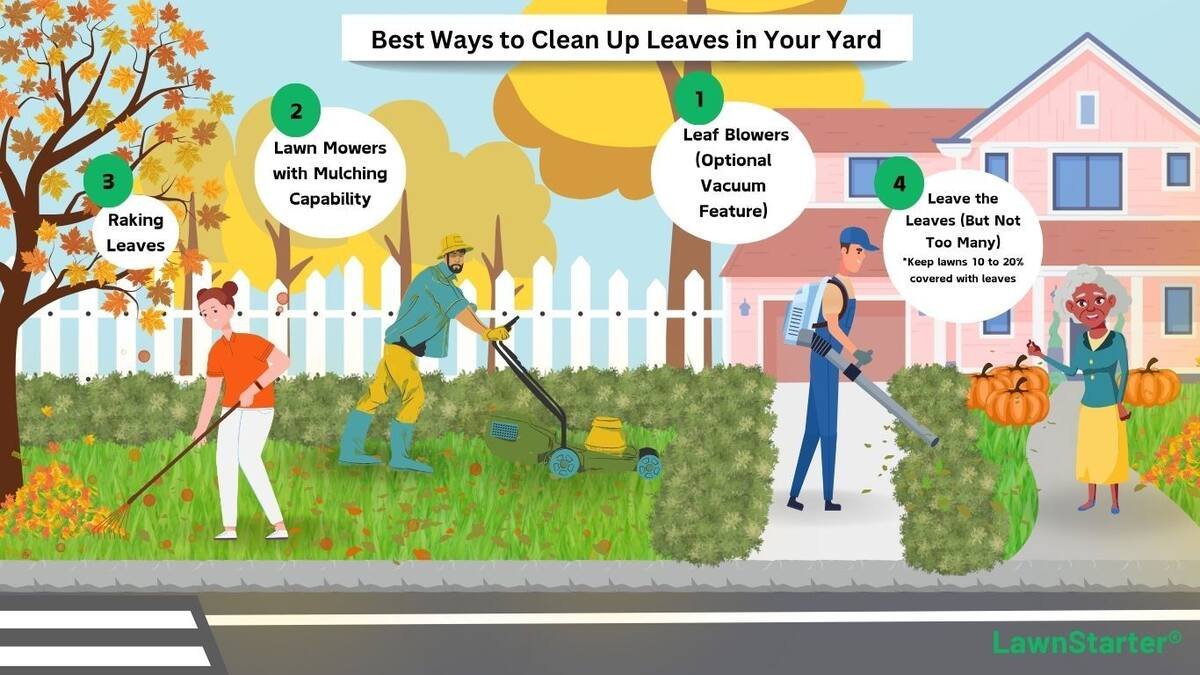
Leaves piling up in your yard can quickly become a hassle. If you’ve ever spent hours raking only to feel like you’re back at square one the next day, leaf vacuuming might be the game-changer you need.
But using a leaf vacuum the right way isn’t just about turning it on and going to work. There are smart techniques that can save you time, protect your lawn, and even extend the life of your equipment. Ready to discover the best practices for leaf vacuuming your yard?
Keep reading, and you’ll learn how to make your yard cleanup faster, easier, and more effective than ever before.
Choosing The Right Leaf Vacuum
Leaf vacuuming makes yard cleaning easier and faster. Picking the right leaf vacuum helps you work well and save time.
There are many leaf vacuums on the market. Knowing what to look for helps you get the best one for your yard.
Types Of Leaf Vacuums
Leaf vacuums come in different types. Each type fits certain yard sizes and tasks better than others.
- Handheld Leaf Vacuums:Small and light. Good for small yards and quick cleanups.
- Backpack Leaf Vacuums:Worn on your back. They give more power and comfort for bigger jobs.
- Push Leaf Vacuums:Like a lawn mower. Best for large yards with many leaves.
- Electric vs Gas:Electric vacuums are quiet and easy to maintain. Gas vacuums are stronger but louder.
Features To Look For
Some features make leaf vacuums easier to use and more effective. Look for these before you buy.
- Power:More power means better leaf pickup and shredding.
- Weight:Lighter vacuums reduce fatigue during long use.
- Bag Capacity:Larger bags hold more leaves, so you empty less often.
- Noise Level:Quieter models are better for neighborhoods.
- Adjustable Speed:Helps control suction for different leaf amounts.
- Comfort Features:Padded straps and ergonomic handles improve ease of use.
Budget Considerations
Leaf vacuums come in many price ranges. Choose one that fits your budget and needs.
Cheaper models work well for small yards. Higher-priced vacuums offer more power and features.
- Set a budget before shopping to avoid overspending.
- Consider long-term costs like fuel or electricity.
- Look for models with good reviews on durability.
- Check if replacement parts are easy to get.
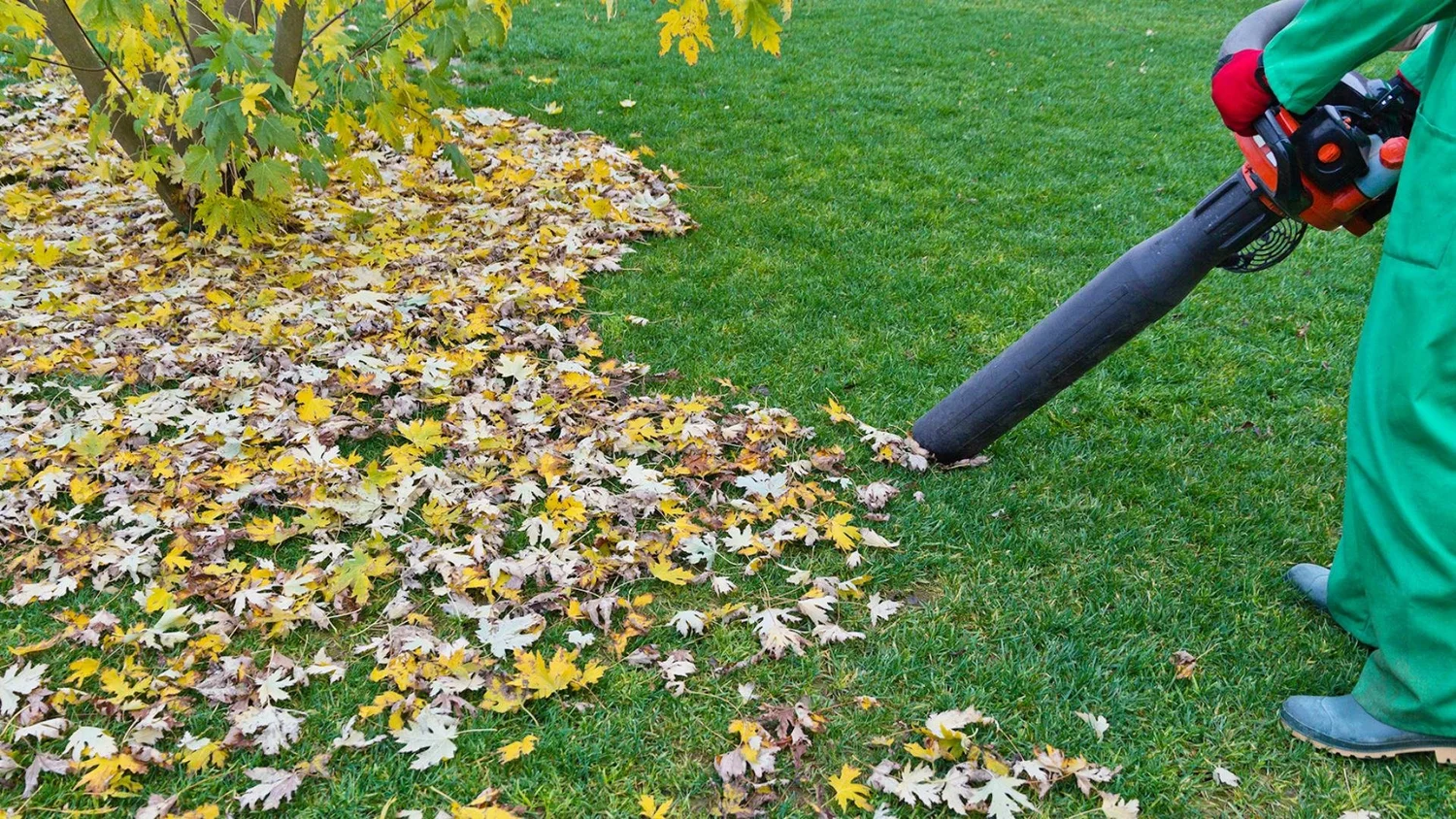
Credit: www.ecograssus.com
Preparing Your Yard For Vacuuming
Before using a leaf vacuum, prepare your yard carefully. This helps the vacuum work well and keeps you safe.
Follow simple steps to get your yard ready. Clear obstacles, check the weather, and take safety measures.
Clearing Obstacles
Remove items that can block the vacuum or cause damage. Look for toys, garden tools, and large sticks.
- Pick up toys and sports equipment
- Move garden hoses and flower pots
- Clear large branches and stones
- Close pet doors to keep pets inside
Timing And Weather
Choose the right time and weather for vacuuming leaves. Avoid wet or windy days for best results.
| Best Time | Early morning or late afternoon |
| Weather | Dry, calm days |
| Days to Avoid | Rainy or very windy days |
Safety Precautions
Wear proper gear and be careful to avoid injury during vacuuming. Follow these safety tips.
- Wear gloves and eye protection
- Use ear protection if the vacuum is loud
- Keep children and pets away
- Check the vacuum for damage before use
Vacuuming Techniques For Efficiency
Leaf vacuuming helps keep your yard clean and tidy. Using the right techniques saves time and energy.
Efficient vacuuming reduces the effort needed and improves results. Learn how to vacuum smarter, not harder.
Optimal Vacuuming Patterns
Use straight lines or overlapping circles to cover the yard. Avoid missing spots by moving slowly and steadily.
Start at the farthest corner and work toward the exit. This method keeps you from stepping on cleaned areas.
- Move in rows or grids for full coverage
- Overlap passes to catch all leaves
- Keep a steady speed to avoid jams
Adjusting Settings For Different Leaves
Leaf types vary in size and toughness. Adjust the vacuum settings to match the leaf type for best results.
Use higher suction for heavy or wet leaves. Lower settings work well for dry, light leaves to save power.
- Increase suction for large, thick leaves
- Lower suction for small, dry leaves
- Adjust the nozzle height to avoid clogging
Handling Wet Vs. Dry Leaves
Wet leaves stick together and can clog the vacuum. Dry leaves are easier to vacuum but may blow away if suction is too low.
For wet leaves, use slow, steady movements. For dry leaves, increase suction and vacuum quickly to collect them efficiently.
- Wet leaves need slower vacuuming to prevent blockages
- Dry leaves require stronger suction to avoid blowing away
- Empty the collection bag often to keep airflow steady
Maintaining Your Leaf Vacuum
Keeping your leaf vacuum in good shape helps it work better and last longer. Regular care stops problems and saves money.
Learn simple tips to clean, store, and fix common issues with your leaf vacuum.
Cleaning And Storage Tips
Clean your leaf vacuum after each use to avoid clogs and damage. Remove leaves and dirt from the bag and tubes.
Store the vacuum in a dry, cool place to protect it from rust and wear. Cover it to keep dust away.
- Empty and clean the collection bag
- Clear leaves from suction tubes
- Wipe down the exterior with a damp cloth
- Store indoors away from moisture
- Use a cover or cloth to protect from dust
Regular Maintenance Tasks
Check your leaf vacuum often for signs of wear. Tighten loose parts and replace damaged components.
Keep the engine or motor in good condition by following the manufacturer’s guide. Change oil and filters as needed.
- Inspect and tighten screws and bolts
- Replace worn or torn bags
- Check belts and replace if cracked
- Change oil regularly for gas models
- Clean or replace air filters
Troubleshooting Common Issues
If your leaf vacuum loses power or clogs, check for blockages in tubes and bags. Clear any stuck leaves.
For engine problems, check fuel levels and spark plugs. Replace or clean parts as needed to restore function.
- Remove debris from all airways
- Check spark plug for damage or dirt
- Refill fuel or replace old fuel
- Inspect belts and tubes for cracks or holes
- Consult the manual for error codes or signs
Eco-friendly Yard Care Practices
Taking care of your yard can help the environment. Using eco-friendly ways keeps your yard healthy and green.
Leaf vacuuming is a useful tool. It helps clean leaves while supporting green yard care habits.
Composting Leaves
Composting leaves turns them into rich soil. This soil helps plants grow better without chemicals.
Collect leaves with your vacuum and add them to your compost pile. Mix leaves with kitchen scraps for best results.
- Leaves add carbon to compost
- Mix green and brown materials evenly
- Turn compost often for faster breakdown
Reducing Waste
Leaf vacuuming helps reduce yard waste. Instead of bagging leaves, you can recycle them naturally.
Use fewer plastic bags by collecting leaves in reusable containers. This lowers trash and saves money.
- Use leaf vacuums to gather leaves quickly
- Choose reusable bags or bins for collection
- Avoid burning leaves to prevent air pollution
Using Leaf Vacuum Byproducts
Leaf vacuum byproducts include shredded leaves and small debris. These materials have many uses in the yard.
You can spread shredded leaves as mulch. Mulch protects plants and keeps soil moist during dry weather.
- Use shredded leaves to cover flower beds
- Mulch helps stop weeds from growing
- Leaves break down slowly, adding nutrients

Credit: www.the-sun.com

Credit: www.familyhandyman.com
Frequently Asked Questions
What Is The Best Time To Use A Leaf Vacuum?
The best time to use a leaf vacuum is during dry weather. Early morning or late afternoon is ideal. Wet leaves can clog the machine and reduce efficiency.
How Do I Maintain My Leaf Vacuum For Longevity?
Regularly clean the filters and empty the collection bag. Check for blade sharpness and remove debris after use. Store in a dry place to prevent rust and damage.
Can Leaf Vacuums Handle Large Yard Areas Effectively?
Yes, leaf vacuums can handle large yards if they have a powerful motor and wide intake. Choose models with high capacity bags for efficiency.
Are Leaf Vacuums Safe For Use Around Pets And Children?
Leaf vacuums are generally safe if used properly. Keep pets and children away during operation. Follow manufacturer safety guidelines to prevent accidents.
Conclusion
Using leaf vacuums keeps your yard clean and healthy. Regular leaf removal prevents lawn damage and pests. Choose the right vacuum for your yard size and leaf type. Always follow safety tips to avoid accidents. Clean your equipment after each use for better performance.
With these simple steps, leaf vacuuming becomes easy and effective. Enjoy a neat yard throughout the fall season. Keep your outdoor space tidy with little effort. Simple habits lead to great yard care results.

