
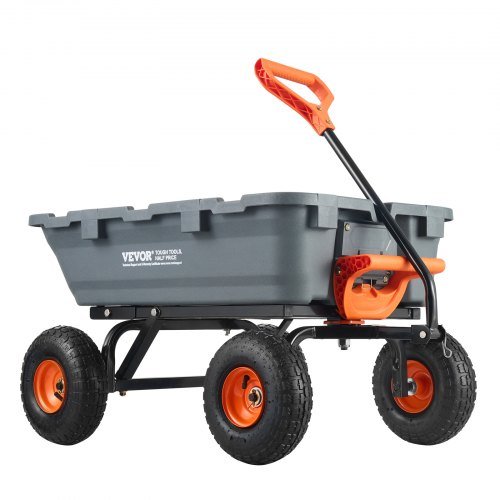
Handling a heavy wheelbarrow can feel risky and overwhelming. You might worry about dropping the load or hurting yourself.
But what if you could unload it quickly, safely, and without stress? In this guide, you’ll discover simple, practical steps to protect your body and keep your work smooth. Keep reading, and learn how to make unloading heavy wheelbarrows easier than ever before.
Your safety and peace of mind are just a few tips away.
Preparing For Unloading
Unloading a heavy wheelbarrow safely requires good preparation. Taking time to get ready can prevent injuries and damage.
Focus on key steps before you unload. These include checking the load, the area, and the wheelbarrow itself.
Assessing The Load Weight
Know the weight of your load before you start unloading. This helps you decide if you need help or extra tools.
- Check the type of materials in the wheelbarrow
- Estimate if the load feels heavy or light
- Use a scale if available to weigh the load
- Ask for assistance if the load is too heavy
Clearing The Unloading Area
Make sure the space where you will unload is free of obstacles. This helps you move safely and avoid tripping.
| Task | Check |
| Ground surface | Even and stable |
| Nearby objects | Clear away tools and debris |
| Path to unloading spot | Free of obstructions |
| Weather conditions | Dry and safe |
Checking Wheelbarrow Condition
Inspect the wheelbarrow before unloading. A safe tool reduces the risk of accidents.
- Look for cracks or damage on the tray
- Check the tire pressure and wheel condition
- Ensure handles are secure and not loose
- Test the brakes if your wheelbarrow has them
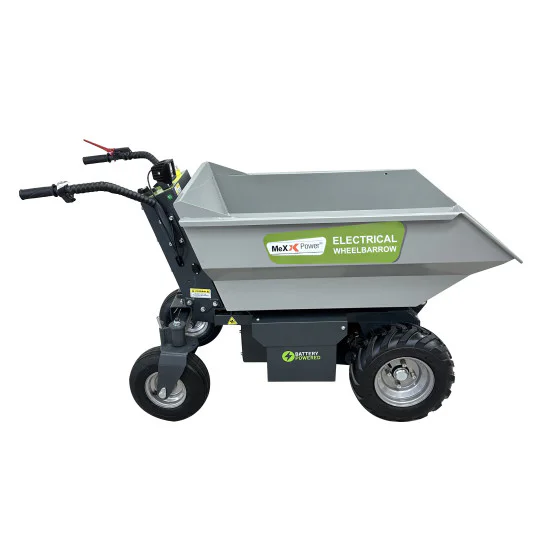
Credit: gtadiamondtools.com
Proper Body Mechanics
Unloading a heavy wheelbarrow can strain your body if you do not use correct movements. Proper body mechanics help prevent injuries and make the task easier.
Focus on how you lift, balance, and position your body. These habits protect your muscles and joints during heavy work.
Correct Lifting Techniques
Start lifting by bending your knees and squatting down. Keep your back straight and head up. Hold the wheelbarrow close to your body before lifting.
- Stand close to the load with your feet shoulder-width apart.
- Bend your knees, not your waist.
- Grip the handles firmly with both hands.
- Keep your back straight and chest forward.
- Lift slowly by straightening your legs.
Maintaining Balance And Posture
Good balance keeps you stable while unloading. Keep your weight evenly on both feet. Avoid twisting your body as you move the wheelbarrow.
| Do | Don’t |
| Keep feet flat and wide apart | Stand with feet too close or uneven |
| Look forward, not down | Twist your torso while unloading |
| Use slow, controlled movements | Make sudden or jerky motions |
Using Your Legs, Not Your Back
Your legs have strong muscles for lifting. Let your legs do the work, not your lower back. This reduces the risk of back pain or injury.
- Bend your knees deeply before lifting.
- Push through your heels to stand up.
- Keep your back straight and core tight.
- Do not bend or twist your spine.
- Take breaks if your legs feel tired.
Step-by-step Unloading Process
Unloading a heavy wheelbarrow safely is important to avoid injuries and damage. Follow simple steps to control the weight and balance.
This guide explains how to position, tilt, and release the load carefully.
Positioning The Wheelbarrow
Place the wheelbarrow on a flat, stable surface before unloading. Make sure the front wheel is straight and the handles are easy to reach.
Standing behind the wheelbarrow gives you better control over the load.
Controlling The Tilt
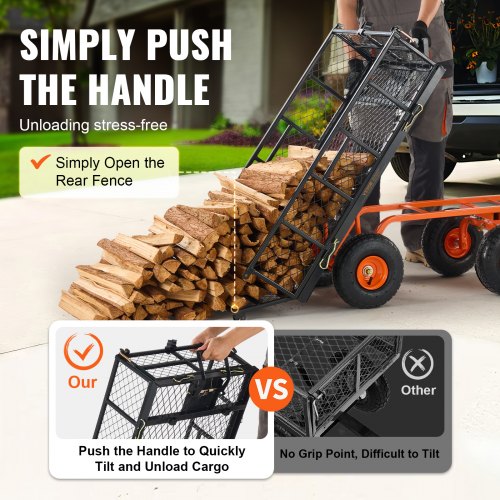
Hold the handles firmly with both hands. Slowly tilt the wheelbarrow forward to start unloading.
Keep your back straight and bend your knees slightly to support the weight.
- Grip handles tightly
- Tilt slowly to avoid sudden spills
- Use leg muscles to help with balance
Slow And Steady Release
Do not dump the load all at once. Let the materials flow out gradually to maintain control.
Pause if the load feels unstable, then continue unloading at a steady pace.
- Release the load slowly
- Watch the material fall to avoid spills
- Stop and adjust if needed
Credit: www.vevor.ca
Tools And Accessories
Unloading a heavy wheelbarrow safely requires the right tools and accessories. These help reduce strain and prevent accidents.
Using proper equipment makes the job easier and protects your body from injury.
Using Support Stands
Support stands hold the wheelbarrow steady while unloading. They stop it from tipping over and causing spills.
Place the stands under the wheelbarrow handles or frame before you start unloading. This gives you more control.
- Choose sturdy stands that can carry the wheelbarrow weight
- Adjust the height to keep the wheelbarrow level
- Use stands on flat ground for stability
Leveraging Ramps And Platforms
Ramps and platforms help unload heavy wheelbarrows by reducing lifting effort. They let you slide the load down gently.
Use a ramp with a low incline to keep control and avoid sudden drops. Platforms can raise the unloading point to a comfortable height.
- Secure ramps firmly so they do not move
- Check ramps for damage before use
- Use platforms to align the wheelbarrow height with the target spot
Protective Gear Recommendations
Wearing protective gear helps prevent injuries when unloading heavy wheelbarrows. Choose gear that fits well and feels comfortable.
Gloves protect your hands from blisters and cuts. Boots with good grip stop slips and falls.
- Wear gloves with good padding and grip
- Use boots with non-slip soles
- Consider knee pads if you kneel while unloading
- Wear a back brace for extra support if needed
Common Mistakes To Avoid
Unloading a heavy wheelbarrow can be tricky. Many people make simple errors that cause injury or damage. Knowing what to avoid helps keep you safe and your work easy.
This guide covers common mistakes in unloading a heavy wheelbarrow. Avoiding these will protect your back, hands, and surroundings.
Overloading The Wheelbarrow
One big mistake is putting too much weight in the wheelbarrow. Overloading makes it hard to control and unload. It also strains your muscles and joints.
- Do not fill the wheelbarrow above its capacity.
- Distribute weight evenly to keep balance.
- Lift smaller loads if the material is very heavy.
- Check the wheelbarrow’s weight limit before loading.
Ignoring Surroundings
Ignoring the area around you is a common error. Obstacles, uneven ground, or people nearby increase risk. Always watch where you unload.
| Hazard | Risk | Solution |
| Loose gravel | Wheelbarrow slips | Clear or choose firm ground |
| Nearby people | Accidental injury | Warn others and keep distance |
| Uneven ground | Loss of balance | Unload on flat surface |
Rushing The Unloading
Rushing can cause you to lose control of the wheelbarrow. It raises the chance of dropping the load or hurting yourself. Take your time for safety.
Tips to avoid rushing:
- Set a steady pace when moving the wheelbarrow.
- Lower the wheelbarrow slowly when unloading.
- Use proper lifting techniques to avoid strain.
- Take breaks if you feel tired or stressed.
Maintenance Tips For Safety
Unloading a heavy wheelbarrow can be tricky. Proper maintenance ensures safety. Regular checks help keep your wheelbarrow in top condition.
Simple maintenance steps can prevent accidents. Follow these tips to handle your wheelbarrow safely.
Regular Wheel And Handle Checks
Wheels and handles are vital parts of a wheelbarrow. Inspect them regularly for wear and tear. Loose or damaged parts can cause accidents.
Tighten any loose screws or bolts. Replace damaged handles. Check wheels for cracks or splits.
- Inspect handles for cracks or splits
- Tighten loose screws and bolts
- Check wheels for damage
Keeping Tires Properly Inflated
Properly inflated tires ensure smooth movement. Check tire pressure regularly. Under-inflated tires make it hard to control the wheelbarrow.
Use a pressure gauge to check the tires. Inflate them to the recommended pressure. This helps prevent tipping over.
- Check tire pressure monthly
- Use a pressure gauge for accuracy
- Inflate to recommended levels
Lubricating Moving Parts
Moving parts need lubrication to work smoothly. Lubricate axles and joints to prevent rust and wear. Smooth movement reduces strain and risk of accidents.
Use appropriate lubricants for metal and plastic parts. Apply them regularly to ensure long-lasting performance.
- Lubricate axles and joints often
- Use suitable lubricants for each part
- Check for rust and wear

Credit: www.dreamstime.com
Frequently Asked Questions
How Do I Unload A Heavy Wheelbarrow Safely?
To unload a heavy wheelbarrow safely, stand close to the load. Lower the handles slowly and tilt the wheelbarrow forward. Keep your back straight and use your legs to control the movement. Avoid sudden shifts to prevent spills and injuries.
What Is The Best Posture For Unloading Wheelbarrows?
Maintain a straight back and bend your knees slightly. Use your legs to lift or lower the wheelbarrow. Keep the load close to your body to reduce strain. This posture minimizes the risk of back injuries and improves stability during unloading.
How Can I Prevent Wheelbarrow Tipping When Unloading?
Balance the load evenly before unloading. Lower the wheelbarrow slowly and avoid sudden tilts. Keep both hands firmly on the handles. Position your feet for stable support. These steps help prevent tipping and ensure a controlled unload.
Should I Empty A Wheelbarrow All At Once?
It’s safer to unload in smaller portions if the load is very heavy. Gradual unloading reduces strain and risk of accidents. For lighter loads, emptying all at once is usually fine. Always prioritize safety and control during unloading.
Conclusion
Safety matters most when unloading a heavy wheelbarrow. Use your legs, not your back, to lift. Keep the wheelbarrow steady and go slow. Avoid sudden moves that can cause spills or injury. Always check your path before unloading. Practice these steps to protect yourself and your work.
Safe unloading helps finish tasks smoothly and without harm. Remember, careful handling saves time and keeps you safe. Simple actions make a big difference every time.

