
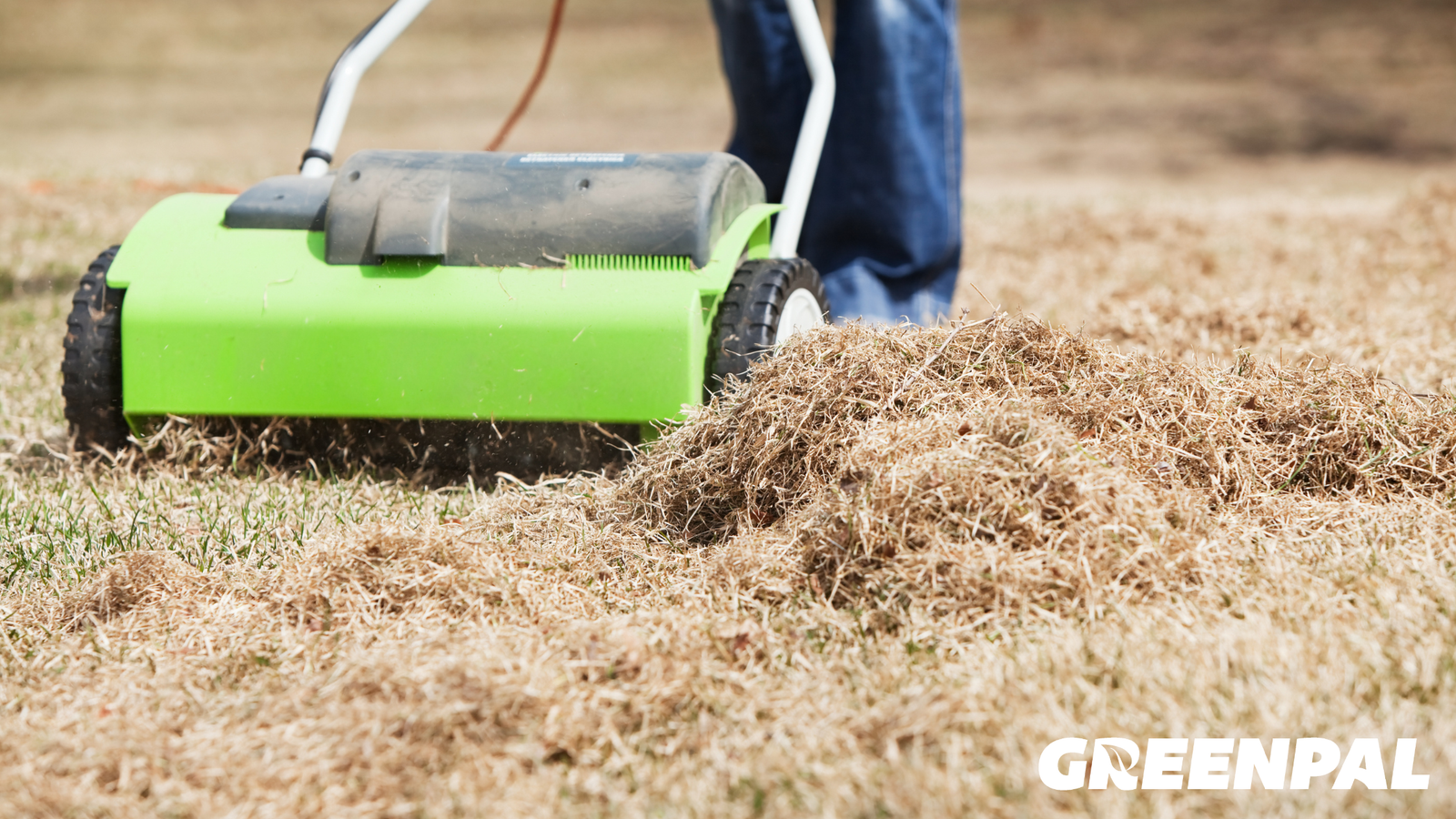
Is your lawn looking patchy, weak, or just not as healthy as you want it to be? You might be wondering if lawn dethatching is the secret fix you need.
But is lawn dethatching really worth the effort and cost? Before you grab that dethatcher or call a professional, it’s important to understand what dethatching does, how it affects your grass, and whether it’s the right step for your lawn care routine.
Keep reading to find out if dethatching will give your lawn the boost it deserves or if you should focus your energy elsewhere.
Credit: www.yourgreenpal.com
What Is Lawn Dethatching
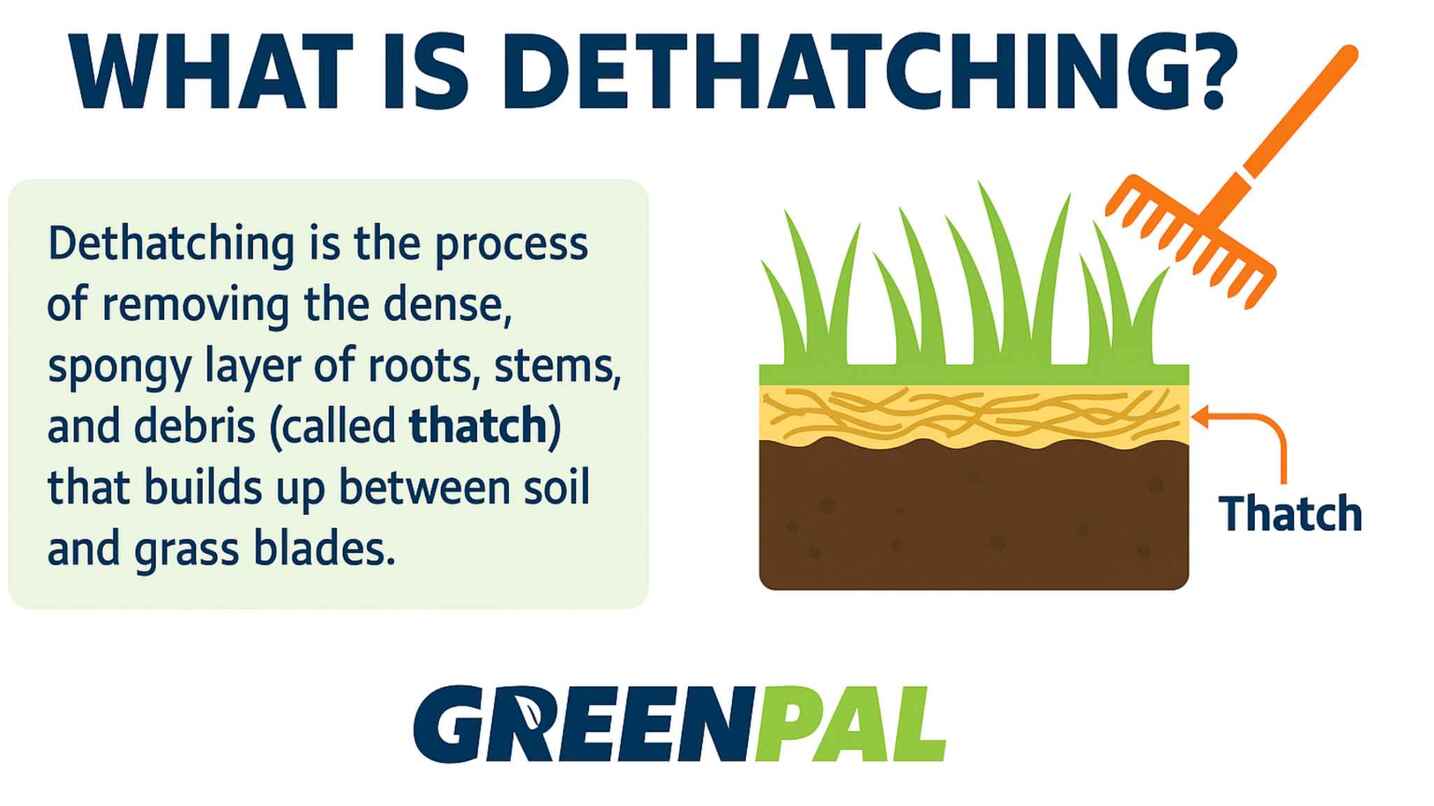
Lawn dethatching is the process of removing thatch from your grass. Thatch is a layer of dead grass, roots, and debris that builds up on the soil surface. It can stop water, nutrients, and air from reaching your grass roots.
Dethatching helps your lawn breathe and grow stronger. It is done using special tools that pull out the thick layer of thatch. This keeps your grass healthy and green.
Causes Of Thatch Buildup
Thatch builds up for several reasons. Understanding these causes helps prevent too much thatch in your lawn.
- Overwatering your lawn creates a wet environment that slows decomposition.
- Using too much fertilizer causes rapid grass growth and more dead material.
- Soil compaction reduces bacteria that break down thatch.
- Grass types that produce lots of stems and roots grow thatch faster.
- Poor lawn mowing practices leave grass clippings that add to thatch.
Signs Your Lawn Needs Dethatching
Look for these signs to know when to dethatch your lawn. Removing thatch at the right time helps grass stay healthy.
| Sign | Description |
| Spongy Feel | Your lawn feels soft and springy underfoot due to thick thatch. |
| Poor Growth | Grass looks thin or patchy because roots cannot get air or nutrients. |
| Water Pools | Water sits on the surface instead of soaking in quickly. |
| Weeds and Moss | Excess thatch creates spots where weeds and moss grow easily. |
| Brown Patches | Grass turns brown and dies because roots are suffocated. |
Benefits Of Dethatching
Dethatching helps keep your lawn healthy by removing thick layers of dead grass. This lets your lawn breathe better and grow stronger roots.
When you dethatch, you improve the condition of your soil and grass. This can lead to a greener, thicker lawn that resists problems more easily.
Improved Air And Water Flow
Thatch blocks air and water from reaching the soil. Dethatching breaks up this barrier and lets both flow freely. This helps grass roots get the oxygen and moisture they need.
- Better oxygen reaches roots
- Water penetrates soil easily
- Reduces water runoff and puddles
Enhanced Nutrient Absorption
Removing thatch allows nutrients to reach grass roots better. Healthy roots absorb fertilizer and minerals faster. This makes your lawn grow thicker and greener.
| Before Dethatching | After Dethatching |
| Nutrients trapped in thatch layer | Nutrients reach soil and roots |
| Slow grass growth | Faster grass growth |
| Weak root system | Strong root system |
Reduced Pest And Disease Risks
Thick thatch can hide pests and diseases. Dethatching removes this hiding place. It lowers the chance of pests and harmful fungi damaging your lawn.
- Less shelter for pests
- Better sunlight reaches grass
- Lower risk of fungal infections
- Healthier lawn resists problems
When To Dethatch Your Lawn
Dethatching your lawn helps remove dead grass and debris. This process lets water and nutrients reach the roots better.
Knowing the right time to dethatch is important. It keeps your lawn healthy and green.
Best Seasons For Dethatching
Dethatch during the growing season. This lets the grass recover quickly. Avoid dethatching in very hot or cold weather.
- Spring is good for cool-season grasses.
- Early fall also works well for cool-season grasses.
- Late spring to early summer suits warm-season grasses.
- Do not dethatch during dry periods.
Timing Based On Grass Types
| Grass Type | Best Time to Dethatch |
| Cool-season grasses (fescue, bluegrass) | Early spring or early fall |
| Warm-season grasses (Bermuda, zoysia) | Late spring to early summer |
| Mixed lawns | Follow the dominant grass type’s schedule |
Choosing the right time helps grass heal fast. It lowers stress on the lawn after dethatching.
Dethatching Methods
Dethatching helps keep your lawn healthy. It removes the thick layer of dead grass and roots. Choosing the right method is important.
Let’s explore different ways to dethatch your lawn. Each method has its own benefits and challenges.
Manual Raking
Manual raking is a simple and cost-effective way. It involves using a special dethatching rake. This method is best for small lawns.
Raking by hand can be tiring. It requires time and effort. But, it gives you control over the process.
- Best for small lawns
- Cost-effective
- Time-consuming
- Requires physical effort
Using A Dethatching Machine
Dethatching machines make the job easier. They work well for medium to large lawns. These machines remove thatch quickly and efficiently.
Renting a machine can be a good choice. It saves you time and effort. However, it may cost more than manual raking.
- Ideal for medium to large lawns
- Quick and efficient
- More expensive than manual raking
- Less physical effort needed
Power Raking Pros And Cons
Power raking is another option. It uses a machine with rotating blades. This method is very effective for thick thatch layers.
Power raking can be harsh on your lawn. It may remove more than just thatch. It’s important to use this method carefully.
- Effective for thick thatch
- Can be harsh on grass
- Requires careful use
- Fast and powerful
Preparing Your Lawn
Getting your lawn ready before dethatching helps protect grass health. Proper preparation makes the process easier and more effective.
This guide covers mowing tips and watering changes you need to follow before dethatching your lawn.
Mowing Tips Before Dethatching
Cut your grass to a shorter length than usual. This helps the dethatcher reach the thatch layer better.
- Set mower blades to a low setting, but do not scalp the lawn.
- Mow a day or two before dethatching to allow the grass to recover slightly.
- Remove grass clippings after mowing to reduce debris.
Watering Schedule Adjustments
Adjust your watering to make dethatching safer and more effective. A moist lawn is easier to dethatch than dry or soggy soil.
| Timing | Watering Advice |
| 2 days before dethatching | Water deeply to moisten soil but avoid puddles |
| Day of dethatching | Do not water to keep grass firm |
| After dethatching | Water lightly to help grass recover |
Post-dethatching Care
After dethatching your lawn, it is important to care for it properly. This helps your grass grow healthy and strong again.
Good care after dethatching can prevent damage and improve the lawn’s recovery. Follow these steps to help your lawn bounce back.
Cleaning And Removing Debris
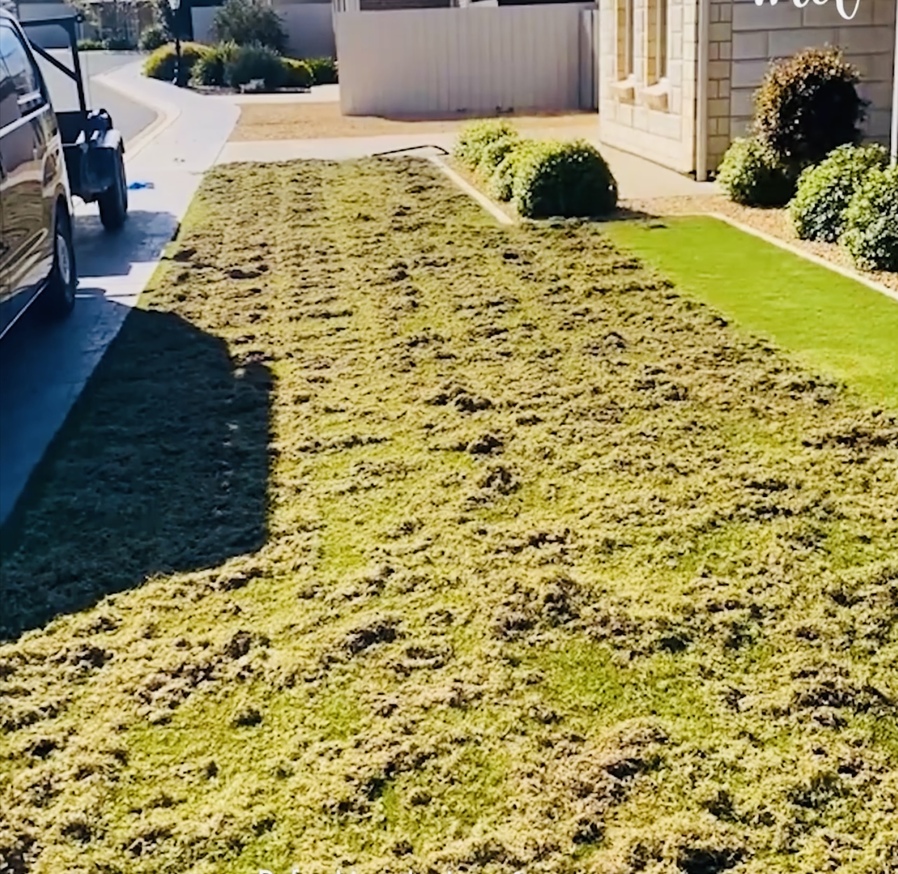
Remove all the dead grass and thatch left on the lawn. This clears space for new grass to grow.
Use a rake or a leaf blower to clean the lawn surface. Make sure no debris blocks sunlight or air from reaching the soil.
Fertilizing And Seeding
Apply fertilizer to supply nutrients your lawn lost during dethatching. Choose a fertilizer that matches your grass type.
Spread grass seed on bare or thin spots to encourage new growth. This helps your lawn fill in quickly and evenly.
- Use a starter fertilizer with nitrogen, phosphorus, and potassium
- Seed in cool, moist weather for best results
- Lightly rake seeded areas to cover seeds
Watering Strategies
Keep the soil moist but not soaked after dethatching. Watering helps seeds germinate and roots grow strong.
Water your lawn lightly every day for about two weeks. Once grass grows thicker, reduce watering to deeper, less frequent sessions.
- Water early in the morning to reduce evaporation
- Avoid watering in the evening to prevent disease
- Adjust watering based on weather and soil type
Potential Risks And Drawbacks
Lawn dethatching can improve grass health but it is not without risks. Doing it wrong can harm your lawn instead of helping it.
Understanding the possible problems and costs helps you decide if dethatching is right for your lawn care routine.
Damage To Grass If Done Incorrectly
Improper dethatching can injure grass roots and crowns. This damage slows grass growth and can cause bare spots.
- Using dethatching equipment too deeply can tear roots.
- Doing dethatching in hot or dry weather stresses grass further.
- Removing too much thatch at once can leave soil exposed.
- Failing to water after dethatching delays lawn recovery.
Cost And Labor Considerations
Dethatching requires time, effort, and sometimes money for tools or services. These factors add to lawn care expenses.
| Expense | Details |
| Equipment Rental | Costs vary for dethatching machines. |
| Professional Service | Higher cost but saves time and effort. |
| Labor | Manual dethatching is time-consuming and tiring. |
| Watering | Extra watering needed for lawn recovery. |
Credit: www.yourgreenpal.com
Alternatives To Dethatching
Dethatching helps lawns by removing dead grass. But there are alternatives. These methods can improve lawn health without removing thatch.
Core aeration and topdressing are two popular alternatives. They help the soil breathe and promote grass growth.
Core Aeration
Core aeration involves removing small plugs of soil. This process helps air, water, and nutrients reach the roots. It can reduce soil compaction, allowing grass to grow better.
Aeration should be done once a year. Spring or fall are the best times. It improves soil structure and reduces thatch buildup.
- Improves root growth
- Reduces water runoff
- Enhances nutrient absorption
Topdressing Techniques
Topdressing adds a thin layer of soil or compost on the grass. It helps level the surface and improves soil quality. This technique can also break down thatch naturally.
Use a mix of sand, soil, and compost for topdressing. Spread it evenly across the lawn. It encourages new grass growth and improves drainage.
| Benefits | Details |
| Improves soil structure | Boosts nutrient content |
| Encourages grass growth | Provides a stable surface |
| Enhances drainage | Reduces waterlogging |
Tips For Maintaining A Healthy Lawn
A healthy lawn needs regular care and attention. Simple steps can keep grass green and strong.
Good lawn care helps prevent problems like weeds and patchy spots. It saves time and money later.
Regular Lawn Care Practices
Water your lawn deeply but less often. This encourages roots to grow strong and deep.
Mow grass at the right height. Cutting too short weakens the lawn and invites weeds.
- Water early in the morning to reduce evaporation
- Keep mower blades sharp for clean cuts
- Remove weeds promptly to stop spread
- Aerate soil to improve air and water flow
Seasonal Adjustments
Change your lawn care based on the season. Grass grows differently in spring, summer, fall, and winter.
Fertilize in spring and fall to feed the grass. Reduce watering in cooler months to avoid disease.
- Spring: Rake leaves and dethatch if needed
- Summer: Mow regularly and water deeply
- Fall: Fertilize and overseed thin areas
- Winter: Keep debris off lawn and avoid heavy traffic
Credit: www.yourgreenpal.com
Frequently Asked Questions
What Is Lawn Dethatching And Why Is It Important?
Lawn dethatching removes the thick layer of dead grass and debris. It improves air, water, and nutrient flow to grass roots. This helps lawns grow healthier and prevents diseases caused by excessive thatch buildup.
How Often Should I Dethatch My Lawn?
Most lawns benefit from dethatching once every 1 to 3 years. Frequency depends on grass type and thatch thickness. Lawns with heavy thatch need more frequent dethatching to maintain healthy growth.
Can Dethatching Damage My Lawn?
If done improperly, dethatching can harm grass by removing too much material. Using the right tools and timing ensures safe dethatching. Proper dethatching promotes lawn health without causing damage.
When Is The Best Time To Dethatch A Lawn?
The ideal time to dethatch is during active grass growth. For cool-season grasses, early spring or fall works best. Warm-season grasses benefit from late spring or early summer dethatching.
Conclusion
Dethatching can help your lawn breathe and grow better. It removes dead grass and lets water reach roots. Not every lawn needs dethatching, so check your lawn first. Doing it at the right time is important. Too much dethatching can harm grass.
A healthy lawn looks green and feels soft. Consider dethatching if your lawn feels thick or patchy. Regular care will keep your lawn strong and fresh. Small steps like dethatching make a big difference over time. Your lawn will thank you with healthy growth and color.

