
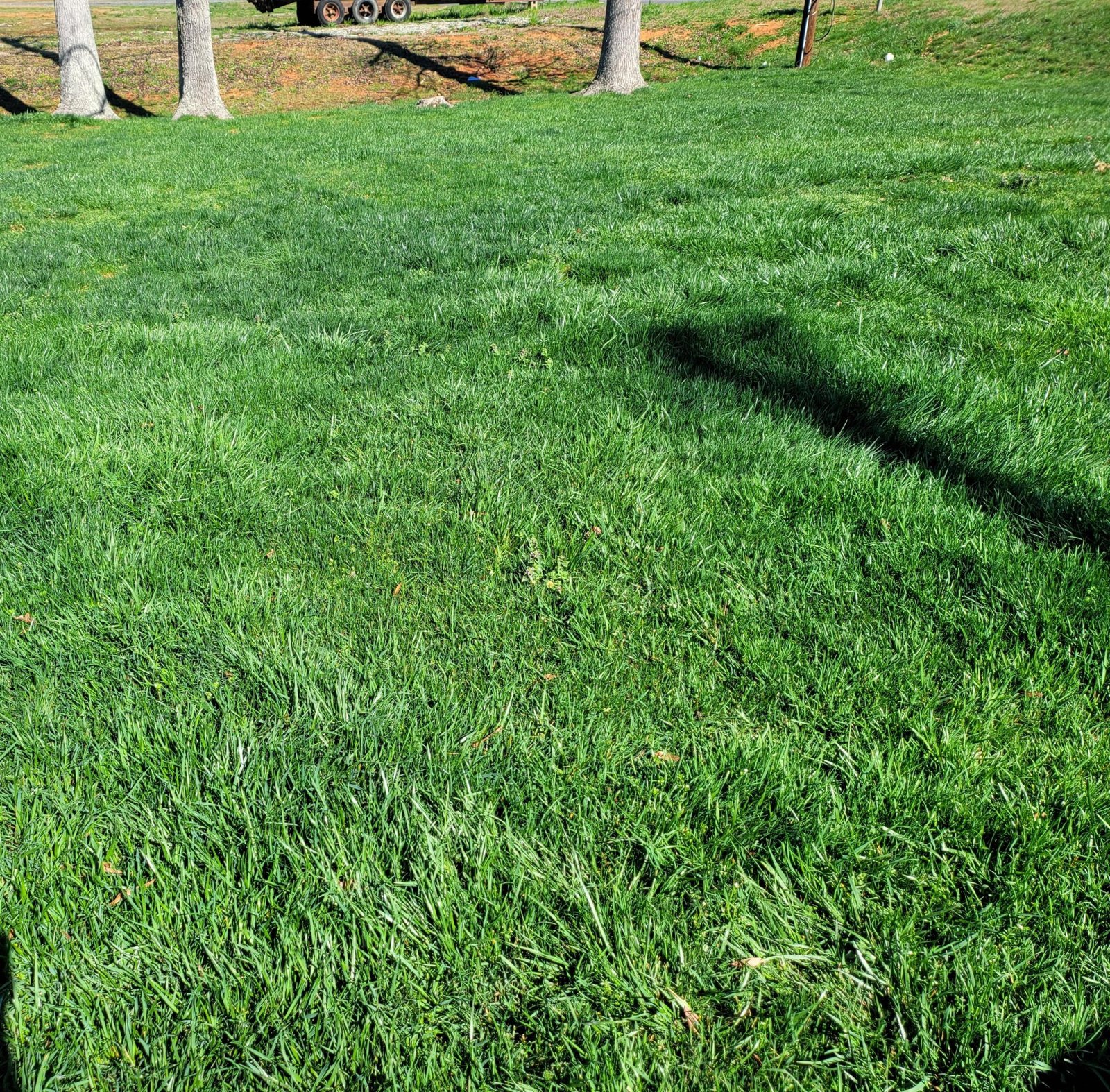
Are you struggling to keep your lawn healthy and green? One simple trick you might be missing is spreading lime at just the right time.
Applying lime the wrong way or at the wrong moment can waste your effort and money. But when you get the timing right, your grass will thrive like never before. You’ll discover exactly when the best time to spread lime on your lawn is—and why it matters for your yard’s health.
Keep reading to unlock the secret that will transform your lawn care routine.
Benefits Of Lawn Lime
Lawn lime helps improve soil for better grass growth. It changes soil conditions that stop grass from growing well.
Using lime on your lawn can make the soil healthier and your grass greener. It works by fixing problems under the ground.
Improving Soil Ph
Lime raises the pH level in acidic soil. This makes the soil less sour and better for grass.
Grass grows best in soil that is not too acidic or too alkaline. Lime helps keep the pH in the right range.
- Neutralizes acid in the soil
- Creates better soil conditions for roots
- Supports healthy soil life
Enhancing Nutrient Uptake
Lime helps grass take in important nutrients from the soil. Without lime, nutrients may stay locked in the soil.
When soil pH is balanced, grass roots can absorb nutrients like nitrogen, phosphorus, and potassium well.
- Increases availability of key nutrients
- Improves root growth and strength
- Boosts lawn color and thickness
Reducing Soil Toxicity
Acidic soil can hold harmful elements like aluminum and manganese. Lime lowers their levels to safe amounts.
Lowering toxic elements helps protect grass roots and soil organisms. This makes the lawn healthier overall.
- Neutralizes harmful metals
- Protects grass roots from damage
- Supports beneficial soil organisms
When To Apply Lime
Applying lime to your lawn helps balance soil pH. It improves nutrient absorption and lawn health.
Knowing the right time to spread lime ensures the best results for your grass.
Seasonal Timing
Spring and fall are the best seasons to apply lime. The soil is moist and temperatures are mild.
Applying lime in these seasons helps it break down and mix well with the soil before summer or winter.
- Fall application prepares soil for winter
- Spring application supports new grass growth
- Avoid summer due to dry soil
Ideal Weather Conditions
Choose a calm day without strong wind to spread lime. Wind can blow lime away and cause uneven coverage.
Apply lime when the soil is moist but not soaking wet. Moist soil helps lime dissolve and work better.
- Light rain after spreading helps lime soak in
- Do not apply before heavy rain to avoid runoff
- Temperatures between 50°F and 85°F are ideal
Signs Your Lawn Needs Lime
Your lawn may need lime if the grass grows slowly or looks yellowish. Acidic soil can cause these problems.
Soil testing is the best way to know if lime is needed. It shows the current pH and nutrient levels.
- Yellow or brown grass patches
- Thin or weak grass growth
- Soil pH below 6.0
- Slow grass recovery after stress
Types Of Lime For Lawns
Lime helps keep your lawn healthy by adjusting the soil’s pH. Different types of lime work best for different soil needs.
Choosing the right lime can improve grass growth and reduce weeds. Here are the main types of lime used on lawns.
Calcitic Lime
Calcitic lime comes from crushed limestone. It mainly contains calcium carbonate and raises soil pH without adding magnesium.
This lime is best for soils low in calcium but with enough magnesium. It works slowly but lasts longer in the soil.
Dolomitic Lime
Dolomitic lime contains calcium carbonate and magnesium carbonate. It raises soil pH and adds magnesium to the soil.
- Good for soils low in magnesium
- Helps improve lawn color and growth
- Best applied in early spring or fall
Use dolomitic lime if your soil test shows low magnesium levels. It is a popular choice for many lawns.
Hydrated Lime
Hydrated lime is a fast-acting lime made by adding water to quicklime. It raises soil pH very quickly.
| Feature | Description |
| Speed | Works faster than other limes |
| Use | Used for quick pH correction |
| Caution | Can burn grass if overapplied |
| Application | Apply carefully in small amounts |
Hydrated lime is good for urgent pH fixes but needs careful handling. It is not for regular lawn care.

Credit: www.reddit.com
How To Test Soil Ph
Testing your lawn’s soil pH helps you know if lime is needed. Lime can balance the soil acidity. This keeps grass healthy and green.
There are easy ways to test soil pH at home. You can also get professional tests for more detail. Understanding the results helps you care for your lawn better.
Using Diy Soil Test Kits
DIY soil test kits are sold at garden centers. They come with simple tools and instructions. You usually mix soil with a liquid or use test strips.
- Collect soil from several spots in your lawn
- Remove grass and debris from the sample
- Mix soil samples together for a good mix
- Follow the test kit instructions carefully
- Compare the color changes to the chart provided
Professional Soil Testing
Professional soil testing gives more accurate results. Send a soil sample to a lab. The lab uses advanced tools to check pH and nutrients.
Labs often provide a detailed report. It explains your soil’s condition and offers advice on lime use. This helps you plan lawn care precisely.
Interpreting Results
| pH Range | Soil Condition | Lime Recommendation |
| 4.5 – 5.5 | Very Acidic | Apply lime soon |
| 5.6 – 6.0 | Moderately Acidic | Apply lime if grass is weak |
| 6.1 – 7.0 | Neutral | No lime needed |
| Above 7.0 | Alkaline | Do not apply lime |
Knowing your soil pH helps you choose the best time to spread lime. Use this information to keep your lawn healthy and strong.
Application Techniques
Applying lime to your lawn improves soil health and grass growth. Knowing the right techniques is key to successful application.
Different methods exist for spreading lime, each with its own benefits. Choose the one that suits your lawn size and needs.
Spreading Methods
There are several ways to spread lime on your lawn. Each method has specific tools and techniques.
- Broadcast Spreader: Ideal for large areas, ensuring even coverage.
- Drop Spreader: Offers precise application, reducing waste.
- Hand Spreader: Best for small lawns or spot treatments.
Proper Dosage
Applying the right amount of lime is crucial. Too much can harm your lawn, while too little won’t be effective.
| Lawn Size | Lime Needed |
| 1,000 sq ft | 20-50 lbs |
| 2,000 sq ft | 40-100 lbs |
| 5,000 sq ft | 100-250 lbs |
Safety Tips
Safety is important when handling lime. Follow these tips to protect yourself and your lawn.
- Wear gloves and goggles to avoid skin and eye irritation.
- Avoid windy days to prevent lime from blowing away.
- Keep pets and children off the lawn until the lime is absorbed.
Credit: www.georgiaturfsolutions.com
Post-application Lawn Care
After spreading lime on your lawn, proper care is essential. It ensures the lime works effectively to improve soil health.
This guide will discuss important practices to follow. It will help your lawn thrive after liming.
Watering Practices
Watering is vital after applying lime to your lawn. It helps the lime dissolve and mix into the soil.
Make sure to water deeply but avoid overwatering. This helps the lawn absorb nutrients better.
- Water early in the morning for best results.
- Avoid watering during the hottest part of the day.
- Ensure even coverage across the lawn.
Fertilizing After Liming
Wait a few weeks before fertilizing your lawn after liming. This allows the lime to fully integrate with the soil.
Choose a balanced fertilizer that suits your lawn’s needs. Proper timing ensures healthy grass growth.
- Check soil pH before applying fertilizer.
- Use a spreader for even application.
- Follow instructions on the fertilizer package.
Monitoring Lawn Health
Regularly check your lawn’s condition after applying lime. Look for signs of improvement or issues.
Healthy grass should be vibrant and strong. If problems persist, consider adjusting your care routine.
- Inspect for weeds and pests.
- Observe grass color and growth rate.
- Adjust watering and fertilizing as needed.
Common Mistakes To Avoid
Spreading lime on your lawn helps balance the soil’s pH. It improves grass growth and health. But many people make mistakes that reduce lime’s effectiveness.
Knowing what to avoid can save time and money. It also helps keep your lawn green and strong. Below are common errors to watch out for.
Over-liming
Applying too much lime can harm your lawn. It raises the soil pH too high, making nutrients unavailable to grass. This can cause yellow patches and poor growth.
- Do not spread lime more than twice a year.
- Follow the recommended amount based on soil tests.
- Avoid lime buildup by measuring carefully.
- Watch for signs of too much lime like brown or yellow grass.
Applying At Wrong Times
Spreading lime at the wrong time lowers its benefits. Lime works best when it has time to react with the soil before grass grows actively.
| Season | Best Time to Spread Lime | Reason |
|---|---|---|
| Fall | After lawn mowing and before frost | Lime has months to adjust soil pH before spring. |
| Spring | Early spring before new growth | Lime helps grass start healthy growth. |
| Summer | Not recommended | Heat and dry soil reduce lime effectiveness. |
| Winter | Not recommended | Frozen soil stops lime from working. |
Ignoring Soil Tests
Skipping soil tests leads to wrong lime amounts. Soil tests show your soil’s pH and lime needs. Without tests, you might add too much or too little lime.
Soil test tips:
- Test soil every 2-3 years.
- Use local extension services for testing.
- Follow soil test lime recommendations exactly.
- Retest after lime application to check pH changes.

Credit: kappslawn.com
Frequently Asked Questions
When Is The Best Season To Spread Lime On Lawn?
The best season to spread lime on your lawn is early spring or fall. These seasons allow lime to adjust soil pH before peak growing periods. Applying lime during these times promotes healthy grass growth and improves nutrient absorption efficiently.
How Often Should I Apply Lime To My Lawn?
Typically, applying lime every 2 to 3 years is sufficient. Soil testing helps determine if more frequent applications are necessary. Over-liming can harm your lawn, so regular testing ensures proper pH balance and healthy turf.
Can I Spread Lime On A Wet Or Dry Lawn?
It’s best to spread lime on a dry lawn for even distribution. After application, watering the lawn helps lime penetrate the soil. Avoid spreading lime when the lawn is wet to prevent clumping and uneven coverage.
Why Is Soil Ph Important For Lime Application?
Soil pH affects nutrient availability and grass health. Lime raises soil pH, reducing acidity and improving nutrient uptake. Testing soil pH before lime application ensures you apply the right amount for optimal lawn growth.
Conclusion
Spreading lime at the right time helps your lawn stay healthy. Early spring or fall works best for most lawns. Lime balances soil pH, making grass stronger and greener. Avoid spreading lime during extreme heat or heavy rain. Regular lime application improves soil quality over time.
Test your soil before adding lime to know what it needs. A well-timed lime spread supports growth and reduces weeds. Keep your lawn green and lush by choosing the right season. Simple steps lead to a beautiful yard you can enjoy all year.

