
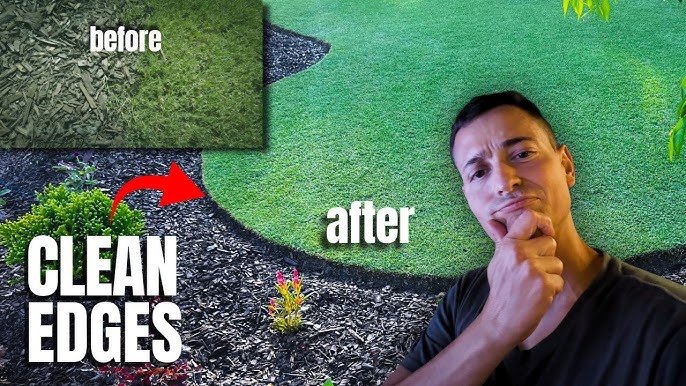
Are you tired of looking at uneven, messy lawn edges that take away from your yard’s beauty? Clean lawn edges can instantly boost your home’s curb appeal and make your outdoor space look well-kept and inviting.
But keeping those edges sharp and neat isn’t always easy. You’ll discover simple, effective tips to maintain clean lawn edges all year round. Ready to transform your lawn and impress your neighbors? Keep reading to find out how!
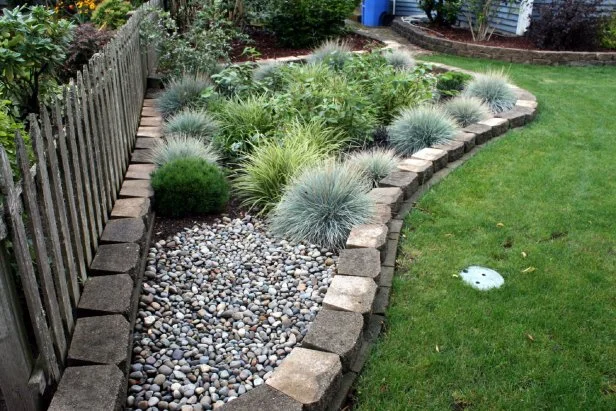
Credit: www.hgtv.com
Tools For Clean Edges
Maintaining clean lawn edges improves the overall look of your yard. Using the right tools makes this task easier and more effective.
Different types of edgers and accessories help you achieve sharp and neat edges along your lawn and pathways.
Manual Vs. Powered Edgers
Manual edgers are simple tools that require physical effort. They are quiet and do not use fuel or electricity.
Powered edgers run on gas or electricity. They work faster and need less effort but require maintenance.
| Feature | Manual Edger | Powered Edger |
|---|---|---|
| Power Source | None (human-powered) | Gas or electric |
| Noise Level | Low | Moderate to high |
| Speed | Slow | Fast |
| Cost | Low | Higher |
| Maintenance | Minimal | Regular |
Essential Accessories
Accessories help you maintain clean edges and protect yourself during work. Having the right gear makes edging safer and easier.
- Gloves to protect your hands from blisters and cuts
- Safety goggles to shield your eyes from debris
- Knee pads for comfort when working close to the ground
- Rake or broom to clean grass clippings and dirt
- Measuring tape or string to mark straight edges
:max_bytes(150000):strip_icc()/spr-eco-green-lawn-and-landscape-border-edging-julia-warren-comp-c380b820d6f8419c88d123a15103fffe.jpeg)
Credit: www.thespruce.com
Preparing The Lawn Edges
Clean lawn edges make your yard look neat and cared for. Preparing the edges is key to keep them tidy and healthy.
Start by clearing debris and marking the edge line. These steps help you maintain a sharp boundary between your lawn and other areas.
Clearing Debris And Grass Clumps
Remove leaves, sticks, and grass clumps from the lawn edge. This keeps the area clean and ready for trimming.
- Use a rake or your hands to gather debris
- Pick up grass clumps that may block your tools
- Dispose of debris properly to avoid pests
- Check for any hidden rocks or roots
Marking The Edge Line
Marking the edge line helps guide your trimming tools and keeps edges straight.
| Tool | Use |
|---|---|
| String Line | Stretch tight to mark a straight edge |
| Garden Hose | Lay curved lines for natural shapes |
| Spray Paint | Mark temporary lines on grass |
| Wooden Stakes | Hold string or hose in place |
Techniques For Sharp Edges
Maintaining clean lawn edges improves your garden’s look. Sharp edges make your lawn appear neat and cared for.
Use the right tools and cutting methods to keep edges crisp and tidy. This guide explains two key techniques.
Using String Or Guide Tools
String or guide tools help mark a straight line for cutting lawn edges. They ensure your edges stay uniform and sharp.
- Stretch a string tightly along the edge you want to cut.
- Secure the string with stakes or pins at both ends.
- Use the string as a visual guide when trimming.
- For curves, use flexible guide strips instead of string.
- Check the guide regularly to keep it tight and straight.
Proper Cutting Angles
Cutting at the right angle creates clean edges and protects grass roots. The angle affects how sharp and healthy the edges look.
| Cutting Angle | Purpose | Tip |
| 90 degrees (straight down) | Creates a clear, sharp edge | Hold the trimmer vertical to the ground |
| 45 degrees (angled) | Shapes the edge smoothly | Use for curved or sloped edges |
| 30 degrees (shallow) | Trims fine grass tips | Good for light touch-ups |
Maintaining Edges Regularly
Keeping lawn edges clean makes your yard look neat and well cared for. Regular maintenance stops grass and weeds from spreading into unwanted areas.
Trimming lawn edges often helps keep clear lines and prevents overgrowth. It also reduces the work needed later to fix messy edges.
Scheduling Routine Trimming
Set a regular schedule for trimming your lawn edges. This keeps the borders sharp and prevents grass from growing too long.
Trim edges every one to two weeks during the growing season. Adjust the schedule if rain or growth speeds up.
- Use a string trimmer or edging tool for precise cuts
- Cut edges before mowing for easier cleanup
- Clear debris from edges after trimming
Seasonal Adjustments
Change your edging routine based on the season. Grass grows faster in spring and summer, so trim more often.
In fall and winter, reduce trimming frequency. Grass grows slower and may enter dormancy during cold months.
- Spring and summer: trim every 1 to 2 weeks
- Fall: trim every 2 to 3 weeks
- Winter: trim once a month or less
Common Challenges And Fixes
Keeping lawn edges clean can be hard. Grass grows fast and ground may not be even. These problems make the edges look messy.
Fixing these issues helps your lawn look sharp and neat. Here are ways to handle common lawn edge problems.
Dealing With Uneven Ground
Uneven ground makes lawn edges look rough. It also makes trimming difficult. Fix the ground to get smooth edges.
Fill low spots with soil and level them. Use a rake to smooth the surface. Check for slopes that cause soil to wash away.
- Remove rocks and debris before leveling
- Use topsoil to fill holes or dips
- Compact soil gently to avoid sinking
- Recheck levels after rain or watering
Preventing Grass Overgrowth
Grass often grows over the edges and hides the clean line. Stop this by trimming regularly and using tools correctly.
Use an edging tool or string trimmer along the border. Cut grass before it gets too long. This keeps edges clear and tidy.
- Trim edges once a week during growing season
- Use sharp tools for clean cuts
- Apply mulch to slow grass spread
- Water lawn properly to avoid weak spots
Enhancing Edges With Mulch Or Borders
Keeping lawn edges clean improves the look of your garden. Using mulch or borders can help define these edges.
Choosing the right materials and installing them correctly will make your lawn look neat and tidy.
Choosing The Right Materials
Picking the right materials is key to enhancing your lawn edges. Consider the style and function that suits your garden.
- Mulch: Great for a natural look and helps retain soil moisture.
- Stone: Offers a durable and elegant edge.
- Plastic edging: Budget-friendly and easy to install.
Installation Tips
Proper installation ensures your lawn edges stay neat. Follow these steps for best results.
- Measure the area you need to cover.
- Clear any debris from the edge area.
- Lay down the chosen material carefully.
- Secure the edges to prevent shifting.
- Check the alignment regularly.
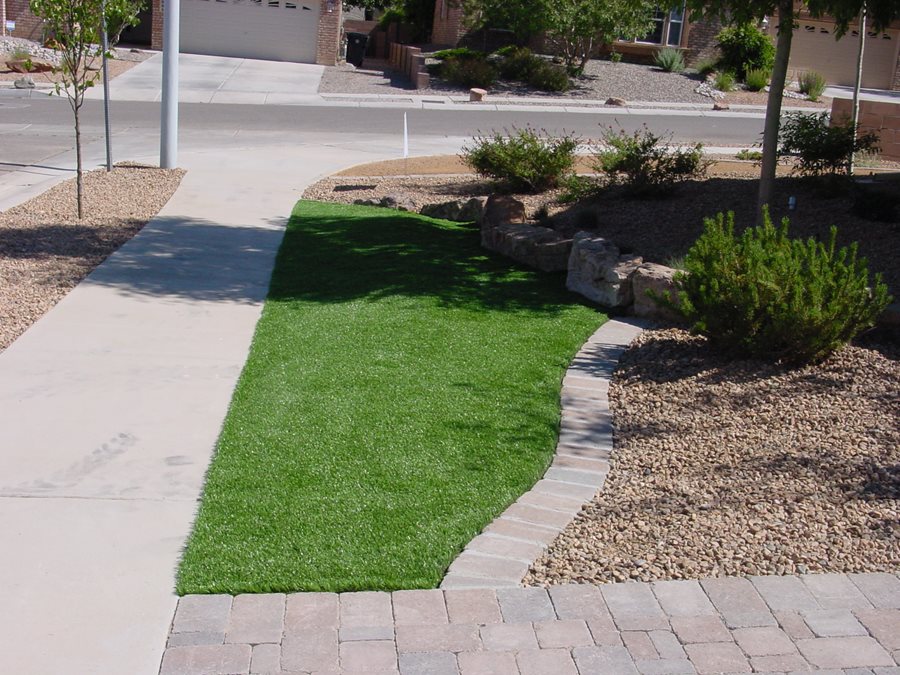
Credit: www.landscapingnetwork.com
Frequently Asked Questions
How Often Should I Trim Lawn Edges For Best Results?
Trimming lawn edges every 1-2 weeks keeps edges neat and healthy. Regular trimming prevents grass overgrowth and maintains a clean appearance.
What Tools Work Best For Maintaining Clean Lawn Edges?
Use manual or powered edgers, string trimmers, or shears. Choose tools based on lawn size and personal comfort for precise edging.
Can Natural Barriers Help Maintain Lawn Edges?
Yes, installing natural barriers like mulch, stones, or plants can protect edges. They reduce grass spread and simplify maintenance.
How Do I Prevent Grass From Growing Over Sidewalks?
Edge regularly and apply a grass growth inhibitor near sidewalks. This stops grass creeping onto pavement, keeping edges clean.
Conclusion
Clean lawn edges make your yard look neat and cared for. Regular trimming keeps grass from growing over sidewalks and flower beds. Use the right tools and trim often to save time. Edging also helps prevent weeds and gives your lawn a sharp, fresh look.
Small steps each week make a big difference. Your lawn will thank you with a tidy, beautiful appearance all year long. Keep it simple and stay consistent. Enjoy your clean, well-kept lawn edges every day.

