
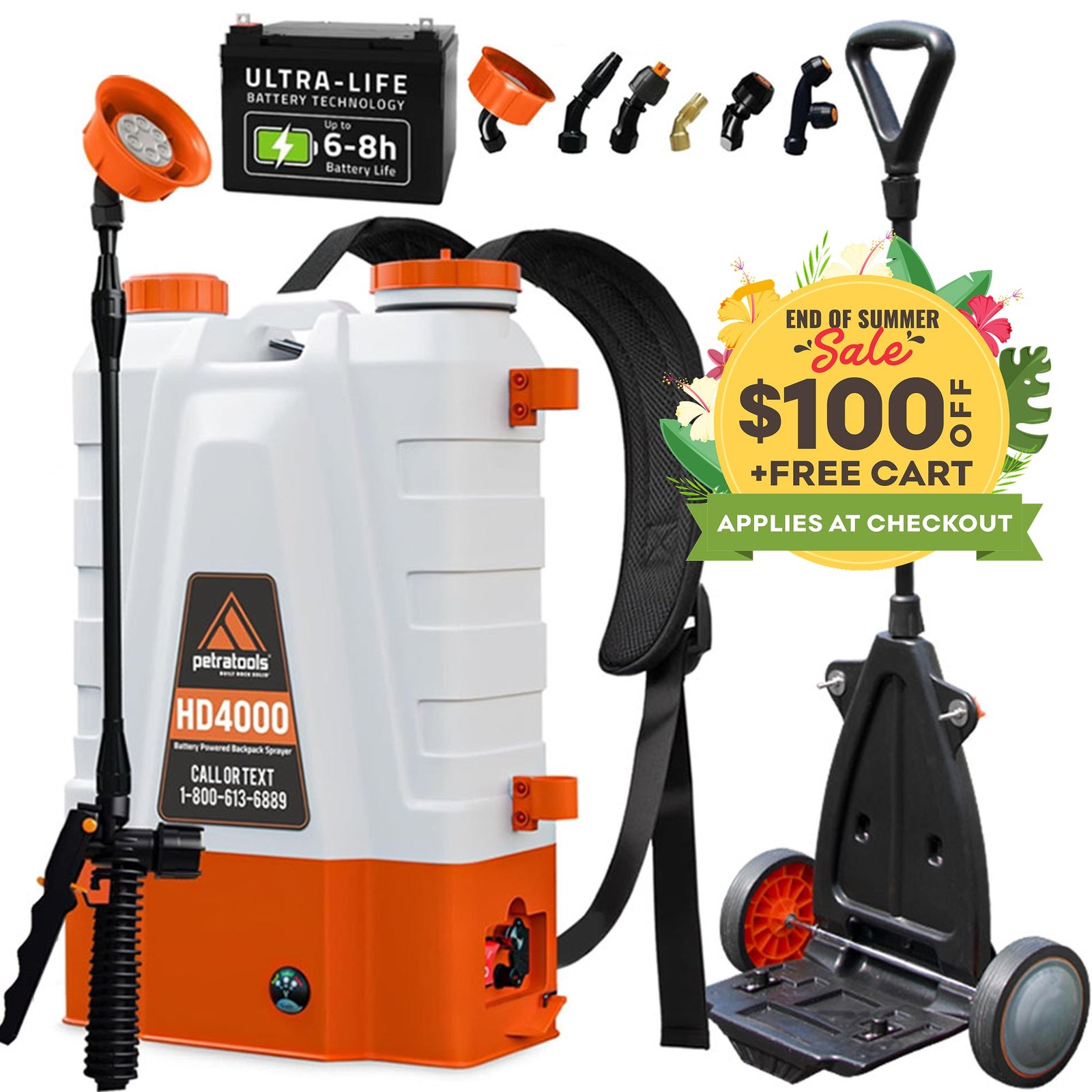
Are you ready to make your spraying tasks easier and more effective? A backpack sprayer can be your best tool, whether you’re gardening, pest controlling, or cleaning.
But if you’ve never used one before, it might seem tricky. Don’t worry—this step-by-step guide will walk you through everything you need to know. By the end, you’ll feel confident handling your backpack sprayer like a pro, saving time and effort.
Keep reading, and discover how simple it is to get great results with the right technique.
Choosing The Right Backpack Sprayer
Choosing a backpack sprayer is important for effective spraying tasks. The right sprayer saves time and effort.
This guide helps you understand different types, key features, and safety standards. Use it to pick the best sprayer for your needs.
Types Of Backpack Sprayers
There are three common types of backpack sprayers. Each type suits different spraying needs and liquids.
- Manual Sprayers:Use hand pump pressure. Good for small areas and light use.
- Battery-Powered Sprayers:Use a rechargeable battery to pump liquid. Easier on the user and covers larger areas.
- Gas-Powered Sprayers:Use a small engine for pressure. Best for heavy use and large fields.
Key Features To Consider
| Feature | Why It Matters |
|---|---|
| Tank Capacity | Larger tanks hold more liquid but add weight. |
| Comfort | Padded straps and adjustable harnesses reduce fatigue. |
| Nozzle Types | Different nozzles offer varied spray patterns and droplet sizes. |
| Material | Durable plastic or metal resists chemicals and wear. |
| Pressure Control | Allows you to adjust spray force for different tasks. |
Safety Certifications And Standards
Safety is key when using sprayers. Look for certified models that meet safety rules. These protect you from leaks and spills.
- Look for sprayers tested for chemical resistance.
- Choose products with child-safe locking systems.
- Check for compliance with local safety standards.
- Use sprayers with clear instructions and warnings.
Preparing The Sprayer
Preparing your backpack sprayer correctly is important for safe and effective use. This guide helps you get the sprayer ready before starting.
Take time to check parts and fill the tank carefully. This will avoid problems while spraying.
Assembling The Sprayer Components
Start by putting together all sprayer parts. Follow the instructions from the manufacturer to avoid mistakes.
Make sure the straps, tank, hose, and nozzle are all attached firmly. Loose parts can cause leaks or poor spraying.
- Attach the shoulder straps to the tank
- Connect the hose to the tank outlet
- Fix the spray nozzle to the hose end
- Check that the pump handle moves smoothly
Checking For Leaks And Damage
Look over the sprayer for cracks, holes, or worn parts. Damage can cause leaks or reduce spray pressure.
Test the sprayer by filling it with clean water. Pump and watch for drips or weak spray from the nozzle.
- Inspect the tank for cracks or holes
- Check hose and nozzle for splits or holes
- Make sure all seals and O-rings are intact
- Look for loose fittings and tighten them
Filling The Tank Safely
Fill the tank with the correct amount of water or chemical mix. Do this outside or in a well-ventilated area.
Wear gloves and protective gear to avoid skin contact. Use a funnel to prevent spills and clean any drips immediately.
- Put on gloves and eye protection
- Check the chemical label for mixing instructions
- Use a funnel to pour liquid into the tank
- Do not overfill the tank; leave space for pressure
- Secure the tank lid tightly after filling
Mixing Chemicals Correctly
Using a backpack sprayer needs careful mixing of chemicals. Mixing chemicals the right way keeps you safe and helps the spray work well.
Follow clear steps to mix chemicals safely and get the best results from your sprayer.
Selecting Proper Chemicals
Choose chemicals that fit your task and the plants you want to treat. Read the label to know what the chemical does.
Make sure the chemical is safe to use with a backpack sprayer and suits the environment.
- Use only chemicals meant for backpack sprayers
- Check if the chemical is approved for your plants
- Avoid mixing chemicals that can cause harm
Measuring And Diluting Solutions
Measure chemicals carefully to avoid damage or poor results. Use tools like measuring cups or spoons for accuracy.
Mix chemicals with water as the label says. Add chemicals first, then water to get the right strength.
- Wear gloves while measuring chemicals
- Follow label instructions for mixing ratios
- Mix in a clean container to avoid contamination
- Stir the mix well before pouring into the sprayer
Using Protective Gear
Wear protective gear to keep chemicals off your skin and eyes. Safety is very important when handling chemicals.
Use gloves, masks, goggles, and long clothes to protect yourself.
- Wear chemical-resistant gloves
- Use safety goggles or glasses
- Put on a face mask or respirator
- Wear long sleeves and pants
- Work in a well-ventilated area
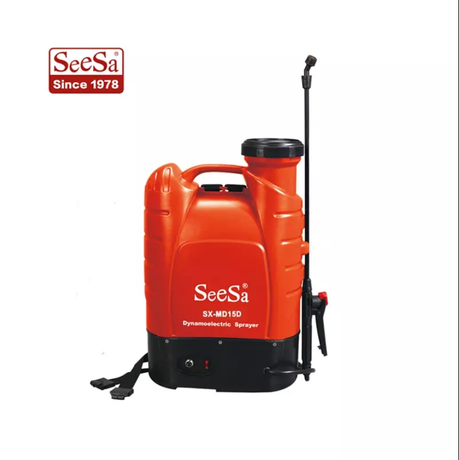
Credit: www.chinasprayer.com
Adjusting Sprayer Settings
Adjusting the settings on your backpack sprayer ensures even coverage. Proper settings help protect plants and save chemicals.
Learn how to regulate pressure, choose the right nozzle, and set spray patterns for best results.
Regulating Pressure
Pressure controls how much liquid sprays out. Too high pressure wastes chemicals and causes drift. Too low pressure results in uneven spraying.
- Check the pressure gauge before starting.
- Adjust the pump to raise or lower pressure.
- Keep pressure within the sprayer’s recommended range.
- Test spray on a small area to see if coverage is even.
Choosing Nozzle Types
Nozzles control spray size and shape. Different nozzles suit different jobs and chemicals.
| Nozzle Type | Description | Use |
| Flat Fan | Wide, even spray | General spraying of large areas |
| Cone | Circular spray pattern | Targeted spraying on small plants |
| Stream | Narrow, direct spray | Spot treatments and pests |
| Foam | Thick foam spray | Marking sprayed areas |
Setting Spray Patterns
Spray patterns affect how the liquid covers plants. Adjust patterns for the best coverage and least waste.
Common spray patterns include:
- Full Cone:Covers a circular area, good for shrubs.
- Hollow Cone:Covers edges, good for tall plants.
- Flat Fan:Covers a wide strip, good for lawns and crops.
Techniques For Efficient Spraying
Using a backpack sprayer correctly saves time and ensures even coverage. Knowing the right techniques helps achieve the best results.
Let’s explore how to spray efficiently by focusing on key techniques. These include speed, distance, drift, and weather conditions.
Maintaining Consistent Speed And Distance
Keep a steady pace when spraying to ensure even application. Walking too fast or slow can cause uneven coverage.
Hold the nozzle at a consistent distance from the target. This helps maintain a uniform spray pattern.
- Walk at a speed of 3-4 miles per hour
- Keep the nozzle 18-24 inches from the surface
Avoiding Drift And Overlap
Wind can carry spray away from the target area. Adjust your angle to minimize drift and ensure accuracy.
Overlap each pass slightly to prevent gaps. This ensures complete coverage without missing spots.
- Spray with a slight overlap of 6-12 inches
- Avoid spraying on windy days
Spraying In Optimal Weather Conditions
Choose calm days for spraying. This helps avoid drift and ensures the spray lands where intended.
Temperature affects spray efficiency. Avoid spraying during extreme heat or cold for best results.
- Spray when wind is less than 5 mph
- Ideal temperature is between 60-85°F

Credit: manuals.plus
Cleaning And Maintenance
Keeping your backpack sprayer clean and well-maintained helps it last longer. Proper care ensures safe and effective spraying every time.
Regular cleaning and checking parts prevent damage and blockages. Follow these steps to care for your sprayer after use.
Flushing The System After Use
Flush the sprayer to remove leftover chemicals. This stops clogs and corrosion inside the system.
Use clean water or a cleaning solution made for sprayers. Run it through the pump, hose, and nozzle.
- Fill the tank with clean water
- Spray the water through the nozzle
- Repeat until water runs clear
- Empty the tank and dry it
Inspecting And Replacing Parts
Check all parts before and after use. Look for cracks, leaks, or worn-out seals.
Replace damaged parts to avoid leaks and poor spraying. Keep spare parts handy for quick fixes.
- Inspect hoses for cracks or holes
- Check nozzle for clogs or wear
- Examine seals and gaskets for damage
- Replace any broken or worn parts immediately
Storing The Sprayer Properly
Store your sprayer in a clean, dry place. Avoid extreme temperatures that can damage parts.
Empty the tank and remove any leftover liquid. Keep the sprayer away from direct sunlight.
- Clean and dry the sprayer fully
- Store indoors away from heat and cold
- Keep the sprayer upright to protect seals
- Cover the sprayer to keep dust off
Troubleshooting Common Issues
Backpack sprayers can face common problems during use. Knowing how to fix these issues saves time and effort.
This guide covers how to handle clogs, pressure problems, leaks, and spills in your sprayer.
Dealing With Clogs
Clogs block the spray nozzle or hose and stop fluid flow. Dirt or debris often causes this issue.
- Remove and clean the nozzle with water and a soft brush.
- Flush the hose with clean water to clear blockages.
- Check the filter and rinse it if dirty.
- Use a pin or needle to clear tiny holes in the nozzle.
- Always strain liquids before filling the tank to avoid debris.
Fixing Pressure Problems
Low or inconsistent pressure affects spraying quality. It can come from the pump or seals.
| Problem | Possible Cause | Solution |
| Low pressure | Worn pump seals | Replace seals or pump parts |
| No pressure build-up | Loose hose connections | Tighten all connections |
| Pressure drops during use | Air leaks in the system | Check and seal leaks with tape or new parts |
| Pump hard to operate | Stuck or damaged pump | Clean and lubricate or replace pump |
Handling Leaks And Spills
Leaks and spills waste liquid and may cause harm. They usually come from worn seals or damaged parts.
- Inspect seals and O-rings regularly and replace if cracked.
- Tighten all caps, lids, and hose fittings firmly.
- Check the tank for cracks or holes and repair or replace as needed.
- Clean spills immediately to avoid slipping hazards.
- Store the sprayer upright to prevent leaks between uses.
Safety Tips For Backpack Spraying
Using a backpack sprayer can be efficient for applying fertilizers and pesticides. Safety is key when handling chemicals. Follow these tips to stay safe while spraying.
Proper gear and procedures help prevent accidents. Make sure you are prepared before starting any spraying task.
Using Personal Protective Equipment
Wearing the right protective gear protects you from harmful chemicals. Always wear gloves, goggles, and masks during spraying tasks.
- Wear chemical-resistant gloves
- Use goggles to protect your eyes
- Wear a mask to avoid inhaling fumes
- Put on long-sleeved shirts and pants
Avoiding Chemical Exposure
Preventing exposure to chemicals is crucial. Mix chemicals in a well-ventilated area and avoid windy conditions when spraying.
| Action | Benefit |
| Mix in open spaces | Reduces inhalation risk |
| Avoid windy days | Prevents drift |
| Follow label instructions | Ensures correct usage |
Emergency Procedures
Know what to do in case of an emergency. Quick actions can minimize the effects of accidental exposure.
If chemicals contact skin, rinse immediately with water. If inhaled, move to fresh air and seek medical help.
Credit: www.boydenandperron.com
Frequently Asked Questions
How Do I Prepare A Backpack Sprayer For Use?
First, read the manual carefully. Then, fill the tank with the recommended liquid. Secure the lid tightly and check for leaks before spraying.
What Safety Measures Should I Take Using A Backpack Sprayer?
Wear protective gear like gloves, goggles, and a mask. Avoid spraying on windy days and keep chemicals away from children and pets.
How Do I Clean A Backpack Sprayer After Use?
Empty the tank completely. Rinse it with clean water several times. Spray clean water through the nozzle to remove residue, then store dry.
Can I Use Any Liquid In My Backpack Sprayer?
No, always use liquids compatible with your sprayer model. Check the manufacturer’s guidelines to avoid damage and ensure effective spraying.
Conclusion
Using a backpack sprayer is simple with clear steps. Always prepare your equipment carefully before starting. Wear protective gear to stay safe during spraying. Follow the instructions on the spray mix for best results. Clean the sprayer after each use to keep it working well.
Practice spraying evenly for better coverage and less waste. This guide helps you handle your sprayer with confidence. Ready to take care of your garden or lawn efficiently? Keep these tips in mind and enjoy your work.

