

If you want your garden tiller to last for many seasons, storing it properly is key. Imagine pulling out your tiller next spring, ready to work, only to find it rusty or not starting.
You don’t want that hassle. By taking a few simple steps now, you can protect your investment and save yourself time and money later. In this guide, you’ll learn exactly how to store your garden tiller so it stays in top shape, season after season.
Keep reading to discover easy tips that make a big difference.
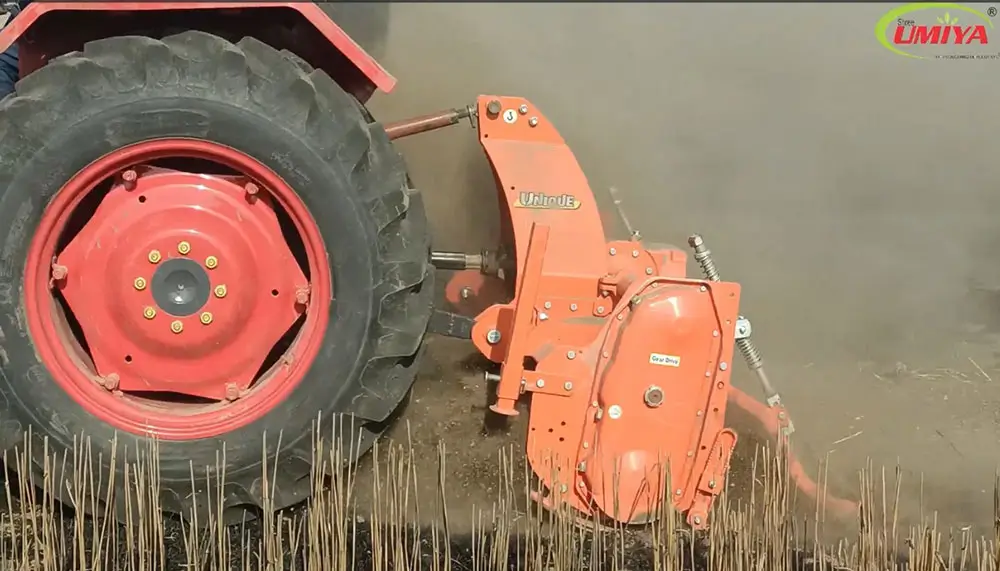
Credit: www.patelagroindustries.com
Preparing The Tiller For Storage
Properly storing a garden tiller keeps it in good shape. It helps the machine last longer and work well next season.
Before storing, you need to prepare the tiller carefully. This includes cleaning, emptying fuel and oil, and checking for damage.
Cleaning The Equipment
Start by removing dirt and debris from the tiller. Use a brush or cloth to clean the tines and wheels.
Cleaning stops rust and keeps parts working smoothly. Avoid spraying water directly on the engine to prevent damage.
- Brush off soil and grass
- Wipe metal parts with a dry cloth
- Use mild soap and water on dirty spots
- Dry the tiller completely before storing
Emptying Fuel And Oil
Old fuel can clog the engine and cause problems. Drain the gas tank or run the engine until it stops.
Change the oil before storing. Old oil can damage engine parts over time.
- Turn off the fuel valve
- Drain fuel into a safe container
- Run engine to use leftover fuel
- Change oil with fresh oil
- Check oil level after changing
Inspecting For Damage
Look over the tiller for broken or loose parts. Fix any damage before storage to avoid bigger issues.
Check belts, bolts, tires, and blades carefully. Tighten or replace parts if needed.
- Check tines for wear or cracks
- Tighten loose bolts and screws
- Inspect tires for punctures or low pressure
- Look at belts for cracks or fraying
- Replace damaged parts promptly

Credit: www.tractorsupply.com
Choosing The Right Storage Location
Storing your garden tiller properly helps it last longer. Picking the right place keeps it safe and ready to use.
Think about where you keep it. The spot should protect your tiller from damage and wear.
Indoor Vs Outdoor Storage
Indoor storage protects your tiller from weather and theft. It keeps the machine dry and clean.
Outdoor storage is easier but can cause rust and damage. Use a cover if you store it outside.
- Indoor storage: garage, shed, basement
- Outdoor storage: covered patio, tarp-covered area
- Cover the tiller to keep out rain and sun
Temperature And Humidity Considerations
Keep your tiller in a place with stable temperature. Avoid very hot or cold spots.
High humidity can cause rust. A dry place helps protect metal parts and the engine.
- Ideal temperature: 50°F to 80°F (10°C to 27°C)
- Low humidity reduces rust risk
- Use a dehumidifier in damp areas
Protecting From Pests And Debris
Pests can chew wires or make nests in your tiller. Keep the area clean to avoid this.
Cover the tiller with a tarp or cloth. This stops dust, leaves, and bugs from building up.
- Store tiller off the ground if possible
- Use sealed containers for small parts and tools
- Check the tiller often for signs of pests or dirt
Maintaining The Tiller During Storage
Proper care helps your garden tiller last longer. Storing it well keeps it ready for next use.
Focus on cleaning, protecting, and checking the tiller during storage. These steps prevent damage.
Lubricating Moving Parts
Lubricate the tiller’s moving parts before storing. This stops rust and keeps parts working smoothly.
Use oil or grease on gears, chains, and joints. Avoid over-lubricating to prevent dirt buildup.
- Clean parts before applying lubricant
- Use the recommended lubricant type
- Wipe off excess oil or grease
- Check the user manual for specific spots
Covering The Tiller
Cover the tiller with a waterproof tarp or cover. This protects it from dust, moisture, and pests.
Store the tiller in a dry, sheltered place. Avoid damp areas that cause rust or mold.
- Use a breathable cover to avoid condensation
- Keep the tiller off the ground on blocks or pallets
- Ensure good air circulation around the machine
Periodic Checks And Running
Check the tiller every few weeks during storage. Look for leaks, rust, or loose parts.
Run the tiller briefly to keep the engine parts lubricated. This helps prevent damage.
- Inspect fuel levels and quality
- Start the engine and let it run a few minutes
- Listen for unusual sounds or vibrations
- Tighten any loose bolts or screws
Preparing The Tiller For Next Use
Storing your garden tiller correctly keeps it ready for the next time you need it. Proper care prevents damage and extends its life.
Follow these simple steps to prepare your tiller after each use. This guide covers refilling fluids, checking parts, and safety inspections.
Refilling Fluids
Check the oil and fuel levels before storing your tiller. Low fluids can cause engine problems when you use it again.
- Fill the oil to the recommended level using the correct type.
- Use fresh fuel or add a fuel stabilizer to prevent gumming.
- Top off hydraulic fluids if your tiller has them.
- Wipe any spills to avoid dirt buildup.
Checking And Replacing Parts
Inspect the tiller’s parts for wear and damage. Replace any broken or worn components to keep it working well.
| Part | What to Check | Action |
| Belts | Cracks or fraying | Replace if damaged |
| Blades | Dullness or bends | Sharpen or replace |
| Air Filter | Clogged or dirty | Clean or swap out |
| Spark Plug | Carbon build-up | Clean or replace |
Safety Inspections
Check safety features before storing your tiller. This keeps you safe and protects the machine.
- Make sure shields and guards are in place and secure.
- Test the kill switch and throttle controls for proper function.
- Look for fuel leaks or loose connections.
- Clean the tiller to remove dirt and debris.
Common Storage Mistakes To Avoid
Proper storage of your garden tiller keeps it working longer. Avoid mistakes that can cause damage or costly repairs.
Learn the common errors to skip for better care of your tiller during storage.
Leaving Fuel In The Tank
Fuel left in the tank can go bad and clog the engine. It may cause hard starts or damage the carburetor.
- Run the tiller until the fuel runs out before storing.
- Use a fuel stabilizer if you cannot empty the tank.
- Store fuel in a sealed container away from the tiller.
Ignoring Cleaning
Dirt and debris can rust metal parts and cause wear. Cleaning your tiller helps it last longer and work well.
| Part | Cleaning Tip |
|---|---|
| Tines | Remove soil with a brush and rinse with water |
| Engine Area | Wipe off dirt with a dry cloth, avoid water |
| Air Filter | Clean or replace before storing |
Storing In Damp Areas
Moisture causes rust and electrical problems in tillers. Avoid damp places like basements or sheds without ventilation.
- Store the tiller in a dry, covered place.
- Use a protective cover to keep out moisture.
- Place the tiller on a raised surface to avoid ground moisture.

Credit: gardens.theownerbuildernetwork.co
Frequently Asked Questions
How Should I Clean A Garden Tiller Before Storing It?
Remove dirt and debris using a brush and water. Dry the tiller completely to prevent rust. Clean the blades and engine area carefully.
What Is The Best Place To Store A Garden Tiller?
Store your tiller in a dry, sheltered area like a garage or shed. Avoid damp or humid locations to prevent rust and damage.
Should I Drain Fuel Before Storing A Garden Tiller?
Yes, drain the fuel tank or add a fuel stabilizer. This prevents fuel from degrading and damaging the engine during storage.
How Often Should I Maintain My Garden Tiller In Storage?
Perform maintenance checks every few months. Check for rust, oil levels, and blade sharpness to keep the tiller ready for use.
Conclusion
Storing your garden tiller properly keeps it working well for years. Clean the tiller after each use to stop rust and dirt buildup. Store it in a dry, safe place away from rain and sun. Check oil and fuel before storage to avoid damage.
Cover the tiller to protect it from dust and pests. Taking these simple steps saves money and effort later. A well-kept tiller makes gardening easier every season. Keep it ready, and your garden will thank you. Simple care makes a big difference.

