

If you want a lush, green lawn without spending hours on hard work, a backpack sprayer can be your best friend. But using it the right way is key to getting great results and protecting your plants.
In this guide, you’ll learn simple, step-by-step tips to handle your backpack sprayer with confidence. Whether you’re treating weeds, fertilizing, or watering, mastering this tool will save you time and effort. Ready to make your lawn care easier and more effective?
Keep reading to find out how!

Credit: m.youtube.com
Choosing The Right Backpack Sprayer
Using a backpack sprayer helps keep your lawn healthy and green. Picking the right sprayer makes the job easier and faster.
Consider the sprayer type, size, and material. These factors affect how well the sprayer works and lasts.
Types Of Backpack Sprayers
There are different types of backpack sprayers for lawns. Choose one that fits your needs and budget.
- Manual Sprayers:Pump by hand to build pressure. Good for small areas and light use.
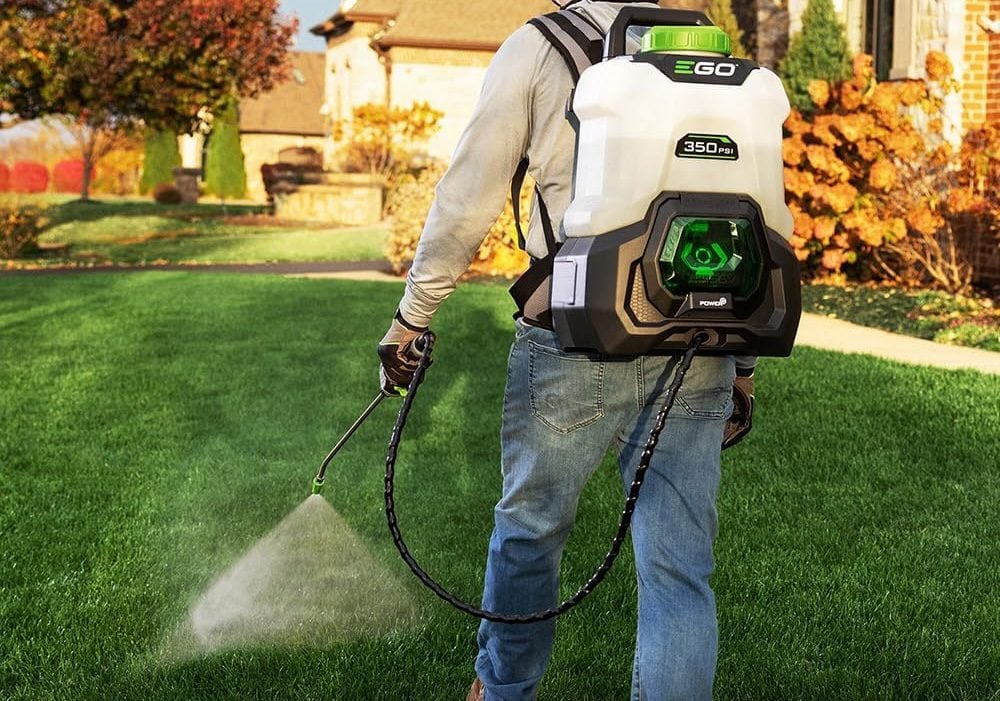
- Battery-Powered Sprayers:Use a battery to spray. Save energy and spray longer.
- Gas-Powered Sprayers:Strong and fast for large lawns. Require more maintenance.
Capacity And Size Considerations
| Capacity | Best For | Weight When Full |
| 2 to 3 gallons | Small to medium lawns | 16 to 24 pounds |
| 4 to 5 gallons | Medium to large lawns | 32 to 40 pounds |
| 6 gallons or more | Very large lawns or commercial use | 48+ pounds |
Choose a size that feels comfortable on your back. Larger tanks hold more but weigh more when full.
Material And Durability
Backpack sprayers come in different materials. Look for one that lasts and resists damage.
- Plastic:Lightweight and affordable. Good for light use.
- Polyethylene:Strong and chemical-resistant. Common in many sprayers.
- Metal:Very durable but heavier. Best for heavy-duty work.
Preparing The Sprayer
Using a backpack sprayer correctly keeps your lawn healthy and safe. Preparing it well makes spraying easier and more effective.
This guide covers assembling the equipment, mixing chemicals safely, and filling the tank properly.
Assembling The Equipment
Start by checking all parts of your sprayer. Make sure the tank, straps, hose, and nozzle are clean and undamaged.
- Attach the straps securely to fit your back comfortably.
- Connect the hose tightly to the tank and nozzle.
- Test the trigger to ensure it moves smoothly.
- Replace any cracked or worn parts before use.
Mixing Chemicals Safely
Always wear gloves and eye protection when mixing chemicals. Read the label carefully for correct amounts and instructions.
| Safety Tips | Details |
| Wear protective gear | Gloves, goggles, and mask |
| Use measuring tools | Follow label doses exactly |
| Mix in a ventilated area | Prevent inhaling fumes |
| Keep water nearby | For rinsing spills or skin |
Filling The Tank Properly
Fill the tank on a flat surface to avoid spills. Use clean water and never fill above the maximum mark.
- Pour mixed chemicals slowly into the tank.
- Leave some space for shaking the mix.
- Close the tank lid tightly to prevent leaks.
- Check the sprayer for leaks before wearing it.
Adjusting Spray Settings
Using a backpack sprayer properly helps your lawn stay healthy. Adjusting the spray settings is key to getting the right coverage.
Spray settings include nozzle type, spray pressure, and spray rate. Each affects how the product spreads on your grass.
Selecting Nozzle Types
Different nozzles create different spray patterns. Choose one that fits the size and type of your lawn.
- Fan nozzles cover wide areas with a fine mist.
- Cone nozzles focus spray in a circular pattern.
- Adjustable nozzles let you change the spray shape.
Controlling Spray Pressure
Spray pressure controls how far and fast the liquid sprays. Higher pressure spreads the spray wider but may cause drift.
| Pressure Level | Effect |
| Low (20-30 PSI) | Gentle spray, less drift |
| Medium (30-40 PSI) | Balanced spray and coverage |
| High (40-50 PSI) | Strong spray, risk of drift |
Calibrating Spray Rate
Calibrating spray rate means measuring how much liquid you apply per area. This avoids waste and over-application.
- Fill the tank with water only.
- Spray a measured section of lawn for a set time.
- Measure how much liquid was used.
- Calculate the area covered and adjust flow if needed.

Credit: www.youtube.com
Effective Spraying Techniques
Using a backpack sprayer on your lawn can help keep it healthy and green. Proper spraying techniques make sure the chemicals spread evenly and work well.
Focus on how you spray, walk, and avoid wasting spray to get the best results. This guide covers key tips for each step.
Maintaining Even Coverage
Hold the spray wand steady and at a consistent height. Keep the nozzle about 18 inches above the grass for even spray. Move the wand at a steady speed to avoid over or under spraying.
- Start spraying at one edge of the lawn.
- Keep the spray pattern overlapping slightly with the previous pass.
- Use a wide spray nozzle for better coverage.
- Check the spray pressure often to keep it steady.
Walking Patterns For Lawns
Walk in straight lines to cover the lawn fully. Use a back-and-forth pattern like mowing. Keep your pace steady and avoid rushing to maintain even spray.
- Start at one corner of the lawn.
- Walk in parallel lines across the lawn.
- Overlap each line by about 6 inches.
- Turn around smoothly at the end of each line.
Avoiding Overspray And Waste
Overspray wastes chemicals and can harm nearby plants or areas. Control the spray pattern and watch the wind to avoid drift. Stop spraying near sidewalks or driveways.
| Tip | How to Do It |
| Check wind speed | Spray only when wind is less than 5 mph |
| Use low pressure | Adjust sprayer pressure to reduce drift |
| Spray close to ground | Keep nozzle near grass to target spray |
| Turn off sprayer when not moving | Prevent spraying in unwanted areas |
Safety Tips And Precautions
Using a backpack sprayer on your lawn can help keep it healthy. It is important to stay safe while spraying. Following safety tips protects you and the environment.
Always prepare carefully before starting. This guide covers key safety steps to follow when using a backpack sprayer.
Wearing Protective Gear
Wear the right protective gear to stop chemicals from touching your skin. This gear also protects your eyes and lungs from spray mist.
Use gloves, long sleeves, long pants, and boots. Wear safety goggles and a mask or respirator for extra protection.
- Rubber or chemical-resistant gloves
- Long-sleeved shirt and pants
- Closed-toe boots
- Safety goggles or glasses
- Mask or respirator to avoid inhaling spray
Handling Chemicals Responsibly
Read all labels on chemical containers before use. Follow the instructions for mixing and spraying carefully.
Only mix the amount you need. Avoid spilling and keep chemicals away from children and pets.
- Read and follow label directions
- Measure chemicals accurately
- Mix in a well-ventilated area
- Keep chemicals out of reach of children and pets
- Do not eat, drink, or smoke while handling chemicals
Cleaning And Storing The Sprayer
Clean the sprayer after each use to prevent damage and contamination. Rinse it with water and run clean water through the hose and nozzle.
Store the sprayer in a dry place away from direct sunlight. Keep it out of reach of children and animals.
- Rinse tank, hose, and nozzle thoroughly
- Check for leaks or damage before storage
- Store in a cool, dry place
- Keep away from children and pets
Troubleshooting Common Issues
Using a backpack sprayer keeps your lawn healthy and green. Issues can arise if not maintained properly.
This guide helps you fix common problems like clogs, leaks, and uneven spray patterns.
Fixing Clogs And Leaks
Clogs and leaks are common issues with sprayers. They can reduce the effectiveness of your application.
- Check nozzles for blockages regularly.
- Clean filters to prevent clogging.
- Tighten all connections to stop leaks.
Dealing With Uneven Spray
Uneven spray leads to inconsistent lawn treatment. Proper adjustment of the sprayer is essential.
| Issue | Solution |
| Uneven spray pattern | Adjust nozzle settings |
| Patchy coverage | Walk at a steady pace |
| Over-spraying | Reduce pressure settings |
Maintaining Pump Performance
The pump is vital for sprayer function. Regular maintenance ensures it works efficiently.
Lubricate the pump seals to prevent wear and tear.
Check hoses for cracks or damage frequently.
Credit: www.protoolreviews.com
Frequently Asked Questions
How Do I Prepare A Backpack Sprayer For Lawns?
Clean the tank and fill it with the recommended chemical and water mix. Secure the lid tightly to avoid leaks. Test the spray pattern to ensure even coverage before applying to your lawn.
What Safety Gear Should I Wear When Spraying Lawns?
Wear gloves, goggles, long sleeves, and a mask to protect your skin and lungs. Avoid spraying on windy days to reduce chemical drift. Always follow the product’s safety instructions for best protection.
How Do I Maintain My Backpack Sprayer?
After use, rinse the tank and nozzle thoroughly with clean water. Check for clogs or damage regularly. Lubricate moving parts and store the sprayer in a dry, cool place to extend its lifespan.
When Is The Best Time To Use A Backpack Sprayer On Lawns?
Spray early in the morning or late in the evening to avoid heat stress and evaporation. Choose calm weather to prevent drift. Avoid spraying before rain to ensure chemicals absorb properly into the soil.
Conclusion
Using a backpack sprayer keeps your lawn healthy and green. It spreads liquid evenly and saves time. Always check the sprayer before use for safety. Wear protective gear to avoid contact with chemicals. Clean the sprayer after each job to keep it working well.
Practice steady movements for best results. With care, your lawn will look great all season. Simple steps make lawn care easier and more effective. Try these tips for a thriving, beautiful yard.
