
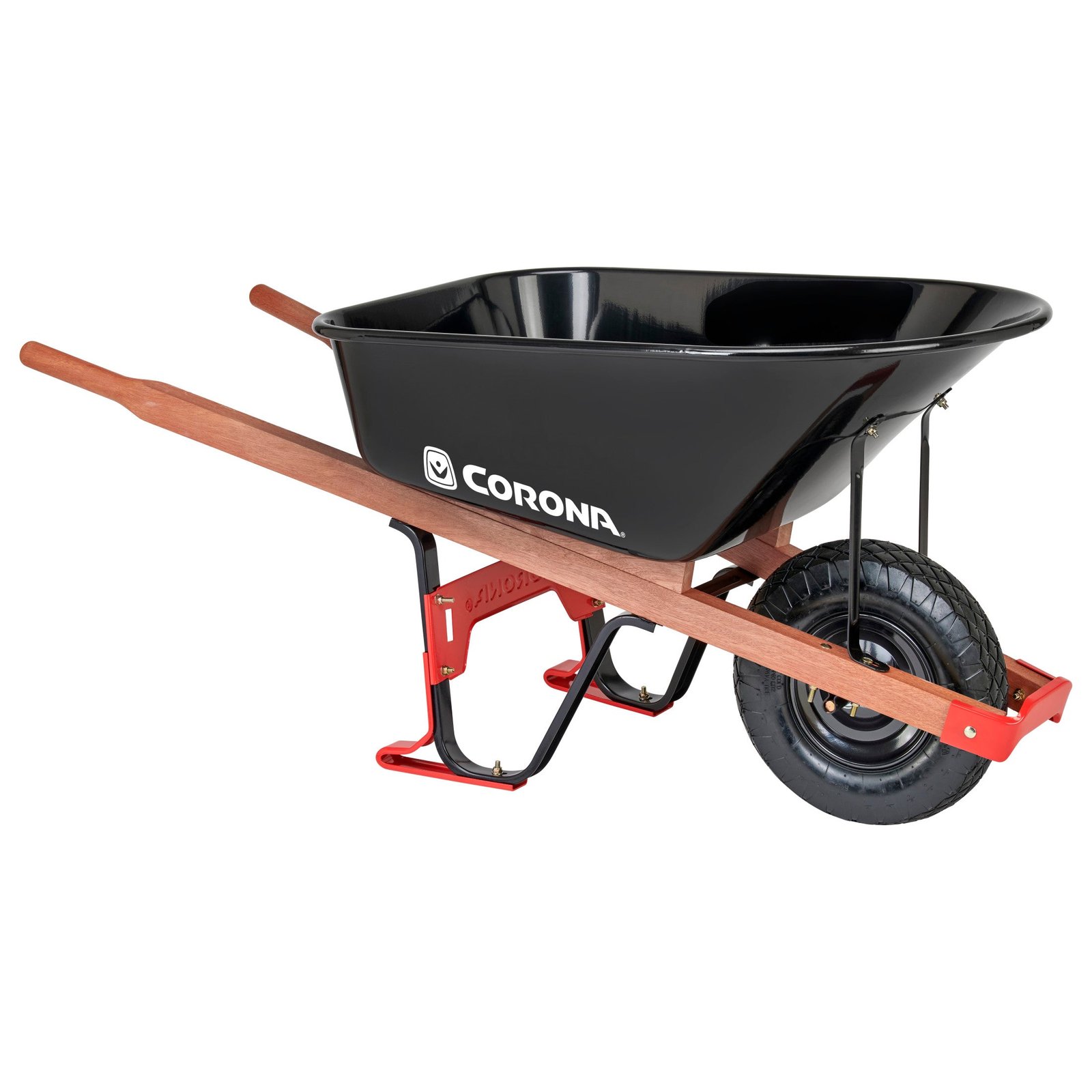
Are you tired of struggling with a wheelbarrow that tips over or gets stuck every time you work on uneven ground? Finding the best wheelbarrow for uneven terrain can make your tasks easier, faster, and less frustrating.
Whether you’re moving soil, rocks, or tools, the right wheelbarrow helps you keep control and balance no matter how rough the path. Keep reading to discover what features matter most and which models stand out, so you can choose the perfect wheelbarrow for your needs and make your outdoor work a breeze.
Key Features For Uneven Terrain
Choosing the best wheelbarrow for uneven terrain means looking at certain key features. These features help the wheelbarrow move easily and last longer on rough ground.
Understanding these features will help you pick a wheelbarrow that works well on hills, rocks, and bumpy paths.
Wheel Types And Benefits
Wheelbarrows come with different wheel types. Each type has good and bad points for uneven ground.
- Pneumatic wheels:Filled with air, they absorb shocks and roll smoothly on bumps.
- Semi-pneumatic wheels:Part air-filled, part solid, they resist punctures and offer some cushioning.
- Solid rubber wheels:Hard and flat, they do not go flat but give less shock absorption.
- Polyurethane wheels:Durable and smooth, good for firm but uneven surfaces.
Frame Durability
The wheelbarrow frame must be strong to handle rough use. Look for frames made from steel or heavy-duty aluminum.
Steel frames resist bending and breaking on rocky or uneven ground. Aluminum frames are lighter but still strong.
- Steel frames provide extra strength and durability.
- Aluminum frames reduce weight for easier lifting.
- Check for rust-resistant coatings to last longer outdoors.
Tire Material And Size
Tire material and size affect how well the wheelbarrow moves on bumpy terrain. Bigger tires roll over obstacles easier.
Soft tires like pneumatic ones absorb shocks, while hard tires last longer but may be rough on rocks.
- Larger tires improve stability and roll over roots or stones better.
- Pneumatic tires cushion the ride but need air checks.
- Semi-pneumatic tires reduce flats and give some cushioning.
- Solid tires last longer but may be harder to push.
Load Capacity
Load capacity tells how much weight the wheelbarrow can carry. Stronger frames and wheels support heavier loads.
Choose a wheelbarrow with enough capacity for your tasks. Overloading can damage the wheelbarrow or make it hard to control.
- Light wheelbarrows carry 100-150 pounds.
- Medium models hold 150-250 pounds.
- Heavy-duty wheelbarrows support over 250 pounds.
- Match capacity to the weight of soil, rocks, or tools you move.

Credit: www.garant.com
Top Durable Wheelbarrows
Choosing the right wheelbarrow makes work easier on uneven ground. Durability and stability matter most.
This guide covers strong wheelbarrows built to handle rough terrain well.
Heavy-duty Steel Wheelbarrows
Steel wheelbarrows resist dents and carry heavy loads. They last long even on rocky paths.
Look for rust-resistant coatings to keep steel trays in good shape.
Polymer Tray Models
Polymer trays are lightweight and resist rust. They handle bumps without cracking.
- Easy to clean and maintain
- Won’t dent on impact
- Good for carrying wet or sharp materials
Pneumatic Tire Options
Pneumatic tires absorb shocks and roll smoothly over rocks and roots. They improve balance on slopes.
| Feature | Benefit |
| Air-filled tire | Cushions bumps |
| Wide tread | Better grip on dirt |
| Replaceable tubes | Easy to fix flats |
All-terrain Wheelbarrows
All-terrain wheelbarrows combine strong frames with special tires. They handle mud, sand, and gravel well.
- Heavy frame for load support
- Multiple tire options for different surfaces
- Ergonomic handles for control
Comparing Wheelbarrow Designs
Choosing the right wheelbarrow is key for working on uneven ground. Different designs handle rough terrain in unique ways.
This guide compares popular wheelbarrow types by their wheels, weight, and handles. These factors affect ease and comfort.
Single Vs Dual Wheel Models
Single wheelbarrows have one front wheel. They turn easily on narrow paths. Dual wheel models have two wheels for balance.
- Single wheel:Better for sharp turns and tight spaces.
- Dual wheels:More stable on uneven or soft ground.
- Single wheel:Can sink in soft dirt but maneuvers well over rocks.
- Dual wheels:Spread weight, reducing effort on rough terrain.
Weight And Maneuverability
Lighter wheelbarrows are easier to push but may be less durable. Heavy models hold more weight but require more effort.
| Feature | Lightweight Model | Heavy Duty Model |
| Weight | 10-15 pounds | 30-50 pounds |
| Maneuverability | Easy to push and turn | Harder to move on slopes |
| Load Capacity | 100-150 pounds | 300+ pounds |
| Best Use | Small jobs, soft loads | Heavy materials, long work |
Handle Styles And Comfort
Handle design affects grip and control. Some handles reduce strain during long use.
Common handle styles include:
- Straight handles:Simple but may cause wrist fatigue.
- Ergonomic handles:Curved shape for better grip and less hand strain.
- Loop handles:Offer more control when turning on uneven ground.

Credit: posh.co.uk
Tips For Using On Uneven Ground
Using a wheelbarrow on uneven terrain can be tricky. It needs careful handling to avoid spills or damage.
Choosing the right wheelbarrow is important, but knowing how to use it well on rough ground helps more.
Balancing Loads
Keep the load balanced to make pushing easier. Put heavy items near the wheel to reduce effort.
Uneven ground can cause tipping if the load is off-center. Spread weight evenly across the tray.
- Place heavy materials close to the wheel
- Distribute lighter items evenly
- Do not overload the wheelbarrow
- Secure loose items to avoid falling out
Maintenance For Rough Use
Uneven terrain can wear out your wheelbarrow faster. Check it often for damage and fix it quickly.
Keep tires full and parts clean. This helps the wheelbarrow move smoothly and last longer.
- Inspect tires for punctures or low air pressure
- Tighten all bolts and screws regularly
- Clean dirt and mud after each use
- Lubricate wheel bearings to prevent rust
Safety Precautions
Safety is key when using a wheelbarrow on rough ground. Take your time and watch your steps.
Wear gloves and sturdy shoes to protect your hands and feet. Avoid steep slopes if possible.
- Keep a firm grip on handles at all times
- Push, do not pull, to maintain control
- Watch for rocks and holes in the path
- Use a wheelbarrow with a wide tire for better balance

Credit: www.garant.com
Frequently Asked Questions
What Features Make A Wheelbarrow Ideal For Uneven Terrain?
A wheelbarrow for uneven terrain should have a sturdy frame, wide pneumatic tires, and good balance. These features ensure stability and smooth movement over rocks, roots, and slopes. Look for durable materials and ergonomic handles for better control and comfort during use.
Which Wheelbarrow Tire Type Works Best On Rough Ground?
Pneumatic tires filled with air provide the best shock absorption on rough ground. They offer better traction and maneuverability compared to solid tires. This reduces strain and makes it easier to push the wheelbarrow over uneven surfaces like dirt, gravel, or grass.
How Important Is Wheelbarrow Weight For Uneven Terrain?
A lightweight wheelbarrow is easier to maneuver on uneven terrain. However, it must still be strong enough to carry heavy loads without bending. Balance is key—too heavy makes it hard to push; too light may reduce durability and stability.
Can A Single Wheelbarrow Handle Rocky Or Sloped Areas?
Yes, single-wheel wheelbarrows are more maneuverable on rocky or sloped areas. Their narrow design allows for sharper turns and better navigation. However, they require good balance skills from the user to prevent tipping.
Conclusion
Choosing the right wheelbarrow makes work on rough ground easier. A sturdy frame and large, wide tires help you move smoothly. Balance and comfort also matter for long use. Think about the weight and size before buying. The best wheelbarrow fits your needs and terrain type.
Take your time to pick one that lasts. Good tools make tough jobs simpler and safer. Keep these tips in mind, and you’ll handle uneven ground with ease.

