
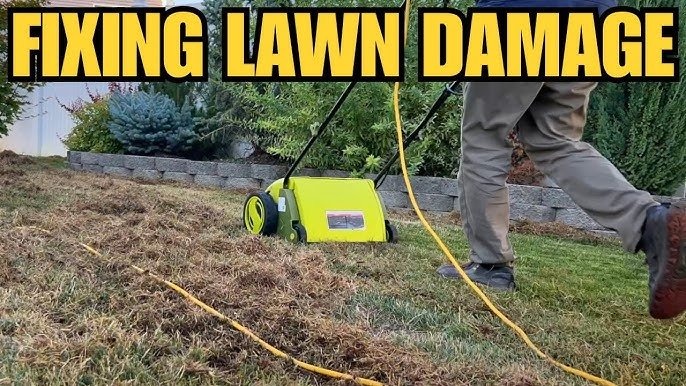
Is your lawn looking tired, patchy, or struggling to grow new grass? The secret to a fresh, healthy lawn might be hidden beneath the surface—in the layer of thatch choking your grass.
If you’re planning to reseed, removing this thick layer first is crucial. But how exactly do you dethatch your lawn the right way to give your new seeds the best chance to thrive? In this guide, you’ll discover simple, effective steps to dethatch your lawn and prepare it perfectly for reseeding.
Ready to transform your lawn into a lush, green paradise? Let’s dive in.

Credit: www.jclandscapingllc.com
Why Dethatch Your Lawn
Dethatching removes dead grass and roots from your lawn. This helps air, water, and nutrients reach the soil better.
When you prepare your lawn for reseeding, dethatching is very important. It creates space for new grass to grow strong.
Benefits For New Grass
Removing thatch allows new seeds to touch the soil. This improves seed germination and root growth.
- Better soil contact for seeds
- Improved water absorption
- Increased nutrient access
- Stronger and healthier grass roots
- Reduced risk of lawn diseases
Signs That Thatching Is A Problem
Too much thatch can stop water and air from reaching the roots. This can make your lawn weak.
| Sign | What It Means |
| Spongy lawn surface | Thatch layer is thick and soft |
| Water puddles on lawn | Water can’t soak in properly |
| Grass looks yellow or thin | Roots are not getting enough nutrients |
| Weeds growing easily | Thatch favors weed growth |
Best Time To Dethatch
Dethatching your lawn helps it grow strong and healthy. It removes dead grass and debris that block water and nutrients.
Choosing the right time to dethatch is important. It depends on the season and lawn conditions.
Seasonal Considerations
The best time to dethatch your lawn depends on the grass type and season. Cool-season grasses do well in early spring or early fall. Warm-season grasses do best in late spring through early summer.
- For cool-season grasses: dethatch in early spring or early fall.
- For warm-season grasses: dethatch in late spring or early summer.
- Avoid dethatching in hot summer or cold winter months.
- Dethatch when the lawn is actively growing for quick recovery.
Ideal Lawn Conditions
Dethatch when your lawn is moist but not wet. Dry soil can make dethatching harder. Wet soil can damage roots.
| Condition | Reason |
| Moist Soil | Helps remove thatch easily |
| Active Growth | Speeds up lawn recovery |
| Temperature 60-75°F (15-24°C) | Best for grass health |
| Free of Frost | Prevents lawn damage |
Tools For Dethatching
Dethatching helps remove dead grass and debris from your lawn. It prepares the soil for reseeding by allowing air, water, and nutrients to reach the roots.
Choosing the right tools makes dethatching easier and more effective. Different tools suit different lawn sizes and conditions.
Manual Rakes
Manual rakes are simple tools with sharp blades or tines. They pull up thatch by hand and work well for small lawns.
These rakes give you control but require more effort. They are quiet and do not need fuel or electricity.
- Best for small areas
- Low cost and easy to use
- Good for light thatch buildup
- Requires physical effort
Power Dethatchers
Power dethatchers have rotating blades or tines powered by gas or electricity. They cover larger areas quickly and remove thicker thatch layers.
These machines reduce manual labor but need careful handling. They are ideal for medium to large lawns.
- Work faster on big lawns
- Remove heavy thatch effectively
- Require fuel or electric power
- May need some skill to operate
Choosing The Right Equipment
Pick a manual rake for small lawns or light thatch. It saves money and is easy to use.
Choose a power dethatcher for bigger lawns or heavy thatch. It saves time and effort.
- Check lawn size and thatch level
- Consider your physical ability
- Think about budget and tool availability
- Read instructions before use
Preparing Your Lawn
Getting your lawn ready for reseeding is important. Proper preparation ensures healthy growth.
Follow these guidelines to make your lawn lush and green. Start with mowing and watering tips.
Mowing Tips
Mowing helps maintain your lawn’s health. It is the first step in preparing for reseeding.
- Set your mower to the lowest setting.
- Trim the grass to expose the soil better.
- Collect and remove the cut grass.
Watering Guidelines
Watering keeps the soil moist, aiding in seed germination. Proper watering is key to success.
| Time | Duration |
| Early Morning | 15 minutes |
| Late Afternoon | 15 minutes |
Ensure the soil is damp but not waterlogged. Adjust watering based on the weather.
Step-by-step Dethatching Process
Dethatching your lawn is important before reseeding. It removes old grass and debris. This helps new grass grow well.
Follow these steps carefully to prepare your lawn for reseeding. Proper dethatching makes your lawn healthy and green.
Setting Up Equipment
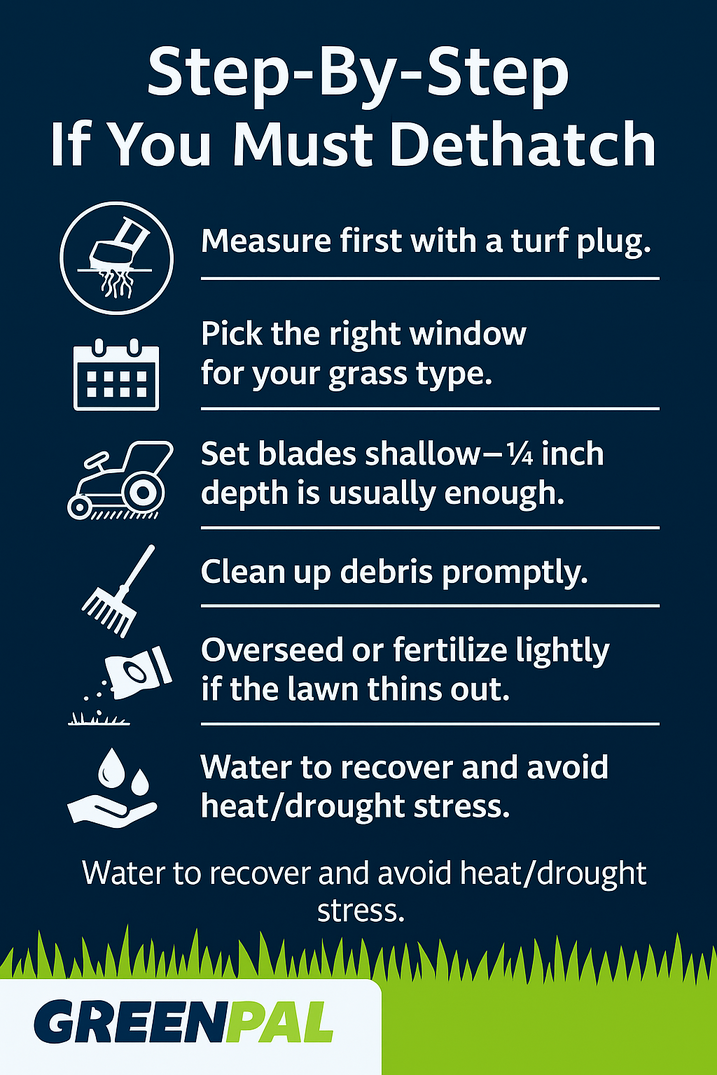
Gather the right tools before starting. You will need a dethatcher or a rake, gloves, and a lawn mower. Check that all equipment works well.
- Inspect the dethatcher for damage
- Wear gloves to protect your hands
- Set mower blades high to avoid cutting grass too short
- Clear the lawn of toys and stones
Removing Thatch
Run the dethatcher over your lawn in straight lines. Work slowly to lift the thatch layer. Repeat at a right angle to the first pass.
- Start at one corner of the lawn
- Push dethatcher forward to pull up dead grass
- Move back and forth across the entire lawn
- Make a second pass across the lawn at 90 degrees
Cleaning Up Debris
After dethatching, collect the loose thatch and debris. This clears space for new grass seeds. Proper cleanup improves lawn health.
| Tool | Purpose |
| Lawn Rake | Gather loose thatch and debris |
| Leaf Bag or Compost Bin | Dispose of collected material |
| Lawn Mower | Trim grass after cleanup |

Credit: www.familyhandyman.com
Reseeding After Dethatching
Dethatching your lawn removes dead grass and debris. This clears space for new seeds. Reseeding after dethatching helps your lawn grow thick and healthy.
It is important to choose the right seed, spread it well, and care for it properly. This guide covers these key steps for reseeding after dethatching.
Seed Selection
Pick grass seed that matches your lawn type and climate. Use high-quality seed with good germination rates. Choose a seed blend if you want a mix of textures and colors.
- Cool-season grasses for northern regions
- Warm-season grasses for southern areas
- Shade-tolerant seeds for shady lawns
- Drought-resistant seeds for dry areas
Seed Spreading Techniques
Even seed distribution is key for a uniform lawn. You can spread seeds by hand or with a spreader. Lightly rake the soil to help seeds make contact.
- Divide seeds into two equal parts
- Spread first half in one direction
- Spread second half at a right angle
- Rake gently to cover seeds with soil
- Press seeds down using a roller or by walking
Watering And Care
| Care Step | Details |
|---|---|
| Initial Watering | Water gently but deeply right after seeding |
| Frequency | Keep soil moist by watering 2-3 times daily |
| Duration | Continue until grass sprouts and grows 2 inches |
| Mowing | Wait to mow until grass is 3 inches tall |
Maintaining A Healthy Lawn Post-dethatch
Dethatching helps your lawn breathe and grow better. After dethatching, care for your lawn to keep it healthy.
Proper maintenance ensures your lawn stays green and lush. Follow these tips to maintain a thriving lawn after dethatching.
Fertilizing Tips
Fertilizing gives your lawn the nutrients it needs. Choose the right fertilizer for your grass type.
Apply fertilizer after dethatching to promote strong root growth. This helps grass recover quickly.
- Use slow-release fertilizers for long-lasting results
- Follow the recommended application rate on the package
- Water the lawn after applying fertilizer
Regular Lawn Care
Regular care keeps your lawn in top shape. Mow your lawn often, but not too short.
Water your lawn deeply once or twice a week. This strengthens the roots and keeps the grass healthy.
- Mow when grass reaches 3 inches in height
- Keep mower blades sharp for clean cuts
- Water early in the morning to reduce evaporation
Preventing Future Thatch Build-up
Preventing thatch build-up is key to a healthy lawn. Aerate your lawn every year to improve soil health.
Avoid overwatering and over-fertilizing, as these can contribute to thatch. Stick to a regular lawn care schedule.
- Aerate your lawn in the fall or spring
- Compost grass clippings instead of letting them build up
- Use a mulching mower to break down clippings
Credit: www.yourgreenpal.com
Frequently Asked Questions
What Is Lawn Dethatching And Why Is It Important?
Lawn dethatching removes excess dead grass and roots called thatch. It improves air, water, and nutrient flow to the soil. This helps grass grow healthier and prepares your lawn for reseeding effectively.
When Is The Best Time To Dethatch A Lawn?
The best time to dethatch is during active grass growth. For cool-season grasses, early spring or early fall works well. For warm-season grasses, late spring to early summer is ideal. This timing promotes quick recovery after dethatching.
How Do I Know If My Lawn Needs Dethatching?
If the thatch layer is over 0. 5 inches thick, your lawn needs dethatching. Signs include spongy soil, water pooling, and thin or patchy grass. These symptoms indicate poor airflow and nutrient absorption.
What Tools Are Best For Dethatching A Lawn?
Use a dethatching rake for small lawns or a power dethatcher for larger areas. These tools efficiently remove thatch without damaging healthy grass. Proper equipment makes dethatching easier and more effective.
Conclusion
Dethatching your lawn clears dead grass and allows new seeds to grow. It helps water, air, and nutrients reach the soil better. Use the right tools and work carefully to avoid damage. After dethatching, spread seeds evenly and water gently.
This simple step improves your lawn’s health and appearance. Keep your lawn clean and cared for best results. Healthy grass starts with good preparation. Give your lawn a fresh start today.

