
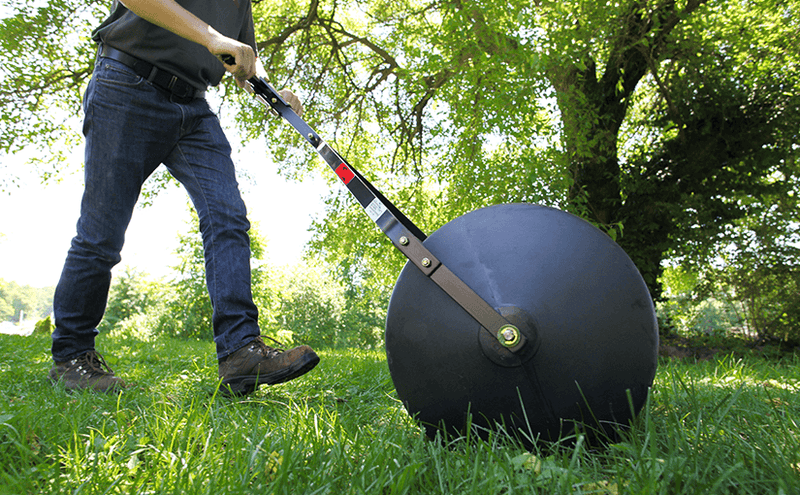
Have you ever wondered how a lawn roller can transform your yard from uneven and bumpy to smooth and flawless? If you want a lawn that looks professionally cared for, understanding how a lawn roller works is key.
Whether you’re fixing up after winter, preparing for new grass seed, or just aiming for that perfect finish, knowing what this simple tool does can save you time and effort. Keep reading to discover how your lawn roller can become your secret weapon for a healthier, more beautiful lawn.
Purpose Of A Lawn Roller
A lawn roller is a tool used to flatten the soil and grass surface. It helps prepare the lawn for better growth and appearance.
Rolling the lawn can fix bumps and improve soil contact with grass roots. This makes the lawn healthier over time.
Benefits For Lawn Health
Using a lawn roller supports the health of your grass. It compresses the soil lightly to create a stable base for roots.
- Reduces air pockets in the soil
- Improves root growth by firming soil
- Prevents damage from heavy foot traffic
- Helps grass recover after seeding or repair
Improving Soil Contact
A lawn roller presses seeds and soil together. This contact helps seeds absorb water and nutrients better.
| Effect | How It Helps |
|---|---|
| Better Seed Germination | Seeds stay in place and absorb moisture |
| Stronger Roots | Soil holds roots firmly for growth |
| Even Water Distribution | Soil surface becomes smooth to hold water |
Smoothing Uneven Surfaces
Rolling the lawn makes the surface flat and smooth. This helps with mowing and lawn care.
- Fills small holes and bumps
- Prevents mower damage on rough ground
- Creates a neat and uniform lawn look
Types Of Lawn Rollers
Lawn rollers help flatten soil and improve lawn appearance. They press down bumps and seeds evenly.
There are different types of lawn rollers based on how they work and move. Choose the right one for your lawn size and needs.
Manual Rollers
Manual rollers are simple and easy to use. You push or pull them by hand across your lawn.
They are best for small lawns and light tasks. Manual rollers do not need fuel or power to work.
- Usually made of steel or plastic
- Filled with water or sand for weight
- Lightweight and easy to store
Tow-behind Rollers
Tow-behind rollers attach to a lawn tractor or ATV. They cover larger areas faster than manual rollers.
These rollers are heavier and can press down tough soil. They are perfect for medium to large lawns.
- Made of heavy steel drums
- Weight can be adjusted by filling with water or sand
- Requires a tractor, ATV, or lawn mower to pull
Powered Rollers
Powered rollers have engines or motors that move the roller automatically. They need less effort from the user.
They are useful for large lawns or commercial areas. Powered rollers can be gas or electric powered.
- Self-propelled for easy operation
- Adjustable speed and pressure settings
- More expensive but save time and energy
Materials And Design
Lawn rollers help flatten soil and grass. They make the lawn smooth and even.
Their materials and design affect how well they work. Different rollers suit different lawn needs.
Steel Rollers
Steel rollers are strong and durable. They hold heavy weight to press the ground firmly.
These rollers often have a solid, smooth surface. They work well for large lawns and tough soil.
- Made of heavy steel for strong pressure
- Last long with little damage
- Can be filled with water or sand for more weight
Plastic Rollers
Plastic rollers are lighter and easier to move. They are good for small to medium lawns.
The plastic shell is often filled with water or sand. This adds weight to press the soil well.
- Made from tough, durable plastic
- Light when empty for easy handling
- Can hold water or sand inside for weight
Water-filled Rollers
Water-filled rollers use a hollow design. You fill them with water to add weight.
This design allows you to adjust the weight. Empty rollers are easy to store and carry.
- Hollow body fills with water or sand
- Weight changes based on how full it is
- Easy to move when empty
How Lawn Rollers Work
A lawn roller is a tool used to flatten the soil and grass. It makes the lawn smooth and even.
It works by applying weight and pressure to the ground. This helps fix bumps and improve the lawn’s look.
Weight And Pressure Mechanism
Lawn rollers use heavy cylinders to press the soil. The weight pushes down on the ground to flatten it.
The pressure depends on the roller’s weight and the size of its surface. Heavier rollers apply more pressure.
- Filled with water or sand for extra weight
- Weight spreads evenly over the roller’s width
- Pressure smooths soil and levels the lawn
Role In Soil Compaction
Soil compaction happens when soil particles are pressed tightly together. Lawn rollers help increase this compaction.
Compacted soil reduces air pockets and makes the soil firm. This can help prepare the lawn for seeding or repair.
- Improves seed-to-soil contact for better growth
- Prevents uneven settling of soil
- Helps keep the lawn level after rain or frost
Impact On Grass Roots
Rolling affects grass roots by pressing the soil around them. Light rolling usually does not harm the roots.
Too much pressure can crush roots and stop water and air from reaching them. Use rollers carefully to protect grass health.
- Light rolling supports root stability
- Heavy rolling may reduce root growth
- Use rollers after mowing or seeding for best results
When To Use A Lawn Roller
A lawn roller helps flatten the soil and improve lawn appearance. It presses seeds and sod into the ground. Knowing when to use it is key for a healthy lawn.
Using a lawn roller at the right time supports grass growth. It also helps repair damage and smooth the surface before mowing.
After Seeding Or Sodding
After planting grass seed or laying sod, use a lawn roller to press them into the soil. This improves soil contact and helps seeds stay moist.
Rolling prevents seeds from washing away during rain and reduces air pockets under sod. This creates a better environment for roots to grow.
Post-winter Lawn Care
Winter can leave your lawn uneven with bumps and holes. Use a lawn roller in early spring to smooth the surface before grass grows again.
Rolling helps fix soil heaving caused by frost. It also presses down any loosened soil or debris for a clean start to the growing season.
Before Lawn Mowing
Roll your lawn before mowing to create a flat surface. This makes mowing easier and helps cut the grass evenly.
A smooth lawn also reduces stress on your mower blades and prevents scalping the grass. It keeps your lawn looking neat and healthy.
Step-by-step Rolling Process
Using a lawn roller helps to flatten uneven ground and improve soil contact with grass seeds. This guide explains the rolling process step by step.
Follow these instructions to ensure your lawn is rolled effectively and safely.
Preparing The Lawn
Before you begin rolling, make sure your lawn is ready. Proper preparation ensures better results.
- Clear debris and remove large rocks.
- Mow the lawn to an even height.
- Water the lawn lightly to soften the soil.
Filling And Adjusting The Roller
Adjusting the roller weight is crucial for effective rolling. Fill the roller with the appropriate material.
| Filling Material | Purpose |
| Water | Light rolling |
| Sand | Heavy rolling |
Ensure the roller is filled evenly to maintain balance while rolling.
Rolling Techniques
Use the right technique to achieve a smooth, even lawn surface. Proper rolling helps prevent soil compaction.
- Start rolling from one edge of the lawn.
- Roll in straight lines, overlapping slightly with each pass.
- Avoid sharp turns to prevent damaging the grass.
Aftercare Tips
After rolling, take care of your lawn to maintain its health. Proper aftercare ensures the lawn stays flat and healthy.
- Avoid heavy foot traffic for a few days.
- Inspect the lawn for any missed spots.
- Regularly check for signs of soil compaction.
Common Mistakes To Avoid
Using a lawn roller can help flatten your lawn. It’s important to avoid common mistakes. This will ensure your lawn stays healthy and looks great.
Here are some mistakes to watch out for when using a lawn roller. Understanding these can save you time and keep your lawn in top shape.
Over-rolling The Lawn
Rolling your lawn too much can cause harm. It compacts the soil too tightly. This makes it hard for grass roots to grow.
A compacted lawn won’t drain water well. This can lead to puddles and weak grass. Roll your lawn just enough to flatten it.
- Roll only once or twice each season
- Check soil condition before rolling
- Ensure grass is not stressed
Rolling Wet Soil
Rolling wet soil can cause damage. Wet soil compacts more easily, which is not good. It reduces air pockets that roots need.
Wait until the soil is dry before rolling. This helps maintain soil structure. Your grass will grow better with good soil conditions.
- Check moisture levels before rolling
- Roll after a few sunny days
- Use a moisture meter if needed
Ignoring Lawn Type
Different grass types have different needs. Some grasses handle rolling well. Others can be damaged easily.
Know your grass type before using a roller. This helps you avoid harming your lawn. Adjust your rolling practices to fit your grass.
- Identify your grass type
- Research rolling guidelines for your grass
- Seek advice from a lawn care expert if unsure
Credit: www.homedepot.com
Maintaining Your Lawn Roller
Keeping your lawn roller in good condition helps it last longer. Regular care makes sure it works well every time.
Simple maintenance tasks protect your roller from damage. These tasks also keep it safe to use on your lawn.
Cleaning And Storage
After using the lawn roller, clean it to remove dirt and grass. Dry it completely to stop rust from forming.
- Use a brush to remove stuck soil
- Rinse with water and let it dry outside
- Store in a dry place away from rain
- Keep it off the ground to avoid moisture
Checking For Damage
Look over your roller carefully for cracks or dents. Check the handle and wheels for loose parts or wear.
| Part | What to Check | Action |
| Drum | Cracks, rust, dents | Clean, repair, or replace |
| Handle | Loose bolts, bending | Tighten or fix |
| Wheels | Wear or wobbling | Lubricate or replace |
Seasonal Maintenance
Before and after each season, check your roller thoroughly. This keeps it ready for use when you need it most.
Follow this checklist for seasonal care:
- Empty water or sand from the roller
- Inspect for rust and treat it
- Lubricate moving parts
- Store indoors during winter
- Cover with a tarp if kept outside
Alternatives To Lawn Rolling
Lawn rolling smooths the surface of your yard. Some tools and techniques can do similar jobs. These alternatives help improve lawn health and even out the ground.
They work well if you want to avoid compacting the soil too much. Each option has its own benefits for your lawn’s appearance and growth.
Aeration Tools
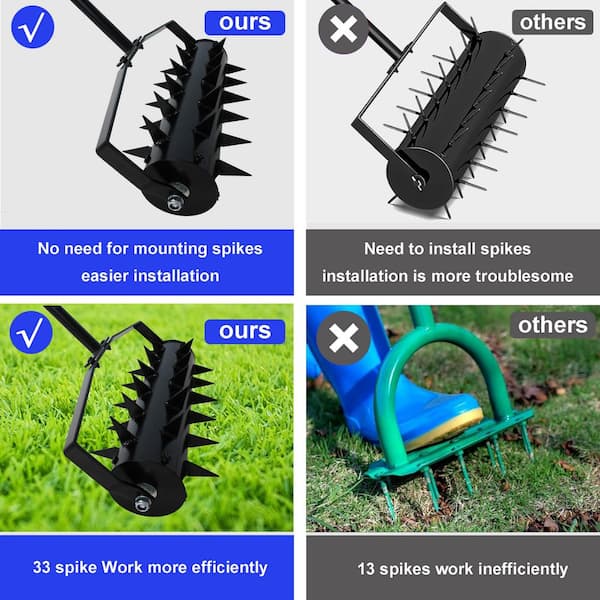
Aeration tools create small holes in the soil. This lets air, water, and nutrients reach grass roots better. It helps the lawn grow strong and healthy.
There are different types of aerators. Spike aerators poke holes by pushing into the soil. Core aerators remove small plugs of soil to reduce compaction.
- Spike aerators are simple and easy to use.
- Core aerators improve drainage and root growth.
- Aeration prevents soil from becoming too hard.
Top Dressing
Top dressing means adding a thin layer of soil or compost on your lawn. It improves soil quality and helps level uneven areas. It also supports grass growth.
This technique can be done after aerating. It fills in holes and smooths the surface without heavy rolling. Top dressing is gentle on your lawn.
- Use sand, compost, or a soil mix for top dressing.
- Spread evenly to avoid burying grass blades.
- Helps reduce lawn bumps and improve soil health.
Using A Lawn Leveller
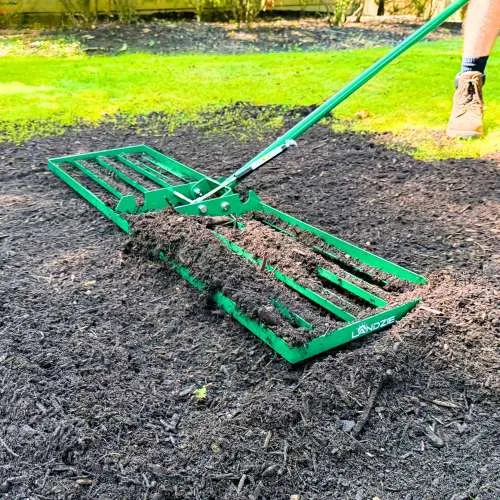
A lawn leveller is a tool to smooth out bumps and dips. It helps create a flat, even lawn surface. You can find manual or motorized levellers for this task.
This tool moves soil from high spots to low spots. It is precise and avoids compacting the soil too much. Lawn levelling works well with top dressing and aeration.
- Manual levellers are easy to use for small areas.
- Motorized levellers work faster on large lawns.
- Levelling improves lawn appearance and mowing ease.

Credit: www.reddit.com
Credit: landzie.com
Frequently Asked Questions
What Is The Primary Function Of A Lawn Roller?
A lawn roller flattens uneven soil and grass surfaces. It compacts soil to improve seed-to-soil contact. This helps new grass grow evenly and reduces bumps in the lawn.
How Does A Lawn Roller Improve Lawn Health?
By pressing soil firmly, a lawn roller enhances root contact with soil. It helps eliminate air pockets, promoting better water absorption. This results in stronger, healthier grass growth over time.
When Should I Use A Lawn Roller On My Lawn?
Use a lawn roller after seeding or lawn repair. It’s best to roll when soil is moist but not soggy. Avoid rolling during drought or extreme heat to prevent soil compaction damage.
Can A Lawn Roller Fix Bumpy Or Uneven Lawns?
Yes, a lawn roller smooths out minor bumps and uneven areas. Rolling compresses high spots and fills low spots for an even surface. For deep bumps, additional soil work may be needed before rolling.
Conclusion
A lawn roller helps press the soil and grass evenly. It smooths bumps and creates a flat surface. Using it after seeding helps seeds stay in place. It also improves water absorption and root growth. Roll your lawn gently to avoid soil damage.
Regular rolling keeps your lawn healthy and neat. Simple tool, useful results. Give your lawn the care it deserves.

