
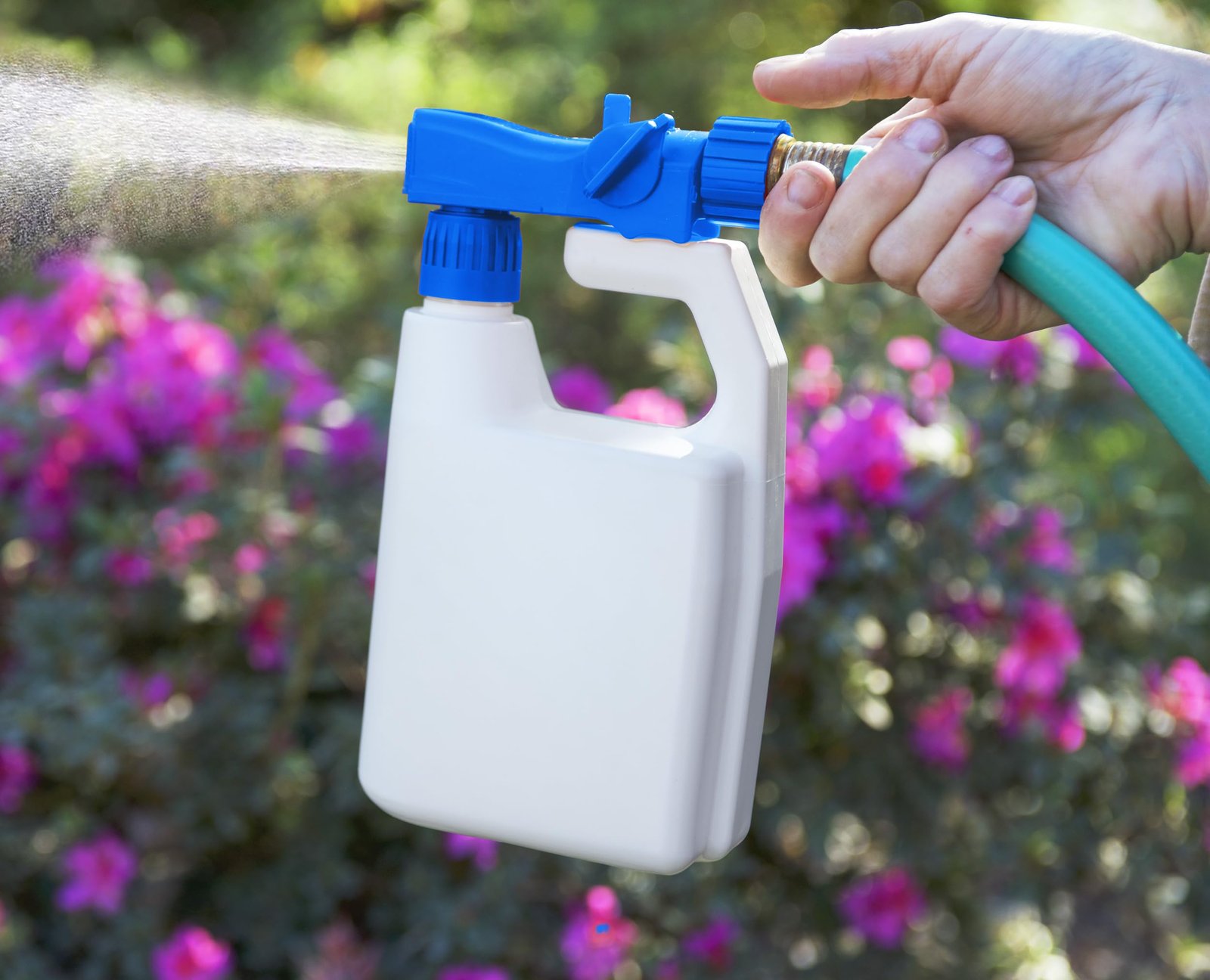
Are you looking for an easy way to spray weed killer without the hassle of heavy equipment? A hose end sprayer might be just what you need.
But can a hose end sprayer actually spray weed killer effectively? If you’ve ever wondered whether this tool can save you time and effort in your garden or lawn, you’re in the right place. Keep reading to discover how a hose end sprayer works with weed killer, what you should watch out for, and tips to get the best results every time.
Your garden will thank you!
How Hose End Sprayers Work
Hose end sprayers connect to your garden hose. They mix water and weed killer as you spray.
This tool helps spread weed killer quickly over large areas. You control the spray by turning the water on or off.
Basic Mechanism
Hose end sprayers use water pressure to work. Water flows through the sprayer and pulls the weed killer inside.
The sprayer mixes the weed killer with water evenly. Then it sprays the solution out through a nozzle.
- Attach sprayer to hose
- Fill sprayer with weed killer
- Turn on water to mix and spray
- Adjust nozzle for spray pattern
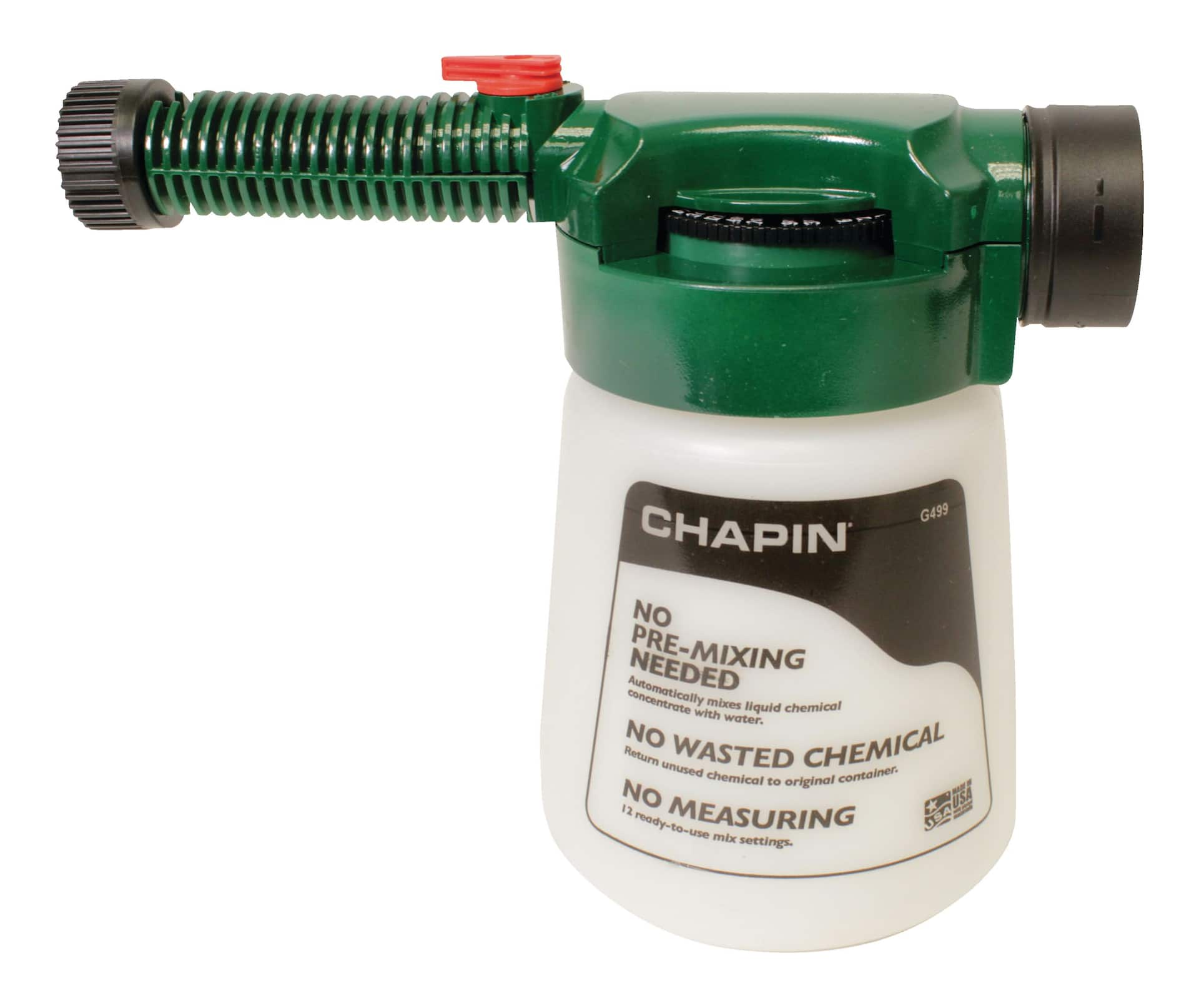
Types Of Sprayers
There are several types of hose end sprayers. Each type works a bit differently.
Choose the sprayer that fits your weed killer and yard size.
- Dial sprayers:You set the mix ratio on a dial.
- Trigger sprayers:Spray only when you pull the trigger.
- Compression sprayers:Pressurize the tank before spraying.
- Tank sprayers:Separate tank holds the mix, sprays continuously.
Credit: www.canadiantire.ca
Choosing The Right Weed Killer
Using a hose end sprayer can make applying weed killer easier. But not all weed killers work well with this tool. It is important to choose a weed killer that fits your sprayer and your needs.
Knowing the right type of weed killer helps protect your plants and lawn. It also keeps your sprayer working properly without damage.
Chemical Compatibility
Some weed killers do not mix well with hose end sprayers. Chemicals can damage the sprayer or clog its parts. Always check if the weed killer label says it is safe for hose end sprayers.
Using incompatible chemicals can cause leaks or poor spraying results. Choose weed killers made for water-based application. Avoid thick or granular formulas that may block the nozzle.
- Check the product label for sprayer instructions
- Use liquid weed killers that dissolve in water
- Avoid thick or gel-like weed killers
- Do not mix chemicals unless specified safe
Concentration Levels
Weed killers come in different strengths. Hose end sprayers mix the concentrate with water as you spray. Using the right concentration is key for safety and effectiveness.
Too strong a mix can harm your plants or lawn. Too weak a mix will not kill weeds. Follow the label instructions for the correct amount of concentrate to use in your sprayer.
- Use the recommended concentrate for your sprayer
- Measure carefully to avoid overuse
- Adjust concentration based on weed type and size
- Rinse the sprayer after use to prevent build-up
Preparing The Sprayer For Weed Killer
Using a hose end sprayer for weed killer needs proper preparation. This ensures safe and effective spraying.
Cleaning the sprayer and mixing the weed killer correctly are key steps before use.
Cleaning And Maintenance
Clean the sprayer before adding weed killer. This removes any dirt or old chemicals.
- Detach the sprayer from the hose.
- Rinse all parts with clean water.
- Use mild soap to scrub the nozzle and container.
- Flush the sprayer with water to clear soap residue.
- Check for cracks or damage and replace parts if needed.
Mixing Instructions
Follow the weed killer label for the correct mix ratio. Use clean water for mixing.
| Action | Details |
| Measure weed killer | Use the recommended amount on the label |
| Add water | Fill the sprayer with the right volume of water |
| Mix solution | Shake or stir the sprayer gently to blend |
| Check nozzle | Ensure it is clean and unobstructed |
| Test spray | Spray a small area to confirm even coverage |
Tips For Effective Spraying
Using a hose end sprayer to apply weed killer can save time and effort. It is important to spray carefully to get the best results and avoid harm to other plants.
Follow these tips to spray weed killer effectively with your hose end sprayer. Proper conditions and techniques help improve coverage and timing.
Optimal Weather Conditions
Choose a calm day to spray weed killer. Wind can blow the spray onto plants you want to keep. Avoid spraying if rain is expected soon because it can wash the chemicals away.
- Spray early in the morning or late afternoon to avoid strong sun.
- Pick days with little or no wind.
- Do not spray if rain is forecast within 24 hours.
Spray Techniques
Hold the sprayer wand close to the weeds for accurate application. Use slow, steady movements to cover the area evenly. Avoid spraying on windy days to prevent drift.
| Technique | Reason |
| Hold wand near weeds | Reduces spray drift |
| Use steady sweeping motions | Ensures even coverage |
| Do not spray on windy days | Prevents damage to other plants |
Coverage And Timing
Apply weed killer when weeds are young and actively growing. Cover all leaves but avoid over-saturating the soil. Wait a few days to see results before reapplying.
- Spray young weeds for best control.
- Ensure full leaf coverage without pooling.
- Wait 3-5 days before reapplying if needed.
Common Mistakes To Avoid
Using a hose end sprayer to apply weed killer can be quick and easy. Still, many people make mistakes that reduce the product’s effectiveness or cause harm. Knowing what to avoid helps you get the best results and stay safe.
Below, we discuss common errors linked to over-application, equipment damage, and safety. Avoid these mistakes to protect your plants, tools, and yourself.
Over-application Risks
Applying too much weed killer wastes product and can hurt your lawn or garden. Overuse may also lead to chemical runoff, which harms nearby plants and water sources.
- Do not exceed the recommended amount on the product label.
- Use the correct hose pressure to avoid spraying too much.
- Spray only when the wind is calm to reduce drift.
- Check the sprayer settings before each use to ensure proper dilution.
Equipment Damage
Wrong use of a hose end sprayer can damage the tool. Chemicals may corrode parts or clog nozzles, reducing the sprayer’s life and performance.
| Common Cause | Effect on Sprayer | How to Avoid |
| Using undiluted weed killer | Corrosion of internal parts | Always dilute as instructed |
| Not cleaning after use | Clogged nozzles and valves | Rinse sprayer thoroughly after each use |
| Storing wet sprayer | Rust and damage | Dry sprayer before storage |
Safety Precautions
Weed killers contain chemicals that can harm your skin, eyes, and lungs. Using a hose end sprayer carelessly may cause accidents or health problems.
- Wear gloves, goggles, and a mask when spraying.
- Keep children and pets away from the treated area until dry.
- Do not eat, drink, or smoke while spraying.
- Store chemicals and sprayers out of reach of children.
- Wash hands and clothes after use.

Credit: www.gardenanswer.com
Alternative Methods For Weed Control
Weeds can be a problem in gardens and lawns. There are different ways to control them without using a hose end sprayer for weed killer.
Exploring alternative methods can help keep your garden healthy and safe for the environment.
Manual Removal
Pulling weeds by hand is effective. It ensures that you remove the root, preventing regrowth.
Use tools like hoes or trowels for deep-rooted weeds. This method is best for small gardens or isolated weed patches.
- Wear gloves to protect your hands
- Remove weeds after rain for easier pulling
- Dispose of weeds properly to avoid spreading
Other Spraying Tools
Consider using backpack sprayers or pump sprayers. These tools provide better control and coverage for larger areas.
Choose organic or less harmful sprays. This helps protect beneficial insects and the soil’s health.
| Tool Type | Best For | Considerations |
| Backpack Sprayer | Large areas | Requires physical strength |
| Pump Sprayer | Medium areas | Needs regular maintenance |
Credit: www.thelawnforum.com
Frequently Asked Questions
Can A Hose End Sprayer Apply Weed Killer Effectively?
Yes, a hose end sprayer can apply weed killer effectively. It mixes the chemical with water for uniform coverage. This tool is convenient for treating large areas quickly and evenly.
Is A Hose End Sprayer Safe For Weed Killer Use?
Hose end sprayers are generally safe for weed killer use if handled correctly. Always follow the product instructions. Wear protective gear and avoid spraying on windy days to prevent drift.
What Types Of Weed Killers Work With Hose End Sprayers?
Most liquid weed killers designed for dilution work well with hose end sprayers. Select herbicides labeled for spray application and compatible with your sprayer to ensure effectiveness.
How Do I Clean A Hose End Sprayer After Using Weed Killer?
Rinse the sprayer thoroughly with water after use. Run clean water through the hose end to remove residues. Proper cleaning prevents clogging and contamination of future sprays.
Conclusion
A hose end sprayer can spray weed killer well. It mixes the chemical with water evenly. This tool saves time and effort in spraying. Always check the sprayer’s instructions before use. Use protective gear to stay safe during spraying. Clean the sprayer after each use to keep it working.
Regular care helps the sprayer last longer. This simple tool makes weed control easier at home. Choose the right sprayer for your garden size. Keep weeds under control without much hassle.

