

Are you tired of spending hours raking leaves only to have them scatter again with the slightest breeze? Using a gas leaf vacuum can change the way you handle yard cleanup, making the job faster and less frustrating.
But if you’re not sure how to use it right, you might miss out on its full power and efficiency. In this guide, you’ll discover simple steps to get the most from your gas leaf vacuum, so your yard stays clean with less effort.
Keep reading to learn how to save time and enjoy a tidier outdoor space all season long.
Choosing The Right Gas Leaf Vacuum
Choosing the right gas leaf vacuum helps you clean your yard quickly. A good vacuum fits your needs and works well in your space.
This guide covers types of gas leaf vacuums, key features, and safety standards to consider before buying.
Types Of Gas Leaf Vacuums
There are different types of gas leaf vacuums. Each type works best for certain tasks and yard sizes.
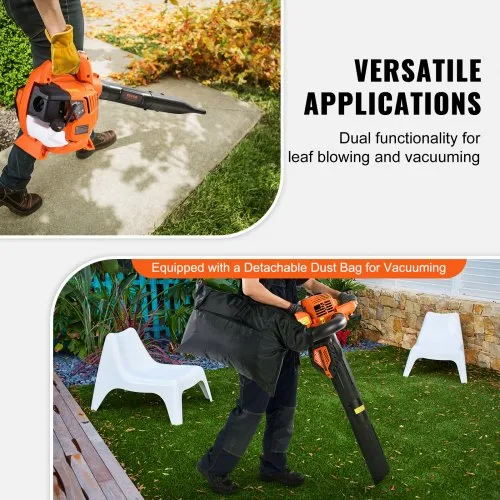
- Handheld Vacuums:Lightweight and easy to use. Best for small yards and light debris.
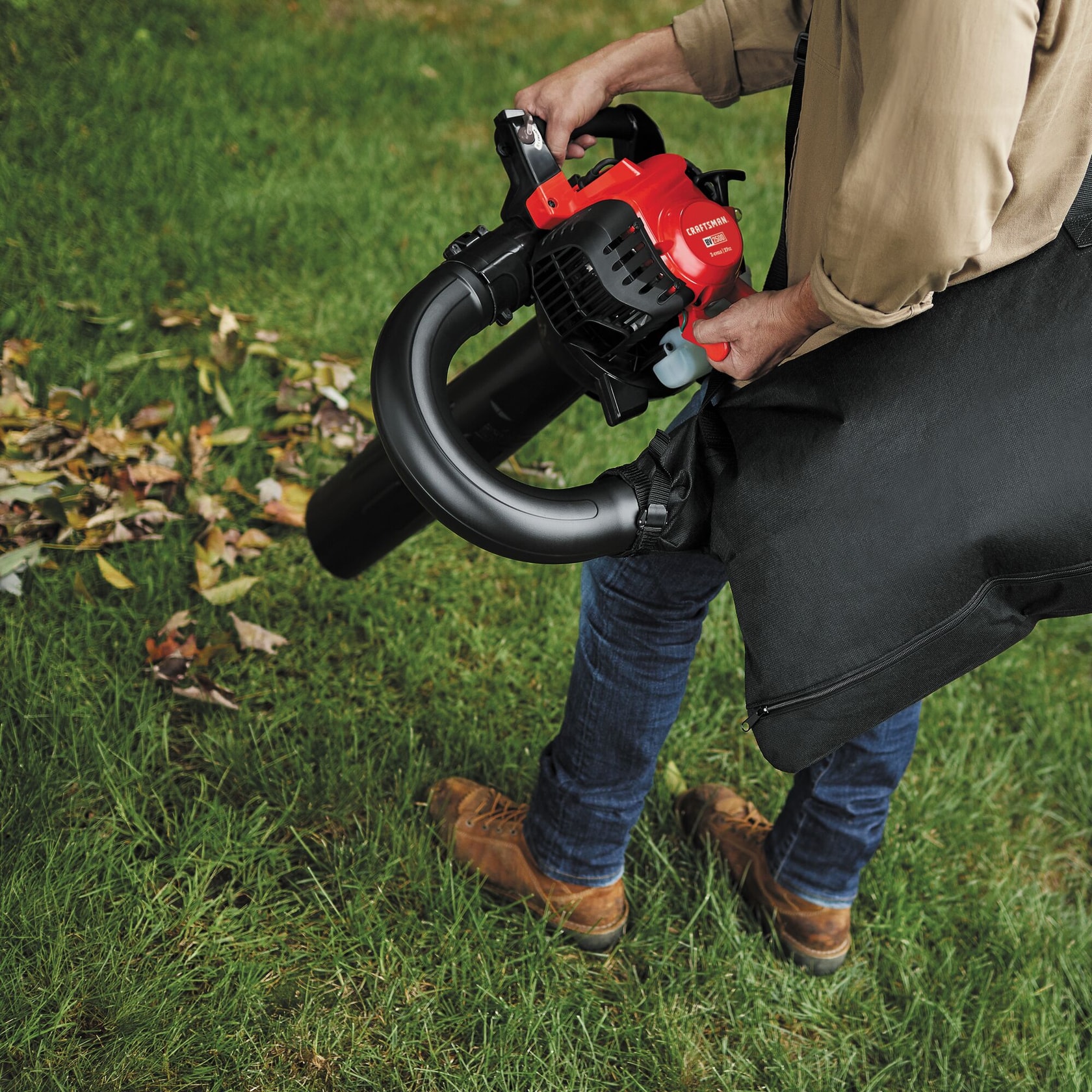
- Backpack Vacuums:Worn on your back for comfort. Good for medium to large yards with heavy leaves.
- Walk-Behind Vacuums:Larger and more powerful. Ideal for very large areas and heavy debris.
Key Features To Consider
Look at features that improve performance and ease of use. These features affect how well the vacuum works for you.
| Feature | Benefit |
| Engine Size | Stronger engines handle heavy leaves better |
| Weight | Lighter models reduce user fatigue |
| Noise Level | Quieter models are better for neighborhoods |
| Vacuum Power | Higher power means better leaf collection |
| Bag Capacity | Larger bags reduce emptying frequency |
Safety Certifications And Standards
Safety matters when using gas leaf vacuums. Check for certifications to ensure the product meets safety rules.
- EPA Certification: Ensures low emissions and environmental safety
- CARB Compliance: Meets California air quality standards
- CE Marking: Shows the product meets European safety rules
- UL or ETL Listing: Confirms electrical safety and testing
Credit: www.craftsman.com
Preparing For Cleanup
Using a gas leaf vacuum can make yard cleanup faster and easier. Before starting, you need to get ready properly. This helps you work safely and efficiently.
Preparing the equipment and wearing the right gear makes the job smooth. Follow these steps to get ready for cleanup.
Inspecting The Equipment
Check the leaf vacuum before use. Look for any damage or loose parts. Make sure the bag is attached tightly.
Look at the air filter and clean it if dirty. Inspect the tube and nozzle for clogs. Fix any problems before starting.
- Check for cracks or broken parts
- Make sure screws and bolts are tight
- Clean or replace the air filter
- Clear tube and nozzle of debris
- Confirm the collection bag is secure
Fueling And Starting The Vacuum
Use fresh fuel mixed in the right ratio if your vacuum is a two-stroke engine. Avoid overfilling the tank. Fill outdoors to prevent spills.
Start the vacuum on a flat surface. Follow the instructions for pulling the starter cord. Let the engine warm up before use.
- Use fresh fuel with correct oil mix
- Fill the tank carefully and avoid spills
- Start on a flat, stable surface
- Pull the starter cord smoothly
- Let engine warm up for a few minutes
Wearing Proper Safety Gear
Wear safety gear to protect yourself. Use eye protection to guard against flying debris. Gloves help protect your hands from cuts.
Wear long sleeves and pants to cover your skin. Use ear protection if the vacuum is loud. Closed-toe shoes keep your feet safe.
- Safety glasses or goggles
- Protective gloves
- Long sleeves and pants
- Ear plugs or ear muffs
- Closed-toe, sturdy shoes
Operating The Gas Leaf Vacuum
Using a gas leaf vacuum helps clean leaves and debris quickly. It saves time compared to raking by hand.
Before starting, read the manual and check the vacuum for any damage. Wear safety gear like gloves and ear protection.
Effective Leaf Collection Techniques
Move the vacuum slowly over the leaves to pick them up well. Avoid rushing to keep the vacuum from clogging.
Work in rows and overlap slightly to cover the entire area. Use a sweeping motion to gather leaves efficiently.
- Start from the farthest point and move backward
- Keep the vacuum nozzle close to the ground
- Empty the bag often to maintain suction power
Adjusting Settings For Different Debris
Gas leaf vacuums have different speed and suction settings. Adjust these based on the type of debris you are collecting.
Use higher suction for wet or heavy leaves. For dry leaves or small twigs, lower settings work well and save fuel.
- Wet leaves: increase suction and speed
- Dry leaves: use moderate speed and suction
- Twigs and small branches: reduce suction to avoid clogging
Managing Noise And Emissions
Gas leaf vacuums can be noisy and produce fumes. Use ear protection to protect your hearing during operation.
Run the vacuum in open areas to reduce inhaling fumes. Turn off the engine when not in use to save fuel and cut noise.
- Wear earplugs or earmuffs for noise protection
- Operate in well-ventilated spaces
- Take breaks to reduce exposure to fumes
- Keep the engine tuned for cleaner emissions

Credit: www.amazon.ca
Maintenance And Care
Proper care helps your gas leaf vacuum work well for a long time. Regular maintenance keeps the engine strong.
Follow simple steps after each use to clean and check the vacuum. This prevents damage and saves repair costs.
Cleaning The Vacuum After Use
Empty the leaf collection bag to avoid mold and bad smell. Use a brush or cloth to clean the outside of the vacuum.
- Remove leaves and debris from the intake area.
- Check and clean the air filter if needed.
- Wipe down the housing with a damp cloth.
- Store the vacuum in a dry place.
Routine Engine Maintenance
Keep the engine running smoothly by changing the oil and checking the spark plug. Use fresh fuel and clean fuel filters.
| Maintenance Task | Frequency |
| Change engine oil | Every 25 hours |
| Clean or replace air filter | Monthly or after heavy use |
| Inspect spark plug | Every 50 hours |
| Check fuel filter | Every 3 months |
| Use fresh gasoline | Always |
Troubleshooting Common Issues
If your vacuum won’t start or loses power, check simple problems first. Fixing these can save time and money.
- Vacuum won’t start:Check fuel level and spark plug connection.
- Engine stalls:Clean air filter or replace dirty fuel.
- Loss of suction:Clear blocked intake or empty collection bag.
- Excessive smoke:Change the engine oil or check for oil leaks.
Tips For Efficient Cleanup
Using a gas leaf vacuum can make yard cleanup faster and easier. Proper timing and combining tools helps improve the results.
Storing leaves properly after vacuuming supports recycling or disposal. Follow these tips for a smooth cleanup process.
Optimal Timing For Leaf Removal
Choose a dry day to use your gas leaf vacuum. Wet leaves clog the machine and slow work.
- Vacuum in the morning after dew dries.
- Work before heavy wind spreads leaves again.
- Clear leaves regularly to avoid big piles.
Combining Vacuum With Other Tools
Use other tools along with the gas leaf vacuum for better cleanup. Some areas need special care.
- Rake hard-to-reach corners before vacuuming.
- Use a blower to gather scattered leaves first.
- Trim branches that block vacuum access.
Storing Leaves For Compost Or Disposal
After vacuuming, store leaves properly to recycle or dispose safely. Use bags or bins that allow airflow.
| Storage Method | Best Use | Tips |
|---|---|---|
| Mesh Bags | Composting | Allow air circulation to avoid mold |
| Plastic Bags | Disposal | Seal tightly to prevent spills |
| Compost Bins | Home Composting | Mix leaves with green waste |
Credit: www.vevor.ca
Frequently Asked Questions
How Do I Start A Gas Leaf Vacuum?
To start a gas leaf vacuum, first check the fuel level. Then, prime the engine by pressing the primer bulb. Pull the starter cord firmly until the engine ignites. Always follow the manufacturer’s instructions for safe and effective starting.
Can I Use Gas Leaf Vacuum On Wet Leaves?
It’s best to use a gas leaf vacuum on dry leaves. Wet leaves can clog the vacuum and reduce its efficiency. Dry leaves allow better suction and easier collection. Avoid using on wet surfaces to prolong the tool’s lifespan.
How Do I Maintain A Gas Leaf Vacuum?
Regular maintenance includes cleaning the air filter, checking spark plugs, and emptying the collection bag. Inspect the vacuum for any damage or loose parts. Proper maintenance ensures optimal performance and extends the tool’s life.
What Safety Gear Should I Wear Using A Gas Leaf Vacuum?
Wear safety glasses to protect your eyes from debris. Use ear protection to guard against loud engine noise. Gloves provide a better grip and protect your hands. Always wear sturdy shoes and avoid loose clothing.
Conclusion
Using a gas leaf vacuum makes yard cleanup easier and faster. Always follow safety steps to avoid accidents. Regular maintenance keeps the vacuum working well for years. Practice a bit to get comfortable handling the machine. This tool helps keep your garden neat with less effort.
Enjoy a cleaner yard and save time every season.
