
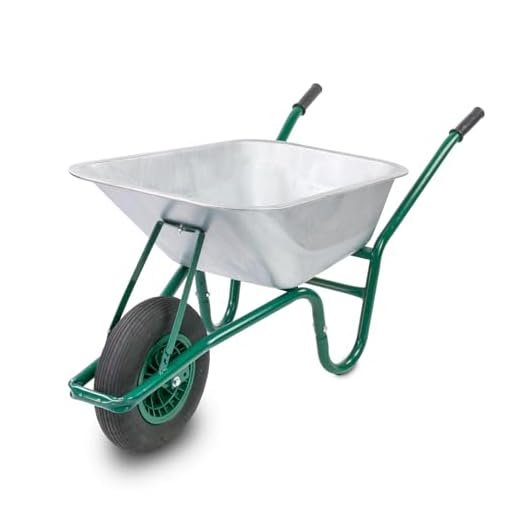
Choosing the right wheelbarrow can make your work easier and faster. But with so many options out there, how do you know which one fits your needs?
Whether you’re moving soil, tools, or heavy materials, the right wheelbarrow saves you effort and prevents frustration. In this guide, you’ll discover simple tips to pick the perfect wheelbarrow for your tasks. Keep reading, and soon you’ll feel confident about making a choice that helps you get the job done right.
Credit: www.chelfordfarmsupplies.co.uk
Types Of Wheelbarrows
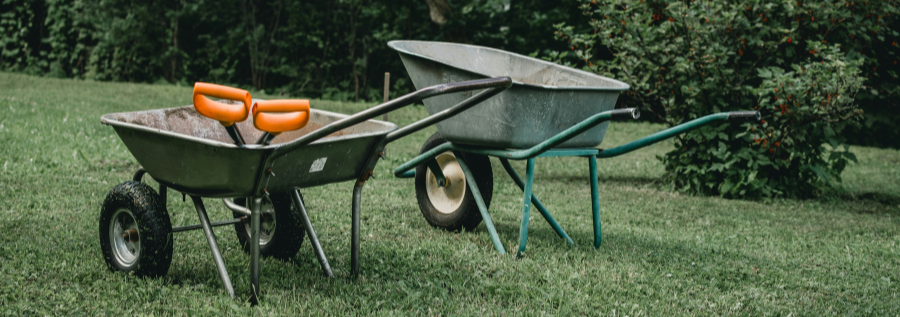
Wheelbarrows come in different designs to fit various tasks. Choosing the right type helps you work easier.
Each wheelbarrow type has unique features. Learn about traditional, dual-wheel, and electric models below.
Traditional Single-wheel
Traditional wheelbarrows have one wheel in front. They are easy to turn and good for narrow paths.
These wheelbarrows are lighter but need balance when carrying heavy loads. They work well on uneven ground.
Dual-wheel Models
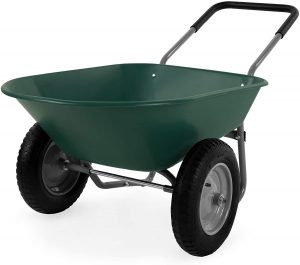
Dual-wheel wheelbarrows have two wheels for better stability. They are harder to tip over than single-wheel types.
- More stable on flat surfaces
- Easier to push heavy loads
- Less maneuverable on narrow paths
- Good for gardening and landscaping
Electric Wheelbarrows
Electric wheelbarrows use a motor to help move heavy loads. They reduce physical effort and speed up work.
| Feature | Benefit |
| Motorized wheels | Less pushing effort |
| Battery powered | Portable and cordless |
| Load capacity | Can carry heavy materials |
| Speed control | Safe and easy to use |
Key Features To Consider
Choosing the right wheelbarrow makes your work easier. Look for features that fit your tasks and needs.
Focus on load capacity, tray material, wheel type and size, and handle design. These affect performance and comfort.
Load Capacity
Load capacity shows how much weight the wheelbarrow can carry. Pick one that matches your usual load size.
Too small a capacity means more trips. Too large can be hard to control and heavy to push.
Tray Material
The tray holds your materials. It needs to be strong and fit the type of work you do.
- Steel trays are strong and last long but can rust.
- Plastic trays are lightweight and rust-proof but may crack.
- Wood trays look nice but need more care and can break easily.
Wheel Type And Size
Wheels affect how easily you move the wheelbarrow over different surfaces.
- Pneumatic wheels have air and give a smooth ride on rough ground.
- Semi-pneumatic wheels resist punctures but are less soft.
- Solid rubber wheels never go flat but may be hard on rough surfaces.
- Larger wheels roll over obstacles easier than small wheels.
Handle Design
Handles affect your grip and control of the wheelbarrow. Choose a design that feels comfortable.
- Single handles offer simple control for light tasks.
- Dual handles give better balance and control for heavy loads.
- Look for handles with grips to reduce hand fatigue.
- Wood handles are sturdy but may splinter over time.
- Metal handles are strong but can be slippery without grips.
Matching Wheelbarrows To Tasks
Choosing the right wheelbarrow makes work easier and safer. Different tasks need different types of wheelbarrows. This guide helps you pick the best one for your needs.
Focus on the task first. Then consider the size, weight, and material of the wheelbarrow. This way, you get the best tool for the job.
Gardening And Landscaping
Gardening wheelbarrows should be easy to push and light to handle. They often carry soil, mulch, and plants. Look for a wheelbarrow with a shallow tub and a single wheel for easy steering.
- Lightweight frame
- Rust-resistant tub
- Comfortable handles
- Single wheel for maneuverability
Construction And Heavy-duty Use
Construction tasks need strong wheelbarrows. These carry heavy loads like bricks, cement, and tools. A durable frame and thick tub help handle tough jobs.
| Feature | Benefit |
| Steel frame | Supports heavy weight |
| Deep tub | Holds large loads |
| Two wheels option | Better stability on rough ground |
| Heavy-duty tires | Resist punctures and wear |
Lightweight And Compact Needs
For small jobs or tight spaces, choose compact wheelbarrows. They are easier to store and carry. Small tubs and lightweight materials work best here.
- Look for plastic tubs for less weight
- Choose foldable handles if space is tight
- Check for a small turning radius
Credit: www.trees.com
Ergonomics And Comfort
Choosing a wheelbarrow with good ergonomics helps reduce strain on your body. Comfort during use makes work easier and safer.
Focus on features that support your posture and reduce effort. This guide covers key points to consider for comfort.
Weight Distribution
Proper weight distribution makes lifting and pushing easier. A wheelbarrow balanced well reduces back and arm strain.
- Look for a wheelbarrow with the wheel placed near the load.
- A balanced load means less effort to lift and move.
- Heavier wheelbarrows with poor balance tire you quickly.
Grip And Maneuverability
Comfortable grips reduce hand fatigue and improve control. Maneuverability is key for working in tight spaces or uneven ground.
| Grip Type | Benefits | Considerations |
| Rubber-coated | Soft, non-slip hold | May wear over time |
| Textured plastic | Good grip when wet | Less cushioning |
| Metal handles | Durable, strong | Can be hard on hands |
Adjustable Handles
Adjustable handles let you set the height and angle. This helps fit your body size and reduces bending.
- Check if handles can lock securely in place.
- Choose handles that adjust easily without tools.
- Adjustable handles help share the load evenly.
Durability And Maintenance
Choosing a wheelbarrow means thinking about how long it will last. Durable wheelbarrows save money over time. Good maintenance keeps them working well.
Look for features that make the wheelbarrow strong and easy to care for. This helps avoid repairs and keeps it useful for years.
Rust Resistance
Rust can damage the metal parts of a wheelbarrow. A rust-resistant wheelbarrow stays strong even in wet weather. Look for rust-proof coatings or materials like galvanized steel.
Rust resistance lowers the need for repainting or replacing parts. It keeps your wheelbarrow looking good and working better longer.
Ease Of Cleaning
Cleaning your wheelbarrow is important to stop dirt and debris from building up. Smooth surfaces and simple designs make cleaning faster and easier.
A wheelbarrow that cleans well reduces wear and tear. It also helps prevent rust and damage from leftover materials.
Repair And Replacement Parts
Choose a wheelbarrow with easy-to-find replacement parts. Wheels, handles, and trays may need fixing over time. Quick repairs keep your wheelbarrow usable.
Check if the manufacturer offers parts. Having repair options saves money and extends the life of your wheelbarrow.
Budgeting For Quality
Choosing a wheelbarrow involves considering your budget. It’s important to balance cost with quality. This guide will help you make an informed decision.
Understanding different price ranges and their impact on longevity can make your purchase worthwhile. Let’s explore these aspects further.
Price Ranges
Wheelbarrows come in various price ranges. Each range offers different features and durability.
- Budget-friendly: $30 – $50
- Mid-range: $51 – $100
- Premium: $101 and above
Cost Vs. Longevity
Spending more can often mean your wheelbarrow lasts longer. Consider the materials and construction quality.
| Price Range | Expected Lifespan |
| Budget-friendly | 1-2 years |
| Mid-range | 3-5 years |
| Premium | 5+ years |
Where To Buy
Finding the right place to buy is crucial. You have many options available to you.
Consider these sources:
- Local hardware stores
- Online marketplaces
- Specialty garden centers
Safety Tips For Use
Using a wheelbarrow safely is important to avoid injuries. Make sure you follow these tips when using one.
Choose a wheelbarrow that fits your needs and is easy to handle. Always inspect it for damages before use.
Proper Loading Techniques
Loading a wheelbarrow properly helps maintain balance. This prevents tipping and ensures easy movement.
- Distribute weight evenly across the wheelbarrow.
- Avoid overloading to keep control.
- Place heavier items at the front for stability.
Handling Uneven Terrain
Moving a wheelbarrow on uneven ground requires care. It can be tricky and needs attention to maintain safety.
- Push slowly to manage bumps and slopes.
- Keep a firm grip on the handles.
- Use both hands for better control.
Protective Gear
Wearing protective gear can prevent injuries. It is important to protect yourself when using a wheelbarrow.
- Wear gloves to protect your hands.
- Use sturdy shoes with good grip.
- Consider wearing a back brace for heavy loads.

Credit: www.garant.com
Frequently Asked Questions
What Type Of Wheelbarrow Is Best For Heavy Loads?
For heavy loads, choose a wheelbarrow with a steel tray and a strong frame. A single pneumatic tire offers better maneuverability on rough terrain. Look for reinforced handles to ensure durability and ease of use.
How Do I Pick The Right Wheelbarrow Size?
Select a wheelbarrow size based on your typical load weight and volume. Larger trays hold more but may be harder to control. For gardening, a medium-sized tray is ideal for balance and usability.
What Wheelbarrow Wheel Type Works Best?
Pneumatic tires provide better shock absorption and smooth movement on uneven surfaces. Solid rubber tires require less maintenance but are harder on rough terrain. Choose based on your terrain and maintenance preference.
How Important Is The Wheelbarrow’s Handle Design?
Ergonomic handles improve comfort and reduce strain during use. Wood handles offer a traditional feel but require maintenance. Steel or plastic handles are durable and often more comfortable for extended tasks.
Conclusion
Choosing the right wheelbarrow makes your work easier and faster. Think about the size, weight, and wheel type you need. Balance and comfort matter a lot. A good wheelbarrow saves your time and energy. Take your time to pick one that fits your tasks.
This simple tool can help you finish jobs without stress. Your garden or work will benefit from a smart choice. Start with the basics, and you will find the best fit.

