

Are you thinking about giving your lawn a fresh start with new grass? You might be wondering, “Can you till a yard for reseeding?”
The answer could change how you approach your lawn care and help you achieve that lush, green yard you’ve been dreaming of. But before you grab a tiller or start digging, it’s important to understand what tilling really does, when it’s the right choice, and what steps you should take to get the best results.
Keep reading, and you’ll discover the key tips that can make your reseeding project easier and more successful than you ever imagined.

Credit: www.reddit.com
Benefits Of Tilling For Reseeding
Tilling a yard before reseeding helps prepare the soil for new grass. It breaks up hard soil and makes it easier for seeds to grow. This process improves the overall health of your lawn.
By tilling, you create a better environment for grass roots. It also helps mix nutrients and control weeds. These benefits lead to a thicker, healthier lawn after reseeding.
Improved Soil Aeration
Tilling loosens compacted soil and lets air reach plant roots. Good soil aeration helps roots grow strong and absorb water better. This supports healthy grass growth after reseeding.
Enhanced Nutrient Mixing
Tilling mixes organic matter and fertilizers evenly into the soil. This helps nutrients reach the grass seeds and roots more effectively. Even nutrient distribution boosts seed germination and lawn health.
- Breaks up soil layers
- Mixes compost or fertilizer
- Improves water absorption
- Supports root growth
Weed Control Advantages
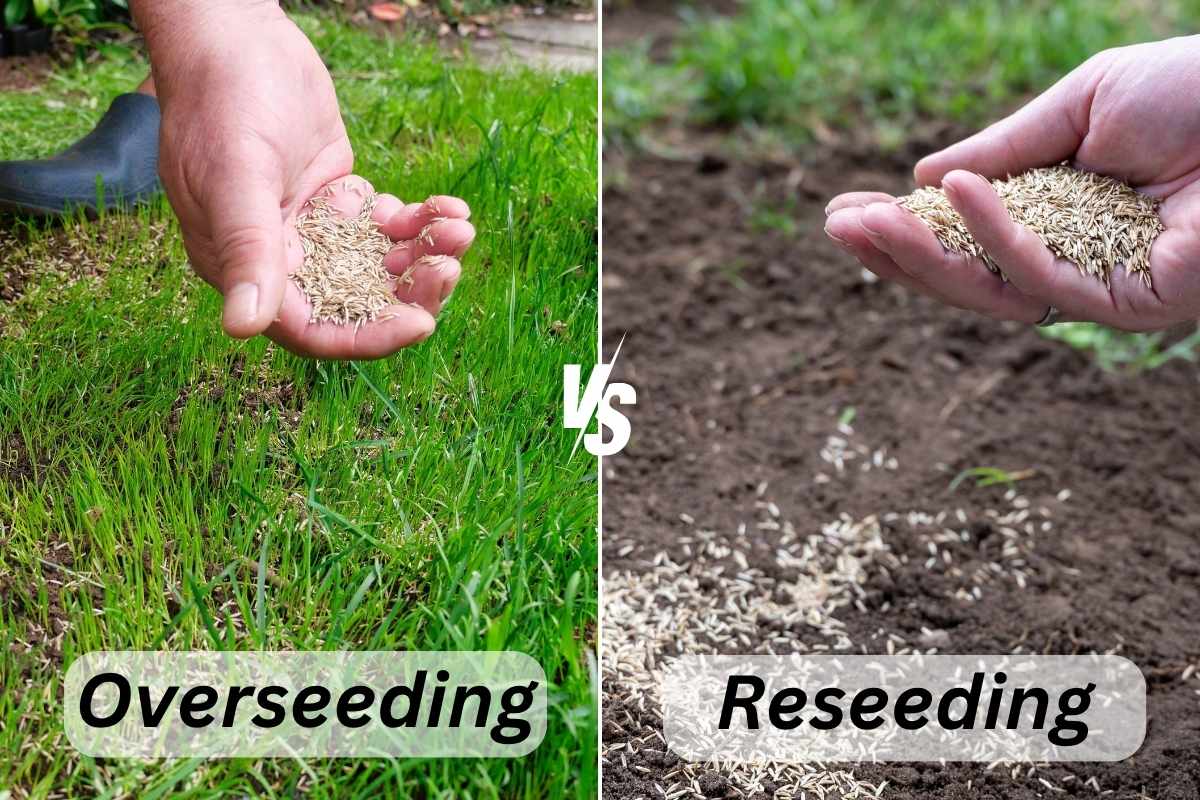
Tilling helps remove existing weeds and prevents new ones from growing. It disrupts weed roots and buries weed seeds deeper in the soil where they cannot sprout easily.
| Weed Control Method | Effect on Weeds |
| Tilling | Disrupts roots and buries seeds |
| Not Tilling | Weeds grow easily and compete with grass |
Credit: www.lawnstarter.com
When To Till Your Yard
Tilling your yard helps prepare the soil for reseeding. It breaks up hard ground and mixes in nutrients. Knowing the right time to till is key to a healthy lawn.
This guide explains when to till your yard based on seasons, soil moisture, and yard conditions. Follow these tips to get the best results.
Ideal Seasons For Tilling
The best time to till your yard depends on the climate. Tilling during the right season helps soil recover and supports seed growth.
- Spring:Soil warms up and dries enough for easy tilling.
- Fall:Soil is still warm from summer, ideal for seed roots.
- Avoid summer:Soil is often too dry and hard.
- Avoid winter:Soil is cold and may be frozen.
Soil Moisture Considerations
Soil moisture is important for tilling. Too wet or too dry soil can cause problems.
| Soil Condition | Effect on Tilling |
| Too wet | Soil clumps and compacts, making tilling hard |
| Too dry | Soil is tough and breaks equipment |
| Ideal moisture | Soil crumbles easily, perfect for tilling |
Signs Your Yard Needs Tilling
Knowing when your yard needs tilling helps keep your lawn healthy. Look for these signs before you start.
- Hard, compacted soil that water does not soak into.
- Patchy grass or bare spots where seeds won’t grow.
- Heavy thatch or dead grass buildup on the surface.
- Uneven ground with cracks or raised areas.
Tools And Equipment Needed
Tilling a yard for reseeding needs the right tools. They make the work easier and safer. Choose tools that suit your yard size and soil type.
Using the correct equipment helps prepare the soil well. This helps new grass grow strong and healthy.
Types Of Tillers
Tillers come in different types. Some are small and light, good for small yards. Others are big and strong, fit for large areas.
- Front-tine tillers: Best for light to medium soil work.
- Rear-tine tillers: Good for heavy soil and big yards.
- Cultivators: Used for light soil mixing and small gardens.
- Electric tillers: Quieter and easier to handle for small jobs.
- Gas-powered tillers: Stronger, work well on tough soil.
Safety Gear Essentials
Safety gear protects you from injuries while tilling. Always wear the right gear to stay safe in the yard.
| Gear | Purpose |
| Gloves | Protect hands from cuts and blisters |
| Safety glasses | Shield eyes from dirt and debris |
| Ear protection | Reduce noise damage from loud tillers |
| Sturdy shoes | Prevent foot injuries and provide grip |
| Long pants | Protect legs from scratches and bugs |
Additional Gardening Tools
Besides tillers and safety gear, other tools help prepare your yard for reseeding.
- Rake: To smooth and level the soil after tilling.
- Shovel: For digging and moving soil or compost.
- Garden hose or sprinkler: To water the soil and new seeds.
- Wheelbarrow: To carry soil, mulch, or tools easily.
- Seed spreader: For even seed distribution over the yard.
Step-by-step Tilling Process
Tilling a yard helps prepare the soil for reseeding. It breaks up hard dirt and removes old grass roots.
This guide shows you how to till your yard properly in clear steps. Follow each part carefully for the best results.
Preparing The Yard
Clear the yard of debris like rocks, sticks, and trash. These can damage your tiller or block the process.
Mark areas with plants you want to keep. Water the soil a day before tilling to soften it slightly.
- Remove rocks and sticks
- Clear trash and old grass
- Mark plants and garden beds
- Water soil lightly one day before
Tilling Techniques
Use a tiller to break up the soil to a depth of 4 to 6 inches. Work slowly and steadily to avoid damaging the soil.
Till in straight rows, overlapping slightly on each pass. This ensures even soil loosening across the yard.
- Set tiller depth to 4-6 inches
- Move tiller forward slowly
- Till in straight, overlapping rows
- Stop if soil is too wet or hard
Post-tilling Cleanup
Remove large clumps of dirt and roots left on the surface. Rake the yard to smooth the soil evenly.
Let the soil settle for a day before spreading seed. Keep the area moist to help new grass grow well.
- Pick up large soil clumps and roots
- Rake soil to create a smooth surface
- Allow soil to settle for 24 hours
- Water soil regularly after seeding
Common Mistakes To Avoid
Tilling your yard for reseeding can help prepare the soil well. But some mistakes can harm your lawn instead.
Knowing what to avoid will save time and effort. It will also improve your reseeding results.
Over-tilling Risks
Over-tilling breaks down soil structure. This can cause soil to become too loose and dry. It also kills helpful soil organisms.
- Soil erosion may increase after over-tilling.
- Too much tilling can compact lower soil layers.
- Overworked soil loses nutrients quickly.
- Seedlings may struggle to grow in poor soil.
Tilling In Wet Conditions
Tilling when soil is wet can damage soil structure. It causes clumping and compaction. This makes it hard for roots to spread.
| Problem | Effect | Why to Avoid |
| Wet Soil Tilling | Soil Clumping | Blocks air and water flow |
| Wet Soil Tilling | Compaction | Hard for roots to grow |
| Wet Soil Tilling | Seed Burial Issues | Seeds do not settle properly |
Ignoring Soil Testing
Skipping soil testing can lead to poor seed growth. You might miss nutrient deficiencies or pH problems.
Soil testing benefits:
- Shows nutrient levels like nitrogen and phosphorus
- Reveals soil pH to match seed needs
- Guides fertilizer and lime use
- Prevents wasting time on wrong treatments
Alternatives To Tilling
Reseeding a yard does not always require tilling the soil. There are methods that preserve soil structure and promote healthy growth. These alternatives can be more sustainable and easier for homeowners.
Consider these options to revitalize your lawn without disrupting the earth beneath. Each method offers its own benefits to the ecosystem and can lead to a lush, green yard.
No-till Reseeding Methods
No-till methods involve placing seeds directly on the soil. This technique reduces soil erosion and maintains natural soil layers. It is a gentle approach that supports soil organisms.
These methods are ideal for preserving soil structure. They also minimize the disturbance of beneficial organisms. You can use this technique with various grass seeds.
Using Aerators
Aerators puncture the soil, allowing air and nutrients to reach roots. This improves lawn health without heavy disruption. Aeration is often coupled with overseeding for best results.
This process involves machines that make small holes in the ground. It helps water and nutrients penetrate deeper, promoting stronger grass growth.
Topdressing Techniques
Topdressing adds a thin layer of compost or soil over the grass. This enriches the lawn and improves soil quality. It is a straightforward method that supports seed germination.
The added layer helps retain moisture and provides nutrients. It can enhance the overall appearance and health of the lawn. This technique works well with reseeding efforts.
Maintaining Your Yard After Reseeding
Reseeding your yard can make it look fresh and green. Proper care is important for new grass growth.
Follow these tips to ensure your lawn stays healthy and vibrant. Consistent maintenance is key for a beautiful yard.
Watering Guidelines
Watering new seeds is crucial for growth. Keep the soil moist for best results.
Too much water can harm the seeds. Balance is essential for healthy grass.
- Water lightly once or twice a day
- Reduce watering as grass grows
- Avoid watering during midday sun
Fertilizing Tips
Fertilizers help grass grow strong and green. Use them wisely for best results.
Choose a fertilizer designed for new grass. Follow package instructions carefully.
- Apply fertilizer after the first mow
- Avoid over-fertilizing to prevent burn
- Use a spreader for even coverage
Mowing Best Practices
Mowing helps maintain a healthy lawn. Correct timing and technique are important.
Wait until grass reaches a certain height before mowing. This protects young shoots.
- Mow when grass is about 3 inches tall
- Keep mower blades sharp
- Avoid cutting more than one-third of grass height
Credit: www.totnesgardening.co.uk
Frequently Asked Questions
Can You Till A Yard For Reseeding Grass?
Yes, tilling a yard before reseeding helps loosen soil and remove debris. It promotes better seed-to-soil contact and improves germination rates.
When Is The Best Time To Till For Reseeding?
The best time to till is during early spring or fall. Soil moisture should be moderate, and temperatures cool for optimal seed growth.
Does Tilling Damage Existing Grass In The Yard?
Tilling usually removes or damages existing grass to prepare the soil bed. It’s best for areas with patchy or dead grass needing full renovation.
How Deep Should You Till The Soil For Reseeding?
Till soil about 3 to 4 inches deep. This depth loosens compacted soil and creates an ideal environment for new grass roots.
Conclusion
Tilling a yard can help prepare soil for reseeding. It breaks up hard ground and mixes in nutrients. Still, avoid over-tilling as it can harm soil health. Use tilling along with other steps like removing weeds and adding fertilizer. Proper care after tilling ensures new grass grows strong.
Remember, patience is key for a lush, green lawn. This simple method supports healthy seed growth and improves your yard’s look. Tilling is a useful tool, but balance matters most.

