
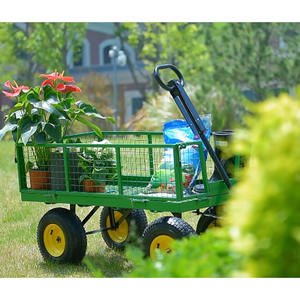
Moving your plants from one spot to another can be tricky. You want to make sure they stay healthy and unharmed during the trip.
Using a garden cart is one of the easiest ways to do this, but only if you know the right steps. You’ll discover simple tips and tricks to transport your plants safely with a garden cart. By the end, you’ll feel confident handling your plants like a pro, protecting their leaves, roots, and pots every time you move them.
Keep reading to learn how to make your next plant move smooth and stress-free.
Choosing The Right Garden Cart
Transporting plants safely requires the right garden cart. The cart helps move pots and soil with ease. Choosing the right one keeps plants safe and healthy during transport.
This guide covers types of garden carts, size and weight, and material durability. These points help you pick the best cart for your gardening needs.
Types Of Garden Carts
Garden carts come in many forms. Each type suits different tasks and plant sizes. Knowing these types helps you choose wisely.
- Wheelbarrows:One wheel at the front, easy to steer. Good for heavy loads but needs balance.
- Two-wheel carts:More stable and easy to push. Great for uneven ground.
- Garden wagons:Four wheels and a flat base. Best for large or many plants.
- Collapsible carts:Foldable and light. Ideal for small jobs and easy storage.
Size And Weight Considerations
Pick a cart size that fits your plants and space. The cart should hold your plants without crowding them. Consider the cart’s weight too. A heavy cart can be hard to move when full.
| Cart Size | Best For | Weight |
| Small | Few small pots | Light and easy to carry |
| Medium | Several medium pots | Moderate weight for balance |
| Large | Many or large pots | Heavier but holds more |
Material And Durability
Material affects how long the cart lasts and how well it protects plants. Choose a durable cart that suits outdoor use.
- Steel:Very strong and durable. Can rust if not coated.
- Aluminum:Light and rust-resistant. Not as strong as steel.
- Plastic:Lightweight and rust-proof. May crack under heavy loads.
- Wood:Natural look and sturdy. Needs treatment to avoid rot.

Credit: www.wayfair.com
Preparing Plants For Transport
Moving plants with a garden cart needs care. Proper preparation helps keep plants healthy.
Get plants ready before placing them in the cart. This reduces damage during transport.
Watering And Soil Preparation
Water plants a day before moving them. Wet soil stays firm and holds roots better.
Check the soil to make sure it is moist but not too wet. Avoid soggy soil that can spill.
- Water plants thoroughly the day before transport
- Ensure soil feels damp, not soaked
- Firm soil helps protect roots during movement
Pruning And Securing Plants
Trim dead or extra leaves before moving. This makes plants lighter and less likely to break.
Use soft ties or string to hold tall or loose branches close to the main stem. This prevents damage.
- Cut off dead or weak leaves and stems
- Secure tall branches gently with soft ties
- Keep plants compact for safer transport
Using Protective Wrapping
Wrap plants with paper or cloth to protect leaves and stems. Avoid plastic that traps moisture.
Cover pots with bubble wrap or newspaper to protect them from bumps. This helps avoid soil spills.
- Use paper or cloth to wrap plant parts gently
- Avoid plastic wrap that can cause overheating
- Wrap pots with soft materials to cushion impacts
Loading Plants Onto The Cart
Transporting plants with a garden cart needs care. Loading them properly keeps plants safe and healthy.
Follow simple tips to arrange, secure, and balance your plants on the cart. This prevents damage during movement.
Arranging For Stability
Place larger and heavier plants at the bottom of the cart. This lowers the center of gravity and stops tipping.
Keep tall plants near the center to avoid them falling off. Fill gaps with smaller pots to reduce shifting.
- Start with big pots on the base
- Put medium pots on top of large ones
- Fill empty spaces with small plants
- Avoid overloading one side of the cart
Securing Pots And Containers
Use straps or bungee cords to hold pots in place. This stops pots from sliding or tipping while moving.
- Wrap straps around the pots and cart frame
- Use soft cloth or foam to protect pots from pressure
- Check tightness before moving the cart
Balancing Weight Distribution
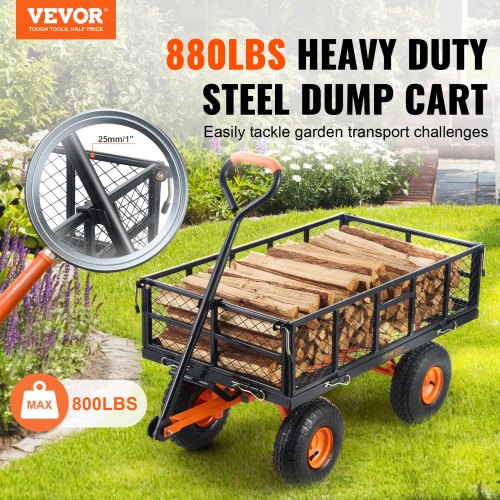
Balance weight evenly to avoid tipping the cart over. Uneven weight can cause accidents or plant damage.
| Side | Weight | Plant Type |
| Left | Heavy | Large pots, soil bags |
| Right | Heavy | Large pots, soil bags |
| Center | Medium | Medium pots, watering cans |
| Top | Light | Small pots, seedlings |
Credit: www.vevor.com
Transport Techniques For Safety
Moving plants with a garden cart helps protect them from damage. Using safe transport techniques keeps plants healthy and intact.
Follow simple tips to handle rough ground, keep your movement steady, and avoid carrying too much weight.
Handling Rough Terrain
Rough paths can shake plants and cause soil to spill. Take slow, careful steps to keep the cart stable.
Use a garden cart with large wheels to roll over bumps easily. Avoid sharp rocks or deep holes if possible.
- Move slowly to reduce jolts
- Choose wide wheels for better balance
- Plan your route to skip rough spots
Maintaining Steady Movement
Keep your pace even to stop plants from tipping or soil from falling out. Sudden stops or turns can harm fragile plants.
Hold the handle firmly and steer straight. Smooth movement keeps plants safe and makes transport easier.
- Push the cart with steady pressure
- Avoid sharp turns or fast stops
- Watch for obstacles and slow down if needed
Avoiding Overloading
Too many plants or heavy pots can cause the cart to tip. It also makes moving harder and risks plant damage.
Load only what the cart can handle safely. Distribute weight evenly to keep balance and control.
- Check the cart’s weight limit before loading
- Place heavier pots at the bottom
- Keep the load balanced side to side
Unloading And Plant Care Post-transport
Transporting plants safely ensures they remain healthy and vibrant. After moving them with a garden cart, proper unloading and care are crucial.
Here are some steps to help you manage plant care post-transport efficiently.
Safe Removal From Cart
Start by gently lifting the plants from the cart. Ensure that you support both the base and the foliage to prevent damage.
- Check that the cart is stable before removal.
- Use both hands to support larger plants.
- Ensure pots are tightly secured to avoid spills.
Checking For Damage
Inspect each plant carefully after removal. Look for broken stems, damaged leaves, or displaced soil.
| Type of Damage | Action Needed |
| Broken Stems | Prune carefully |
| Displaced Soil | Re-pot if necessary |
| Wilted Leaves | Provide immediate water |
Rehydration And Recovery
After transport, plants may need rehydration. Water them thoroughly and place them in a suitable environment to recover.

Credit: www.amazon.com
Additional Tools And Accessories
Using the right tools helps move plants safely with a garden cart. These accessories keep plants secure and protected.
Here are key tools that improve plant transport. They prevent damage and make moving easier.
Straps And Tie-downs
Straps and tie-downs hold plants firmly in place during transport. They stop pots from tipping or sliding off the cart.
- Use adjustable straps for different plant sizes.
- Soft straps reduce pressure on pots and stems.
- Bungee cords offer flexibility and strong hold.
- Secure the straps tightly but not too tight to avoid damage.
Cushioning Materials
Cushioning materials protect plants from bumps and jolts. They absorb shocks and keep pots steady on the cart.
| Material | Benefit |
| Foam Pads | Soft and shock-absorbing |
| Blankets | Protects from scratches and pressure |
| Bubble Wrap | Good for delicate pots and leaves |
| Cardboard | Stabilizes and cushions flat surfaces |
Weather Protection Covers
Weather covers shield plants from sun, wind, and rain. They help keep plants healthy while moving outside.
- Use lightweight tarps to block rain and wind.
- Shade cloths protect plants from too much sun.
- Clear plastic covers allow light but keep moisture out.
- Secure covers with clips or straps to avoid blowing away.
Frequently Asked Questions
How Do I Secure Plants In A Garden Cart?
Use soft ties or straps to gently secure plants. Avoid tight bindings that can damage stems or leaves. Place heavier pots at the bottom and lighter ones on top for balance.
What Type Of Garden Cart Is Best For Transporting Plants?
Choose a garden cart with a flat, stable base and sturdy wheels. A cart with sides or a removable tray helps prevent plants from tipping during transport.
How Can I Protect Plants From Wind While Moving?
Cover plants loosely with a light cloth or mesh to shield from wind. Avoid plastic covers as they can trap heat and harm plants during transit.
Should I Water Plants Before Transporting Them?
Water plants lightly before moving to keep soil moist but not soggy. Avoid overwatering, which can cause spills and make pots heavier to carry.
Conclusion
Transporting plants safely with a garden cart protects them from damage. Secure pots and avoid overloading the cart. Move slowly over uneven surfaces to keep plants steady. Use padding or cloth to cushion fragile leaves and stems. Check the cart’s condition before each trip for smooth handling.
These simple steps help your plants arrive healthy and happy. Enjoy moving your garden with ease and care.

