

Have you ever stopped to think about what’s lurking on your pruning shears? You might be surprised to learn that these handy tools can carry harmful germs and plant diseases from one plant to another.
If you want your garden to thrive and avoid costly mistakes, disinfecting your pruning shears isn’t just a good idea—it’s a must. Keep reading to discover why this simple step can make a huge difference in the health of your plants and how you can do it easily every time you prune.
Why Disinfect Pruning Shears Matters
Pruning shears cut plants and branches. They can carry germs from one plant to another. These germs can cause diseases in your garden.
Cleaning and disinfecting your pruning shears helps keep plants healthy. It stops diseases from spreading and protects your garden.
Preventing Plant Diseases
Plants can get sick from bacteria, fungi, or viruses. These germs spread through cuts made by pruning tools. Disinfecting shears kills these germs.
Using clean tools reduces the chance of spreading infections. It helps your plants grow strong and stay healthy.
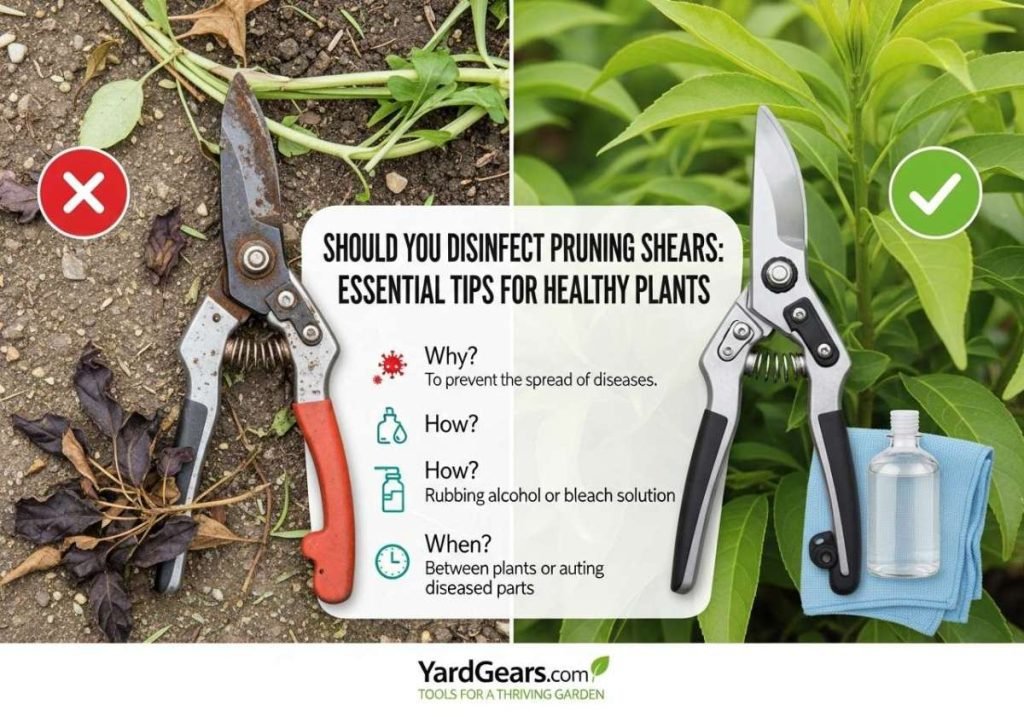
Improving Pruning Efficiency
Clean shears cut better and faster. Dirt and sap can stick to blades and slow you down. Disinfected shears work smoothly every time.
Well-maintained tools make pruning easier. They help you finish garden work quickly and with less effort.
Protecting Your Garden Investment
Your garden takes time and care. Spreading diseases can damage plants and cost money. Disinfecting shears helps protect what you have planted.
Healthy plants grow better and produce more flowers or fruits. Keeping tools clean helps you keep your garden thriving.
Common Plant Diseases Spread By Tools
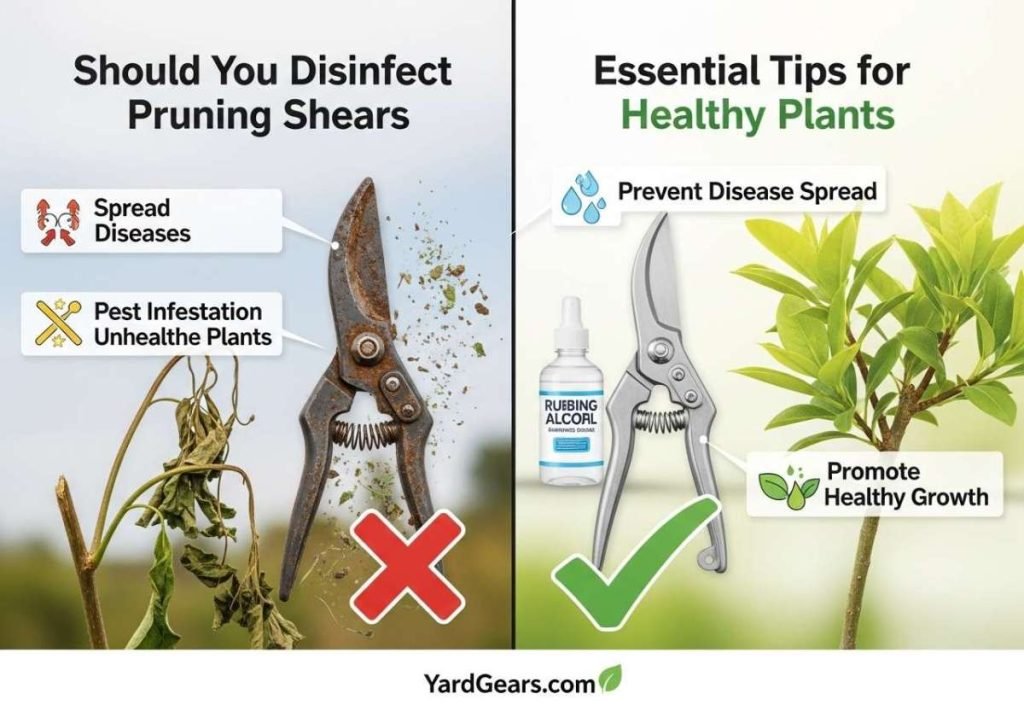
Pruning shears can carry harmful germs from one plant to another. These germs cause diseases that hurt plants. Cleaning tools helps keep plants healthy.
Many common plant diseases spread through cutting tools. Knowing these diseases helps gardeners take action. This lowers the risk of infection.
Bacterial Canker
Bacterial canker affects fruit trees like tomatoes and cherries. It causes dark spots and cracks on stems and fruits. The bacteria move easily on pruning tools.
Powdery Mildew
Powdery mildew is a fungal disease that shows as white powder on leaves. It weakens plants and reduces growth. Spores can stick to shears and infect other plants.
Verticillium Wilt
This soil fungus infects many plants, causing leaves to wilt and die. It spreads through root contact and cutting tools that touch infected plants.
Black Spot
Black spot affects roses and other flowering plants. It causes black spots on leaves that lead to leaf drop. The fungus can spread when gardeners use dirty pruning shears.
Diseases Spread By Pruning Tools
| Disease | Type | Symptoms | Plants Affected |
| Bacterial Canker | Bacterial | Dark spots, stem cracks | Tomatoes, cherries |
| Powdery Mildew | Fungal | White powder on leaves | Many plants |
| Verticillium Wilt | Fungal | Wilting, leaf death | Various vegetables |
| Black Spot | Fungal | Black leaf spots | Roses, flowering plants |
Best Disinfecting Methods For Shears
Pruning shears can carry plant diseases if not cleaned properly. Disinfecting them helps keep your garden healthy. This guide shows easy ways to disinfect your shears effectively.
Choose the right method based on what you have at home. Each method kills germs and stops the spread of infections between plants.
Using Alcohol Solutions
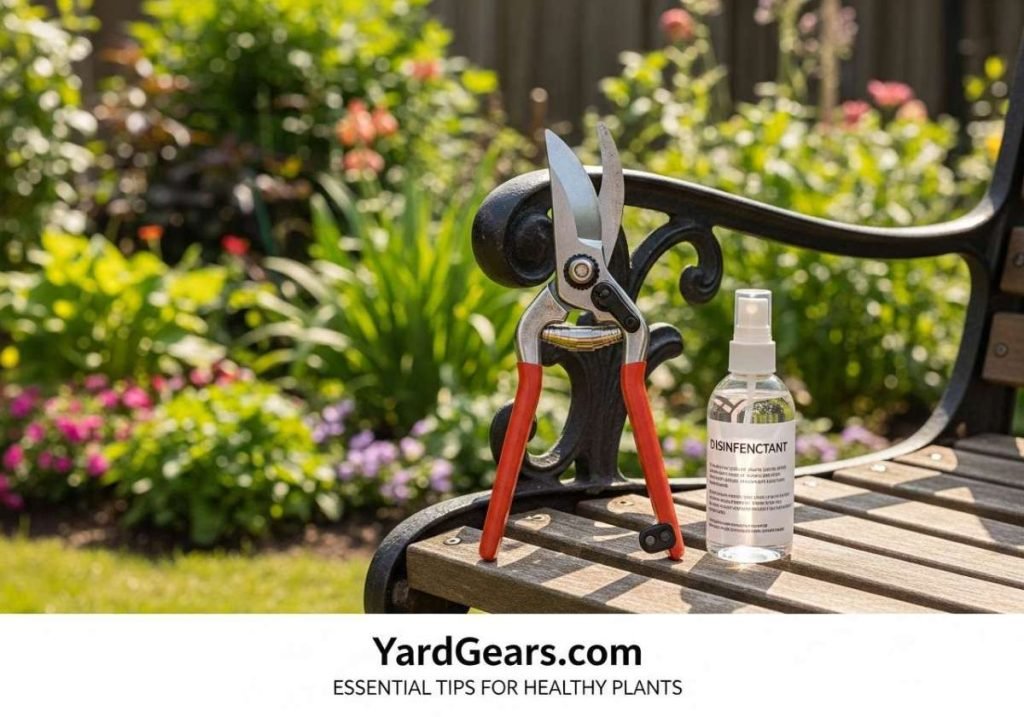
Rubbing alcohol is a quick and effective disinfectant for pruning tools. Use solutions with at least 70% isopropyl alcohol for best results. Soak or wipe shears thoroughly to kill bacteria and fungi.
- Dip shears in alcohol for 30 seconds
- Wipe blades with alcohol-soaked cloth
- Allow shears to dry before use
Bleach Mixture Guidelines
Bleach is a strong disinfectant that kills many pathogens. Use a diluted bleach solution to avoid damaging your shears. Rinse tools well after disinfecting to prevent rust.
| Bleach | Water | Use Time |
| 1 part | 9 parts | 30 seconds soak |
Mix one part bleach with nine parts water. Soak the shears for 30 seconds, then rinse with clean water. Dry completely before storing to protect metal parts.
Natural Alternatives
Natural options like vinegar and tea tree oil can disinfect shears safely. These methods are gentle on metal and good for gardeners preferring chemical-free care.
- Wipe blades with white vinegar and let sit for 10 minutes
- Apply tea tree oil diluted in water with a spray bottle
- Rinse and dry shears after natural treatment
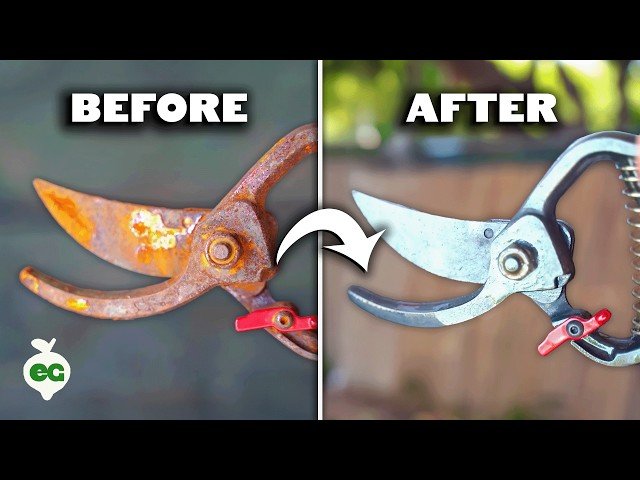
Credit: www.youtube.com
When To Clean Your Pruning Tools
Cleaning pruning shears helps keep plants healthy. It stops diseases from spreading between plants.
Knowing when to clean your tools keeps your garden safe and your tools working well.
Before And After Use
Clean your pruning shears before you start cutting. This removes dirt and germs from previous use.
After you finish pruning, clean your tools again. This prevents rust and stops disease spread.
- Wipe blades with a clean cloth
- Use rubbing alcohol or disinfectant
- Dry tools completely before storing
Between Different Plants
Clean your shears when moving to a new plant. This prevents passing diseases from one plant to another.
Disinfecting between plants is important if some plants look sick or weak.
- Wipe blades with a cloth dipped in alcohol
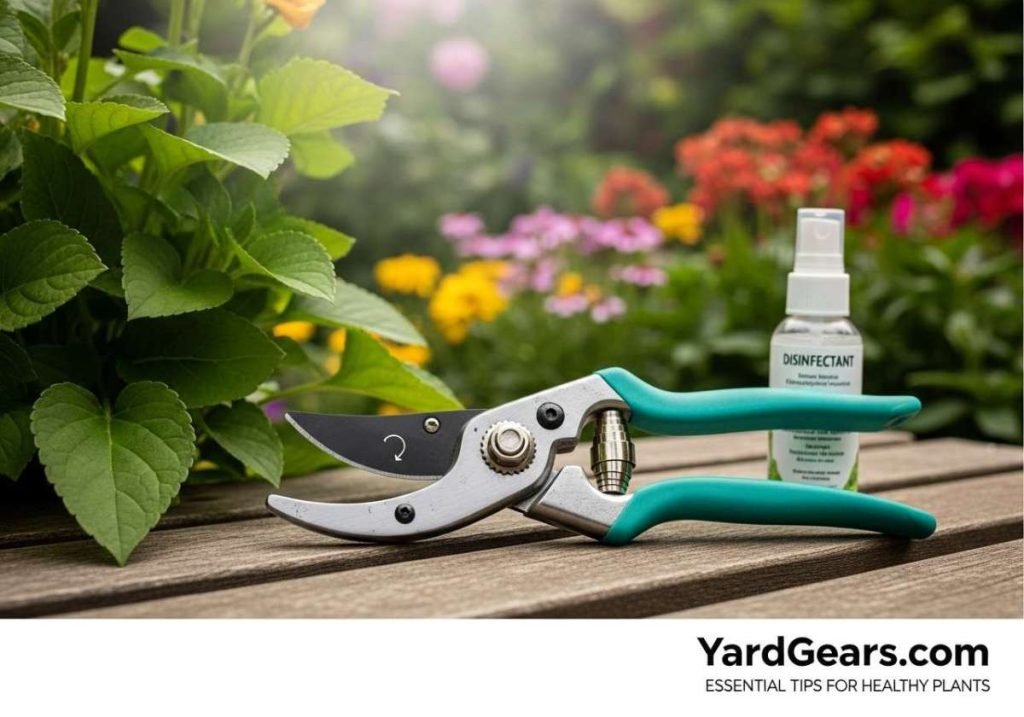
- Spray disinfectant on the blades
- Let tools dry before cutting the next plant
Proper Shear Maintenance For Longevity
Pruning shears need regular care to last longer. Cleaning and maintenance keep them sharp and safe.
Disinfecting your shears helps stop plant diseases. It also protects your tools from damage.
Sharpening Tips
Sharp shears make clean cuts and reduce plant damage. Dull blades tear plants and cause stress.
Use a sharpening stone or file for best results. Sharpen the blade at the same angle as the edge.
- Clean blades before sharpening
- Sharpen with smooth, even strokes
- Check blade alignment after sharpening
- Test cut on a small branch
Rust Prevention
Rust weakens pruning shears and lowers their performance. Keep shears dry and clean to stop rust.
Apply oil to metal parts after use. Store shears in a dry place away from moisture.
- Wipe blades with a dry cloth after use
- Apply a thin layer of oil or lubricant
- Store shears in a tool box or hang them up
- Check regularly for rust spots and remove them
Mistakes To Avoid During Disinfection
Disinfecting pruning shears is important for plant health. It stops the spread of diseases between plants.
Many people make mistakes during this process. Let’s explore the common errors and how to avoid them.
Using The Wrong Disinfectant
Not all disinfectants are suitable for pruning shears. Some can damage the metal or be ineffective.
- Use alcohol or bleach solutions
- Avoid abrasive cleaners
- Check for rust after use
Skipping Cleaning Before Disinfection
Disinfectants work better on clean surfaces. Dirt and sap can block the disinfectant from reaching germs.
Not Allowing Enough Contact Time
Disinfectants need time to kill germs. Rinsing too soon can leave pathogens alive.
| Disinfectant | Contact Time |
| Alcohol | 30 seconds |
| Bleach Solution | 1 minute |
Tools And Supplies You’ll Need
Disinfecting pruning shears keeps your garden healthy. It’s important to prevent the spread of plant diseases.
Gather the right tools and supplies for effective cleaning. This ensures your pruning shears stay in top condition.
Disinfectant Solution
Choose a disinfectant that is safe for metal tools. A common choice is a bleach solution, which is effective and affordable.
- Mix one part bleach with nine parts water
- Use rubbing alcohol as an alternative
- Avoid solutions with harsh chemicals
Cleaning Cloths
Use soft cloths to wipe the shears clean. This helps remove dirt and debris without scratching the metal.
| Type | Purpose |
| Microfiber Cloth | Gentle on metal surfaces |
| Cotton Cloth | Absorbs moisture |
Protective Gloves
Wear gloves to protect your hands from the disinfectant. They also help prevent cuts while handling the shears.
Brushes And Scrubbers
Use brushes to remove stubborn dirt. Small scrubbers can reach tight spots on the shears.
- Use a soft-bristle brush for gentle cleaning
- Choose a wire brush for tough grime
Frequently Asked Questions
Why Should You Disinfect Pruning Shears Regularly?
Disinfecting pruning shears prevents the spread of plant diseases. It protects healthy plants from infections like fungi and bacteria. Regular cleaning ensures safer and more effective gardening practices.
What Is The Best Disinfectant For Pruning Shears?
A solution with 70% isopropyl alcohol or diluted bleach works best. These disinfectants kill pathogens quickly and effectively. Always rinse shears after disinfecting to prevent rust.
How Often Should Pruning Shears Be Disinfected?
Disinfect shears after each use on different plants. Also clean tools when moving between healthy and infected plants. This routine minimizes cross-contamination risks in your garden.
Can Pruning Shears Spread Plant Diseases?
Yes, pruning shears can transfer harmful pathogens from plant to plant. Dirty tools spread viruses, fungi, and bacteria. Disinfecting shears stops this disease transmission efficiently.
Conclusion
Disinfecting pruning shears helps keep plants healthy and strong. It stops diseases from spreading between plants. Clean tools make your garden look better and grow well. Regularly wiping shears with disinfectant is quick and easy. It saves time and money on plant care later.
You protect your plants and enjoy gardening more. Simple steps make a big difference in your garden’s health. Keep your tools clean, and your plants will thank you.

