
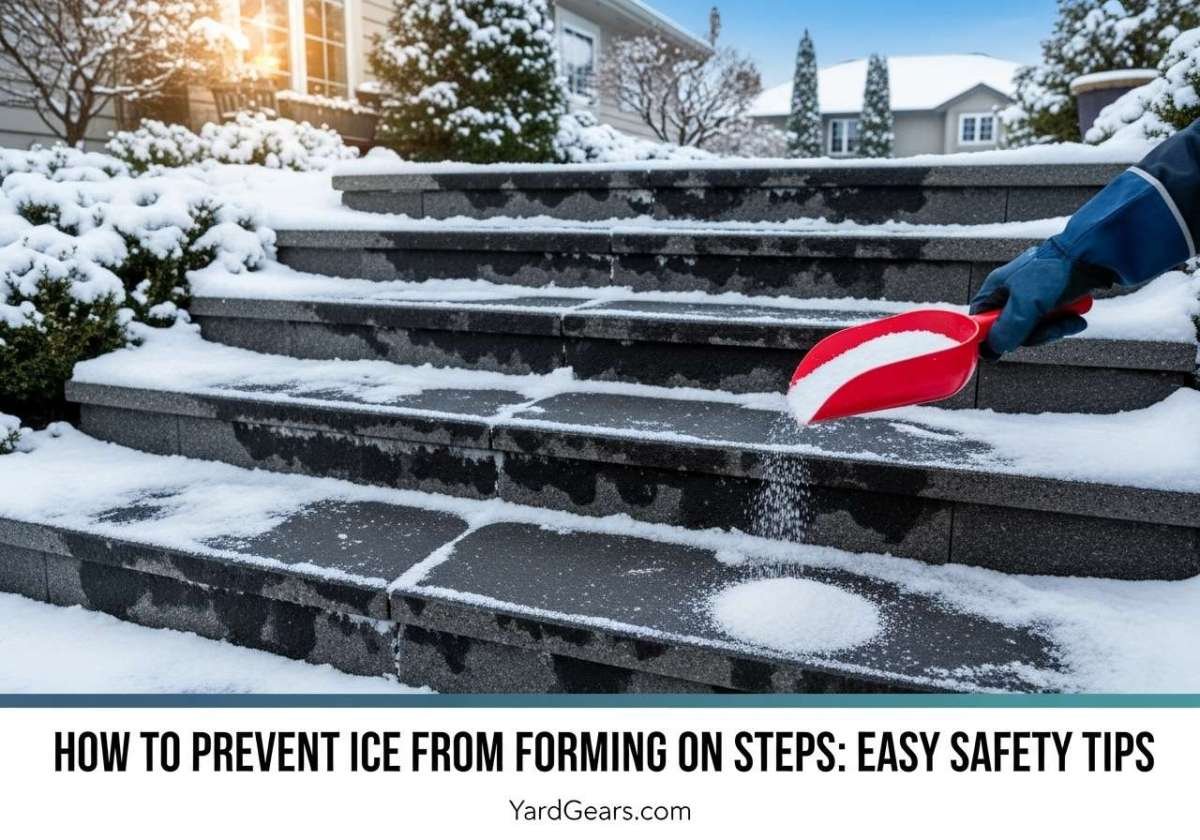
Ice on your steps can be more than just a slippery annoyance—it’s a hidden danger waiting to cause falls and injuries. You want to keep your home safe and accessible, especially during cold months.
But how do you stop ice from forming in the first place? You’ll discover simple, effective ways to prevent ice buildup on your steps. By taking these steps now, you protect yourself, your family, and your guests from unnecessary risks.
Keep reading to learn easy tips that make your steps safe and ice-free all winter long.
Importance Of Keeping Steps Ice-free
Keeping steps free from ice is very importantfor safety. Ice can make steps slipperyand cause accidents. People may falland get hurt. This is especially true for childrenand older adults. Ice also makes it hard to walkor carry things on steps.
Clear steps help prevent injuriesand keep everyone safe. It also allows easy accessto homes and buildings during cold weather. Taking care of steps shows responsibilityand carefor family and visitors.
Regular Maintenance
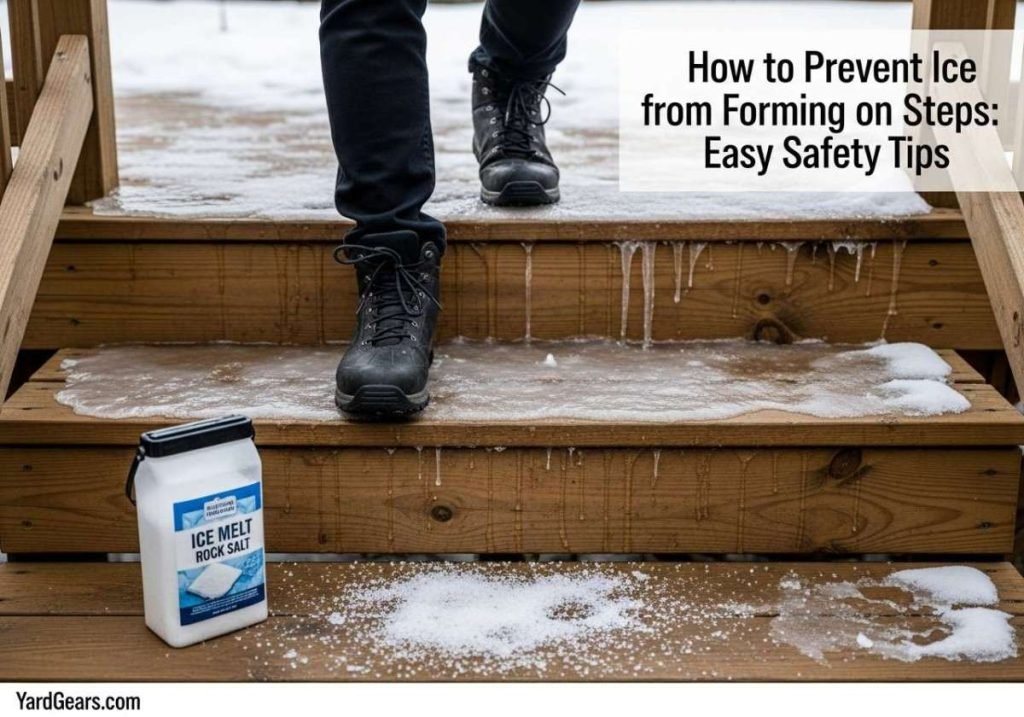
Clearing debris and leaves from steps helps water drain well. Water pooling can freeze and make steps slippery. Remove leaves, dirt, and trash regularly to stop ice build-up.
Check steps for cracks or damage often. Small cracks let water in, which freezes and worsens damage. Fix cracks quickly to keep steps safe and strong.
Tools And Materials
Essential tools include a shovelfor clearing snow and ice. A broomhelps sweep away loose snow before it freezes. Use an ice scraperto chip away stubborn ice patches. A salt spreadercan evenly distribute salt or ice melt products.
Materials to enhance traction are very important. Sandprovides grip on slippery surfaces. Cat litteris a good alternative for traction. Commercial ice melt productshelp melt ice quickly but check if safe for pets.
| Tool | Purpose |
|---|---|
| Shovel | Remove snow and ice |
| Broom | Sweep away loose snow |
| Ice scraper | Break up hard ice |
| Salt spreader | Distribute salt evenly |

Credit: www.wikihow.com
Preventative Measures
Using ice melt productshelps stop ice from forming on steps. These products lower the freezing point of water, so ice melts faster. Choose products safe for pets and plants to avoid damage.
Sand or kitty littercan be spread on icy steps. They add extra gripand reduce slipping. These materials do not melt ice but make walking safer.
| Non-Slip Treads | Benefits |
|---|---|
| Rubber or adhesive strips | Provide a strong grip on slippery surfaces |
| Easy to install | Can be placed on each step for better safety |
| Durable material | Works well in cold and wet weather |
Weather Monitoring
Check the weather forecastdaily during winter months. This helps you know if snow or ice is coming. Pay close attention to temperature dropsand precipitation predictions. Early warnings allow you to act before ice forms.
Prepare for snow and ice events by keeping tools and materials ready. Stock up on rock salt, sand, or ice melt products. Make sure you have a sturdy shovelto clear steps quickly. Clear steps before ice forms to stay safe.

Credit: www.wikihow.com
Long-term Solutions
Applying salt or sand regularly helps keep steps safe and ice-free during winter. Installing heated mats or using water-repellent sealants offers lasting protection against ice buildup.
Heated Stair Mats
Heated stair matskeep steps warm and dry. They melt ice quickly and stop new ice from forming. These mats plug into an outlet and use electricity to warm the surface.
They are easy to install and remove. Safe to use in snow or rain. Perfect for homes with frequent ice.
Permanent Handrails Installation
Permanent handrailshelp people keep balance on slippery steps. Handrails give extra support and prevent falls. They are made from metal or wood and fixed firmly to stairs.
Handrails also help you feel safe while walking on icy stairs. They are a smart addition to any home in cold areas.
Safety Precautions
Proper footwearis crucial for safety on icy steps. Choose boots with non-slip solesto improve grip. Avoid smooth shoes or high heels, as they increase the risk of slipping. Wearing shoes with good insulation also keeps feet warm and comfortable.
Walking carefully helps prevent falls. Take small stepsand keep your feet flat on the ground. Avoid rushing or sudden movements. Use handrails when available for extra support. Keep your eyes on the path to spot icy spots early.

Credit: www.wikihow.com
Frequently Asked Questions
How Can I Stop Ice From Forming On Outdoor Steps?
Apply ice melt or salt regularly before snow falls. Use non-slip mats or heated stair treads to prevent ice buildup. Clear snow promptly to reduce ice formation and maintain safe steps.
What Are The Safest Materials To Prevent Slippery Steps?
Use rubber mats, textured treads, or anti-slip tape on steps. These materials provide better grip and reduce slipping risks. They are weather-resistant and easy to install, enhancing step safety in icy conditions.
Is Salt Or Sand Better For Icy Steps?
Salt melts ice effectively but can damage concrete over time. Sand provides traction but does not melt ice. Use salt for melting and sand for additional grip on icy steps.
How Often Should I Clear Snow From My Steps?
Clear snow immediately after it accumulates and repeat often during heavy snowfall. Frequent clearing prevents ice from forming and keeps steps safe for use.
Conclusion
Preventing ice on steps keeps your home safe and secure. Regularly clear snow and use salt or sand for grip. Good drainage stops water from freezing on surfaces. Taking small steps early saves you from big problems later. Stay alert during cold weather and act quickly.
Safe steps mean fewer slips and falls. Keep these tips in mind for winter safety. Simple actions make a big difference every day.

