
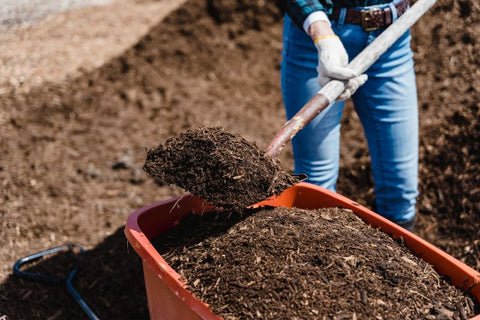
Are you tired of waiting weeks or even months for your compost pile to break down? What if you could speed up the process and get rich, nutrient-packed soil faster?
Turning your compost pile regularly is the secret that many gardeners overlook. By learning how to turn your compost the right way, you’ll unlock quicker results and healthier plants. You’ll discover simple, effective steps to make your compost pile work harder and faster for you.
Keep reading to transform your garden and watch your compost come to life like never before.
Benefits Of Turning Compost
Turning a compost pile helps mix air into the materials. This air is important because it feeds the tiny bugs that break down the waste. Without air, the compost can smell bad and take a long time to turn into soil.
When you turn compost, it also moves the wet parts to the dry parts. This keeps the moisture even, which helps the process work faster. It stops the pile from getting too wet or too dry.
Turning breaks up clumps so heat spreads well inside the pile. Heat kills germs and helps the compost break down better. It also stops bugs and pests from coming.
- Speeds up composting
- Prevents bad smells
- Balances moisture
- Keeps temperature steady
- Stops pests and germs
Ideal Tools For Compost Turning
Turning a compost pile needs the right tools to speed up the process. A garden forkis simple and lets you lift and mix the pile well. It helps air reach the inside parts of the compost.
A compost aerator toolis shaped to poke into the pile easily. It brings air inside without breaking the pile apart too much.
A shovelcan be used to move large amounts of compost quickly. It helps mix wet and dry parts evenly.
Some people use a pitchforkbecause its long tines can reach deep into the pile. It is good for turning bigger piles.
- Garden fork:lifts and stirs compost
- Compost aerator tool:adds air inside gently
- Shovel:moves and mixes large amounts
- Pitchfork:turns deep and big piles
Correct Timing For Turning
Turning your compost pileat the right time speeds up decomposition. The pile heats up as microbes break down materials. When the heat starts to drop, it is time to turn.
Turning too soon stops the heating process. Waiting too long slows down the composting. Aim to turn your pile every 5 to 7 daysduring hot weather.
In cool or wet weather, turn less often. About every 10 to 14 daysis enough. Always check if the pile feels warm inside. Warmth shows active composting.
- Turn when the pile cools down.
- Keep moisture balanced—too dry or wet slows compost.
- Mix materials well to add oxygen.
- Use a pitchfork or compost aerator for easy turning.

Credit: www.youtube.com
Techniques For Effective Turning
Use a layering strategyto speed up composting. Start with coarse materials like twigs or straw. This helps air flow inside the pile. Add green materials such as kitchen scraps and grass clippings next. These provide nitrogen needed for decomposition. Then add brown materials like dry leaves or paper to add carbon. Alternate layers to keep balance between green and brown materials.
Aeration methodsare key for faster composting. Turn the pile every few days to let air in. Use a pitchfork or garden fork to mix the layers well. This breaks up compacted material and speeds up the process. Aeration helps microbes grow, which breaks down waste faster. Avoid over-wetting the pile; it should feel like a damp sponge. Proper air and moisture keep the compost healthy and working quickly.
Signs Your Compost Needs Turning
Temperatureis a key sign that your compost needs turning. A hot pilemeans microbes are active, breaking down materials. If the pile cools down, it may need turning to add oxygen and heat it up again. A steady temperature drop shows the pile is slowing down.
Moistureis another clue. Compost should feel like a wrung-out sponge, not too dry or wet. If the pile is too wet, it can smell bad and become slimy. If it is too dry, decomposition slows.
Odortells a lot about compost health. A fresh, earthy smell is good. A strong foul smellmeans the pile lacks air and needs turning. This helps to bring oxygen back and reduce bad smells.

Credit: www.youtube.com
Common Mistakes To Avoid
Turning compost too oftencan cool down the pile. This slows down the composting process. Let the pile rest for a few days between turns. Too much turning can also cause moisture loss. Keep the pile damp, like a wrung-out sponge.
Ignoring the balance of green and brown materialscan create problems. Green materials add nitrogen, while brown materials add carbon. Too many greens make the pile smell bad. Too many browns slow decomposition. Mix them well to keep the pile healthy and active.
Expert Tips For Faster Decomposition
Turning your compost pile helps speed up the breakdown of materials. It mixes air into the pile, which is key for the tiny bugs that do the work. A well-aerated pile stays warm and moist, perfect for decomposition.
Use a pitchfork or compost turner to move the pile gently. Turn it every few days to keep things active. Make sure the pile is damp but not soaking wet. Too much water slows down the process.
- Mix green materials (like vegetable scraps) with brown ones (like dry leaves).
- Keep the pile size around 3 feet wide and 3 feet tall for best heat.
- Check the temperature; it should feel warm in the middle.
- Break up large chunks to help bugs reach inside.

Credit: eu.lomi.com
Frequently Asked Questions
How Often Should I Turn My Compost Pile?
Turn your compost pile every 1 to 2 weeks. Frequent turning speeds up decomposition by aerating the materials. It helps maintain heat and moisture for faster results.
What Tools Are Best For Turning Compost Piles?
A garden fork or compost aerator tool works best. These tools easily lift and mix the pile, improving airflow and accelerating breakdown.
When Is The Best Time To Turn Compost?
Turn compost when the pile feels warm and moist. Early morning or late afternoon is ideal to avoid drying out materials.
How Does Turning Compost Speed Up Decomposition?
Turning introduces oxygen, which microbes need to break down organic matter. This process increases temperature and speeds up composting.
Conclusion
Turning your compost pile regularly helps speed up the breakdown process. It adds air to the mix, which helps good bacteria grow. These bacteria break down materials faster, making rich compost sooner. Make sure to turn the pile every few days or at least once a week.
Keep the pile moist but not too wet. With simple care and attention, your compost will be ready to nourish your garden. Small steps like turning the pile can bring big benefits. Start today and watch your compost come to life faster.

