
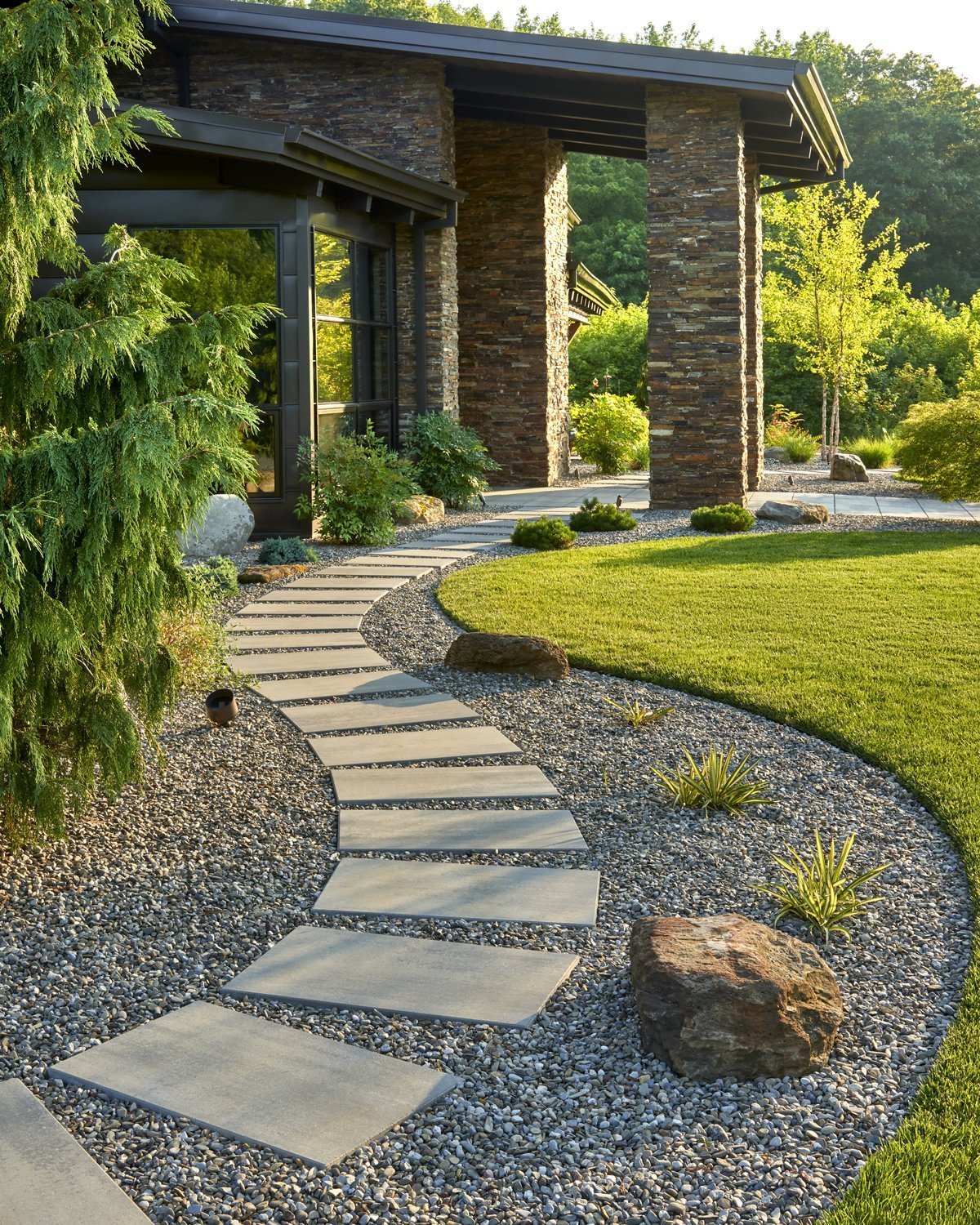
Your stone pathway is more than just a walkway—it’s a key part of your outdoor space that adds charm and character. But with fall’s chilly weather and falling leaves, your stones might shift, crack, or get covered in debris.
If you want to keep your pathway safe and looking great, you need to act now. You’ll discover simple, effective ways to repair your stone pathway this fall. Ready to bring back that smooth, sturdy path you love? Keep reading and learn how to make your stones strong again before winter sets in.
Assessing Damage
Check the pathway closely for any cracksor chipsin the stones. Small cracks can grow bigger during cold weather. Chips might cause uneven surfaces, which can be unsafe.
Look for stones that feel looseor move when stepped on. These stones may need to be reset or replaced. Loose stones can cause trips and falls.
- Mark all cracked or chipped stones for repair.
- Note down which stones are loose or unstable.
- Remove dirt and debris around damaged areas for better inspection.
Regular checks help keep your stone pathway safe and looking good throughout fall.

Credit: burlingtongazette.ca
Gathering Necessary Tools
Gathering the right toolsmakes stone pathway repair easier and faster. Essential tools include a trowelfor spreading mortar or sand, a chiseland hammerfor removing damaged stones, and a broomto clean debris. A levelhelps keep stones even, while gloves protect your hands. A wheelbarrowor bucket is useful to carry materials.
Choosing suitable materials is key to a lasting repair. Use weather-resistant stonesthat match your path’s style. Sandor gravelfills gaps and locks stones in place. For stronger fixes, use mortardesigned for outdoor use. Select materials that can handle fall weatherlike rain and cold.
Preparing The Pathway
Clear all leaves, sticks, and dirt from the stone pathway. Use a broom or leaf blower for faster work. Removing debris helps see any broken or loose stones. It also stops weeds from growing under the stones.
Next, clean the surface with water and a brush. Scrub gently to remove moss and dirt. Use a mild soap if needed. Avoid harsh chemicals that can damage the stones.
- Remove loose debris by sweeping.
- Use a garden hose to rinse the stones.
- Scrub stains with a soft brush.
- Use soap sparingly for tough dirt.
- Let the stones dry before repairs.
Repairing Cracks And Chips
Small cracks in stone pathways can be filled easily using sand or stone filler. Clean the crack with a brush first. Then, press the filler firmly into the crack. Smooth the surface with a trowel or your finger. Let it dry for at least 24 hours before walking on it.
For larger gaps, use a concrete patch or mortar mix. Clean out loose debris and dirt from the gap. Mix the mortar according to instructions. Fill the gap with the mortar, pressing it down tightly. Use a trowel to smooth the patch. Let it cure for several days to harden fully.
Securing Loose Stones
Start by gently lifting the loose stonesfrom the pathway. Clear away any dirt or debris underneath to create a clean surface.
Check each stone for cracks or damage before placing it back. Align the stones so they fit tightly together.
- Use a construction adhesivedesigned for outdoor use.
- Apply the adhesive evenly on the bottom of the stone.
- Press the stone firmly into place.
- Hold it for a few moments to let the adhesive set.
Allow the adhesive to dry fully according to the instructions. This helps keep the stones secure through fall weather changes.

Credit: oakshs.ca
Enhancing Pathway Appearance
Applying a sealantprotects stone pathways from moisture and dirt. It helps keep the stones clean and bright. Use a sealant made for outdoor stones. Clean the pathway well before applying. Use a brush or sprayer to spread the sealant evenly. Let it dry fully for best results. Reseal every few years to maintain protection.
Adding decorative elementscan make stone pathways more attractive. Small plants or flowers along the edges add color and life. Consider placing solar lights for a soft glow at night. Pebbles or gravel can fill gaps between stones. These touches create a welcoming and charming look.
Maintenance Tips For Longevity
Regular cleaninghelps keep stone pathways safe and beautiful. Remove leaves, dirt, and debris often. Use a broom or leaf blower to clear the surface. For stains or moss, scrub gently with a brush and mild soap. Avoid harsh chemicals that can damage stones. Cleaning prevents slippery surfaces and stops weeds from growing between stones.
Seasonal inspectionscatch small problems early. Check for cracks, loose stones, or uneven areas. Fixing these issues before winter prevents bigger damage. Look for water pooling or soil erosion around the pathway. Fix drainage problems to avoid frost damage. Regular checks keep your path strong and safe all year.

Credit: oakshs.ca
Frequently Asked Questions
How Do I Fix Cracks In Stone Pathways During Fall?
Clean debris from cracks first. Use polymeric sand or mortar to fill cracks. Allow proper drying before use. Fall’s cool weather helps the repair set well.
What Materials Are Best For Repairing Stone Pathways?
Use polymeric sand, mortar mix, or gravel for filling gaps. Choose materials matching the stone type and climate conditions. Proper materials ensure durability and aesthetic consistency.
When Is The Best Time To Repair Stone Pathways In Fall?
Early to mid-fall is ideal. Temperatures should be between 50-70°F. Avoid wet or freezing conditions for effective repairs and curing.
How Can I Prevent Further Damage To Stone Pathways?
Regularly remove debris and weeds. Seal stones to protect from moisture. Address small cracks immediately to avoid bigger repairs later. Fall maintenance extends pathway life.
Conclusion
Repairing stone pathways in fall keeps your garden safe and beautiful. Fix cracks and clean debris before winter comes. Replace broken stones to prevent further damage. Use sand or gravel to fill gaps and improve stability. Regular care saves time and money later.
Enjoy a smooth, sturdy path all year long. Simple steps can make a big difference. Stay patient and work carefully for best results. Your pathway will last through the cold months ahead.

