
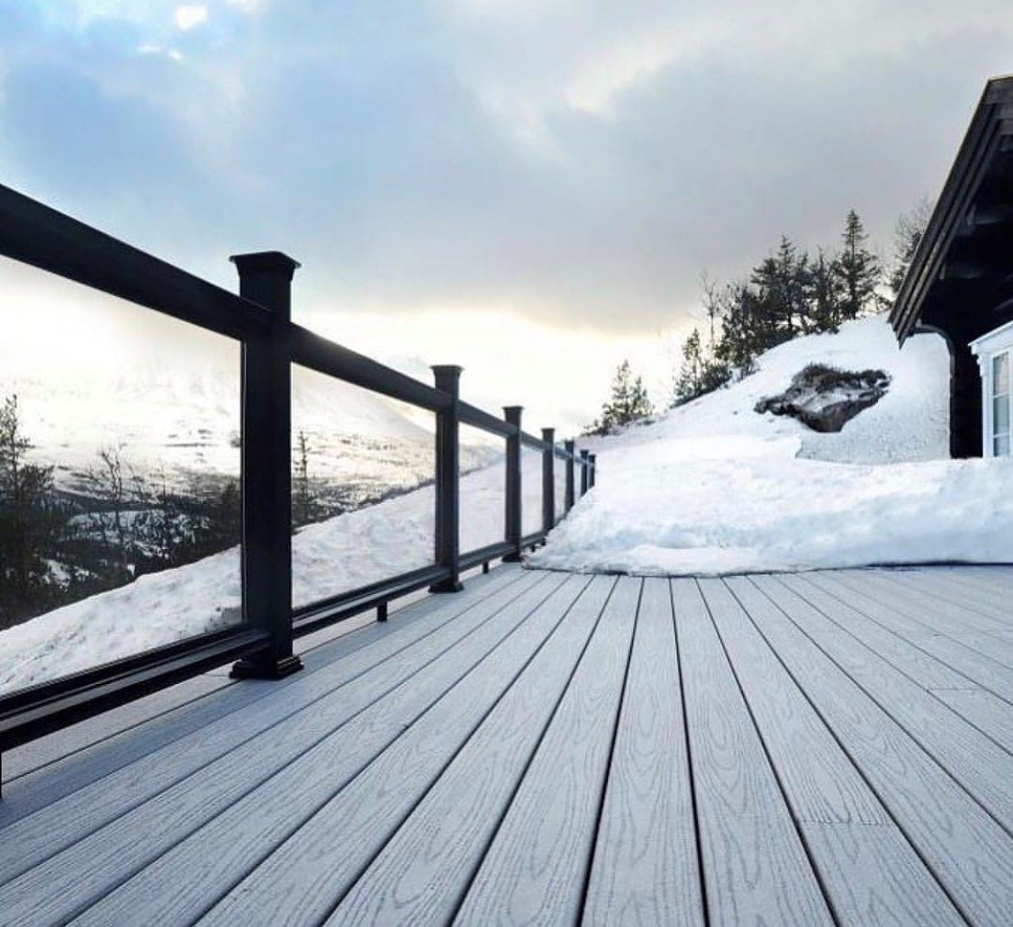
Winter can be tough on your wooden deck. Cold temperatures, snow, and ice can cause cracks, warping, and damage that might cost you a lot to fix.
But what if you could protect your deck easily and keep it looking great year after year? You’ll discover simple, practical steps to shield your wooden deck from winter’s harsh effects. By taking the right actions now, you’ll save money and enjoy your outdoor space longer.
Keep reading to learn how to give your deck the care it deserves before the cold sets in.
Cleaning The Deck
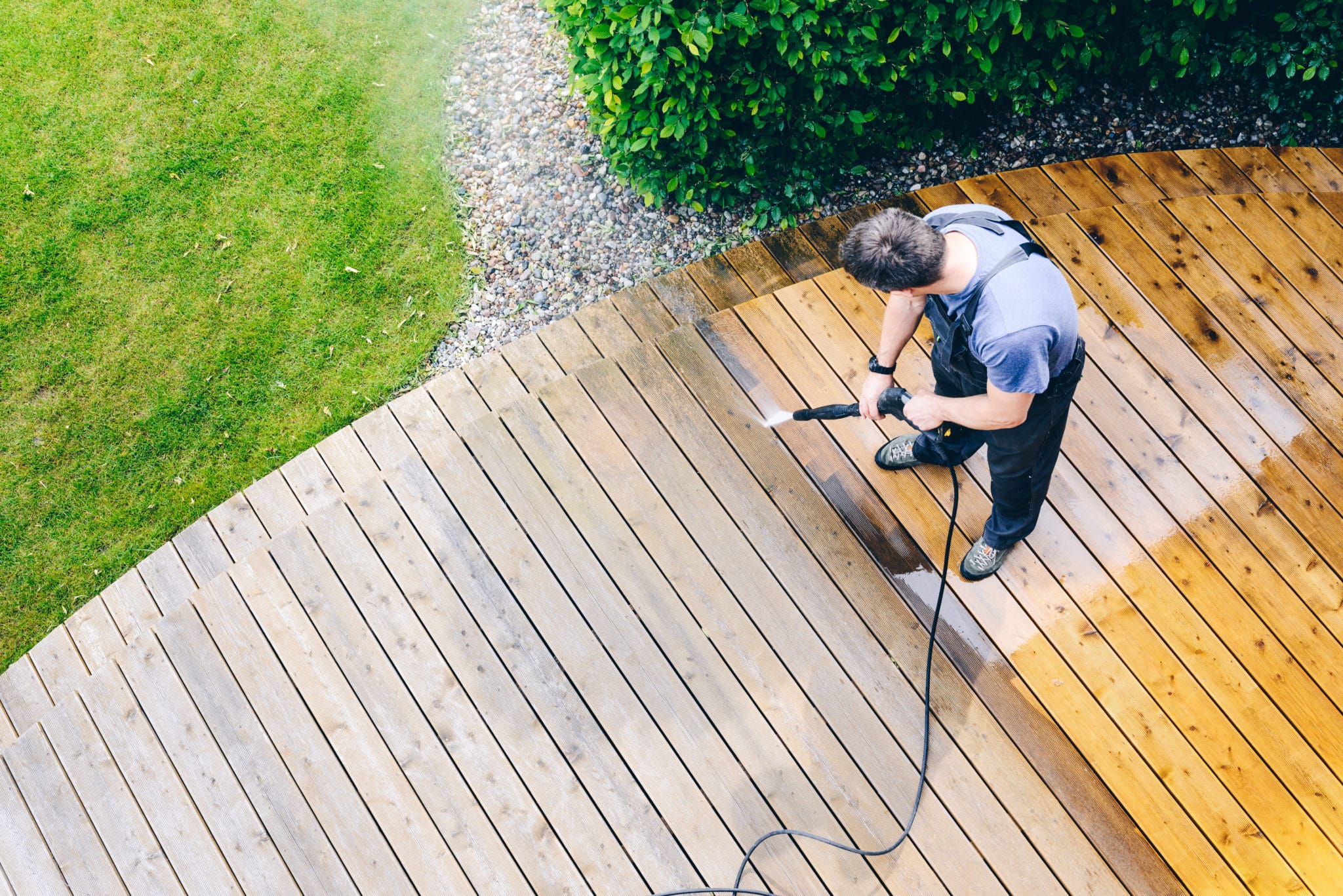
Remove leaves, sticks, and dirt from the deck surface. This stops mold and wood damage. Use a broom or leaf blower for easy cleaning.
Wash the deck with water to clear away dust. Use a mild soap mixed with water for scrubbing.
- Use a soft brush to scrub gently.
- Focus on stains and dirty spots.
- Rinse well with clean water.
Cleaning the deck well helps protect the wood during winter. It keeps the deck strong and looking good.
Credit: www.rhinohide.com
Inspecting For Damage
Check wooden decks for crackscarefully. Cracks let water enter and cause damage. Small cracks can grow larger with cold weather. Look between the boards and along edges. Use a flashlight if needed to see hidden cracks.
Look for loose boardsthat can be unsafe. Walk on the deck and listen for creaks or movement. Loose boards can trap snow and ice, causing more damage. Tighten screws or nails to secure loose boards.
- Inspect boards for splits or gaps.
- Tap boards lightly to find loose ones.
- Replace or fix damaged boards before winter.
Applying A Protective Sealant
Choosing the right sealantprotects wood from moisture and cold. Pick sealants labeled for outdoor useand water resistance. Options include oil-based, water-based, and clearsealants. Oil-based sealants soak deeper but take longer to dry. Water-based sealants dry quickly and have less odor. Clear sealants keep the natural wood look but may need more coats.
Proper application ensures long-lasting protection. Clean and dry the deck before applying sealant. Use a brushor rollerfor even coverage. Apply sealant along the wood grain. Avoid thick coats; two thin coats work best. Let the first coat dry fully before the second. Check weather; apply sealant on a dry day with no rain forecast.
Using Covers And Tarps
Choosing the right coveris key to protecting your wooden deck in winter. Look for materials that are waterproofand breathable. Breathable covers stop moldand mildewfrom building up. Avoid plastic tarps that trap moisture and cause damage.
Strong fabrics like canvasor polyethylenework well. They last longer and handle snow weight better. Make sure the cover fits your deck size properly. A loose cover lets snow and debris inside.
- Use bungee cordsor heavy-duty strapsto secure covers tightly.
- Fasten covers to stable points like railings or posts.
- Check for gaps where wind can lift the cover.
- Remove snow buildup on top regularly to prevent damage.
Preventing Ice And Snow Buildup
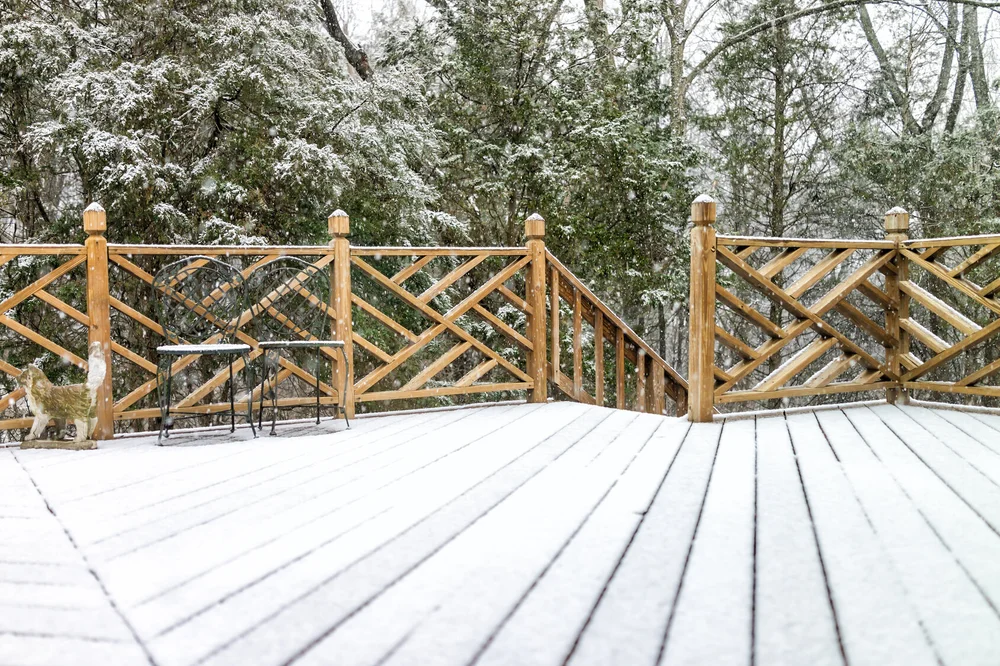
Remove snow gentlyusing a plastic shovel or broom. Avoid metal tools that can scratch wood. Clear snow soon after it falls to prevent heavy buildup. Take care around railings and edges.
Do not use ice melt productswith harsh chemicals. These can damage the woodand make surfaces slippery. Choose pet-safe or wood-friendly ice melt if necessary.
- Use a broom or plastic shovel for snow removal
- Clear snow regularly to avoid heavy weight
- Avoid metal tools that can scratch wood
- Do not use harsh chemical ice melts
- Consider pet-safe or wood-friendly ice melts
Credit: pwhomeimprovement.com
Maintaining Good Drainage
Clearing guttersis key to protect your wooden deck from water damage. Leaves and debris block water flow, causing leaks and pooling near the deck. This can lead to wood rot and mold growth.
Regularly remove debris from gutters. Use a scoop or gloves to clear out leaves and dirt. Flush gutters with water to ensure they drain well.
Ensuring proper water flow helps prevent ice buildup. Ice can crack wood and damage deck boards. Proper drainage keeps water moving away from the deck foundation.
- Check gutters before winter starts.
- Fix any leaks or broken sections.
- Make sure downspouts direct water far from the deck.
- Use gutter guards to reduce debris buildup.
Regular Maintenance Checks
Schedule inspections regularly to spot damage early. Check for cracks, loose boards, or nails sticking out. Look at railings and steps for safety risks. Small issues can turn into big problems if ignored.
Fix minor repairs quickly to keep your deck strong. Replace damaged boards or tighten screws as needed. Clean dirt and leaves to prevent rot. A little care helps the wood last longer through winter.

Credit: www.decks.com
Frequently Asked Questions
How Do I Prepare My Wooden Deck For Winter?
Clean the deck thoroughly to remove dirt and debris. Apply a water-repellent sealer to protect wood from moisture. Check for loose boards and repair them before the cold weather arrives. Cover the deck or use a tarp if possible to shield it from snow.
What Is The Best Sealer For Winter Deck Protection?
Choose a water-repellent, penetrating sealer designed for wooden decks. Look for products with UV protection and mildew resistance. These sealers prevent moisture absorption and wood damage during winter. Reapply the sealer every one to two years for optimal protection.
Can Snow Damage A Wooden Deck?
Yes, snow can trap moisture and cause wood to swell or rot. Heavy snow buildup can also lead to structural damage. Regularly remove snow using a plastic shovel to avoid scratching or damaging the wood surface.
How Often Should I Clean My Deck In Winter?
Clean your deck at least once before winter begins. Remove leaves, dirt, and debris to prevent mold and mildew growth. If snow or ice accumulates, clear it promptly to avoid moisture damage and slippery surfaces.
Conclusion
Protecting your wooden deck during winter keeps it strong and beautiful. Clean the deck often to avoid dirt buildup. Apply a good sealant to stop water damage. Remove snow gently to prevent scratches. Check for cracks and fix them quickly.
These small steps save you money later. Enjoy your deck for many years to come. Taking care now means less work in spring. Easy actions can make a big difference. Keep your deck safe this winter season.

