
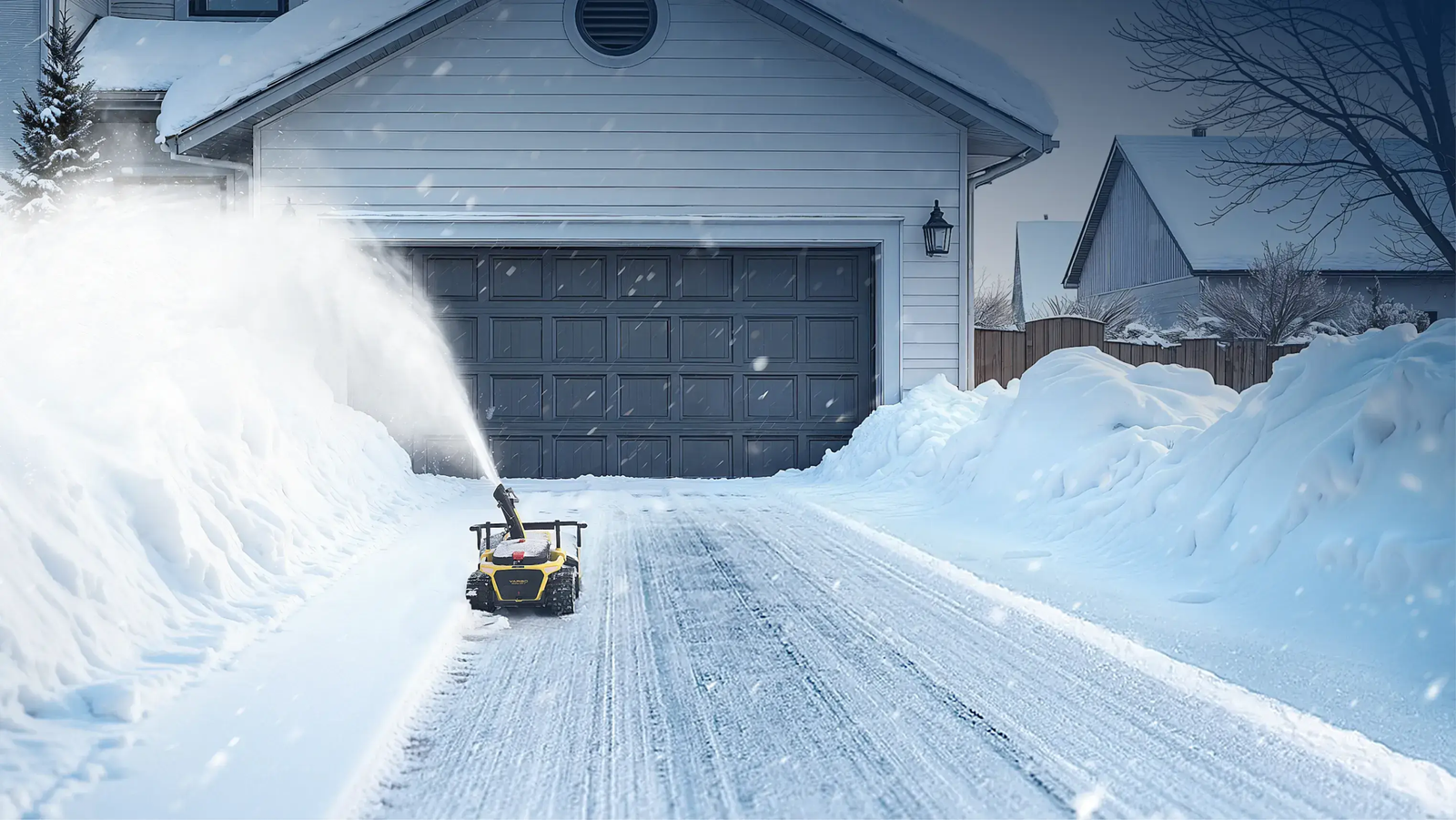
Clearing snow from an uphill driveway can feel like a tough job, especially when you want to stay safe and avoid accidents. If you’ve ever struggled with a slippery slope or felt unsure about how to handle your snow blower on an incline, you’re not alone.
This guide will show you simple, effective ways to snow blow your uphill driveway without risking your safety or damaging your equipment. Keep reading to learn the tips that can make this task easier and keep you in control every step of the way.
Choosing The Right Snow Blower
There are three main typesof snow blowers to choose from:
- Single-stage: Good for light snow and flat surfaces.
- Two-stage: Best for heavy snow and uneven ground.
- Three-stage: Powerful and fast for large areas and tough snow.
For uphill driveways, some features matter most:
| Feature | Why It Matters |
|---|---|
| Powerful engine | Helps move snow quickly and climb slopes easily. |
| Self-propelled drive | Makes pushing uphill easier and saves energy. |
| Good traction tires | Prevent slipping on icy or steep surfaces. |
| Adjustable chute | Allows aiming snow away from driveway. |
Preparing Your Driveway
Remove rocks, sticks, and other obstaclesfrom the driveway. These can block the snow blower or cause damage. Clear away any toys or garden tools left outside. This helps keep the work safe and smooth.
Ice patches make the driveway slippery. Use salt or sand to reduce ice. Salt melts the ice, and sand adds grip. Spread these evenly on the driveway before starting.
Snow Blowing Techniques
Start snow blowing from the top of the driveway. This prevents snow from piling up below. It also makes the job easier and safer.
Hold the snow blower at an angle, pointing slightly downhill. This helps push snow away quickly. It also stops snow from sliding back onto cleared parts.
Direct the snow discharge chute away from the driveway and sidewalks. This keeps snow from blocking paths or creating hazards. Adjust the chute to control where the snow falls.
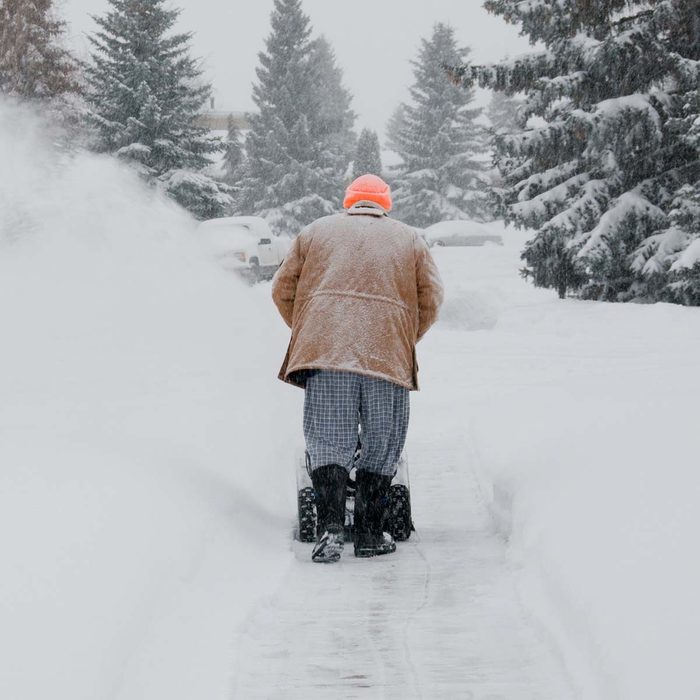
Credit: www.familyhandyman.com
Safety Precautions
Wearing proper gearis essential for safety. Always wear warm, waterproof clothingto stay dry. Gloves protect your hands from cold and sharp parts. Use non-slip bootsto prevent slipping on icy surfaces. A hat and scarf keep your head and neck warm. Eye protectionguards against flying snow and debris.
Monitoring weather conditionshelps plan your snow blowing. Check the forecast before starting. Avoid working during heavy snowfall or strong winds. Be aware of temperature drops that can cause ice. Clear snow early when it is light and fresh. This reduces work and risk of accidents.
Maintenance Tips
Check your snow blower often to keep it working well. Look at belts, spark plugs, and oil levels. Change the oil before winter starts. Keep the blades sharp for better snow clearing. Clean the machine after each use to stop rust.
Store the snow blower in a dry place after winter ends. Drain the fuel or add fuel stabilizer to avoid clogs. Cover the blower to keep dust and dirt away. Keep the battery charged if your model has one.
Credit: discountsnowstakes.com
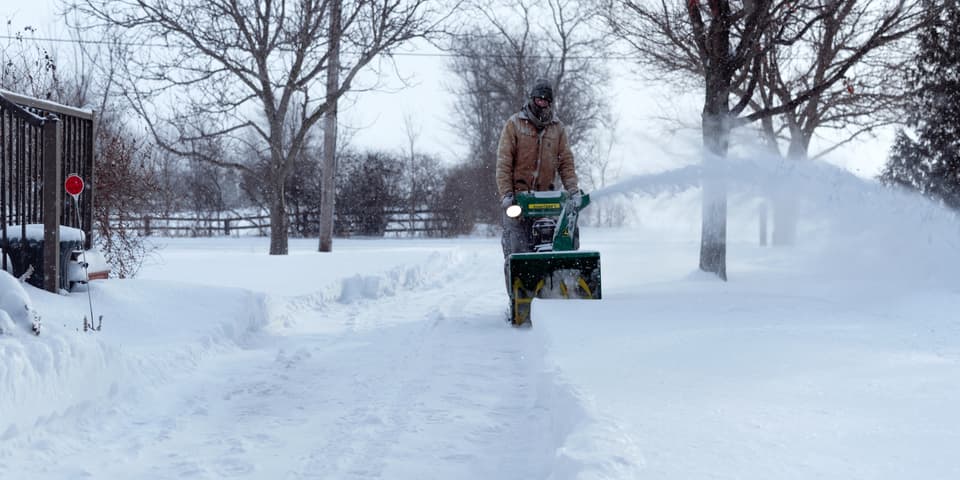
Credit: summitsnowco.com
Frequently Asked Questions
How Do I Prepare My Snow Blower For Uphill Driveways?
Start by inspecting the machine for any damage or loose parts. Adjust the chute to throw snow downhill. Use slow, steady movements to prevent slipping and maintain control on the incline.
What Safety Tips Should I Follow When Snow Blowing Uphill?
Wear sturdy boots with good traction and avoid loose clothing. Always face uphill while operating and keep a firm grip on the handles. Clear obstacles and never rush to reduce accidents.
Can I Use Any Snow Blower For Steep Driveways?
Not all models are suitable. Choose a powerful, two-stage snow blower with good traction and an auger designed for slopes. This ensures efficient snow removal and safe operation on inclines.
How Do I Prevent Snow Blower From Sliding Downhill?
Operate at a slow, controlled speed and make short passes. Use the machine’s traction features and avoid sudden turns. Keep the machine facing uphill for better stability.
Conclusion
Snow blowing an uphill driveway needs care and patience. Keep your footing steady and move slowly. Clear small sections at a time for better control. Always watch for icy patches that can cause slips. Use the right equipment and dress warmly.
Taking these steps helps you finish safely and quickly. Stay alert and work with the slope, not against it. Snow removal becomes easier with practice and attention to safety. Your driveway will be clear without risking injury.

