
When winter hits, keeping your small yard safe and ice-free can be a real challenge. You want to protect your plants, avoid slippery spots, and make sure your walkways stay clear without causing damage.
But with so many ice melt options out there, how do you choose the right one for your space? In this guide, you’ll discover simple tips to pick the best ice melt that works for your yard’s size, surface, and safety needs.
By the end, you’ll feel confident about making your yard winter-ready without any guesswork. Keep reading to find out what really matters when choosing ice melt for your small yard.
Credit: safepaw.com
Factors To Consider
Climate and weather conditionsaffect ice melt choice. Some ice melts work better in very cold temperatures. Others work well in mild winters. Choose one that fits your local weather.
Surface type and materialmatter too. Concrete, asphalt, and wood decks react differently to ice melts. Some products can damage certain surfaces. Pick one safe for your yard’s material.
Pet and plant safetyis important. Some ice melts can harm pets’ paws or plants. Look for pet-friendly and plant-safe options to avoid damage.
Environmental impactshould be considered. Some ice melts contain harsh chemicals that harm soil and water. Choose eco-friendly products to protect your yard and nearby nature.
Types Of Ice Melts
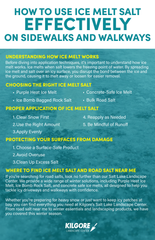
Rock saltis common and cheap. It works well in cold weather but can harm plants and concrete. Use carefully in small yards.
Calcium chloridemelts ice fast, even in very cold temperatures. It is less harmful to plants but costs more than rock salt.
Magnesium chlorideis gentle on soil and plants. It works well in cold weather and causes less damage to surfaces.
Potassium chlorideis safer for plants and pets. It works best in milder cold, not very low temperatures.
Urea-based productsare less salty and good for grass. They melt ice slowly and are safer for the environment.
Top Picks For Small Yards
Best for pet safetyice melts avoid harsh chemicals. These products use natural ingredientsthat do not harm paws or skin. They melt ice well but keep pets safe and comfortable outside. Choose brands with no added saltor urea, as these can irritate animals.
Environmentally friendly optionsuse biodegradable materials. These ice melts break down quickly and do not pollute soil or water. They protect plants and grass around your yard. Look for chloride-freeor organic ice meltsto keep your yard green and safe.
Budget-friendly choicesare perfect for small yards. They offer good ice melting power without costing too much. Salt-based products are usually the cheapest but can harm plants. A balanced choice is ice melt with moderate salt content and some additives to protect surfaces.

Credit: www.amazon.com
Application Tips
Apply ice melt before snow builds upfor best results. Spread it evenly to avoid damaging plantsor grass. Use a handheld spreaderfor small yards to control the amount.
Keep ice melt away from pets and children. Store it in a cool, dry placeto keep it effective. Seal the container tightly to prevent moisturefrom getting in.
| Storage Tips | Handling Tips |
|---|---|
| Keep dry and sealed | Wear gloves when applying |
| Store off the ground | Use spreader for even coverage |
| Avoid freezing storage areas | Keep away from plants and pets |
Common Mistakes To Avoid
Using too much ice melt can harm your grass and plants. It may also waste money. Follow the recommended amount on the package.
Always read product labels carefully. They show how to use the product safely. Labels tell you about safe amounts and possible dangers.
Mixing different ice melt products can cause harmful chemical reactions. Stick to one product type to avoid damage to your yard and pets.

Credit: ultradecking.co.uk
Frequently Asked Questions
What Is The Best Ice Melt For Small Yards?
The best ice melt for small yards is one that melts ice quickly and is safe for grass and pets. Choose calcium magnesium acetate or potassium chloride for eco-friendly, non-corrosive options that protect your yard and surrounding plants.
How Do I Choose Safe Ice Melt For Pets?
Select ice melts labeled as pet-safe or non-toxic. Avoid products with high salt content like sodium chloride, which can harm pets’ paws and health. Look for calcium magnesium acetate or urea-based melts that minimize irritation and toxicity.
Can Ice Melt Damage My Small Yard’s Grass?
Yes, some ice melts can harm grass by causing dehydration or chemical burns. Avoid sodium chloride-based melts. Use eco-friendly options like calcium magnesium acetate to protect your lawn while effectively melting ice.
How Much Ice Melt Should I Use On A Small Yard?
Use ice melt sparingly to avoid damage to plants and soil. Apply a thin, even layer just enough to break the ice. Overuse can harm grass and contaminate groundwater.
Conclusion
Choosing the right ice melt keeps your small yard safe and clear. Think about your plants, pets, and local climate first. Use products that work well but cause no harm. Spread ice melt carefully and follow instructions every time. A little planning saves you from slippery, dangerous spots.
Stay prepared for winter with the best ice melt choice. Your yard will stay neat, safe, and easy to walk on. Simple steps make a big difference during cold months.

