
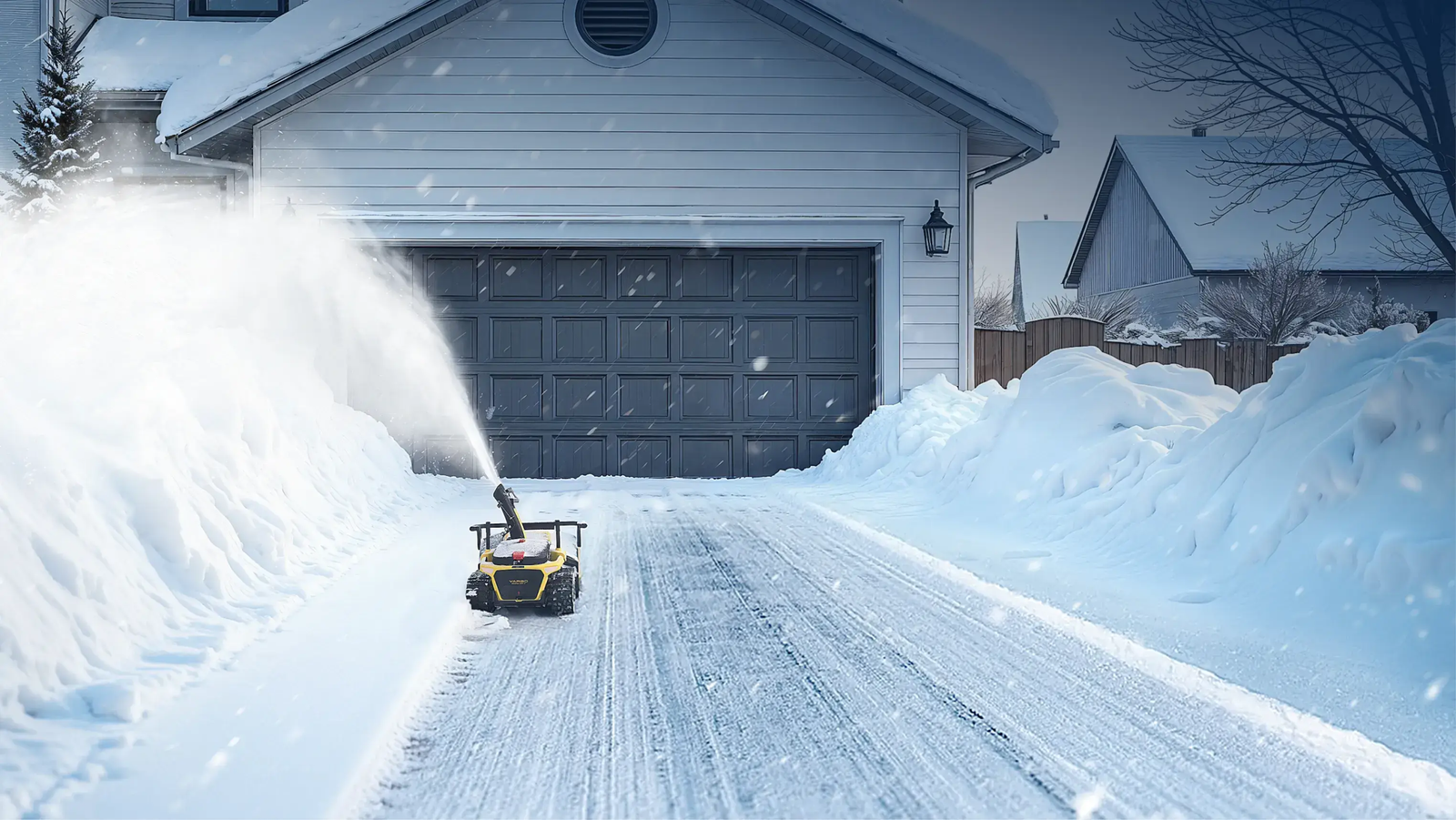
Are you tired of the loud noise your snow blower makes every time you clear your driveway? You’re not alone.
The roar can be frustrating, especially early in the morning or late at night when you want to keep the peace. But what if you could operate your snow blower quietly and still get the job done efficiently? You’ll discover simple, practical tips to reduce noise without sacrificing power.
Keep reading to learn how to make your snow clearing routine smoother and quieter—your neighbors will thank you.

Credit: www.youtube.com
Choosing The Right Snow Blower
Electric snow blowers are quieterthan gas-powered ones. They create less noise and need less maintenance. Ideal for small to medium driveways and light snow.
Gas models have more powerand can handle heavy snow better. But they tend to be louder. Engine size affects noise and clearing ability.
| Engine Size | Power | Noise Level | Best Use |
|---|---|---|---|
| Small (up to 150cc) | Low | Quiet | Light snow, small areas |
| Medium (150-250cc) | Medium | Moderate | Medium snow, medium areas |
| Large (250cc+) | High | Loud | Heavy snow, large areas |
Maintenance For Noise Reduction
Regular lubrication keeps the snow blower parts moving smoothly. It reduces friction and stops squeaky noises. Use oil or grease on bearings and joints. This helps the machine run quietly and last longer.
- Tighten loose parts to prevent rattling sounds.
- Check bolts, nuts, and screws often.
- Use the right tools to make sure everything is snug.
Inspect worn components like belts and blades. Replace any parts that look damaged or old. Worn parts can cause the machine to make loud noises or work poorly. Keeping parts in good shape lowers noise and improves performance.
Modifying The Snow Blower
Noise reduction kits help lower the loud sounds made by snow blowers. These kits often include sound-absorbing materials that fit around the engine. They reduce the engine noise by blocking and dampening sound waves.
Rubber paddles replace metal ones on the snow blower’s auger. They make less noise when hitting hard surfaces like concrete or ice. Rubber paddles also reduce vibrations, making the machine quieter overall.
- Noise Reduction Kits:Fit sound-absorbing panels around the engine.
- Rubber Paddles:Replace metal paddles to soften noise and vibration.
- Both methods help reduce loud engine and impact sounds.
- Easy to install and improve user comfort.

Credit: www.youtube.com
Operating Techniques For Quiet Use
Adjusting the throttlelowers the engine speed. This cuts noise without losing power. Keep the throttle low when snow is light or thin.
Choosing the best clearing timehelps reduce noise impact. Early morning or late evening are quieter times outdoors. Avoid windy or very cold days to keep the machine running smooth and less noisy.
- Look carefully and avoid obstacleslike rocks and sticks.
- Clearing debris first stops loud hitting sounds.
- Move slowly over rough patches to lower noise.
Environmental Considerations
Using trees, shrubs, and fencescan help block noise from a snow blower. These natural barriers absorb and reduce sound. Plant dense bushes near the area where you use the snow blower. They work as a quiet shieldfor your neighbors.
Placing the snow blower away from open spaces lowers the sound reaching others. Use landscaping to create a noise buffer zone. This simple step makes snow blowing less disturbing.
- Choose dense plants for better sound absorption
- Place barriers close to the snow blower area
- Keep the snow blower away from neighbors’ windows
- Use fences or walls to block noise further
These actions help keep the environment calm during snow removal. Respecting quiet hours also matters in residential areas.

Credit: www.youtube.com
Protective Gear For Sound Dampening
Using ear protectionis key for quieter snow blower use. It reduces loud noisethat can harm ears. Earplugsare small and easy to carry. They fit inside the ear and block sound well.
Noise-cancelling headphonesoffer a good option too. They actively reduce background noise. These headphones are comfortable and can be worn for long periods. They also keep your ears warm in cold weather.
- Earplugs are cheap and disposable.
- Noise-cancelling headphones are reusable and rechargeable.
- Both types help protect hearing during snow blower use.
Frequently Asked Questions
How Can I Reduce Snow Blower Noise Effectively?
Use sound-dampening materials around the engine. Regularly maintain the machine to avoid loud noises. Run the blower at lower speeds when possible.
What Type Of Snow Blower Operates Most Quietly?
Electric snow blowers are generally quieter than gas-powered models. Choose one with noise-reducing features for the best performance.
Does Using Fresh Fuel Lower Snow Blower Noise?
Yes, fresh fuel ensures efficient combustion, reducing engine noise. Old or contaminated fuel can cause rough operation and louder sounds.
How Important Is Regular Maintenance For Noise Control?
Regular maintenance keeps parts lubricated and aligned, minimizing noise. Clean air filters and spark plugs help the machine run quietly.
Conclusion
Operating your snow blower quietly helps keep peace in your neighborhood. Simple steps, like regular maintenance and using sound dampeners, reduce noise effectively. Choose the right time to clear snow to avoid disturbing others. Quiet operation makes winter chores less stressful for everyone.
Try these tips for a smoother, quieter snow removal experience. Enjoy calm winter days while keeping your driveway clear. Quiet snow blowing is possible with care and attention.

