
Are you looking for a smart way to save water and cut down your bills this summer? Collecting rainwater could be the easiest and most effective solution you’ve been missing.
Imagine having a steady supply of water for your garden, cleaning, or even emergencies—without relying on the tap. You’ll discover simple steps to set up your own rainwater collection system. By the end, you’ll know exactly how to turn summer showers into a valuable resource for your home.
Ready to make every drop count? Let’s dive in!
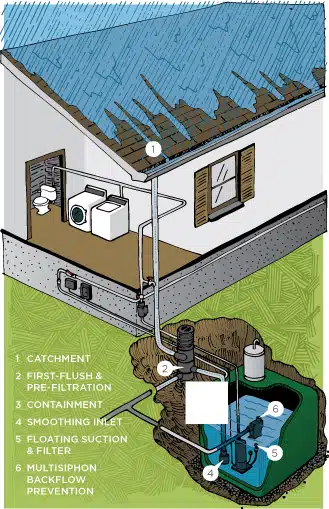
Credit: myrainplan.com
Benefits Of Rainwater Harvesting
Rainwater harvestingsaves money on water bills. It reduces dependence on city water. Collected rainwater can be used for gardening, cleaning, and flushing toilets. This helps save clean drinking water for essential use.
It also helps the environment. Rainwater reduces soil erosion and flooding. It improves groundwater levels. Using rainwater lowers demand on local water sources.
- Easy to collect and store during summer rains
- Reduces water wastage
- Supports plants and gardens in dry seasons
- Can improve water quality for some uses

Credit: www.youtube.com
Choosing The Right Collection System
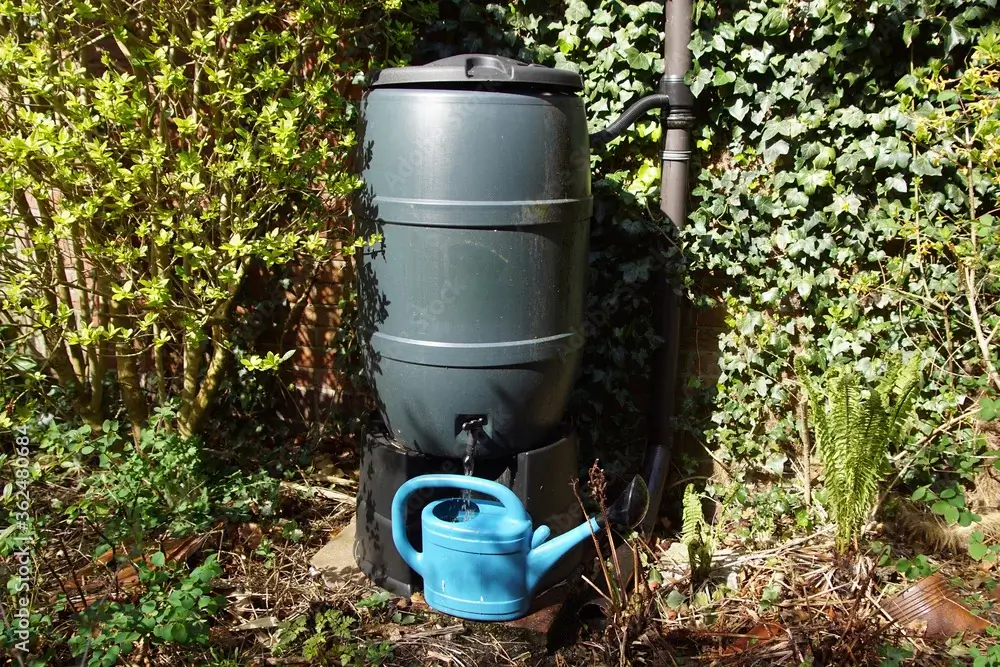
Barrels and tanksstore rainwater effectively. Barrels are small and fit in tight spaces. Tanks hold more water but need more room. Both must be covered to keep dirt and bugs out. Choose food-grade containers to keep water clean.
Gutters and downspoutsguide water from roofs to collection barrels or tanks. Gutters catch rain and downspouts channel it. Clean gutters regularly to avoid blockages. Use screens to stop leaves and debris.
Filtration systemsremove dirt and particles from rainwater. Simple mesh filters work well for small setups. More advanced filters can remove bacteria and chemicals. Clean filters often for best results.
Locating The Ideal Collection Spot
Roof catchment areasare the best spots for collecting rainwater. Roofs catch a lot of rain quickly. Use gutters to guide rain into storage tanks or barrels. Choose roofs with smooth surfaces like metal or tiles for cleaner water. Avoid roofs with lead or asbestos materials.
Yard and garden areas can also collect rainwater but less efficiently. Place rain barrels under downspouts near flower beds or vegetable gardens. This water helps plants grow during dry times. Keep collection spots clear of leaves and dirt to avoid clogging.
- Check roof size and material.
- Use gutters and downspouts.
- Pick spots near plants for easy watering.
- Keep areas clean for better water quality.
Setting Up A Collection System
Gutterscatch rainwater from your roof. They should be installed along roof edges. Use materialslike aluminum or PVC for durability. Make sure gutters slope slightly toward downspouts. This helps water flow easily.
Downspouts connect gutters to collection tanks. Choose a tank size based on roof size and rain amount. Connect downspouts securely to tanks to avoid leaks. Place tanks on a flat, stable surface.
Check all joints and connections for proper sealing. Use waterproof sealant or silicone to stop leaks. Tight seals keep water clean and prevent waste. Regularly inspect seals for cracks or damage.
Maintaining Your Rainwater System
Regular cleaningkeeps the rainwater system working well. Remove leaves and dirt from gutters and filters. Clean the storage tanks to stop bad smells and bugs. Check and clean pipes so water flows smoothly.
Inspecting for leaksis very important. Look for cracks or holes in tanks and pipes. Small leaks waste water and cause damage. Fix leaks quickly using sealant or tape made for water tanks.
Managing algae growthkeeps water clean and safe. Algae grow in warm, sunny places. Cover tanks to block sunlight. Use non-toxic treatments or scrub walls to stop algae from spreading.

Credit: www.espares.co.uk
Maximizing Water Storage
Using multiple barrelshelps collect more rainwater. Connect barrels with pipes to share water easily. This setup lets you store a lot without needing much space. Each barrel fills up and passes overflow to the next one. This way, no water is lost.
Overflow solutions keep water safe and clean. Install a diverterthat sends excess water away from your barrels. Use a mesh screen to stop leaves and bugs from entering. Overflow pipes should lead water to a garden or drain safely.
Utilizing Collected Rainwater
Collected rainwateris great for watering gardens and lawns. It helps plants grow without using tap water. Rainwater is soft and free of chemicals, making plants healthier. Use a watering can or hose with a filter to avoid debris.
Inside the home, rainwater can be used for tasks like washing cars, cleaning floors, or flushing toilets. This saves money and reduces water bills. Always filter or treat water before use to keep it safe and clean.
For emergencies, stored rainwater provides a backup supply. It can be used for drinking, cooking, or washing if regular water stops. Keep containers covered and clean to prevent bugs and dirt.
Legal And Environmental Considerations
Local regulationsoften control how much rainwater you can collect. Some places require permits or have limits on storage size. Checking local laws avoids fines or legal trouble. It helps keep water use fair for everyone.
Rainwater collection affects the environment in many ways. It saves water by reducing demand on public supplies. It also lowers runoff that can cause flooding or pollution. But collecting too much water may harm local streams and plants.
| Consideration | Details |
|---|---|
| Local Regulations | Permits may be needed. Limits on water storage size. |
| Environmental Impact | Reduces water use and runoff. Must avoid harming nature. |
Frequently Asked Questions
How Can I Start Collecting Rainwater In Summer?
Begin by setting up a clean rainwater collection system. Use gutters and barrels to capture runoff. Ensure filters prevent debris entry. Position containers where water flow is highest. Regularly clean to maintain water quality.
What Materials Are Best For Rainwater Collection?
Use food-grade plastic or metal barrels for safety. Ensure containers are opaque to prevent algae growth. Install mesh screens to filter leaves and insects. Durable materials resist heat and UV damage during summer.
How Do I Keep Collected Rainwater Clean?
Cover containers tightly to avoid contamination. Clean gutters and barrels regularly to remove debris. Use fine mesh filters at entry points. Avoid storing water near chemicals or pollutants for safety.
Can I Use Collected Rainwater For Gardening?
Yes, collected rainwater is ideal for plants. It’s naturally soft and free from chemicals. Use it to water lawns, flowers, and vegetable gardens. Avoid using untreated rainwater for edible plants without testing.
Conclusion
Collecting rainwater in summer saves money and water. It helps plants grow and keeps your garden healthy. Using simple tools makes the process easy and effective. Rainwater is clean and natural for watering. Start small and watch your savings grow.
Keep your collection system clean to avoid problems. Enjoy fresh water even during dry days. This habit supports the environment and reduces waste. Try it today and see the benefits yourself. Simple steps lead to big changes in water use.

