

Is the noise from your fountain pump disturbing the peaceful atmosphere of your garden or home? You’re not alone.
Many people struggle with loud, annoying sounds that take away from the relaxing vibe a fountain is supposed to create. But don’t worry—there are simple and effective ways to reduce that noise and bring back the calm you deserve. You’ll discover easy tips and tricks to make your fountain pump run quietly, so you can enjoy the soothing sound of water without the unwanted racket.
Keep reading and transform your space into a peaceful retreat.

Credit: www.amazon.com
Identifying Noise Sources
Before you can reduce the noise of your fountain pump, you need to understand where the noise is coming from. Identifying the exact source helps you take targeted action instead of guesswork. You might think the pump is just loud by design, but often the noise comes from fixable issues like vibration or debris.
Common Causes Of Pump Noise
Several factors can cause your fountain pump to be noisy. Some of the usual suspects include:
- Loose parts:Screws or fittings that aren’t tight can rattle when the pump runs.
- Vibrations:The pump shaking against hard surfaces can create constant humming or buzzing sounds.
- Air trapped in the pump:Air bubbles inside the pump housing often cause a chattering noise.
- Worn bearings or motor issues:These mechanical problems make grinding or whining noises.
- Debris blockage:Small stones or plant matter caught inside the pump can create unusual sounds.
Once you know these common causes, you can inspect your pump carefully. You might find that simply tightening a screw or clearing debris reduces most of the noise.
Signs Of Excessive Noise
How do you know when your pump’s noise is a real problem? Not all sounds mean trouble, but some are clear warning signs:
- Sudden increase in volume:If your pump gets louder overnight, something might be wrong.
- Grinding or rattling sounds:These often indicate mechanical wear or loose parts.
- Intermittent noises:Clicking or chattering noises might mean air is trapped or debris is moving.
- Vibrations felt around the fountain:Excessive shaking can damage your pump and surrounding structure.
Do you notice these signs when near your fountain? Pay attention—early detection helps you fix noise issues before they worsen.
Credit: blagdonwatergardening.co.uk
Choosing The Right Pump
Choosing the right pump is key to reducing the noise of your fountain. The pump’s design and size directly affect how loud it will be during operation. Picking a pump that matches your fountain’s needs keeps the sound level manageable and your outdoor space peaceful.
Selecting Low-noise Models
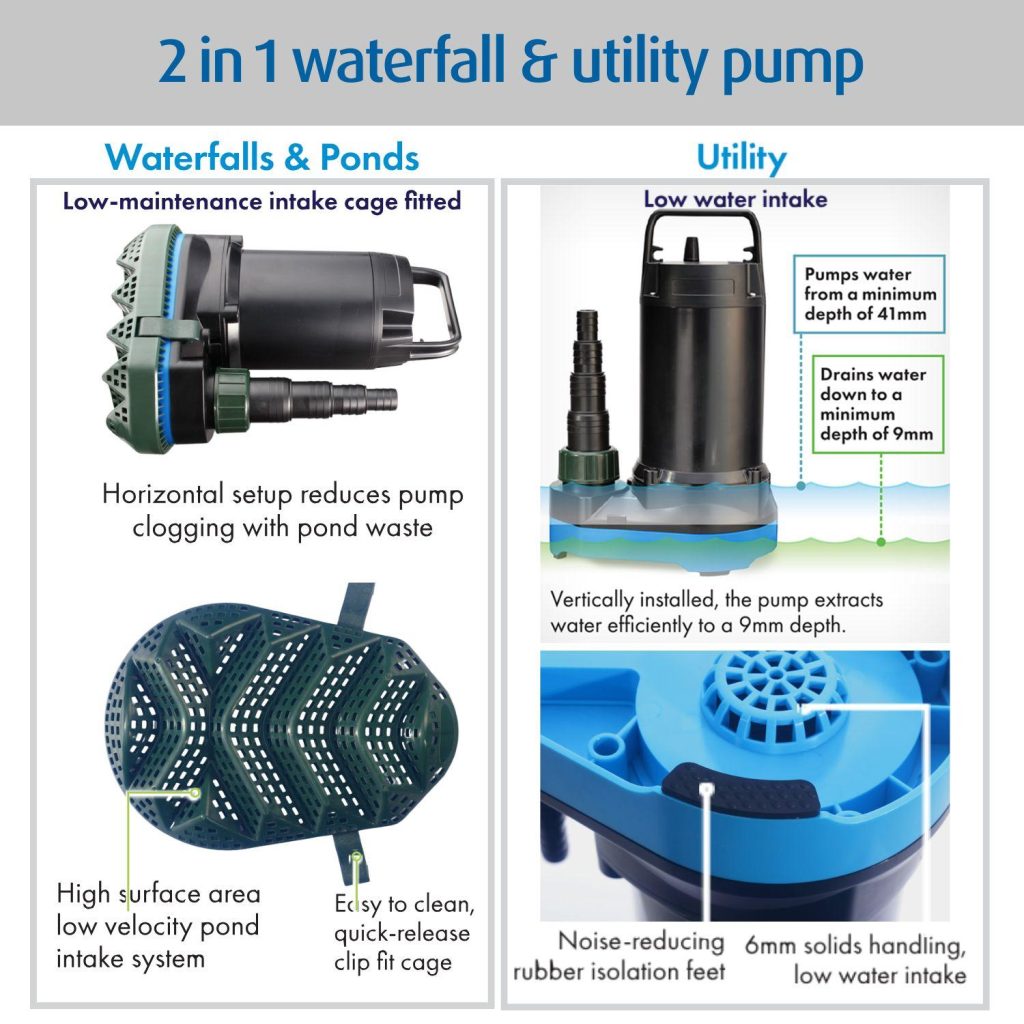
Look for pumps specifically designed to run quietly. Many manufacturers now offer models with noise reduction features like soundproof housings and vibration dampeners. These pumps often use advanced motor technology that minimizes buzzing and humming sounds.
Think about the pump’s placement as well. Some low-noise pumps can be submerged, which naturally muffles sound. If you can’t place the pump underwater, consider models with extra insulation or rubber mounts to reduce vibrations.
Size And Capacity Considerations
Choosing the right size pump for your fountain is crucial. A pump that is too powerful will create unnecessary noise and waste energy. On the other hand, a pump that is too weak won’t circulate water properly, causing splashing that can be louder than the pump itself.
Match the pump’s flow rate to your fountain’s volume. Check the manufacturer’s recommendations for your fountain size and stick to those numbers. This balance helps keep the water movement smooth and the noise level low.
Proper Pump Installation
Proper pump installation plays a key role in reducing fountain pump noise. A well-installed pump runs smoothly and quietly. The right setup prevents vibrations and unwanted sounds. Small changes during installation can create a big difference in noise levels.
Positioning For Minimal Noise
Place the pump on a flat, stable surface. Avoid hard surfaces that can amplify sound. Use soft materials like rubber pads beneath the pump to absorb vibrations. Keep the pump away from walls or corners to reduce sound reflection. Positioning the pump lower in the fountain basin helps muffle noise naturally.
Securing The Pump Firmly
Secure the pump tightly to prevent movement and rattling. Loose pumps create extra noise through vibration. Use clamps, brackets, or mounting kits designed for your pump model. Check connections regularly to ensure everything stays in place. Firm installation cuts down on annoying buzzing and humming sounds.
Using Noise Dampening Materials
Using noise dampening materials is a smart way to reduce the sound of your fountain pump. These materials absorb and block vibrations and noise. They help create a quieter and more peaceful environment around your fountain. Applying the right materials can make a noticeable difference.
Soundproof Mats And Pads
Soundproof mats and pads are made of materials like rubber or foam. These materials absorb sound waves and reduce noise. Place these mats under your fountain pump to cut down noise from vibrations. They also protect surfaces from water damage. Choose mats that fit well and are water-resistant. This simple step can lower noise levels significantly.
Vibration-reducing Mounts
Vibration-reducing mounts isolate the pump from hard surfaces. They stop vibrations from traveling through the base and walls. These mounts come in rubber or silicone, which absorb shock. Installing them under or around the pump reduces humming sounds. They extend the pump’s life by lowering wear and tear. Use mounts that match your pump’s size and weight for best results.
Regular Maintenance Practices
Keeping your fountain pump quiet largely depends on how well you maintain it. Regular maintenance practices not only extend the life of your pump but also help in reducing noise significantly. Paying close attention to cleaning and inspecting your pump ensures smooth operation without annoying sounds.
Cleaning And Debris Removal
Debris buildup is one of the main causes of noisy fountain pumps. Leaves, dirt, and algae can clog the pump’s intake, forcing it to work harder and create more noise. You should clean the pump regularly by:
- Removing the pump from the fountain and rinsing it with water
- Using a soft brush to clear out algae and debris from the impeller
- Checking the surrounding water for floating debris and removing it promptly
Have you noticed your pump sound change after a heavy storm or windy day? That’s often debris causing extra strain. Keeping the pump clean prevents unnecessary noise and improves water flow.
Checking For Wear And Tear
Parts inside your pump wear out over time, which can lead to increased noise. The impeller, seals, and bearings are common components that degrade. Inspect these parts regularly and replace them if you notice:
- Cracks or chips on the impeller blades
- Loose or damaged seals causing water leaks
- Unusual grinding or rattling noises indicating bearing wear
Ignoring these signs can lead to louder operation and even pump failure. Have you checked your pump’s parts lately? Small replacements can make a huge difference in noise reduction and pump efficiency.
Adjusting Water Flow
Adjusting the water flow in a fountain pump plays a key role in reducing noise. A pump running too fast or under high pressure often creates loud sounds. Controlling flow helps achieve a quieter and smoother water movement. It also extends the life of the pump by avoiding strain.
Optimizing Flow Rate
Set the pump’s flow rate to a moderate level. Too high flow causes splashing and noise. Too low flow can cause the pump to overwork. Find a balance where water moves gently and steadily. Many pumps have adjustable valves or settings for flow control.
Check the manufacturer’s guide for recommended flow rates. Adjust slowly and listen to the sound changes. A quieter flow usually means better pump performance and less wear.
Avoiding Excessive Pressure
High pressure makes water hit surfaces hard, causing noise. Reduce pressure by lowering the flow or installing a pressure regulator. Avoid narrow tubing or sharp bends that increase pressure inside pipes.
Use wider pipes or smooth fittings for better water movement. This reduces strain on the pump and cuts noise. Regularly clean filters and nozzles to prevent blockages and pressure build-up.
Exploring Advanced Solutions
Reducing the noise of your fountain pump can transform your outdoor space into a peaceful retreat. Basic fixes might not cut it if the noise persists or if you want a more lasting solution. Advanced solutions focus on controlling the sound at its source or blocking it effectively, giving you greater control over the noise levels.
Using Soundproof Enclosures
Soundproof enclosures are designed to surround your fountain pump and absorb much of the noise it produces. You can buy ready-made enclosures or build one using materials like acoustic foam, mass-loaded vinyl, or dense wood panels.
Make sure the enclosure allows for proper ventilation to prevent overheating. Adding rubber mounts inside can further reduce vibrations that cause noise. Have you considered how much quieter your garden could feel with just a small box around the pump?
Installing Noise Barriers
Noise barriers work by blocking or redirecting sound waves away from your sitting area. You can use natural barriers like dense shrubbery or install fences made of sound-absorbing materials such as thick wood or composite panels.
Position the barrier between the pump and your relaxation spot for maximum effect. Combining barriers with soundproof enclosures can lead to an even quieter environment. What barrier options fit best into your garden’s look while cutting down the noise?

Credit: www.amazon.com
Frequently Asked Questions
How Can I Make My Fountain Pump Quieter?
Use rubber padding under the pump to absorb vibrations. Clean the pump regularly to prevent clogging. Place the pump on a stable, flat surface to reduce noise.
Why Is My Fountain Pump Making Loud Noises?
Loud noise often results from debris buildup or worn-out parts. Check for blockages and clean the pump. Replace damaged components to restore smooth operation.
Does Water Level Affect Fountain Pump Noise?
Yes, low water levels can cause the pump to work harder, increasing noise. Keep the water at recommended levels to maintain quiet performance.
Can I Use A Noise-reducing Cover For My Pump?
Yes, a noise-reducing cover or enclosure can dampen sound. Ensure the cover allows proper ventilation to avoid overheating.
Conclusion
Reducing fountain pump noise improves your outdoor space’s calm. Simple steps like cleaning and placing the pump on soft surfaces help a lot. Using quieter models or adding soundproof covers also cuts noise. Regular care keeps the pump running smooth and quiet.
Enjoy peaceful water sounds without loud distractions. Small changes make a big difference in noise levels. Keep your fountain relaxing and enjoyable for everyone around.

