
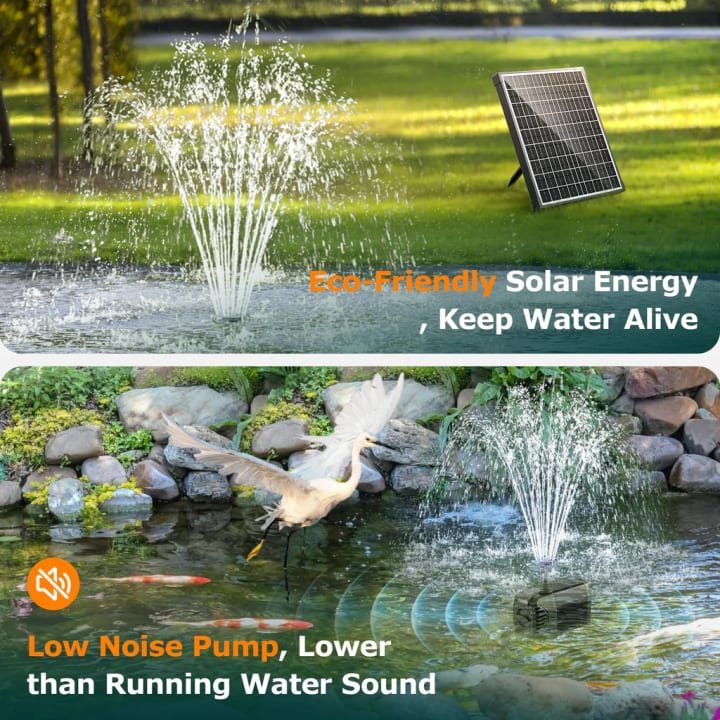
Imagine enjoying the soothing sound of a water feature in your garden without worrying about high electricity bills. What if you could power it using the sun, saving money and helping the environment at the same time?
Running your water feature with solar power is easier than you think. You’ll discover simple steps to set up a solar-powered water feature that works efficiently and looks stunning. Ready to transform your outdoor space with clean, free energy? Let’s dive in and make it happen together.
Benefits Of Solar-powered Water Features
Solar-powered water features offer many advantages for homes and gardens. They use sunlight to operate, reducing electricity costs. These systems are eco-friendly and promote a green lifestyle.
Using solar energy means no wires or external power sources are needed. This makes installation simple and flexible. Solar water features can work in remote or off-grid locations easily.
Cost Savings On Energy Bills
Solar water features run on free sunlight. This cuts down electricity consumption. Over time, it lowers monthly energy bills significantly. No hidden or ongoing fuel costs exist.
Easy Installation And Maintenance
Solar water pumps require minimal setup. No digging or wiring is necessary. Most units come with simple plug-and-play designs. Maintenance is low since solar parts last long.
Environmentally Friendly Operation
Solar power produces no greenhouse gas emissions. It reduces the carbon footprint of your home. Water features powered by solar help conserve fossil fuels. They support cleaner air and water quality.
Quiet And Safe Functioning
Solar pumps operate silently without noisy motors. They run safely without electrical hazards. This makes them ideal for gardens with children and pets.
Flexibility In Placement
Without the need for power outlets, solar fountains can go anywhere. Place them in sunny spots, patios, or even balconies. This freedom enhances garden design options.

Credit: www.amazon.com.au
Choosing The Right Solar Panel
Choosing the right solar panel is key to running a water feature efficiently. The panel must match the power needs and environment. Picking the best type and size boosts performance and saves money.
Consider the sunlight available and the water pump’s energy use. These factors guide the panel choice. Quality and durability matter for long-term use outdoors.
Types Of Solar Panels
There are three main types of solar panels:
- Monocrystalline:High efficiency and compact size. Works well in limited space.
- Polycrystalline:Lower cost but less efficient. Good for larger areas.
- Thin-film:Lightweight and flexible. Less efficient but easy to install.
Monocrystalline panels often suit water features best. They deliver more power in small spaces.
Panel Size And Efficiency
Choose a panel size that matches your pump’s wattage. Too small means weak water flow. Too large wastes money.
Efficiency shows how well a panel turns sunlight into energy. Higher efficiency panels produce more power in less space.
- Check the watt rating on the pump and solar panel.
- Calculate daily sunlight hours to estimate energy production.
- Pick a panel that meets or exceeds the pump’s power needs.
Balance size and efficiency for the best performance. This prevents power shortages and keeps your water feature running smoothly.
Selecting A Suitable Pump
Selecting the right pump is crucial to running your water feature efficiently on solar power. The pump you choose affects not only the water flow but also how well your solar setup performs. Choosing incorrectly can lead to wasted energy or a weak water display.
Submersible Vs. External Pumps
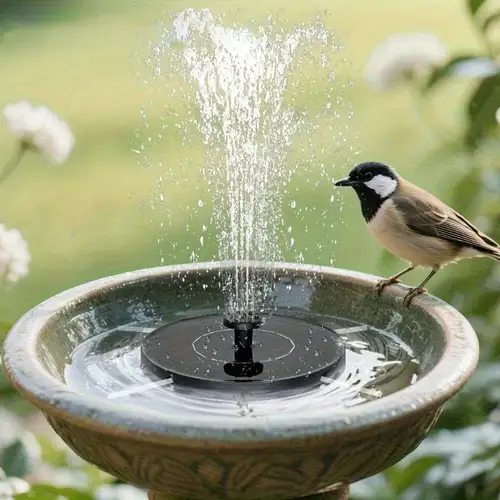
Submersible pumps sit directly in the water, making installation simpler and often quieter. They tend to be more compact and easier to hide, which keeps your water feature looking clean and natural.
External pumps, on the other hand, are placed outside the water basin. This setup can be easier to maintain since you don’t have to remove the pump to clean it or fix issues. However, they may require additional plumbing and can be noisier.
Think about your water feature’s design and maintenance preferences. Would you rather have a pump that’s out of sight or one that’s easier to access for repairs?
Power Requirements
Solar power relies on the sun, so your pump’s energy needs must match what your solar panels can provide. Check the pump’s wattage and compare it with your solar panel output to avoid underperformance.
Smaller pumps use less power but might not create the water effect you want. Larger pumps can demand more energy, which might require bigger solar panels or batteries.
Ask yourself: how much water flow do you really need? Sometimes a lower flow rate can still create a beautiful effect while saving energy. Balancing power use and water movement is key to a successful solar-powered water feature.
Installation Process
Setting up a solar-powered water feature is simpler than you might think. The installation process involves a few key steps that ensure your system runs smoothly and efficiently. Let’s break down each part so you can get your water feature flowing with clean energy in no time.
Site Selection
Choosing the right spot for your solar panel is crucial. Look for an area that gets at least 6 hours of direct sunlight daily, free from shade caused by trees, buildings, or other obstacles.
Think about accessibility too—can you easily reach the panel for cleaning or adjustments? A sunny, open space not only maximizes power but also reduces maintenance hassles.
Mounting The Solar Panel
Once you find the perfect spot, mount the solar panel securely. Use adjustable brackets if possible, so you can change the angle throughout the year to capture the most sunlight.
Make sure the panel faces true south (in the northern hemisphere) or true north (in the southern hemisphere) to optimize energy absorption. Stability matters; a loose panel can lead to power drops or damage during bad weather.
Connecting The Pump
Now it’s time to link your solar panel to the water pump. Most solar water pumps come with easy-to-use connectors—just match the positive and negative wires.
Double-check the pump’s voltage requirements to avoid mismatches. After connecting, test the system during peak sunlight hours to ensure the pump runs smoothly without interruptions.
Have you considered how much sunlight your location really gets daily? It can make a big difference in your water feature’s performance. Installing a simple solar meter can help you decide the best placement before mounting anything.
Maximizing Efficiency
Maximizing the efficiency of your solar-powered water feature is key to enjoying a consistent and vibrant display. Small adjustments can make a big difference in how well your system captures sunlight and converts it into energy. By focusing on where and how you position your solar panel and tweaking it according to the seasons, you can keep your water feature running smoothly all year long.
Optimal Placement For Sunlight
Place your solar panel where it receives the most direct sunlight throughout the day. Avoid shady spots caused by trees, buildings, or other structures. Even partial shade can reduce the panel’s output significantly.
South-facing locations usually work best in the northern hemisphere, while north-facing spots suit the southern hemisphere. Tilt the panel to match the angle of the sun for your specific latitude. This simple step can boost energy capture by up to 25%.
Have you noticed how some corners of your garden stay bright longer than others? Use those spots for your solar panel. Check the area at different times to find the perfect place that stays sunny without interruptions.
Seasonal Adjustments
The sun’s position changes with the seasons, so adjusting the tilt of your solar panel is crucial. During summer, the sun is higher in the sky, so a flatter angle works best. In winter, a steeper angle helps capture more sunlight.
Set a reminder to adjust your panel every few months. It only takes a few minutes but can greatly improve performance. This small habit helped me avoid low water flow during cloudy winter days.
Consider if your area experiences heavy snow or debris buildup. Regularly clean and clear your panel to maintain optimal sunlight exposure. Have you checked your panel lately? A quick wipe might be all it needs.
Credit: www.temu.com
Maintenance Tips
Keeping your solar-powered water feature running smoothly means committing to some simple maintenance routines. These tasks help avoid common problems like clogs, reduced efficiency, or damage from changing weather. A little effort in maintenance can extend the life of your system and keep your water feature looking stunning year-round.
Regular Cleaning
Dust, leaves, and algae can quickly build up on your solar panels and pump, reducing their performance. Clean the solar panels gently with a soft cloth and mild soap every couple of weeks to ensure they absorb sunlight efficiently.
Check the pump for debris that might block water flow. Removing stuck leaves or algae can prevent damage and keep the water circulating smoothly. Have you noticed how a small clog can stop the whole system? Addressing it early saves headaches later.
Winterizing The System
If you live in a cold climate, freezing temperatures can harm your water feature’s components. Drain the water completely before the first frost to avoid cracking pipes or pumps.
Store the pump indoors during winter months and cover the solar panels with a protective sheet to prevent snow buildup. Taking these steps ensures your system is ready to run perfectly when spring arrives. Have you ever lost a pump to freezing? Preparing ahead can prevent that costly mistake.
Troubleshooting Common Issues
Troubleshooting your solar-powered water feature can save you time and frustration. Understanding common problems helps you fix them quickly and enjoy a smooth-running fountain or pond. Let’s look at issues you might face and simple ways to tackle them.
Pump Not Working
If your pump suddenly stops working, the first thing to check is the solar panel’s exposure to sunlight. Is it shaded or dirty? Even a small layer of dust can reduce power output significantly.
Next, inspect the pump itself. Sometimes debris or algae block the intake, causing the motor to stall. Remove the pump and rinse it under clean water to clear any clogs.
Have you checked the electrical connections? Loose wires or corroded terminals can interrupt power flow. Tighten connections and clean any corrosion with a small brush.
Insufficient Water Flow
Low water flow often means the pump isn’t getting enough energy or is partially blocked. Make sure the solar panel is angled correctly toward the sun throughout the day.
Look inside the water feature for algae buildup or sediment that might restrict water movement. A gentle scrub or water change can improve flow instantly.
Also, examine the tubing or pipes. Kinks or bends reduce water pressure. Straightening these out can help water move more freely.
Have you considered the water level? If it’s too low, the pump might be sucking air instead of water, which reduces flow and can damage the pump over time.
Enhancing Aesthetic Appeal
Enhancing the aesthetic appeal of your solar-powered water feature transforms it from a simple garden addition into a captivating focal point. Thoughtful design choices can highlight the natural beauty of water and light, creating a soothing atmosphere. Your outdoor space can become a place where beauty and sustainability blend seamlessly.
Incorporating Lights
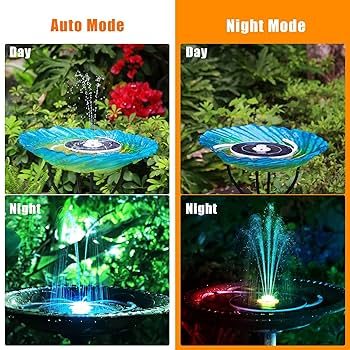
Adding lights to your water feature creates stunning visual effects, especially after sunset. Solar-powered LED lights are perfect because they charge during the day and illuminate your feature at night without extra wiring.
Try placing lights under the water to make the flowing water shimmer. You can also install floating solar lights that gently move with the water, adding dynamic motion and color. Have you noticed how subtle lighting can completely change the mood of your garden?
Adding Decorative Elements
Decorative elements give your water feature personality and charm. Use natural stones or pebbles around the base to blend the feature into the landscape.
Consider adding small statues or ceramic pieces that complement your garden’s style. Even plants like water lilies or floating greenery can add life and color. Which decorative items do you feel would best reflect your style and enhance your solar water feature?
Cost Considerations
Considering costs is important before installing a solar-powered water feature. It helps plan your budget and understand the value over time. Costs include buying equipment and saving on energy bills.
Initial Investment
Setting up a solar water feature needs upfront money. You must buy solar panels, a pump, and batteries if needed. Quality products might cost more but last longer and work better.
Installation fees can add to the total cost. Some systems are easy to install, lowering labor costs. Prices vary based on the size and type of the water feature.
Long-term Savings
Solar power cuts electricity bills since it uses free energy from the sun. Over time, savings can cover the initial investment. Maintenance costs are usually low, mostly cleaning panels and checking the pump.
Using solar power also reduces dependence on the grid. This adds value during power outages or price hikes. The system’s lifespan can be 10 to 25 years, providing many years of savings.
Credit: www.amazon.ca
Frequently Asked Questions
How Does Solar Power Run A Water Feature?
Solar panels convert sunlight into electricity that powers the water pump. This creates a continuous water flow without using grid electricity. Solar water features are eco-friendly, cost-effective, and easy to install in sunny areas.
What Solar Panel Size Is Needed For Water Features?
The panel size depends on the pump’s wattage and water flow rate. Typically, 5 to 20 watts solar panels are sufficient for small to medium water features. Larger features may require bigger panels or multiple panels for consistent power.
Can Solar-powered Water Features Work On Cloudy Days?
Solar water features may run slower or stop during cloudy days due to less sunlight. Some systems include battery storage to store energy for use when sunlight is low. Without batteries, water flow depends directly on sunlight availability.
How Do I Maintain A Solar Water Feature System?
Regularly clean solar panels to remove dust and debris for maximum efficiency. Check the pump for clogs and clean the water reservoir to prevent algae buildup. Inspect wiring and connections for damage or wear periodically.
Conclusion
Running a water feature with solar power saves energy and money. It uses sunlight, a clean and free resource. Solar pumps work quietly and need little care. You can enjoy a lovely water display without high bills. Setting up is simple with the right parts.
Choose a good solar pump that fits your needs. This eco-friendly choice helps the environment too. Bright days keep your water flowing all day. A solar water feature adds charm to any garden. Try it and enjoy nature’s beauty with ease.

