
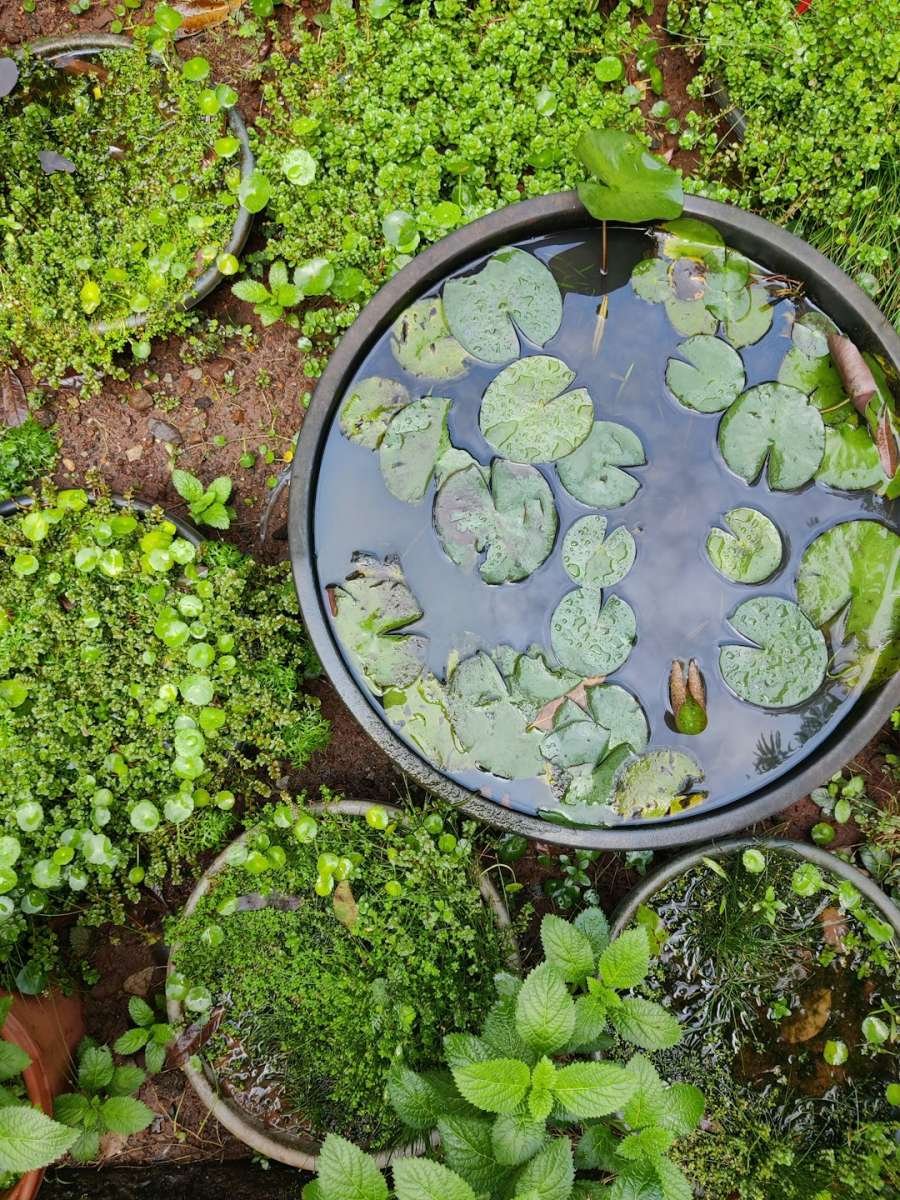
Are you ready to transform your pond into a vibrant, lively oasis? Adding plants to your pond is one of the best ways to boost its beauty and create a healthy environment for fish and wildlife.
But where do you start? How do you choose the right plants and place them perfectly? In this guide, you’ll discover simple, step-by-step tips that make adding plants easy and enjoyable. By the end, your pond will not only look stunning but also thrive naturally.
Keep reading to unlock the secrets to a flourishing pond garden!

Credit: savvygardening.com
Choosing The Right Plants
Choosing the right plants for your pond helps create a healthy, balanced environment. Plants add beauty, oxygen, and shelter for fish and other pond life. Selecting suitable plants depends on the pond’s size, water depth, and climate.
Understanding different plant types and their needs ensures better growth. It also helps avoid common problems like overgrowth or poor water quality.
Aquatic Vs. Marginal Plants
Aquatic plants live fully submerged or float on the water surface. They oxygenate the water and provide hiding spots for fish.
- Examples: Water lilies, duckweed, and hornwort.
- They need deeper water and steady conditions.
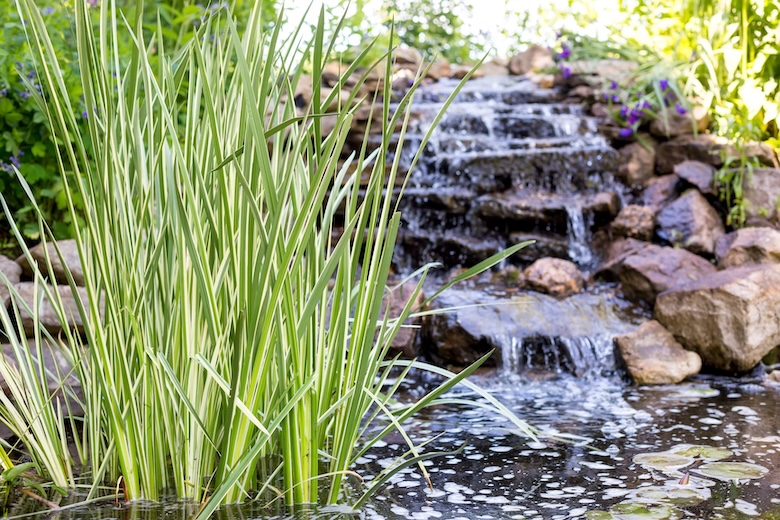
Marginal plants grow at the pond’s edge in shallow water or wet soil. They help filter water and prevent erosion.
- Examples: Cattails, irises, and pickerelweed.
- They tolerate fluctuating water levels and sunlight.
Native Vs. Exotic Species
Native plants suit your local climate and wildlife. They support local insects and birds naturally.
- Require less care and fewer chemicals.
- Help maintain the pond’s ecosystem balance.
Exotic species may offer unique colors or shapes. Some can grow aggressively and harm native plants.
- Choose carefully to avoid invasive varieties.
- Check local regulations before planting exotic species.
Seasonal Considerations
Plants have different growth cycles and seasonal needs. Some bloom in spring and summer, others in fall.
- Choose a mix to keep your pond lively year-round.
- Consider plants that survive winter if your pond freezes.
Seasonal changes affect sunlight and water temperature. Match plants to these conditions for best results.
Credit: www.thompson-morgan.com
Preparing Your Pond
Preparing your pond before adding plants sets the stage for a thriving aquatic garden. It’s more than just placing pots in water. Proper preparation ensures plants grow well and your pond stays balanced and healthy.
Checking Water Quality
Start by testing your pond’s water. Check for pH level, clarity, and nutrient content. Ideal pH usually ranges between 6.5 and 7.5 for most pond plants.
High levels of ammonia or nitrates can harm plants and fish. Use a water test kit to identify these issues early. If your water is off-balance, consider partial water changes or adding beneficial bacteria before planting.
Designing Plant Zones
Think about where each plant will thrive best. Divide your pond into zones based on light and water movement. Place sun-loving plants in areas that get full sunlight and shade-tolerant ones where the light is limited.
Different plants have different space needs. Group tall plants away from short ones to avoid overcrowding. This approach helps maintain clear water and healthy growth.
Ensuring Proper Depth
Depth matters a lot for pond plants. Some need shallow water, while others thrive deeper. Measure your pond’s depth carefully and match plants to their preferred depth zones.
Floating plants can go anywhere, but submerged plants usually require at least 1 to 3 feet of water. Incorrect depth can stunt growth or cause plants to drown. Have you checked if your pond depth suits the plants you want to add?
Planting Techniques
Adding plants to your pond isn’t just about dropping them in the water. The right planting techniques ensure your plants thrive and create a balanced, beautiful ecosystem. Understanding how to place and secure each type of plant helps you avoid common pitfalls like plants floating away or roots suffocating.
Submerging Aquatic Plants
Submerging plants live completely underwater and need careful handling. Start by trimming any dead leaves to encourage healthy growth.
Plant these in containers with aquatic soil or heavy clay to keep the roots anchored. Avoid regular garden soil as it can cloud the water.
Place the container at the pond bottom where the water is calm. Check the depth requirements for your specific plants—too deep or too shallow can harm them.
Positioning Marginal Plants
Marginal plants grow at the pond’s edge or in shallow water. Position them where the water is about 4 to 8 inches deep, so their roots stay wet but the leaves can reach the air.
Use planting baskets or pots filled with pond soil and gravel to weigh them down. This setup also makes it easier to move plants around if needed.
Think about how these plants will grow—some spread quickly and might need space to expand, while others stay compact.
Securing Plants In Place
Strong currents or fish can displace your plants if they aren’t properly secured. Use heavy stones or plant anchors to hold pots down firmly.
For plants without containers, gently bury roots in pond soil and cover with gravel to prevent floating.
Regularly check your plants after storms or heavy winds to make sure they haven’t shifted. This simple habit keeps your pond looking neat and healthy.
Credit: www.gardeningknowhow.com
Maintaining Your Water Garden
Maintaining your water garden is key to keeping plants healthy and your pond looking beautiful. Regular care stops problems before they start. It also helps plants grow strong and vibrant. Simple daily tasks make a big difference over time.
Regular Water Checks
Check water quality often to keep plants safe. Test pH, clarity, and temperature regularly. Clear water lets sunlight reach plants easily. Remove debris like leaves and algae to stop decay. Clean water supports fish and other pond life too.
Pruning And Trimming
Trim dead or yellow leaves to encourage new growth. Cut back plants that grow too fast or wide. This stops overcrowding and keeps the pond neat. Use sharp tools to avoid damage. Pruning also improves water flow around plants.
Preventing Invasive Growth
Some plants grow too quickly and take over the pond. Watch for species that spread fast and block sunlight. Remove invasive plants by pulling or cutting regularly. Use barriers or pots to limit root growth. Balance helps all plants thrive together.
Enhancing Aesthetics
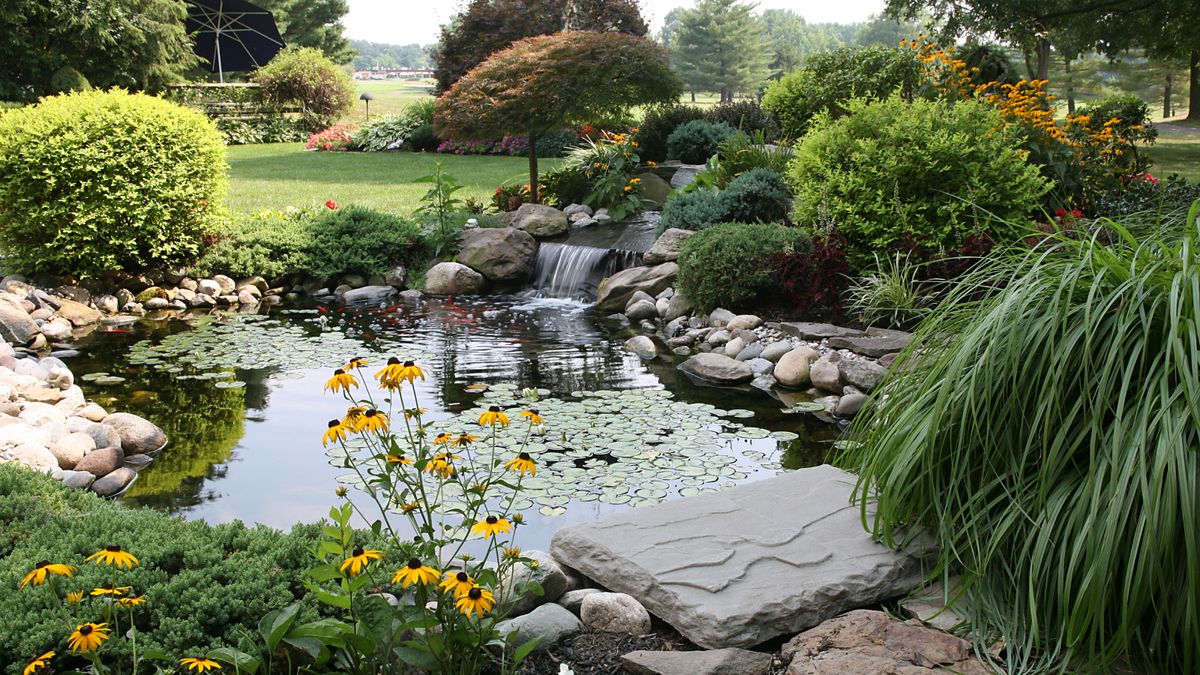
Enhancing the beauty of a pond creates a peaceful and inviting space. Plants play a vital role in making the pond visually appealing. Their colors, shapes, and textures add life and charm. Careful selection and placement can transform a simple pond into a stunning garden feature.
Using Floating Plants
Floating plants cover the water surface with soft greenery. They create a natural look and provide shade for aquatic life. Plants like water lilies and duckweed add color and contrast. These plants also help keep the water clear by reducing algae growth. Floating plants move gently with the breeze, adding dynamic beauty.
Incorporating Decorative Elements
Decorative items enhance the pond’s style and character. Stones, pebbles, and driftwood offer texture and interest. Small statues or ceramic pots add a unique touch. Arrange these elements naturally around plants and water edges. They blend the pond into the surrounding landscape, making it feel part of the garden.
Lighting For Nighttime Appeal
Lighting extends the pond’s beauty after sunset. Soft LED lights highlight plants and water features. Underwater lights create a glowing effect beneath the surface. Solar lights around the pond add warmth and safety. Nighttime lighting invites enjoyment and creates a magical atmosphere.
Troubleshooting Common Issues
Adding plants to your pond can bring beauty and balance to the water. Sometimes, problems can arise that affect plant health and pond clarity. Knowing how to fix these issues keeps your pond thriving.
Algae Management
Algae growth can turn your pond green and murky. It competes with plants for nutrients and light. Reduce algae by limiting excess sunlight and avoiding overfeeding fish. Use aquatic plants like lilies or floating plants to block sunlight. Remove algae by hand or use a pond vacuum carefully. Adding barley straw can help slow algae growth naturally.
Pest Control
Insects and pests can damage pond plants quickly. Snails and aphids often feed on leaves and stems. Introduce natural predators like frogs or dragonflies to control pests. Use safe, plant-friendly insecticides if needed. Check plants regularly for signs of pest damage. Remove affected leaves to stop pests from spreading.
Dealing With Plant Diseases
Plant diseases can cause spots, wilting, or rotting. Fungal infections are common in wet conditions. Improve water circulation to reduce disease risk. Avoid overcrowding plants to allow airflow. Remove and dispose of diseased plants immediately. Use natural fungicides to protect healthy plants. Keep pond water clean and balanced to support plant health.
Frequently Asked Questions
What Are The Best Plants To Add To A Pond?
The best pond plants include water lilies, cattails, and duckweed. They improve water quality and provide habitat for wildlife. Choose plants based on your pond’s size, depth, and sunlight exposure for optimal growth and health.
How Do I Properly Plant Pond Plants?
Plant pond plants in containers with aquatic soil. Submerge containers at the right depth, ensuring roots are underwater but leaves float or stand above water. Use gravel to secure soil and prevent fish disturbance. Regularly check plant health and adjust placement if needed.
When Is The Best Time To Add Plants To A Pond?
Spring and early summer are ideal times to add pond plants. Water temperatures are warmer, promoting root growth. Avoid planting during extreme cold or heat. Early planting ensures plants establish before winter and enhances pond ecosystem balance.
Can Pond Plants Improve Water Quality?
Yes, pond plants absorb excess nutrients, reducing algae growth. They oxygenate water and provide shade, maintaining cooler temperatures. Their roots filter debris and trap sediments, enhancing water clarity and supporting a healthy aquatic environment.
Conclusion
Adding plants to your pond brings life and beauty to the water. Choose the right plants for your pond size and sunlight. Place them carefully to help keep the water clean and clear. Watch how plants attract birds and fish, making your pond more lively.
Regular care will help plants grow strong and healthy. Enjoy the calm and fresh feeling your pond plants create. A simple step that makes your pond a peaceful retreat.

